


A groundbreaking scientific study has shattered a widely held conservation assumption, revealing that returning rescued wildlife to natural habitats does not always equate to a successful conservation outcome. In a sobering exposé, researchers have found that for certain species, particularly those subjected to the illegal pet trade and subsequent rehabilitation, the wild can transform into a perilous "death trap," leading to tragic and preventable losses. The findings, published in the esteemed journal Global Ecology and Conservation, offer a critical re-evaluation of current rescue and release protocols, especially for highly territorial and uniquely adapted animals.
The intensive research, spearheaded by Professor Anna Nekaris OBE, a renowned primatologist from Anglia Ruskin University, in collaboration with experts from the conservation organization Plumploris e.V. and the University of Western Australia, meticulously examined the fate of Bengal slow lorises (Nycticebus bengalensis) following their release into protected areas in Bangladesh. This species, already grappling with severe threats, serves as a poignant case study for the complex challenges inherent in wildlife rehabilitation and reintroduction efforts.
The Allure of the Slow Loris: A Target for Traffickers
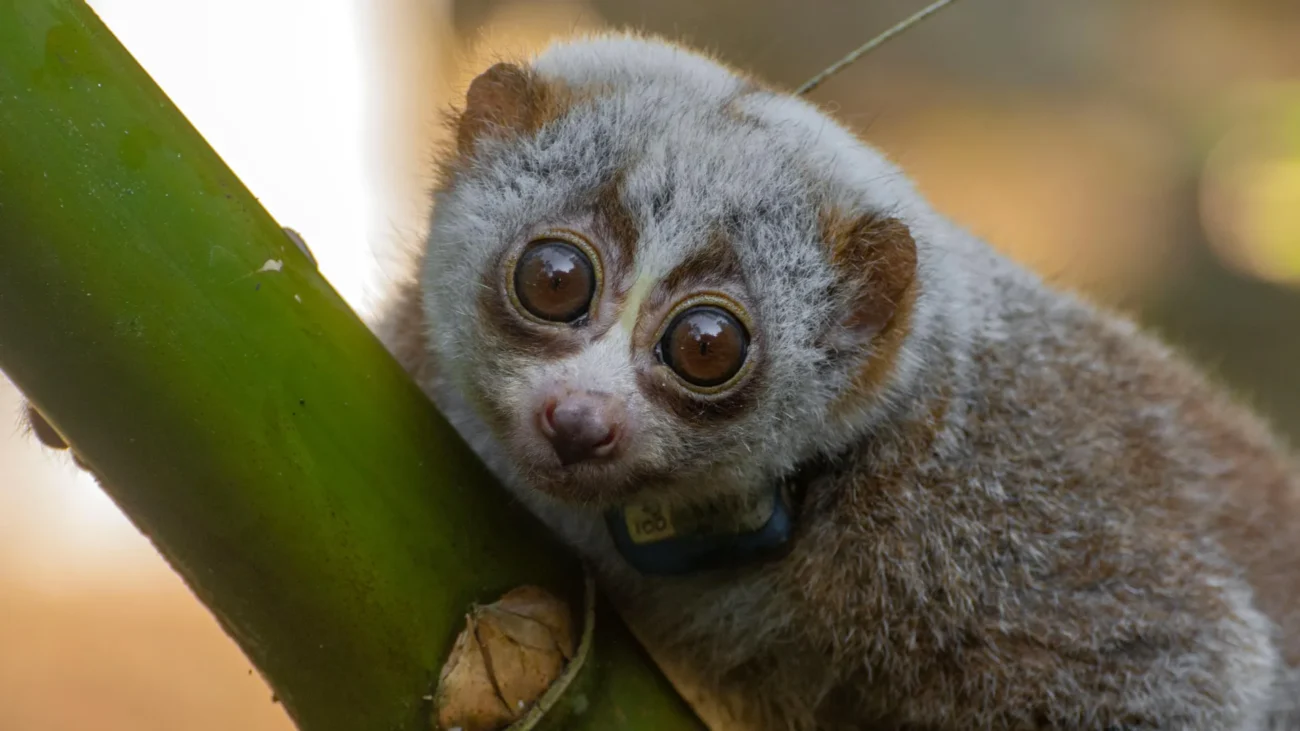
Bengal slow lorises, characterized by their large, expressive eyes and seemingly docile demeanor, have become tragically popular in the global illegal wildlife trade. This demand, fueled by exotic pet enthusiasts and the pet trade industry, has pushed the species to the brink of extinction. All recognized species of slow loris are currently listed by the International Union for Conservation of Nature (IUCN) as either Critically Endangered, Endangered, or Vulnerable, underscoring the urgent need for effective conservation strategies. Consequently, these animals are frequently confiscated from illegal trade networks and, in an effort to bolster wild populations, are often released back into their natural environments.
The journey from captivity to the wild, however, is fraught with peril for these unique primates. The new study reveals that the very act of release, intended as a life-saving measure, can instead lead to swift and brutal ends.
A Stark Reality: Tracking the Fate of Released Bengal Slow Lorises
To gain an unprecedented understanding of the post-release survival rates, the research team embarked on a rigorous tracking initiative. Nine Bengal slow lorises, having undergone rehabilitation, were fitted with miniature radio collars before being released into a national park in northeastern Bangladesh. This particular park had previously been utilized for wildlife reintroduction programs, making it a logical, albeit ultimately flawed, choice for this study.
The results of this meticulous monitoring were profoundly disheartening. Within the study period, only a dismal two out of the nine fitted lorises managed to survive and adapt to their forest environment. The remaining seven succumbed to fatalities within varying, and often alarmingly short, periods. Three individuals died within a mere ten days of their release, a stark indicator of immediate post-release challenges. Four more animals perished within six months.
Upon recovering seven of the deceased lorises, researchers were able to conduct necropsies. The findings were grim and pointed to a singular, devastating cause of death: inter-species aggression. All seven recovered animals exhibited clear signs of severe bite wounds, particularly to the head, face, and extremities. This evidence strongly suggests that fatal territorial conflicts with resident Bengal slow lorises were the primary reason for their demise.
The Deadly Dance of Territoriality and Venom
The research further illuminated the critical factors contributing to these tragic outcomes. Slow lorises are not only highly territorial but also possess a unique and dangerous defense mechanism: they are the world’s only venomous primates. They possess specialized glands near their elbows that secrete a toxin, which they mix with their saliva to deliver a potent, venomous bite using their modified teeth.
The bite marks observed on the deceased lorises were consistent with the defensive and offensive capabilities of their species. These wounds indicate that the released animals were unable to establish themselves within the existing social and territorial structures of the park, leading to violent confrontations with established residents.
An additional concerning observation was the correlation between the duration of captivity and survival rates. The study found that lorises held in captivity for longer periods tended to have significantly shorter survival times after release. This suggests that extended periods of confinement may impair their ability to reacclimate to the complexities of wild survival, including foraging, predator avoidance, and territorial defense.
Furthermore, the released lorises displayed altered behavior compared to their wild counterparts. They exhibited increased movement and a heightened state of alertness, behaviors that deviate from the typically more sedentary and cautious nature of wild Bengal slow lorises. This heightened activity could be a consequence of stress, disorientation, or an attempt to find suitable territory, inadvertently increasing their chances of encountering resident animals.
The two surviving lorises demonstrated a pattern of survival linked to extensive movement. They traversed significantly larger areas than those that perished. This behavior suggests that successful adaptation and survival were dependent on their ability to move beyond established territories and actively avoid confrontations with resident slow lorises.
Rethinking Rescue: A Call for Evidence-Based Conservation
The stark findings from the Bengal slow loris study necessitate a profound re-evaluation of wildlife rescue and release practices, particularly for species that are not as charismatic or as extensively monitored as larger animals like big cats. While extensive tracking and post-release support are often provided for iconic species, many smaller or less conspicuous animals are released with little to no follow-up, leaving the true success or failure of these efforts largely unknown.
Professor Anna Nekaris OBE emphasized the critical need for a paradigm shift. "It’s assumed that returning confiscated or rescued animals to the wild is always a positive conservation story," she stated. "Our research shows that for highly territorial species like slow lorises, releasing them into areas that are already densely populated can be a death trap. Many rescued endangered species are often released because the public expects it, but for animals such as the Bengal slow loris, this is not always the best course of action. Without fully understanding the animal’s behavior, its time spent in captivity, and the density of resident populations at the release site, reintroductions may do more harm than good."
The researchers are advocating for a more nuanced and scientifically rigorous approach to wildlife releases. This includes:
- Detailed Habitat Assessments: Thorough evaluation of the release site’s ecological suitability, including carrying capacity, presence of predators and competitors, and availability of resources.
- Individual Animal Condition Assessment: Comprehensive evaluation of the physical and psychological health of each animal, ensuring they are fit for release and possess the necessary survival skills.
- Long-Term Monitoring: Implementation of robust tracking and monitoring programs, utilizing technologies like radio collars, GPS trackers, and camera traps, to assess post-release survival and adaptation.
- Species-Specific Rehabilitation Guidelines: Development of rehabilitation protocols tailored to the unique behavioral, physiological, and social needs of each species, minimizing the negative impacts of captivity.
Hassan Al-Razi, the lead author and team leader of Plumploris e.V. Bangladesh, echoed these concerns, highlighting the often-inappropriate nature of current release practices in Bangladesh. "Rescue and release have become an increasingly common practice in Bangladesh," Al-Razi explained. "However, in many cases, these releases are conducted inappropriately. For forest-dwelling species, release sites are often selected based on logistical convenience rather than ecological suitability. As a result, certain forests have effectively become dumping grounds for rescued animals and are no longer appropriate release sites."
Al-Razi further elaborated on the broader implications of their findings. "Although our research has focused on the Bengal slow loris and demonstrated the consequences of such practices, we believe similar patterns likely affect many other species." This suggests that the "death trap" scenario observed in slow lorises could be a widespread, yet overlooked, conservation problem affecting a multitude of endangered and threatened wildlife populations worldwide.
The implications of this study are far-reaching, calling into question the ethical and ecological soundness of widespread, unmonitored release programs. As conservation efforts intensify in the face of escalating biodiversity loss, it is imperative that these practices are grounded in robust scientific evidence and prioritize the long-term well-being of the animals they aim to protect. The Bengal slow loris study serves as a critical wake-up call, urging the conservation community to move beyond well-intentioned but potentially harmful assumptions and embrace a more informed, targeted, and evidence-based approach to saving species from the brink. The future of many endangered animals may depend on it.

