


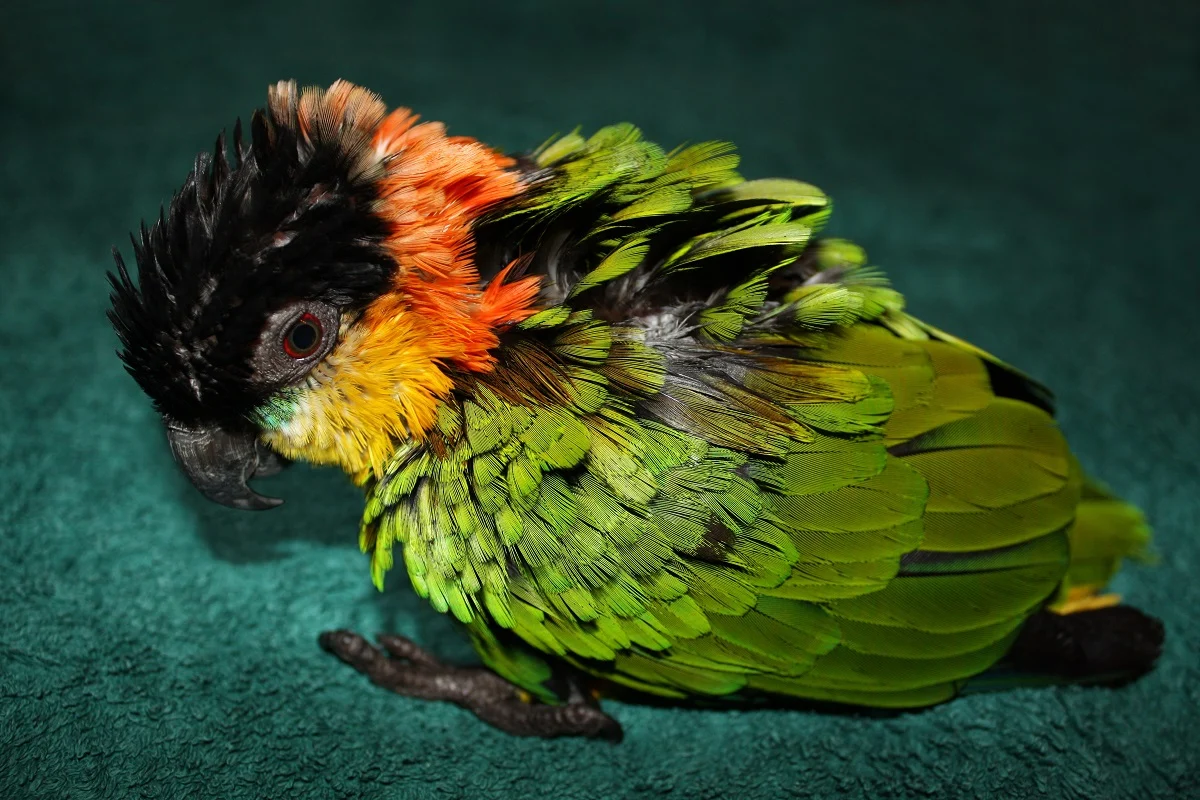
Ensuring the health and safety of companion parrots is a paramount responsibility for owners, yet the prospect of a medical emergency can be daunting. Proper preparation, however, is not merely advisable; it is often the critical determinant between life and death for these fragile creatures. This article outlines essential steps for parrot owners to proactively prepare for, recognize, and respond to avian health emergencies, significantly enhancing their bird’s chances of survival and recovery.
The Urgency of Avian Emergencies: Why Parrots Are Different
Parrots, like most prey animals, possess a powerful instinct to conceal signs of illness or injury. In the wild, displaying weakness makes them vulnerable to predators. In a domestic setting, this inherent trait means that by the time a parrot exhibits overt symptoms, its condition may already be severe. Their high metabolic rate further compounds this, as a rapid decline can occur within hours. This unique physiology underscores the critical need for owners to be vigilant, well-informed, and prepared to act swiftly.
Navigating Immediate Crises: When to Act Without Delay
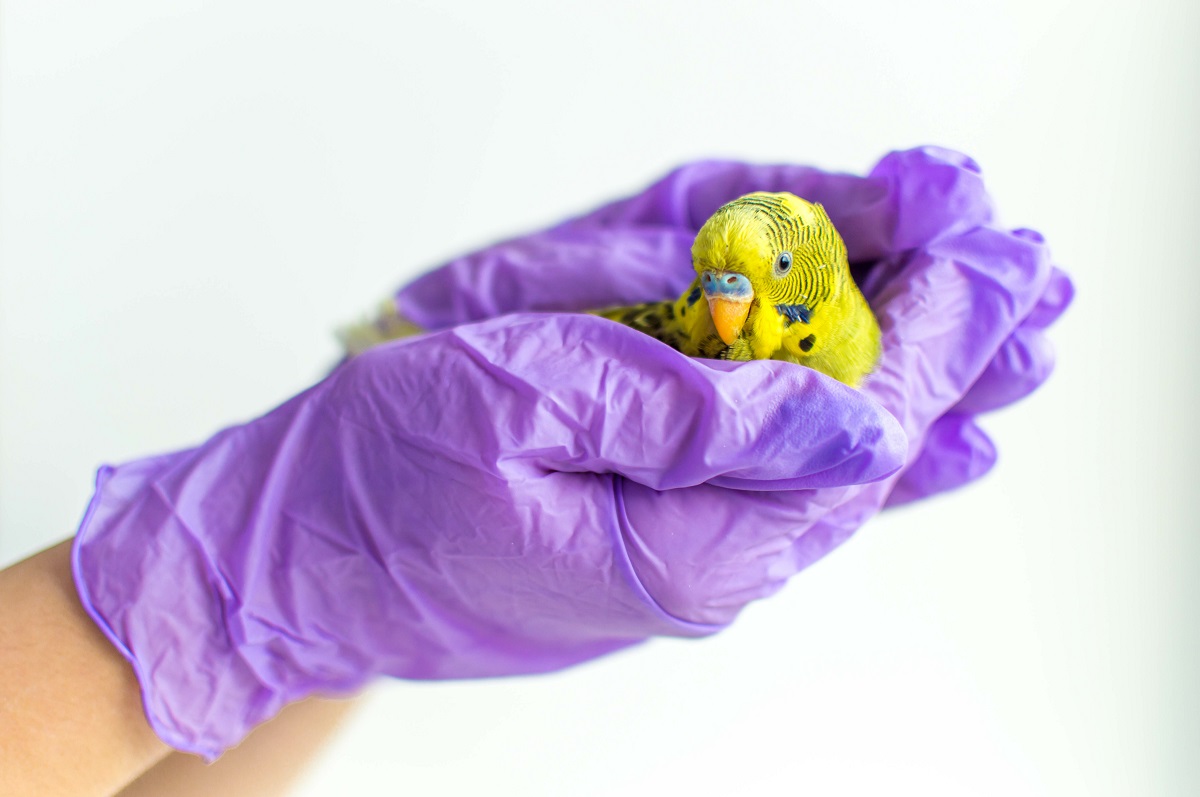
In the event of a suspected medical emergency, the primary directive is immediate action. If a parrot displays urgent symptoms such as severe difficulty breathing, non-responsiveness, uncontrolled bleeding, seizures, or collapse, the priority shifts from information gathering to rapid veterinary transport. Owners should safely secure their bird in a carrier and contact an avian veterinarian en route. For less clear-cut but concerning symptoms, a phone consultation with the vet, describing the situation in detail, can help determine the appropriate course of action—whether an immediate visit is required or an appointment can be scheduled. In scenarios where immediate veterinary access is challenging, understanding basic first aid can be life-saving while professional help is sought.
Foundational Preparedness: Essential Steps for Every Parrot Owner
Prevention forms the cornerstone of emergency preparedness. While accidents and illnesses can never be entirely eliminated, proactive measures can significantly reduce risks and mitigate the severity of incidents.

1. Securing Expert Avian Veterinary Care
The most crucial step is identifying and establishing a relationship with a qualified avian veterinarian before an emergency arises. Not all veterinarians are equally proficient in avian medicine; birds require specialized knowledge due to their unique anatomy, physiology, and disease processes. Owners should seek out a veterinarian with specific experience, and ideally, board certification in avian medicine.
- Pre-emptive Consultation: An initial wellness exam with an avian vet allows the bird to become accustomed to the clinic environment and establishes a medical baseline. This also provides an opportunity for owners to discuss potential hazards, dietary needs, and general care.
- Emergency Contact Information: The vet’s primary and emergency contact numbers should be readily accessible, saved in phones, and prominently displayed in the home. It is also prudent to have contact details for backup or after-hours avian emergency clinics.
- Financial Planning: Avian emergency treatments can be costly, often involving diagnostics (X-rays, blood tests), medications, hospitalization, and specialized procedures. Establishing an emergency vet fund or investing in pet insurance specifically covering avian care can alleviate financial stress during a crisis, allowing owners to prioritize their bird’s health without undue economic burden.
2. Implementing Comprehensive Parrot Safety Measures (Parrot-Proofing)
Parrots are intelligent, inquisitive, and often destructive, making them highly susceptible to household hazards. A thorough "parrot-proofing" of any area their bird accesses is non-negotiable.
- Environmental Toxins: Identify and remove all toxic plants (e.g., avocado, azalea, diffenbachia, philodendron, poinsettia), human foods (chocolate, caffeine, alcohol), cleaning products (aerosols, strong detergents), candles, air fresheners, non-stick cookware fumes (Teflon), and nicotine products. Even seemingly innocuous items like lead-based paints or zinc-coated cages can be lethal.
- Physical Hazards: Secure all windows and doors to prevent escapes. Cover mirrors and large glass surfaces to prevent collisions. Block access to small crevices, toilets, open containers of liquid, and electrical cords. Ceiling fans should be off when the bird is out of its cage. Supervise all out-of-cage time diligently.
- Cage Safety: The bird’s primary enclosure must also be safe. Ensure cage bar spacing is appropriate for the species, preventing entrapment. Inspect toys regularly for frayed ropes, sharp edges, or small ingestible parts. Prioritize toys made from bird-safe materials. Maintain impeccable cage hygiene to prevent bacterial and fungal infections.
- Other Pets: If other pets (cats, dogs, ferrets) are present, ensure they have no unsupervised access to the parrot. Even a playful swat from a cat can inflict a fatal bacterial infection on a bird due to Pasteurella bacteria.
3. Assembling an Essential Avian First Aid Kit
An avian-specific first aid kit, readily accessible to all household members, is a critical component of emergency preparedness. Each item serves a vital purpose in managing injuries or stabilizing a bird until professional veterinary care can be administered.
- Styptic Powder/Cornstarch: Essential for stopping bleeding from minor cuts, broken blood feathers, or trimmed nails. It works by constricting blood vessels and promoting clotting.
- Sterile Gauze Pads and Cotton Balls: For applying pressure to wounds, cleaning, and protecting injured areas.
- Non-Toxic Antiseptic Solution (e.g., diluted chlorhexidine or povidone-iodine): For cleaning minor wounds. Always consult a vet on safe dilutions.
- Tweezers: For removing splinters, foreign objects, or assisting with blood feather removal (if instructed by a vet).
- Small, Blunt-Ended Scissors: For cutting bandages or freeing a bird from entanglement.
- Heating Pad/Hot Water Bottle: To provide supplemental warmth. Crucially, it should be wrapped in a towel to prevent direct contact and burns. Microwavable heat pads are generally safer than hot water bottles, which can burst.
- Small Animal Carrier: A small, dark, and well-ventilated carrier lined with paper towels (for easy monitoring of droppings and hygiene) is essential for safe transport. Darkness helps reduce stress.
- Oral Syringes (without needles): For administering water or electrolyte solutions if the bird is able to swallow. Sizes vary (e.g., 1ml, 3ml).
- Rehydration Sachets/Electrolyte Solution: Specifically formulated for birds, these can help combat dehydration.
- Flashlight and Magnifying Glass: For detailed examination of injuries or subtle symptoms.
- Vet Contact Information: Clearly listed in the kit.
- Bird-Safe Barrier Cream: For minor skin irritations.
- Emergency Blanket (Mylar): To help retain body heat in a cold environment.
Recognizing Subtle Signs of Illness: The Key to Early Intervention
Given parrots’ ability to mask illness, owners must develop a keen eye for subtle changes in behavior and appearance. Knowing your bird’s baseline—its normal posture, activity level, vocalizations, appetite, and droppings—is paramount. Any deviation should prompt concern.

Symptoms Warranting Immediate Veterinary Consultation (Call While En Route):
- Severe Respiratory Distress: Open-mouth breathing, tail bobbing (up and down motion of the tail with each breath), wheezing, gasping, nasal discharge.
- Collapse or Non-Responsiveness: Inability to perch, lying on the bottom of the cage, unresponsiveness to stimuli.
- Seizures: Uncontrolled muscle spasms, loss of consciousness.
- Uncontrolled Bleeding: Bleeding that does not stop with direct pressure, or significant blood loss. (A 100g cockatiel has only about 10ml of blood, making even 1ml of blood loss potentially dangerous).
- Sudden Weakness or Paralysis: Inability to use a limb, drooping wing, head tilt (as noted by Dr. Daisy May, Psittacology’s resident veterinarian, from personal experience).
- Severe Trauma: Open wounds, suspected fractures, impact injuries.
- Persistent Vomiting or Regurgitation: Especially if accompanied by lethargy or weakness. (Distinguish from normal courtship regurgitation).
- Prolonged Diarrhea or Abnormal Droppings: Black, tarry droppings (indicating internal bleeding), bright red blood, or persistently watery/discolored droppings that are not related to diet (e.g., beetroot).
- Egg Binding: Straining, lethargy, distended abdomen in a female bird.
Symptoms Warranting Prompt Veterinary Appointment (Call for Advice):
- Lethargy or Increased Sleeping: More time spent sleeping, decreased activity levels.
- Ruffled or Dull Plumage: Feathers held away from the body, lack of preening, disarrayed appearance.
- Changes in Appetite or Thirst: Significant increase or decrease in food or water consumption.
- Weight Loss: Noticeable reduction in muscle mass over the keel bone. Regular weight monitoring can help detect this early.
- Changes in Vocalization: Unusually quiet, hoarse, or altered calls.
- Discharge from Eyes or Nares: Watery, cloudy, or thick discharge.
- Limping or Favoring a Leg: Indicating pain or injury.
- Sitting on the Cage Bottom: While some birds enjoy this, a sudden change in behavior for a bird that usually perches is concerning.
- Swelling: Any unexplained swelling on the body.
- Persistent Sneezing or Coughing: Without other severe respiratory signs.
Responding to an Active Emergency: While Awaiting Veterinary Care
When an emergency strikes, and you are en route to the vet or awaiting their arrival, specific actions can significantly impact your parrot’s prognosis.
1. Stopping Bleeding:
If bleeding is present, it is the immediate priority. Apply styptic powder or cornstarch directly to the wound, applying gentle, continuous pressure with sterile gauze for several minutes. For deep wounds that may penetrate body cavities (abdomen or thorax), focus solely on applying pressure with clean gauze and transport to the vet without delay, as styptic powder will be ineffective and immediate surgical intervention may be required. When applying pressure, always be mindful not to impede the bird’s ability to breathe, as they rely on chest expansion for respiration.

2. Providing Isolation and Warmth:
Stress and shock are major contributors to mortality in sick or injured birds. Minimizing these factors is critical.
- Isolation: Place the bird in a quiet, dark environment, ideally a small carrier or a clean box lined with paper towels. Cover the enclosure to reduce visual stimulation.
- Warmth: Sick or injured birds struggle to maintain their body temperature. Provide supplemental heat, aiming for an ambient temperature of 85-90°F (29-32°C). A wrapped heating pad set on low or a covered hot water bottle placed under or beside the carrier can achieve this. Ensure there is a cooler area the bird can move to if it becomes too warm. Microwavable heat pads are often preferred for safety.
3. Addressing Dehydration:
Dehydration can rapidly worsen a parrot’s condition, especially with vomiting or diarrhea.
- Assessing Dehydration: A quick, though not definitive, assessment can be made by checking the basilic wing vein refill time. Locate the prominent blue vein on the inside of the bird’s "elbow" (humeral-radioulnar joint). Gently press on the vein to displace blood, then release. In a well-hydrated bird, the vein should refill instantly. A refill time exceeding 2 seconds suggests moderate to severe dehydration, necessitating urgent veterinary attention.
- Oral Rehydration (Cautiously): If the bird is mildly dehydrated, alert, and able to swallow comfortably, offer a warmed, avian-specific electrolyte solution via a teaspoon or syringe. Fluids should be gently warmed to body temperature (around 105°F / 40°C) to prevent further chilling. Never attempt to force-feed fluids to a weak or unresponsive bird, as aspiration into the lungs can be fatal unless you have been explicitly trained by a qualified avian professional in safe administration techniques.
4. Managing Other Injuries:
For suspected fractures or severe trauma, avoid manipulating the injured area. Focus on keeping the bird calm, warm, and stable during transport. Do not attempt to "set" bones. Cover open wounds with sterile gauze to prevent contamination.
Broader Implications and Long-Term Avian Welfare
The proactive approach to avian emergency preparedness extends beyond individual incidents. It reflects a growing understanding of companion animal welfare and the specialized needs of parrots. By educating owners, fostering relationships with avian veterinarians, and promoting the establishment of emergency protocols, the collective welfare of avian companions is significantly enhanced. Preparedness mitigates suffering, increases survival rates, and empowers owners to provide the best possible care for their feathered family members. The emotional toll of a sudden emergency can be immense, but having a plan in place provides a sense of control and confidence in a stressful situation.

In conclusion, the well-being of a parrot rests heavily on the owner’s preparedness for unforeseen medical events. While the fragility of these birds demands swift and knowledgeable action, a comprehensive strategy encompassing preventative measures, a well-stocked first aid kit, vigilant symptom recognition, and immediate veterinary consultation can dramatically alter outcomes. Owners are urged to commit to these practices, recognizing that informed preparedness is the ultimate act of responsible parrot guardianship.
Sources
Avianmedicine.net: Emergency and Critical Care

