


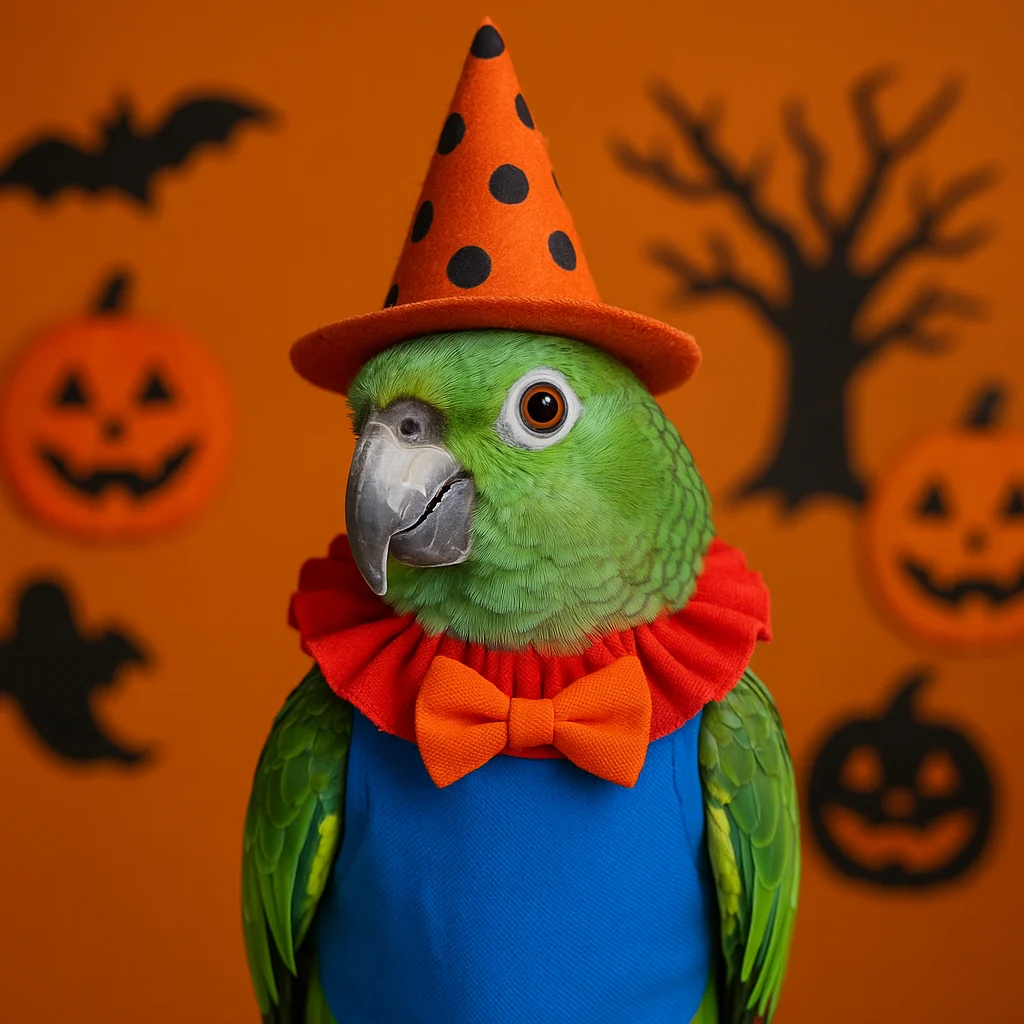
Halloween, a beloved annual tradition for many humans, transforms neighborhoods into festive spectacles of costumes, flashing lights, and the persistent chime of doorbells. While children revel in the excitement and adults enjoy the spooky ambiance, this dramatic shift in routine and sensory input can be profoundly distressing, even terrifying, for companion birds. Parrots, with their acute senses and innate prey animal instincts, often perceive the holiday’s characteristic chaos as a direct threat to their safety and well-being. This article delves into why Halloween can be a source of significant anxiety for birds and outlines comprehensive strategies for owners to ensure their feathered friends experience a calm, cozy, and scare-free evening.
The Avian Perspective on Halloween Chaos: Understanding Their Vulnerability
Birds are creatures of routine, thriving on predictability and stability within their environment. Their finely tuned sensory systems, evolved to detect subtle changes in their surroundings that might signal danger, make them particularly susceptible to the overstimulation inherent in Halloween festivities. The sudden influx of unfamiliar sights, sounds, and movements associated with trick-or-treating can trigger a primal "flight or fight" response, even in the most confident and well-socialized parrots.
Avian specialists, including Diane Burroughs, LCSW, an expert in parrot behavior, emphasize that birds do not comprehend the concept of human celebration. Instead, they interpret the altered environment through the lens of survival. Costumes can resemble predators, loud noises can mimic natural alarms, and the constant presence of strangers at the door disrupts their perceived safety net. This persistent stress can lead to a spike in stress hormones like cortisol, manifesting in various undesirable behaviors such as screaming, biting, feather plucking, or withdrawal. Prolonged or acute stress can also compromise their immune system, making them more vulnerable to illness.
Key Stressors and Their Physiological Impact
Several core elements of Halloween celebrations contribute significantly to avian distress:
1. Loud Noises and Startles: A Sensory Assault
The cacophony of Halloween—ranging from enthusiastic trick-or-treaters squealing, doorbells ringing incessantly, and spooky soundtracks emanating from decorated homes to occasional firecrackers—can be overwhelming for birds. Parrots possess highly sensitive auditory systems, capable of detecting a broader range of frequencies and nuances than humans. What might be a moderate noise level for a person can feel intensely loud and jarring for a bird.
The impact of such noise extends beyond mere discomfort. Sudden, loud sounds can trigger an immediate physiological stress response: increased heart rate, rapid breathing, and heightened alertness. For a prey animal, these sounds often signal imminent danger, leading to panic. In extreme cases, birds may thrash in their cages, potentially injuring themselves, or exhibit stress behaviors like pacing, excessive preening, or plucking feathers.
To mitigate this, owners are advised to create an auditory buffer. Closing windows and doors can significantly reduce external noise penetration. Introducing calming background sounds, such as white noise, classical music, or nature tracks, can help mask the unpredictable Halloween sounds, providing a more consistent and soothing auditory environment. Moving the bird’s cage to a quieter, interior room, far from the front door, is often the most effective strategy.
2. Night Frights: Guarding Essential Sleep Time
Halloween activities typically commence during the late afternoon and extend into the evening, coinciding precisely with the natural bedtime of most birds. Parrots require between 10 to 14 hours of uninterrupted sleep in a dark, quiet environment to maintain optimal health. This consistent sleep cycle is crucial for their physical recovery, mental processing, and hormonal regulation.
Disrupted sleep, even for a single night, can have immediate and noticeable consequences. A bird deprived of adequate rest may become irritable, cranky, or more prone to aggressive behaviors such as biting or excessive vocalization the following day. Chronic sleep deprivation can lead to more severe health issues, including weakened immune function, feather destructive behaviors, and heightened anxiety.
Establishing a predictable bedtime routine is paramount. Owners should cover their bird’s cage with a breathable, dark cover earlier than usual on Halloween night, or ideally, move the cage to a designated dark, quiet, and undisturbed room well before trick-or-treating begins. This proactive approach ensures the bird’s natural circadian rhythm remains intact, promoting a sense of security and well-being.
3. Costumes & Company: Perceived Threats and Unfamiliarity
One of the most defining characteristics of Halloween is the wearing of costumes, masks, and face paint. While amusing for humans, these alterations to familiar appearances can be profoundly unsettling for birds. Parrots rely heavily on visual cues to recognize their caregivers and assess their environment. A familiar human suddenly appearing as a monster, witch, or superhero with a mask can be perceived as an unknown entity or even a predator.
This confusion and fear can trigger defensive behaviors, including screaming, biting, or attempting to hide. Even if the bird is not directly exposed to costumed individuals, the presence of numerous unfamiliar guests and strangers entering and exiting the home can be a source of significant stress. The territorial instincts of many parrot species mean they can view guests as intruders, leading to anxiety or aggression.
To prevent such distress, it is strongly recommended to keep birds in a separate, secure room away from the main festivities and guest traffic. This separation minimizes exposure to unfamiliar faces, costumes, and the general commotion. Engaging birds in a quiet activity, such as offering a favorite foraging toy or a new enrichment item, before the arrival of guests can help distract them and provide a positive focal point.
Proactive Preparedness: A Pre-Halloween Timeline
Effective Halloween bird care begins well before the evening itself. A structured approach can significantly reduce stress levels:
- Weeks Before:
- Identify a Safe Zone: Designate a quiet, interior room that can be fully darkened and is less susceptible to external noises. This will be your bird’s sanctuary for the night.
- Acclimate to Calming Sounds: Gradually introduce white noise, classical music, or nature sounds to your bird’s environment during regular hours. This helps them associate these sounds with comfort, rather than a novel response to stress.
- Review Emergency Contacts: Ensure you have the contact information for your avian veterinarian readily available in case of an unexpected emergency or severe stress reaction.
- Days Before:
- Prepare the Sanctuary: Ensure the designated safe room is clean, adequately heated/cooled, and free from any potential hazards. Set up the bird’s cage with fresh food, water, and familiar toys.
- Stock Up on Calming Aids: Consider natural calming supplements designed for birds, such as UnRuffledRx™ Calming Formula or Aloe Vera Bird Spray, as recommended by avian wellness experts like Diane Burroughs. These can help take the edge off anxiety.
- Reinforce Routine: Maintain your bird’s daily schedule rigorously in the days leading up to Halloween to provide maximum predictability and comfort.
- Halloween Day:
- Early Preparation: Feed your bird at their regular time. Engage them in playtime or training sessions earlier in the day when the house is quiet.
- Transition to Sanctuary: Move your bird to their designated quiet room before the first trick-or-treaters are expected, ideally a few hours before dusk. Cover their cage to signal bedtime and ensure darkness.
- Provide Distraction: Offer a favorite foraging toy or a long-lasting treat inside their sanctuary to keep them mentally engaged and distracted from external noises.
Managing the Fright Night: During Halloween
Once the festivities begin, the focus shifts to maintaining the bird’s peaceful environment:
- Minimize Noise and Light: Keep the door to the bird’s sanctuary closed. If the room has windows, ensure curtains or blinds are drawn tightly. Use white noise or calming music to further muffle sounds.
- Resist Interaction (Initially): While it’s natural to want to comfort a distressed bird, direct comforting during a fear response can inadvertently reinforce the behavior. Instead, focus on creating a calm environment. Once the immediate scare has passed and the bird shows signs of calming, you can offer quiet reassurance.
- Monitor Remotely (If Possible): If you have a pet camera, you might consider setting it up in the bird’s sanctuary to monitor their behavior without disturbing them. This allows you to check for severe distress without entering the room.
Post-Halloween Recovery and Long-term Well-being
Once Halloween night concludes, it’s crucial to help your bird transition back to their normal routine and recover from any residual stress:
- Gradual Reintroduction: The morning after Halloween, gradually reintroduce light and remove the cage cover at their usual wake-up time.
- Observe Behavior: Pay close attention to your bird’s behavior in the days following Halloween. Look for any lingering signs of stress, such as lethargy, changes in appetite, increased aggression, or feather destructive behaviors.
- Reinforce Positive Routine: Return immediately to your bird’s regular daily schedule for feeding, playtime, and sleep. Predictability is key to helping them regain a sense of security.
- Offer Comfort and Enrichment: Provide extra opportunities for positive interaction, gentle praise, and favorite toys to reinforce their bond with you and rebuild their confidence.
- Consider Post-Stress Support: If your bird appears particularly affected, continue with natural calming aids or consult with an avian veterinarian for further advice on stress management.
Expert Insights and Veterinary Recommendations
Avian veterinarians and behaviorists consistently underscore the importance of proactive measures. Dr. Sarah Johnson, a board-certified avian veterinarian, notes, "Many bird owners underestimate the profound impact holiday stressors can have. What seems like harmless fun to us can be genuinely traumatic for a sensitive parrot. Prioritizing their calm environment is not just about comfort; it’s about preventing serious health and behavioral issues."
Diane Burroughs, LCSW, whose expertise spans decades in strengthening bonds between parrots and their caregivers, champions a holistic approach. "Knowing your bird needs calm and predictability is one thing, but actually creating that peace takes the right tools and strategies," Burroughs states. Her work, including the development of products like UnRuffledRx™ Calming Formula and Aloe Vera Bird Spray, aims to provide owners with safe, trusted options to support avian wellness from the inside out. These products are formulated based on behavioral science principles to help birds manage anxiety and maintain emotional balance.
Common Misconceptions and Safety FAQs
Addressing common questions can further empower bird owners:
- Can I dress my bird up for Halloween?
Absolutely not. While the idea might seem charming, dressing birds in costumes is highly stressful and potentially dangerous. Costumes can restrict movement, impede breathing, interfere with natural preening, and cause overheating. Birds interpret such confinement and alteration of their natural form as a threat, leading to panic, injury, or severe anxiety. Their feathers are essential for thermoregulation and flight, and any obstruction is detrimental. - What if my bird screams all night during Halloween?
A bird screaming is a clear sign of distress. Your first priority should be to ensure their environment is as calm and quiet as possible, following the strategies outlined above (dark room, white noise, cage cover). Importantly, avoid rushing in to comfort or scold a screaming bird, as this can inadvertently reinforce the screaming behavior. Instead, wait for a brief moment of quiet before checking on them or offering a reward. The goal is to reward calm behavior, not fear-driven vocalizations. If screaming persists despite all efforts, consult your avian veterinarian to rule out any underlying health issues. - Can I share Halloween candy or treats with my bird?
Definitely not. Human Halloween candy and many human treats contain ingredients that are toxic or highly detrimental to birds. Chocolate, for instance, contains theobromine, which is poisonous to birds and many other pets. High sugar content, artificial sweeteners (like xylitol), and artificial colors/flavors can cause digestive upset, hyperactivity, and long-term health problems. Instead, offer bird-safe alternatives such as a plain, unsalted almond or walnut, small pieces of unsweetened dried fruit (e.g., cranberries, mango), or fresh, thoroughly washed vegetables.
Broader Implications for Pet Welfare
The challenges presented by holidays like Halloween highlight a broader imperative in pet ownership: the responsibility to anticipate and mitigate environmental stressors for our animal companions. As pet ownership continues to grow globally, so does the awareness of animal sentience and the need for comprehensive welfare strategies. Organizations like the Association of Avian Veterinarians (AAV) regularly publish guidelines emphasizing stress management and enrichment in companion birds, underscoring that a bird’s psychological well-being is as critical as its physical health.
The implications extend beyond just Halloween. Events such as New Year’s Eve fireworks, Fourth of July celebrations, and even general household renovations can all be significant sources of stress for birds. By learning how to manage these specific challenges, owners develop skills and empathy that contribute to a consistently high quality of life for their feathered friends year-round. This proactive approach fosters a stronger, more trusting bond between birds and their human caregivers, ensuring that companion parrots thrive in environments that respect their unique biological and psychological needs.
Conclusion: No Tricks, Just Treats for a Calm Bird
Halloween doesn’t have to be a night of terror for your feathered flock. With thoughtful planning, a dedicated quiet space, consistent sleep routines, and the judicious use of natural calming support, owners can transform fright night into a peaceful, stress-free evening for their avian companions. The effort invested in creating a secure and predictable environment not only prevents immediate distress but also contributes significantly to a bird’s long-term health and emotional stability. By prioritizing their avian companions’ well-being, bird owners demonstrate responsible pet care and ensure that even during the most chaotic holidays, their parrots experience a lifetime of positive, calm, and confidence-building experiences.

