


A groundbreaking scientific study is challenging the long-held assumption that returning rescued wildlife to natural habitats invariably leads to successful rehabilitation. New research suggests that in certain circumstances, animals released after periods of captivity face significant, even fatal, risks, transforming what should be a sanctuary into what researchers are describing as a "death trap." The findings, published in the esteemed journal Global Ecology and Conservation, delve into the complex and often tragic realities of wildlife reintroduction programs, highlighting critical flaws in current practices, particularly for highly territorial and unique species.
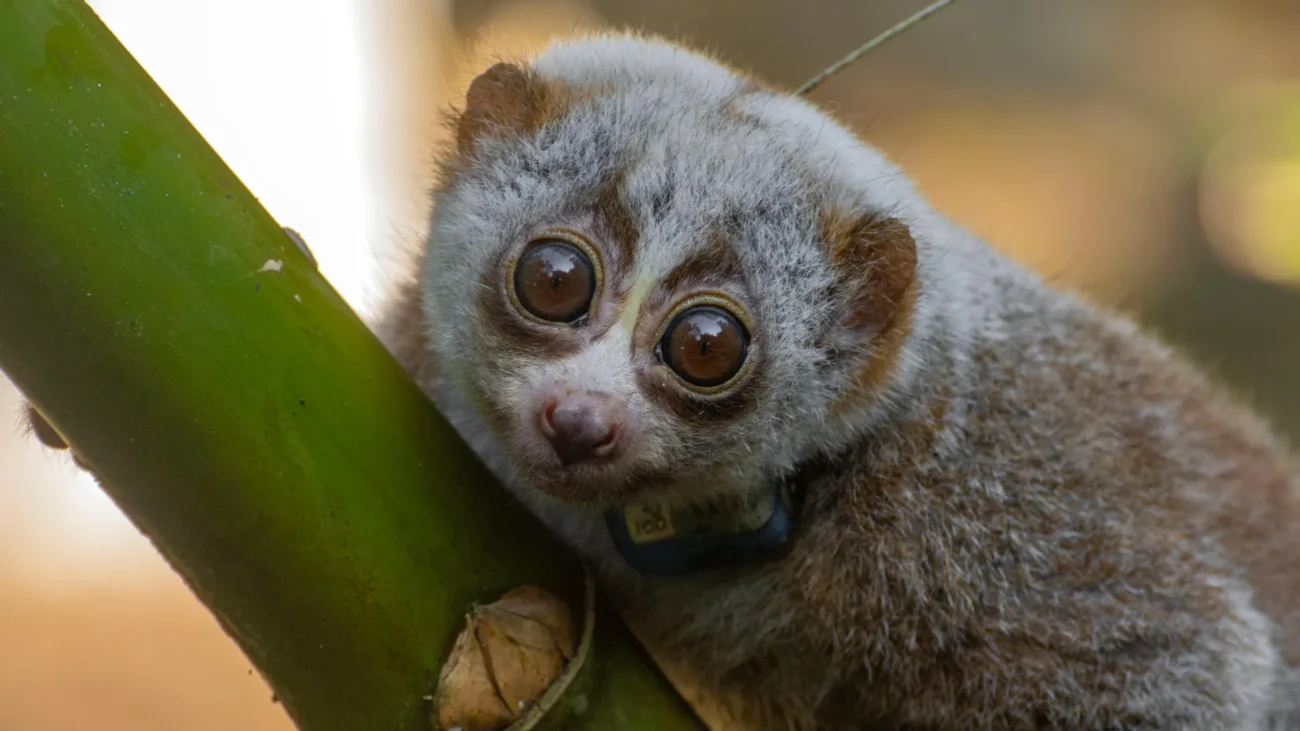
The extensive research was spearheaded by Professor Anna Nekaris OBE, a distinguished primatologist from Anglia Ruskin University, in collaboration with esteemed colleagues from the conservation organization Plumploris e.V. and the University of Western Australia. Their focused investigation centered on the fate of Bengal slow lorises (Nycticebus bengalensis) following their release into natural environments in Bangladesh. This specific species, unfortunately, finds itself at the forefront of conservation concerns due to its vulnerability to the illegal pet trade.
The Plight of the Slow Loris: A Victim of Its Charm
Slow lorises, with their strikingly large, soulful eyes and seemingly gentle demeanour, possess an aesthetic appeal that has tragically made them highly sought after in the illicit global wildlife trade. This demand places them among the most heavily trafficked primates worldwide, a grim distinction that underscores their precarious existence. Their vulnerability is further emphasized by their conservation status: all known species of slow loris are classified by the International Union for Conservation of Nature (IUCN) as Critically Endangered, Endangered, or Vulnerable. This threatened status necessitates frequent rescue operations and subsequent release attempts, often undertaken with the noble intention of bolstering dwindling wild populations. However, this new research casts a stark shadow over the efficacy of these well-intentioned efforts when not meticulously planned and executed.
A Grim Reckoning: Tracking Bengal Slow Lorises Post-Release
The study’s methodology involved fitting nine Bengal slow lorises with radio collars, a crucial step in meticulously tracking their movements and survival rates after their release into a national park in northeastern Bangladesh. This particular park had been a chosen site for prior wildlife release initiatives, suggesting a perceived suitability for such conservation interventions. The outcomes, however, were profoundly discouraging, painting a bleak picture of the challenges faced by these animals upon their return to the wild.
The data revealed a devastating survival rate. Of the nine lorises released, a mere two managed to survive in the forest environment. The remaining seven succumbed to the harsh realities of their new, or rather re-established, environment. Three animals died within an alarmingly short period of just 10 days following their release. The mortality rate continued to climb, with four more lorises perishing within the subsequent six months. A grim discovery followed when researchers were able to recover four of the seven deceased animals. Autopsies and examinations of these bodies revealed a consistent and disturbing pattern: all showed clear evidence of having been killed by other slow lorises.
Territorial Conflicts and the Lethal Bite: Unveiling the Cause of Death
The study’s findings pointed towards two primary factors contributing to the high mortality rate: the inherently territorial nature of slow lorises and their unique, venomous bite. Slow lorises are known to be fiercely territorial creatures, and their dominance is asserted through aggressive encounters. Furthermore, they hold the unique distinction of being the only known venomous primates in the world. They possess specialized glands that produce a toxin, which they mix with their saliva, delivering it through a potent bite facilitated by specialized, grooved teeth.
The recovered Bengal slow lorises exhibited significant bite wounds, predominantly on their heads, faces, and digits. These injuries provided compelling evidence that fatal territorial encounters were the direct cause of their deaths. The researchers observed that lorises that had spent longer periods in captivity tended to have shorter survival times after release. This suggests that the extended period of confinement may have rendered them less adept at navigating the complex social and territorial dynamics of the wild.
An additional observation from the tracking data indicated that the released lorises exhibited increased movement and heightened alertness compared to their wild counterparts. This behaviour could be interpreted as a sign of disorientation or an attempt to find a safe haven in an unfamiliar and potentially hostile environment. The two lorises that did survive had a notable characteristic: they traveled across significantly larger territories than those that perished. This pattern strongly suggests that survival was contingent upon their ability to leave established territories and, crucially, avoid direct confrontations with resident lorises who likely viewed them as intruders.
Re-evaluating the Paradigm: The Imperative for Smarter Wildlife Releases
The disparity in monitoring efforts for different species was also brought to light by the study. Large and charismatic animals, such as big cats, often receive extensive post-release monitoring, allowing researchers to assess their adaptation and survival. In stark contrast, many smaller species, including primates like the slow loris, are frequently not subjected to such rigorous tracking. This lack of follow-up means that the true outcomes of their release programs often remain unknown, creating a false sense of success and potentially perpetuating ineffective conservation strategies.
The researchers emphatically stress that successful wildlife reintroduction demands a far more sophisticated and comprehensive approach to planning. This includes a rigorous evaluation of the suitability of the proposed release site, considering factors such as existing population densities, habitat quality, and the availability of food resources. Furthermore, the physical and psychological condition of each individual animal being considered for release must be meticulously assessed. Tailored rehabilitation guidelines, developed based on a deep understanding of each species’ specific behaviours and ecological needs, are paramount to improving the chances of survival.
Professor Anna Nekaris OBE, Senior Author and Professor of Ecology, Conservation and Environment at Anglia Ruskin University, articulated the core of their findings: "It’s assumed that returning confiscated or rescued animals to the wild is always a positive conservation story. Our research shows that for highly territorial species like slow lorises, releasing them into areas that are already densely populated can be a death trap." She further elaborated on the societal pressures that can influence conservation decisions, stating, "Many rescued endangered species are often released because the public expects it, but for animals such as the Bengal slow loris, this is not always the best course of action. Without fully understanding the animal’s behaviour, its time spent in captivity and the density of resident populations at the release site, reintroductions may do more harm than good."
Hassan Al-Razi, Lead Author and the team leader of Plumploris e.V. Bangladesh, provided further insight into the localized challenges: "Rescue and release have become an increasingly common practice in Bangladesh. Many wild animals, including slow lorises, are rescued and subsequently released back into the wild. However, in many cases, these releases are conducted inappropriately. For forest-dwelling species, release sites are often selected based on logistical convenience rather than ecological suitability. As a result, certain forests have effectively become dumping grounds for rescued animals and are no longer appropriate release sites." He concluded with a broader implication: "Although our research has focused on the Bengal slow loris and demonstrated the consequences of such practices, we believe similar patterns likely affect many other species."
Broader Implications for Global Conservation Efforts
The implications of this study extend far beyond the plight of the Bengal slow loris. It serves as a critical wake-up call for conservationists, policymakers, and the public alike, urging a paradigm shift in how wildlife rescue and rehabilitation programs are conceived and implemented. The sentiment that any intervention is better than none is a dangerous oversimplification that can lead to unintended consequences, exacerbating the very problems conservationists aim to solve.
The study’s emphasis on species-specific needs and detailed site assessments is crucial. For instance, a primate that relies on specific arboreal pathways and social structures will have vastly different reintroduction requirements compared to a terrestrial animal. The duration and nature of captivity also play a significant role. Animals that have been habituated to human interaction or have lost vital survival skills due to prolonged confinement may require extensive pre-release conditioning and a phased reintroduction process.
The economic and logistical aspects of conservation also come into play. Conducting thorough habitat assessments, fitting radio collars, and undertaking long-term monitoring requires significant financial investment and dedicated personnel. However, the cost of ineffective reintroduction programs, both in terms of financial resources and the irreversible loss of endangered species, is far greater. This research underscores the need for increased funding and a commitment to evidence-based conservation practices, even for species that may not capture public imagination as readily as larger, more charismatic animals.
The ethical considerations are also profound. While the intention behind rescuing and releasing animals is undeniably benevolent, the potential for causing suffering or premature death through poorly executed reintroductions raises significant ethical questions. The "death trap" scenario highlights the imperative to prioritize the welfare of the individual animal, ensuring that release is a genuinely beneficial outcome rather than a death sentence.
Moving forward, a more collaborative approach involving wildlife biologists, ecologists, veterinarians, and local community stakeholders is essential. This interdisciplinary effort can ensure that release sites are ecologically viable, that the animals are physically and behaviourally prepared, and that the long-term impacts are rigorously assessed. The study by Nekaris and her colleagues provides a vital, albeit sobering, contribution to this ongoing discourse, urging a more informed, scientific, and compassionate approach to safeguarding the future of our planet’s most vulnerable wildlife. The success of conservation is not measured by the number of animals released, but by the number of animals that truly thrive in their natural environments.

