


When considering the health and happiness of pet rats, the importance of regular physical activity often takes a backseat to diet and environmental enrichment. However, just as exercise is crucial for human well-being, it plays an equally vital role in maintaining the robust health and positive mental state of our rodent companions. This extended exploration delves into the multifaceted benefits of exercise for rats, examines practical methods for owners to facilitate activity, and analyzes the implications for their overall quality of life.
The Evolving Understanding of Exercise and Its Benefits
The perception of exercise has evolved significantly over the decades. While in the 1980s, the emphasis was predominantly on aesthetic improvements, contemporary understanding underscores its fundamental necessity for both physical and psychological health. This paradigm shift is directly applicable to the care of pet rats, whose sedentary lifestyles in captivity necessitate proactive owner intervention.
Physical Health Advantages:
Regular physical exertion is instrumental in ensuring a rat’s bodily systems function optimally, bolstering their immune defenses and enhancing their capacity to combat disease. A significant benefit is the prevention or mitigation of obesity, a condition that poses substantial health risks. Excess body weight places undue stress on a rat’s musculoskeletal system, increasing the likelihood of developing debilitating conditions such as hind leg degeneration, cardiovascular issues, diabetes, and the formation of lipomas (fatty tumors).

Data from veterinary studies indicate a correlation between sedentary lifestyles and an increased incidence of chronic diseases in companion animals, including rats. For instance, a study published in the Journal of Exotic Pet Medicine highlighted that overweight rats are more susceptible to respiratory infections and have a reduced lifespan by an average of 15-20%. Therefore, monitoring a rat’s weight and addressing any signs of pudginess through dietary adjustments and increased activity is paramount. Owners concerned about their rat’s weight can consult resources that provide guidance on assessing body condition, such as visual guides and palpation techniques, to determine if their pet is indeed overweight.
Mental Health and Behavioral Benefits:
Beyond the physical advantages, exercise is a powerful antidote to boredom, stress, and the development of undesirable behaviors in rats. Confined to their enclosures for extended periods, rats are intelligent creatures that require mental stimulation and physical outlets to prevent ennui. A lack of adequate activity can lead to a range of behavioral issues, including excessive grooming, repetitive movements (stereotypies), aggression, and even depression-like symptoms.
The enrichment provided by exercise is not merely about burning calories; it’s about engaging their natural instincts to explore, forage, and interact. This mental engagement is as critical as physical exertion. Studies in animal cognition suggest that enriched environments, which include opportunities for physical activity and problem-solving, can significantly reduce stress hormone levels and improve overall cognitive function in rodents. Introducing novel challenges and activities can keep their minds sharp and their spirits high.
It is important to note that this discussion primarily addresses healthy, mobile rats. For rats experiencing mobility limitations due to age, illness, or injury, a veterinary consultation is essential to develop a tailored exercise plan that accommodates their specific needs and limitations.
Facilitating Activity: Beyond the Gym
Unlike their wild counterparts, domesticated rats often exhibit a more sedentary disposition, placing the onus on their owners to actively facilitate opportunities for movement. The concept of exercise for rats does not necessitate a human-like fitness regimen; they do not require treadmills or weightlifting equipment. In fact, rats do not even sweat, a biological difference that underscores their unique physiological needs. Their exercise needs are met through engaging their natural behaviors in a safe and stimulating environment.
In-Cage Enrichment for Active Living:
Even within the confines of their cage, several strategies can encourage rats to remain active. While a multi-level cage provides vertical space for exploration, it is crucial to supplement this with items that actively promote movement.
-
Exercise Wheels: The introduction of an appropriately sized and safe exercise wheel can be a valuable tool. However, their effectiveness can vary, with some rats embracing them for vigorous runs while others may repurpose them as sleeping quarters. It is recommended to introduce wheels early in a rat’s life, ideally during their juvenile stages, to establish their purpose as an exercise apparatus. As rats, particularly adult males, can become prone to laziness, early habituation is key.
When selecting an exercise wheel, prioritize safety and functionality. The wheel should be large enough to accommodate an adult rat comfortably, allowing them to run with a straight back. Materials should be solid, with no bars or gaps where a tail or limb could become trapped. Secure attachment to the cage or a stable stand is paramount to prevent any potential for entrapment or injury. Brands like the Wodent Wheel and Silent Spinner are often recommended for their safety features. Researching newer models and consulting owner reviews can help identify the best options.

-
Interactive Cage Decor: Beyond static perches and hammocks, incorporating interactive elements into the cage environment can significantly enhance a rat’s activity levels. This can involve a combination of commercially available pet toys and repurposed household items. Objects that can be transformed into climbing structures, bridges, tunnels, or dig boxes encourage exploration and physical engagement.
For example, a wooden bird perch can be ingeniously used as a holder for a toilet paper roll, allowing rats to shred and play with the paper. Modifying ramps or introducing elements that require more effort to navigate can also promote movement. These modifications should be tailored to the rat’s age and mobility.
Out-of-Cage Adventures: Expanding Horizons
The most effective way to stimulate a rat’s desire to move is by offering them a change of scenery and the opportunity to explore new environments. Their innate curiosity and drive to inspect and interact with novel spaces serve as powerful motivators for activity.
-
Supervised Free-Ranging: Allowing rats supervised time outside their cage, even for limited periods, can be incredibly beneficial. This does not necessitate granting them unfettered access to the entire home. Instead, dedicating specific times and a rat-proofed room for exploration can be highly effective. During these sessions, providing a variety of items for them to climb on, explore, and interact with will encourage sustained activity.
A common and highly engaging activity for rats is "TPing," or interacting with toilet paper. A simple freestanding toilet paper holder can become a source of great amusement and exercise as rats use their teeth and agility to unravel and play with the paper. This activity not only promotes physical exertion but also encourages problem-solving and teamwork. Ensuring the free-ranging area is completely safe and free from hazards is crucial, and comprehensive guides on safe free-ranging practices are available for owners seeking to implement this.

-
Dedicated Playpens and Play Areas: A designated play area, whether a commercially purchased enclosure or a custom-built setup, serves as a safe zone for rats to expend energy. These areas can be structured to mimic natural environments and encourage a variety of activities.
When designing a play area, the inclusion of diverse elements is key to maintaining a rat’s interest and promoting exercise. Puzzle toys, dig boxes filled with safe substrate, and items that encourage climbing and tunneling (such as tubes, igloos, or a wheel on a stand) are excellent additions. Rotating the toys and enrichment items regularly prevents monotony and keeps the rats engaged. For instance, a simple desktop trash can filled with shredded paper and cardboard can become a fascinating dig box, prompting rats to explore, move items, and stash their findings.
DIY play areas can be constructed using readily available materials, transforming storage containers into multi-level structures with integrated tunnels and balance beams. These creative approaches not only provide exercise but also stimulate a rat’s intelligence and problem-solving skills.
-
Interactive Toys and Agility Courses: Engaging with rats using toys can be a fun way to encourage movement. Wand toys with feathers or small, chaseable objects can elicit their predatory instincts and promote physical activity. For owners seeking a more advanced level of engagement, setting up an agility course can provide a significant physical and mental challenge for their rats. Online resources and videos of rats successfully navigating agility courses demonstrate the potential for these elaborate setups. These courses often involve tunnels, jumps, and obstacle negotiation, offering a comprehensive workout.
The Art of "Tricking" Rats Through Treats
As rats age, their activity levels naturally tend to decrease, a phenomenon often observed in male rats particularly. While this can be endearing, it’s essential to ensure they remain active to maintain their health. Food-based motivators can be a highly effective strategy to encourage even the most reluctant rats to exercise.

-
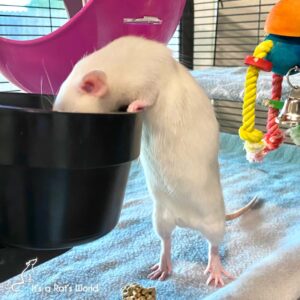
Strategic Food Dispensing: Altering how rats access their food can transform mealtime into an exercise session. Instead of a standard food bowl on the cage floor, consider elevated food dishes that require standing and stretching, or foraging wheels and treat dispensers that demand more effort to extract the food. This simple adjustment encourages sustained movement and engagement during feeding.
Research on animal feeding behaviors suggests that foraging activities, which mimic natural food-finding behaviors, significantly increase physical activity and reduce stress. By making rats "work" for their meals, owners can promote a more active lifestyle.
-
Pea Fishing: A simple yet highly engaging activity that promotes exercise is "pea fishing." This involves placing frozen peas in a shallow dish of water. Rats are naturally inclined to "fish" for the peas, requiring them to dip their paws in the water and retrieve their reward. This activity not only provides physical exertion but also offers mental stimulation. When multiple rats participate, the competitive element further increases their activity levels as they vie for the peas.
Individual Differences and Veterinary Consultation
It is important to acknowledge that not all rats are the same, and individual variations in metabolism and genetics can influence their body composition. Some rats may be genetically predisposed to being heavier, even with adequate exercise and a balanced diet. Personal anecdotes from experienced rat owners often highlight instances where exceptionally active rats still struggle with weight management, underscoring the role of genetics.
If an owner observes significant weight issues in their rat, consulting with a veterinarian is strongly recommended. A veterinarian can conduct a thorough assessment to rule out any underlying health conditions, evaluate the current diet for any imbalances, and provide personalized recommendations for a structured exercise plan. This professional guidance ensures that the approach to managing a rat’s weight and activity level is safe, effective, and tailored to the individual animal’s needs.
In conclusion, the commitment to providing pet rats with ample opportunities for physical and mental exercise is fundamental to their overall health and happiness. By incorporating a variety of engaging activities, both within and outside the cage, owners can significantly enhance their rats’ quality of life, preventing health issues and fostering a more vibrant and fulfilling existence for these intelligent and engaging companions. The effort invested in promoting an active lifestyle for rats yields substantial returns in their physical vitality and psychological well-being.

