


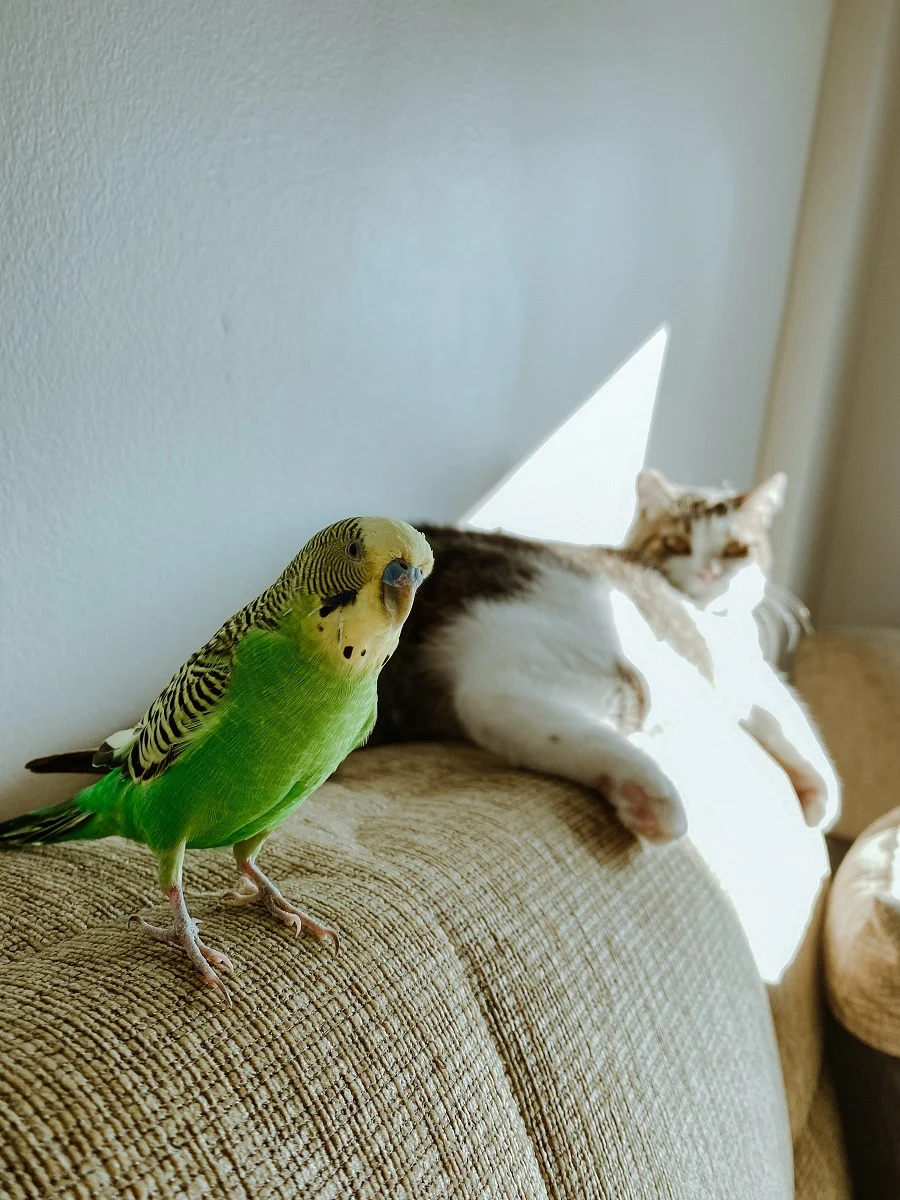
The decision to welcome a parrot into your home is a joyous one, embarking on a journey with a creature renowned for its intelligence, vibrant personality, and often, a remarkably long lifespan. However, the inherent curiosity and exploratory nature of these highly intelligent birds, coupled with their unique physiological vulnerabilities, mean that a typical human dwelling presents an array of potential hazards. Owners are thus tasked with the critical responsibility of thoroughly "parrot-proofing" their environment, a proactive measure essential for safeguarding their feathered companions. This guide delves into the multifaceted aspects of creating a secure habitat, drawing on veterinary insights and established best practices in avian husbandry to ensure the well-being of these sensitive animals.
The Unique Vulnerabilities of Companion Parrots
Parrots, whether a diminutive budgie or a majestic macaw, possess an innate drive to investigate their surroundings. In their natural habitats, this translates to foraging for food, exploring nesting sites within hollow trees, and interacting with diverse natural materials. When transposed to a domestic setting, these instincts, while indicative of a healthy and engaged bird, can lead to dangerous encounters with household items not designed with avian safety in mind. Their powerful beaks, adapted for cracking nuts and manipulating branches, can effortlessly strip insulation from electrical cords or splinter furniture. Their lightweight bodies and powerful wings, perfect for navigating dense canopies, can collide with reflective surfaces or escape through seemingly small openings. Furthermore, their highly efficient, yet delicate, respiratory systems render them exceptionally susceptible to airborne toxins that might be imperceptible or harmless to humans and other pets. Recognizing these fundamental differences between a parrot’s natural world and a human home is the first step in effective hazard mitigation.
Respiratory Hazards: The Invisible Threats
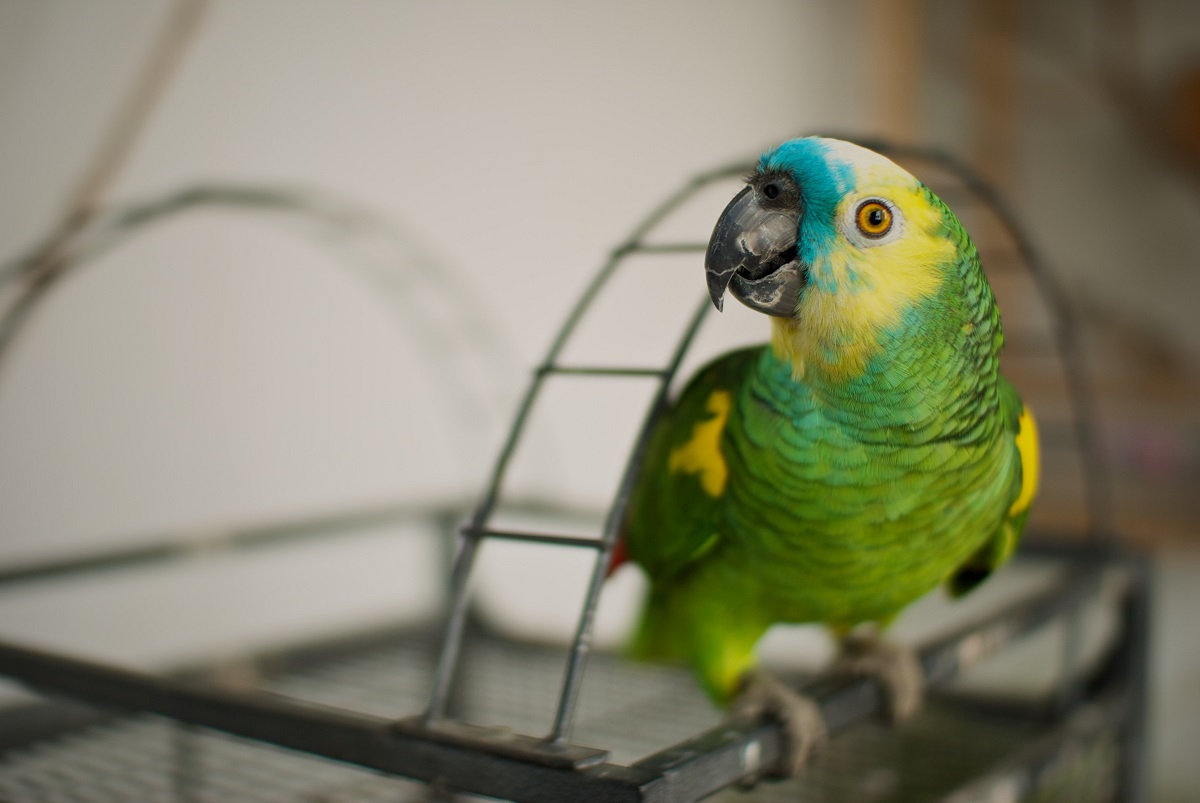
One of the most critical, yet often overlooked, aspects of parrot safety revolves around air quality. Parrots possess a unique respiratory system, far more efficient and sensitive than that of mammals, featuring nine air sacs that allow for unidirectional airflow. This design, while optimizing oxygen uptake during flight, also means they absorb airborne toxins much more effectively, making them highly vulnerable to irritants and poisons. The historical anecdote of "canaries in coal mines" serves as a stark reminder of their hypersensitivity to noxious gases, where a canary’s distress or death would alert miners to dangerous levels of carbon monoxide or methane before humans were affected.
- The Peril of PTFE and Household Aerosols: A prime example of an invisible threat is polytetrafluoroethylene (PTFE), commonly known by brand names like Teflon, found in non-stick cookware. When overheated, PTFE coatings release microscopic particulate fumes that are acutely toxic to birds, causing pulmonary hemorrhage and rapid death, a condition known as "Teflon toxicity" or "PTFE toxicosis." Even fumes from self-cleaning ovens, scented candles, air fresheners, hairsprays, deodorants, perfumes, cleaning sprays, and certain pesticides can trigger severe respiratory distress or fatal reactions in parrots. Smoke from cigarettes, cigars, or fireplaces, as well as soot from burning food, also pose significant health risks, leading to chronic respiratory issues or acute poisoning. Therefore, maintaining pristine air quality, free from any scented or aerosolized products, is paramount. The installation of reliable carbon monoxide detectors and smoke detectors is not only crucial for human safety but also a vital safeguard for avian residents, offering an early warning system against unseen dangers.
Electrocution and Ingestion: Chewing Through Danger
Parrots are natural chewers; it’s a vital behavior for maintaining beak health and exploring their environment. However, this instinct becomes a significant hazard when directed towards electrical wiring or potentially toxic household items.
- Electrical Dangers: Exposed electrical cords and outlets present an immediate and severe risk. A parrot’s beak can easily strip away insulation, exposing live wires. Electrocution can result in severe burns, cardiac arrest, or neurological damage, often with fatal outcomes. To mitigate this, all accessible cords in rooms where a parrot free-roams must be either completely hidden, encased in sturdy PVC piping or cord protectors, or rendered inaccessible. Outlets should be covered with child-proof safety caps.
- Beyond the Beak: Common Ingestible Toxins: Parrots explore their world orally, meaning anything within reach is a potential candidate for nibbling or ingestion. This makes a wide array of common household items highly dangerous.
- Plants: While some houseplants are benign, many are toxic. Examples of highly toxic plants include lilies, azaleas, rhododendrons, philodendrons, and diffenbachia (dumb cane). Owners must research and only keep parrot-safe plants or ensure all potentially harmful flora is completely out of reach.
- Human Medications and Substances: Prescription drugs, over-the-counter medications, recreational drugs (including cannabis products), and alcohol are extremely poisonous to birds. They must be stored securely in cabinets or drawers that parrots cannot access.
- Cosmetics and Cleaning Products: Lotions, perfumes, nail polish, soaps, detergents, bleach, and other household cleaners contain chemicals that can cause severe internal damage or poisoning if ingested or if fumes are inhaled. These items require vigilant storage.
- Toxic Foods: Several human foods are highly toxic to parrots. Chocolate, avocado, fruit pits (containing cyanide), apple seeds (also containing cyanide), onions, garlic, mushrooms, and caffeine can cause serious illness or death. Owners must be educated on safe parrot diets and never offer harmful human foods.
- Heavy Metals: Zinc and lead are common culprits in heavy metal poisoning. Zinc can be found in galvanized cages, certain toys, clips, and even some inexpensive food dishes. Lead can be present in older paints, stained glass, fishing weights, and some costume jewelry. Ingestion of even small amounts can lead to severe organ damage, neurological issues, and death. Owners should always choose powder-coated, stainless steel, or specifically certified bird-safe products. A study by Lightfoot and Yeager (2008) highlighted the prevalence of zinc toxicity from galvanized materials and unsafe toys, underscoring the need for careful material selection.
Physical Dangers: Navigating a Human-Centric World
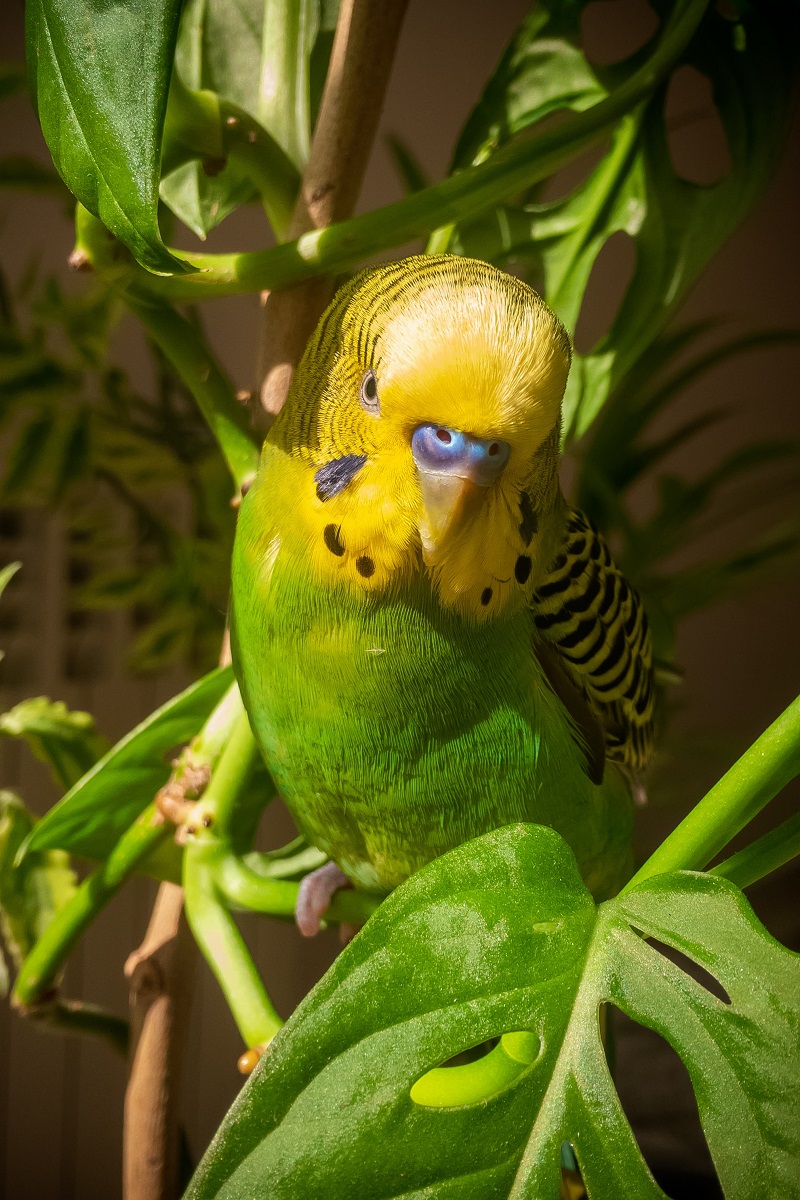
Beyond chemical and electrical hazards, the physical layout of a human home presents numerous risks that can lead to injury or escape for a free-roaming parrot.
- Doors and Windows: The Escape Route and Collision Risk: An open door or window is an invitation to disaster. A parrot’s flight instinct can easily lead them out into an unfamiliar and dangerous outdoor environment, making retrieval extremely difficult, if not impossible. Furthermore, glass windows, to a bird, appear as open sky, leading to potentially fatal collisions. Implementing layers of safety is crucial:
- Always ensure your parrot is securely caged before opening exterior doors or windows.
- Consider installing fine-mesh screens on windows in rooms where your parrot frequently free-roams.
- Educate all family members and guests about the "parrot protocol" – never leave doors or windows ajar.
- Interior doors also pose a risk. Parrots often enjoy perching on top of doors; accidentally closing one can result in crushed toes or damaged tail feathers. Maintaining a habit of keeping interior doors closed can also restrict access to unsafe areas.
- The Illusion of Reflection: Mirrors and Avian Collisions: Mirrors and other highly reflective surfaces (such as polished chrome or glass tabletops) can be disorienting and dangerous for parrots. They may perceive their reflection as another bird or an open space, leading to head-on collisions that can cause concussions, broken bones, or internal injuries. Covering mirrors or placing decals on glass surfaces can help birds recognize these barriers.
- Furniture Entrapment and Water Hazards: Parrots, particularly when hormonal or seeking nesting sites, are drawn to small, enclosed spaces. This can lead them to crawl into gaps behind or under furniture, inside open drawers, or even within appliances, where they risk becoming trapped or crushed. All such nooks and crannies must be blocked off or made inaccessible.
- Water Dangers: Even seemingly shallow bodies of water can be fatal for a small bird. Uncovered toilets are a common and tragic cause of drowning. Bathtubs, sinks, buckets, large vases, and aquariums without secure hoods all present drowning risks. It is imperative that all open water sources are either covered or inaccessible whenever a parrot is out of its cage.
The Sanctuary and Its Pitfalls: Ensuring Cage and Toy Safety
A parrot’s cage is its primary sanctuary, but even this essential space can harbor dangers if not properly chosen and maintained. Toys, vital for mental stimulation, also require careful selection.
- Cage Safety Fundamentals:
- Bar Spacing: The bars of a cage must be appropriately spaced for the specific parrot species. Bars that are too wide allow a bird to stick its head through, risking strangulation or entrapment. Conversely, bars that are too narrow can lead to foot injuries. A general rule is that a bird should not be able to fit its head through the bars.
- Material and Condition: The cage material itself is crucial. Galvanized wire, as previously mentioned, can leach zinc and cause toxicity. Powder-coated steel or stainless steel cages are generally preferred. The cage should be regularly inspected for rust, sharp edges, or bent bars that could injure the bird. Large parrots, with their powerful beaks, can significantly damage flimsy cages over time.
- Placement: The cage should be placed in a safe, draft-free location, away from direct sunlight, air vents, and potential hazards.
- The Silent Threat of Galvanized Materials and Unsafe Toys: The study by Lightfoot and Yeager (2008) explicitly detailed cases where "bird-safe" toys were responsible for illness and death due to zinc toxicity from galvanized components or design flaws that led to entrapment.
- Toy Materials: Toys should be made from bird-safe materials such as natural wood (untreated, non-toxic species), cotton ropes (regularly checked for fraying to prevent entanglement), paper, or acrylic. Avoid toys with small bells, loose strings, or components that can be easily chewed off and ingested.
- Toy Design: Inspect toys for potential entrapment points where a beak, toe, or leg could get caught. Regularly check the condition of toys; heavily damaged toys should be removed or repaired, as worn parts can become dangerous. Repurposing unaffected parts is a good way to reduce waste while maintaining safety.
Interspecies Interactions: A Perilous Proximity
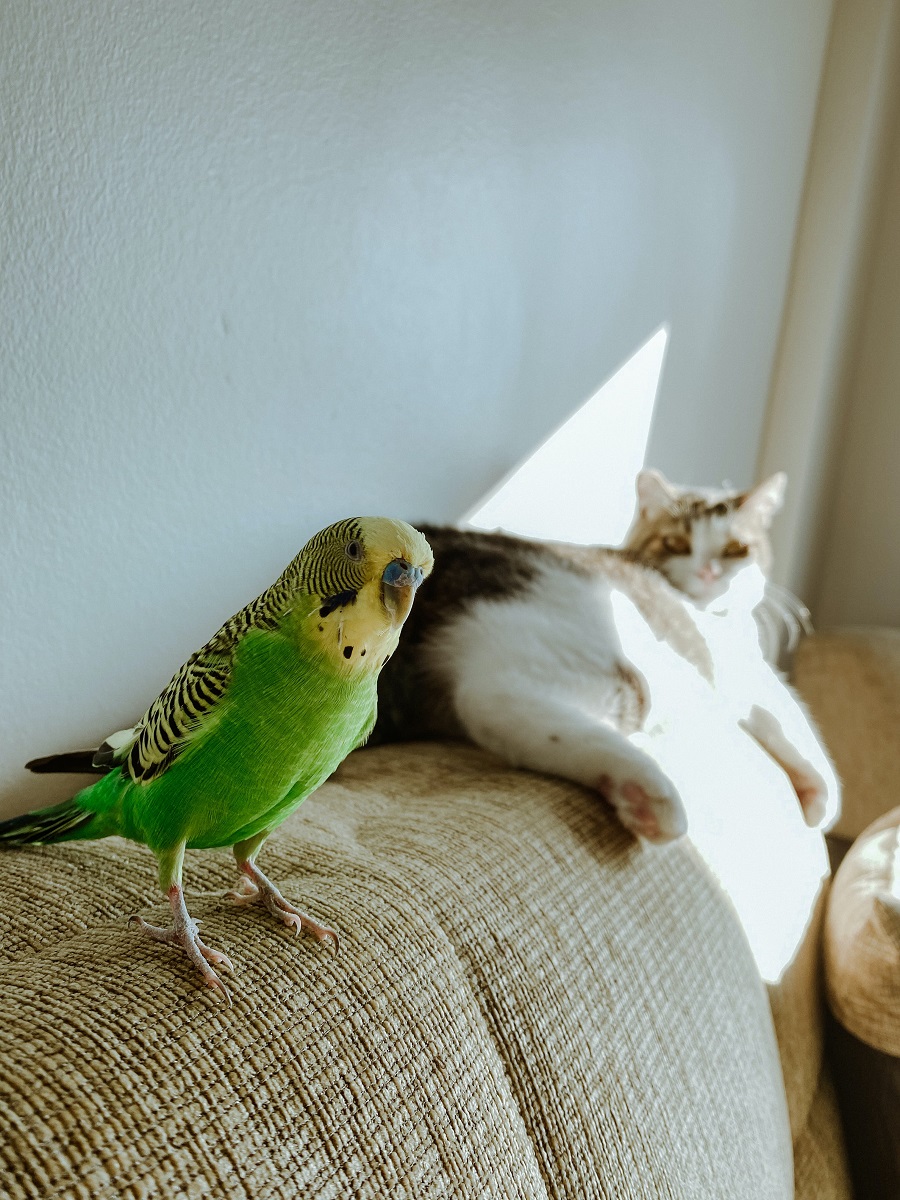
While many pet owners dream of their various animals coexisting peacefully, allowing parrots to interact with other household pets—particularly cats, dogs, ferrets, or even rabbits—is fraught with extreme danger.
- The Predatory Instinct: Even the most docile dog or seemingly indifferent cat possesses inherent predatory instincts that can be triggered by a bird’s sudden movement or flight. A swift swat or bite, even if intended playfully, can inflict severe or fatal injury on a fragile parrot.
- The Microbiological Danger of Mammalian Bites and Scratches: Beyond physical trauma, the mouths and claws of mammals harbor bacteria, most notably Pasteurella multocida from cats and dogs, which are highly pathogenic to birds. A seemingly minor scratch or puncture wound can rapidly lead to a severe, often fatal, systemic infection in a parrot. The infection can spread so quickly that by the time symptoms appear, it may be too late for veterinary intervention. Therefore, maintaining strict separation between parrots and other pets is a non-negotiable aspect of avian safety. Enclosures must be secure, and free-flying time for the parrot should only occur when other pets are confined to a different room.
Proactive Measures and Emergency Preparedness
Creating a safe environment for a parrot is an ongoing commitment that extends beyond initial parrot-proofing.
- Family Awareness and Education: Every member of the household must be fully aware of all safety protocols. A unified approach ensures consistent vigilance and minimizes risks. Regular reminders and discussions can reinforce safe habits.
- Avian Veterinary Care: Establish a relationship with an experienced avian veterinarian before bringing your parrot home. Have their contact information readily accessible, along with directions to their clinic for emergencies. Understand basic parrot emergency care procedures. Regular wellness checks are crucial for early detection of health issues.
- Emergency Kit: Prepare an avian emergency kit that includes items like styptic powder (for bleeding), antiseptic wipes, sterile gauze, tweezers, and a small carrier for transport.
- Continuous Vigilance: Parrot-proofing is not a one-time event. Homes evolve, new items are introduced, and existing items degrade. Regular inspections of the parrot’s environment, cage, and toys are essential.
The Ethical Imperative: A Lifelong Commitment to Avian Well-being
The decision to own a parrot is an ethical commitment to providing a safe, enriching, and healthy life for a creature that can live for decades. The financial and emotional toll of preventable accidents, injuries, or illnesses underscores the importance of proactive safety measures. By understanding the unique needs and vulnerabilities of parrots and diligently implementing comprehensive safety protocols, owners can significantly reduce risks, ensuring their intelligent and beloved companions thrive in their human homes. This dedication to avian well-being not only fosters a stronger bond between parrot and owner but also exemplifies responsible pet ownership, contributing to the long-term health and happiness of these extraordinary birds.

