


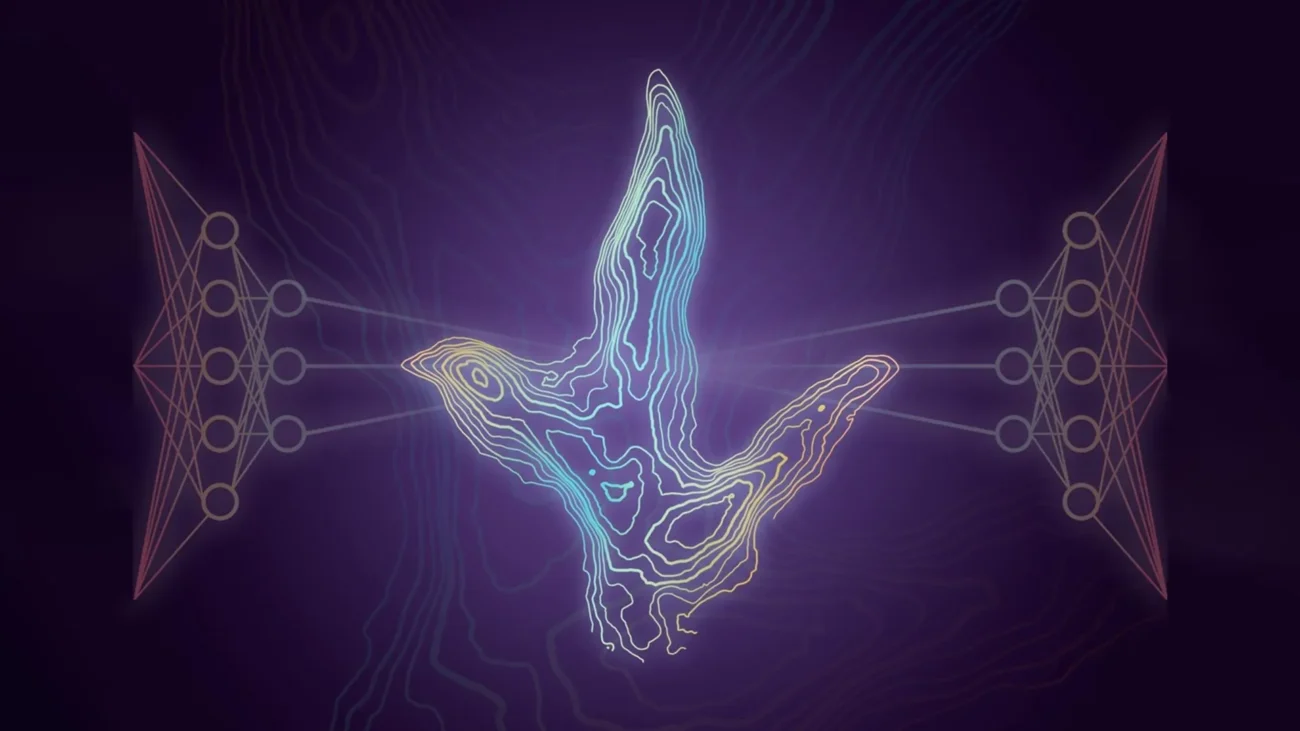
A groundbreaking application powered by artificial intelligence (AI) is transforming the field of paleontology, offering scientists and the public an unprecedented method for identifying dinosaur footprints, according to a recently published study. This innovative technology promises to bring clarity to fossilized tracks that have long presented significant challenges to researchers, potentially reshaping our understanding of dinosaur evolution and behavior.
The Enduring Mystery of Fossilized Tracks
For generations, paleontologists have meticulously studied ancient footprints, engaging in often heated debates about the identities of the creatures that made them. These fossilized impressions, etched into the earth millions of years ago, represent a direct link to a lost world, offering invaluable clues about locomotion, social behavior, and even diet. However, the inherent variability in these tracks, coupled with the geological processes that have altered them over vast timescales, has rendered many of them enigmatic. Were these broad, heavy prints the work of lumbering herbivorous sauropods, or the telltale signs of a swift, bipedal carnivore? Did these peculiar three-toed imprints belong to a known dinosaur species, or perhaps represent an early, enigmatic avian ancestor? These questions have fueled decades of scientific inquiry, often relying on subjective interpretation and extensive, time-consuming comparative analysis.
DinoTracker: From Photograph to Paleontological Revelation
The newly developed DinoTracker app represents a paradigm shift in this analytical process. Now, researchers and amateur dinosaur enthusiasts alike can capture a photograph or even a drawing of a fossilized footprint using a standard mobile phone and receive an immediate, data-driven analysis. The app’s sophisticated AI engine meticulously evaluates the detailed morphology of the track – its shape, size, depth, and any discernible features – to generate an educated estimate of the dinosaur species most likely responsible. This democratizes a complex scientific process, allowing for wider participation and potentially accelerating the pace of discovery.
Fossilized dinosaur footprints are far more than mere curiosities; they are critical archives of prehistoric life. They provide insights into biomechanics, revealing how dinosaurs moved, whether they walked upright or on all fours, and the speed at which they traversed their environments. Furthermore, the arrangement and patterns of tracks can offer glimpses into herd behavior, predator-prey interactions, and even social dynamics within dinosaur communities. The challenge, as previous studies have consistently demonstrated, lies in the inherent unreliability of visual interpretation. Geological processes such as erosion, sedimentation, and subsequent fossilization can significantly distort the original shape of a footprint, making direct comparison with skeletal remains or modern animal tracks a precarious endeavor.
Moving Beyond the Limitations of Traditional Methods
Historically, the identification of dinosaur footprints relied on a manual approach, where researchers meticulously curated and updated computer databases. These databases typically linked specific track morphologies to known dinosaur species based on the best available scientific consensus. While this method served as a cornerstone of paleontological research for decades, it was not without its drawbacks. Experts acknowledge that this manual approach could inadvertently introduce researcher bias, particularly when dealing with ambiguous or disputed track identifications. The subjective nature of interpreting incomplete or distorted fossil evidence meant that different paleontologists might arrive at differing conclusions, leading to ongoing scientific debate and hindering definitive classification.
To overcome these limitations, a collaborative research team, spearheaded by the Helmholtz-Zentrum research centre in Berlin and involving the University of Edinburgh, embarked on developing advanced machine learning algorithms. The core innovation lies in enabling computers to learn independently about the vast spectrum of variations present in dinosaur footprints. This "self-learning" capability allows the AI to discern subtle patterns and deviations that might elude even seasoned human observers.
The AI system was rigorously trained on an extensive dataset comprising nearly 2,000 meticulously documented, real fossil footprints. Crucially, this was augmented by millions of additional simulated examples. These synthetic tracks were not arbitrary; they were specifically designed to mimic the realistic alterations that occur during the preservation process over geological time. This included simulating effects such as compression from overlying sediment, distortion from the movement of surrounding material, and the natural degradation of fossilized surfaces. By exposing the AI to such a diverse and realistic range of variations, it developed a robust understanding of the factors that can influence a footprint’s appearance.
Decoding the Digital Dinosaur’s Data: What the AI Discovers
The sophisticated AI model was engineered to recognize eight key morphological features that collectively distinguish one type of footprint from another. These critical parameters include:
- Digit Spreading: The degree to which the toes splayed outwards, indicating the width of the foot and potentially the dinosaur’s gait.
- Heel Position: The relative placement of the heel impression, whether it was deep, shallow, or absent, providing clues about the foot’s structure and the dinosaur’s posture.
- Surface Area Contact: The total area of the footprint impression, offering insights into the dinosaur’s weight distribution and its ability to move across different terrains.
- Weight Distribution: How the dinosaur’s weight was distributed across the various parts of its foot, inferring pressure points and potential anatomical adaptations.
- Claw Impressions: The presence, size, and shape of claw marks, indicating whether the dinosaur possessed sharp claws and their potential use in locomotion or defense.
- Symmetry and Asymmetry: Deviations from perfect symmetry, which can reveal information about the dinosaur’s stride and any peculiarities in its gait.
- Depth and Relief: The perceived depth of the impression, influenced by the substrate and the force exerted by the dinosaur, offering clues about its size and speed.
- Overall Shape and Outline: The general silhouette of the footprint, a fundamental characteristic used in traditional classification.
Once the AI identifies and quantifies these variations in a new footprint, it compares this data against its vast repository of known fossil examples. This comparative analysis allows the system to predict with a high degree of confidence which dinosaur species most likely created the track.
In rigorous evaluations, the AI algorithm demonstrated remarkable accuracy, achieving classifications that aligned with those made by human experts in approximately 90 percent of cases. This impressive success rate held true even for species that are notoriously difficult to identify based on their fossilized tracks, or those with ongoing scientific debate surrounding their classification. This suggests that the AI’s objective, data-driven approach can overcome some of the inherent subjective challenges faced by human paleontologists.
Unexpected Revelations: Bridging the Gap to Birds
One of the most astonishing discoveries to emerge from the AI’s analysis involved tracks dating back over 200 million years. The system identified striking similarities between certain dinosaur footprints and the foot morphology of both extinct and modern avian species. This observation has profound implications for our understanding of bird evolution.
According to the research team, this finding could suggest that birds, or at least their direct evolutionary precursors, may have emerged tens of millions of years earlier than previously established scientific timelines indicate. The prevailing scientific consensus, based on fossil evidence like Archaeopteryx, places the origin of birds in the Late Jurassic period, around 150 million years ago. If these AI-identified tracks are indeed avian, it pushes this origin back significantly into the Triassic or early Jurassic.
Alternatively, the researchers acknowledge another plausible explanation: that some early dinosaurs, through convergent evolution or sheer coincidence, developed feet that remarkably resembled those of birds. This highlights the complex and often unpredictable pathways of evolutionary development. Further research and independent verification will be crucial to definitively interpret these surprising findings.
Unlocking Mysteries from Scotland’s Isle of Skye
The DinoTracker system has also provided new insights into enigmatic footprints discovered on the Isle of Skye in Scotland, a region renowned for its rich fossil record. These tracks, formed on the muddy margins of a lagoon approximately 170 million years ago during the Middle Jurassic period, have puzzled scientists for decades. Their unique characteristics have made them difficult to attribute to known dinosaur groups.
The AI’s analysis suggests that these perplexing footprints may have been left by some of the earliest known relatives of the hadrosaurs, commonly known as duck-billed dinosaurs. This potential identification would make these Skye tracks among the oldest definitive examples of this significant dinosaur group ever discovered anywhere in the world. The hadrosaurs were a diverse and widespread group of herbivorous dinosaurs that flourished during the Late Cretaceous period, and finding their ancient ancestors in such a location could rewrite aspects of their evolutionary history and biogeography.
Democratizing Paleontology: A Tool for All
The development of this AI-powered technology opens up exciting new avenues for scientific exploration. Researchers believe it will significantly enhance our ability to study the diverse ways dinosaurs lived, moved, and interacted with their environments across the globe. Moreover, it offers the public an unprecedented opportunity to actively participate in fossil research. By using the DinoTracker app, individuals can contribute to the scientific community by analyzing and identifying footprints they encounter, fostering a deeper connection with prehistoric life and potentially leading to unexpected discoveries.
The comprehensive findings of this research were published in the prestigious peer-reviewed journal Proceedings of the National Academy of Sciences (PNAS). The project received substantial funding from a consortium of esteemed institutions, including the innovations pool of the BMBF-Project: Data-X, the Helmholtz project ROCK-IT, the Helmholtz-AI project NorMImag, the National Geographic Society, and the Leverhulme Trust, underscoring the collaborative and well-supported nature of this scientific endeavor.
Dr. Gregor Hartmann of the Helmholtz-Zentrum research centre, a key figure in the project, expressed his enthusiasm: "Our method provides an unbiased way to recognize variation in footprints and test hypotheses about their makers. It’s an excellent tool for research, education, and even fieldwork." His sentiment highlights the dual utility of the technology, serving both as a sophisticated research instrument and an accessible educational resource.
Professor Steve Brusatte, Personal Chair of Palaeontology and Evolution at the University of Edinburgh and a leading expert in the field, lauded the study as a significant advancement. "This study is an exciting contribution for paleontology and an objective, data-driven way to classify dinosaur footprints — something that has stumped experts for over a century," he stated. Professor Brusatte further emphasized the broader implications: "It opens up exciting new possibilities for understanding how these incredible animals lived and moved, and when major groups like birds first evolved. This computer network might have identified the world’s oldest birds, which I think is a fantastic and fruitful use for AI." His perspective underscores the transformative potential of artificial intelligence in unraveling long-standing scientific mysteries and charting new territories in our understanding of life’s history. The DinoTracker app represents a pivotal moment, ushering in a new era of paleontological discovery driven by intelligent technology.

