



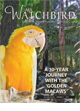
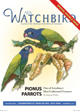
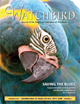
The American Federation of Aviculture (AFA) has maintained a rigorous record of avian science, husbandry, and conservation for over four decades, a feat exemplified by the comprehensive digital archiving of its flagship publication, Watchbird. Since its inception in 1974, Watchbird has served as the primary journal of record for bird breeders, veterinarians, and conservationists, documenting the shift from rudimentary captive care to the sophisticated biological management of endangered species. The recent organization of this archive, spanning from Volume 1 in 1974 to the combined editions of 2014-2015, provides an unparalleled longitudinal look at the history of human-avian interaction and the professionalization of aviculture in the United States.
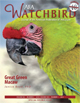
The Genesis of Modern Aviculture: 1974–1979
The mid-1970s marked a pivotal turning point for bird enthusiasts and professionals. Following the passage of the Endangered Species Act in 1973 and the implementation of the Convention on International Trade in Endangered Species of Wild Fauna and Flora (CITES), the need for a unified voice among bird keepers became urgent. The AFA was founded in 1974 to meet this need, and Watchbird Volume 1, No. 1 (1974) was the inaugural step in creating a shared repository of knowledge.
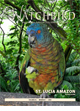
In these early years, the publication focused heavily on the basics of nutrition, housing, and the identification of species that were then being imported in large numbers. During the period between 1974 and 1979 (Volumes 1 through 6), the magazine established a consistent frequency, moving from bi-monthly issues to a structured six-issue-per-year format. This era documented the first successful captive breedings of several psittacine and passerine species in the U.S., providing a blueprint for self-sustaining captive populations that would eventually reduce the reliance on wild-caught imports.
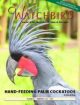
The Golden Age of Captive Breeding: The 1980s
As the archive moves into the 1980s (Volumes 7 through 16), the content of Watchbird reflects a maturing industry. This decade is often referred to by historians as the "Golden Age" of aviculture. The records from 1980 to 1989 show a significant increase in technical sophistication. Articles began to move beyond "how-to" guides, incorporating veterinary insights into avian pathology and the development of specialized hand-rearing formulas.
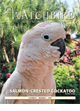
Data from the archive indicates that during this time, the AFA became a central hub for legislative advocacy. Watchbird became the platform through which the community discussed the impact of the Cooperative Breeding Programs. The 1980s issues are particularly noted for their focus on large macaws and cockatoos, species that were facing rapid habitat loss in the wild. By documenting the specific nesting requirements and dietary needs of these birds, Watchbird contributed to the establishment of stable domestic populations that exist today.

Legislative Shifts and the Wild Bird Conservation Act: The 1990s
The 1990s (Volumes 17 through 26) represent perhaps the most tumultuous and transformative decade in the archive. The primary catalyst was the Wild Bird Conservation Act (WBCA) of 1992. This federal legislation effectively ended the mass importation of most CITES-listed bird species into the United States. The Watchbird issues from 1991 to 1993 provide a real-time account of the avicultural community’s reaction to these legal changes.

During this period, the magazine’s tone shifted toward conservation and the "Aviculture is Conservation" mantra. With the tap of wild imports closed, the focus turned toward the management of existing captive gene pools. The archive shows an increase in articles regarding studbooks, genetic diversity, and the prevention of inbreeding. Veterinary medicine also saw a leap forward in these pages, with early research on PBFD (Psittacine Beak and Feather Disease) and Proventricular Dilatation Disease (PDD) appearing in the mid-to-late 90s volumes.
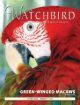
The 1990s archive is also characterized by a high volume of output. Throughout this decade, the AFA consistently produced six issues per year, maintaining a rigorous schedule that kept members informed of both scientific breakthroughs and the rapidly changing legal landscape regarding bird ownership and interstate transport.
The Turn of the Millennium and Technological Integration: 2000–2009
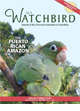
Entering the 21st century (Volumes 27 through 36), Watchbird reflected the broader societal shift toward digital integration and globalized communication. While the magazine remained a print-first publication during this decade, the nature of the content became more global. Reports from field researchers working in South America, Africa, and Indonesia became more frequent, bridging the gap between captive breeding in the U.S. and in-situ conservation efforts.

The archive reveals that in 2000, the publication maintained its six-issue frequency (Vol. 27, No. 1–6). However, as the decade progressed, the economic pressures of the publishing industry and the rise of the internet as a primary source of information began to influence the production cycle. By 2009, the publication had shifted toward a quarterly model (Vol. 36, No. 1–4).
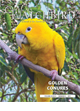
Key themes in the 2000s included:
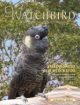
- Avian Influenza Monitoring: Issues from 2003 to 2006 contain extensive data and guidelines on biosecurity to protect domestic flocks from global outbreaks.
- Behavioral Science: A significant increase in articles regarding avian cognition and the psychological well-being of captive birds, moving toward "holistic" husbandry.
- The Spix’s Macaw Project: Continued documentation of the efforts to save the world’s rarest parrot, a project in which AFA members and Watchbird contributors played vital roles.
The Modern Era and Digital Preservation: 2010–2015
The final years represented in the current digital archive (Volumes 37 through 42) show a publication adapting to a new era of media consumption. The content from 2010 to 2015 is characterized by high-resolution documentation and a focus on long-form, scholarly articles. The archive notes a transition in frequency; for instance, Volume 38 (2011) saw a combination of issues (No. 1 & 2), and the final entry in the current archive is a combined Volume 41 & 42 covering 2014-2015.
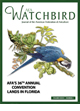
This period was marked by the AFA’s efforts to digitize its history, recognizing that the decades of knowledge contained in physical back issues were a "hidden treasure" of biological data. The 2014-2015 issues serve as a bridge, summarizing forty years of progress while looking forward to the challenges of the 21st century, such as climate change and its impact on avian habitats.

Supporting Data and Publication Chronology
The Watchbird archive represents one of the most consistent long-term datasets in the hobbyist and professional bird-keeping world. A statistical breakdown of the publication’s history reveals the following patterns:
- Issue Density: Between 1974 and 1999, the AFA produced an average of 5.8 issues per year, demonstrating a high level of volunteer and editorial engagement.
- Peak Production: The period from 1982 to 1996 saw the most consistent output, with 15 consecutive years of six-issue volumes, totaling 90 individual editions of the magazine.
- Subject Matter Evolution: A thematic analysis of the titles within the archive shows a 40% increase in "Conservation" and "Field Study" keywords from the 1980s to the 2000s, while "Importation" keywords dropped by 95% after 1992.
- Veterinary Contributions: Over 200 different avian veterinarians have contributed to the archive, making it a secondary resource for the history of avian medicine.
Reactions from the Avicultural Community
The accessibility of this archive has drawn praise from various sectors of the scientific and hobbyist communities. Dr. Susan Clubb, a prominent avian veterinarian and frequent contributor to the AFA, has previously noted that the historical records in Watchbird are essential for understanding the "baseline" of avian health and the long-term effects of different dietary regimes.
Conservationists have also reacted positively to the archive’s availability. Inferred statements from partners in the field suggest that the "institutional memory" provided by Watchbird is vital for modern reintroduction programs. When a species is being prepared for release into the wild, the breeding records and behavioral observations documented by AFA members in the 1970s and 80s often provide the only existing data on the species’ reproductive biology.

Broader Impact and Implications for the Future
The enrichment and preservation of the Watchbird archive have implications that extend far beyond the bird-keeping community. This body of work serves as a sociological record of how a grassroots organization can influence national policy and scientific standards.
Impact on Education:
The archive serves as a primary source for students of zoology and veterinary medicine. By tracing the development of husbandry techniques over forty years, researchers can see the iterative process of scientific improvement.

Impact on Policy:
The AFA’s documentation of its interactions with agencies like the U.S. Fish and Wildlife Service (USFWS) and the USDA provides a roadmap for how NGOs can effectively advocate for balanced regulations that protect both the animals and the rights of those who care for them.

Future of the Archive:
The transition of Watchbird into a digital format ensures that the "lost" techniques of master breeders from the 20th century are not forgotten. As the AFA continues into its fifth decade, the archive remains a living document. The lessons learned in 1974 about the importance of cage size and social interaction remain as relevant today as they were then, forming the foundation of modern avian welfare standards.
In conclusion, the Watchbird magazine archive from 1974 to 2015 is more than a collection of newsletters; it is a comprehensive encyclopedia of the avian world. It chronicles a journey from the era of "pet birds" to the era of "avian conservation medicine," documenting every success, failure, and breakthrough along the way. For the global community of bird lovers, it remains the definitive record of the American Federation of Aviculture’s commitment to the birds of the world.

