


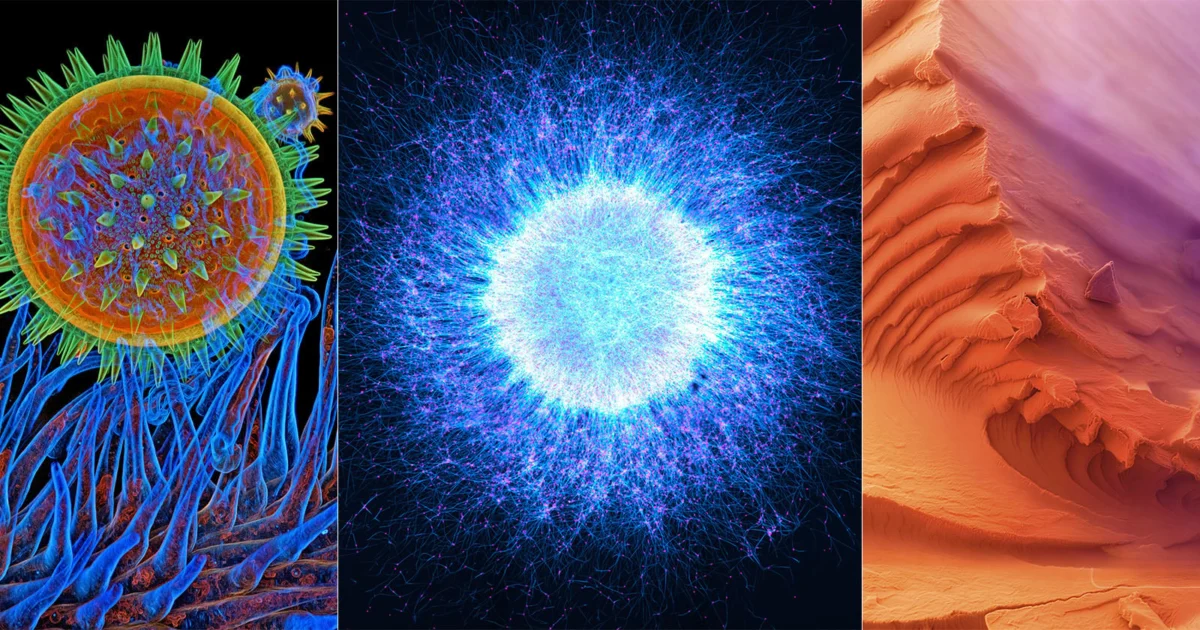
Evident Scientific, a leading innovator in life science and industrial imaging solutions, has officially revealed the winners of its sixth annual Image of the Year (IOTY) Award, a prestigious global competition that recognizes the most exceptional scientific microscopic images from around the world. This year’s contest, which drew entries from 34 different countries, highlights the intricate intersection of artistic beauty and rigorous scientific observation. The winning images serve not only as visually stunning works of art but also as vital windows into the microscopic structures that define biological and material existence.
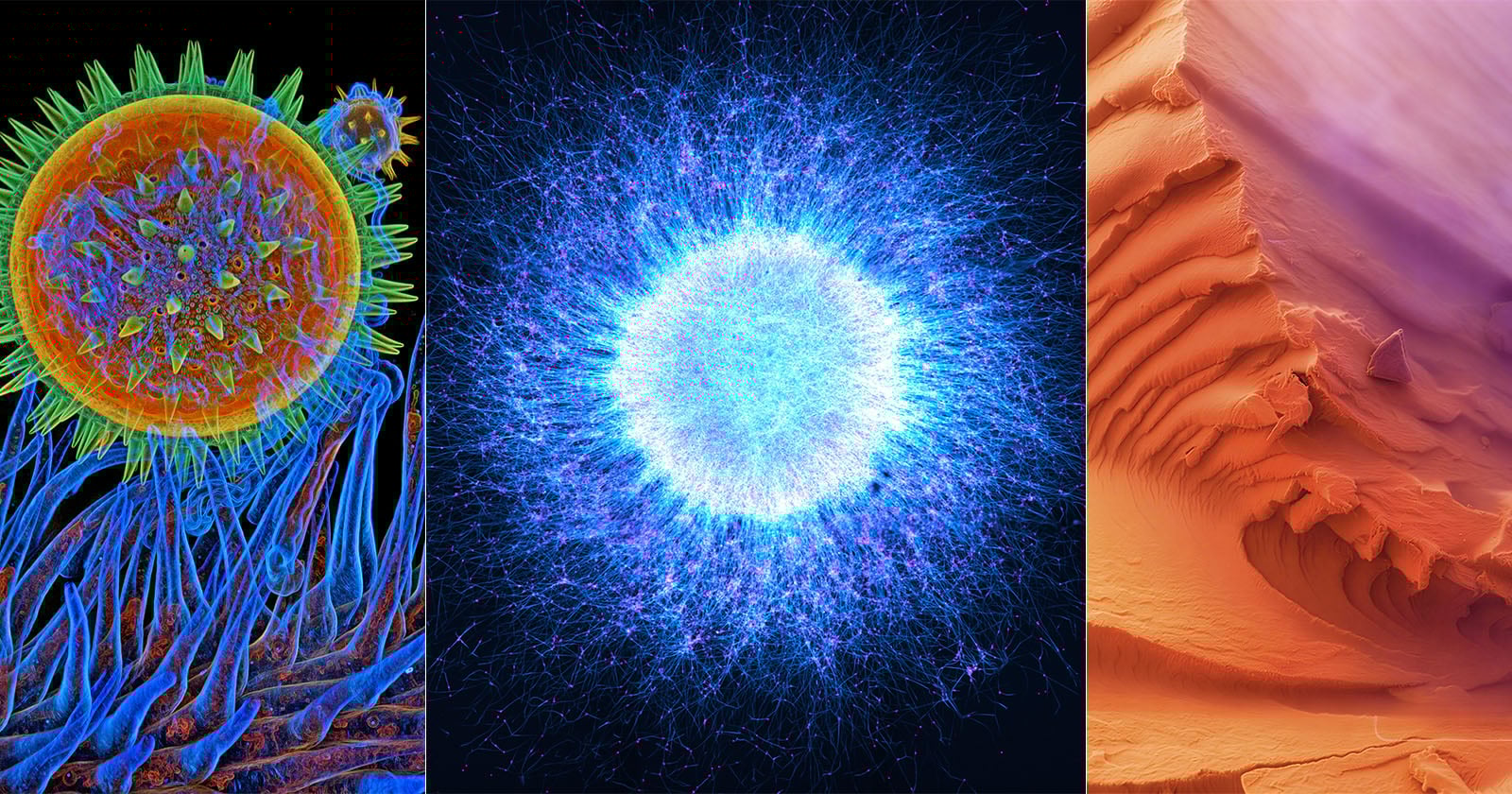
The 2026 competition marks a significant milestone in the evolution of the event, which began as a regional initiative before expanding into a global powerhouse for the scientific community. By showcasing the unseen wonders of the world—from the neural networks of the human brain to the delicate structures of plant pollen—the competition underscores the critical role that advanced imaging technology plays in modern research and discovery.
The Global Winner: Bridging Biology and Astronomy
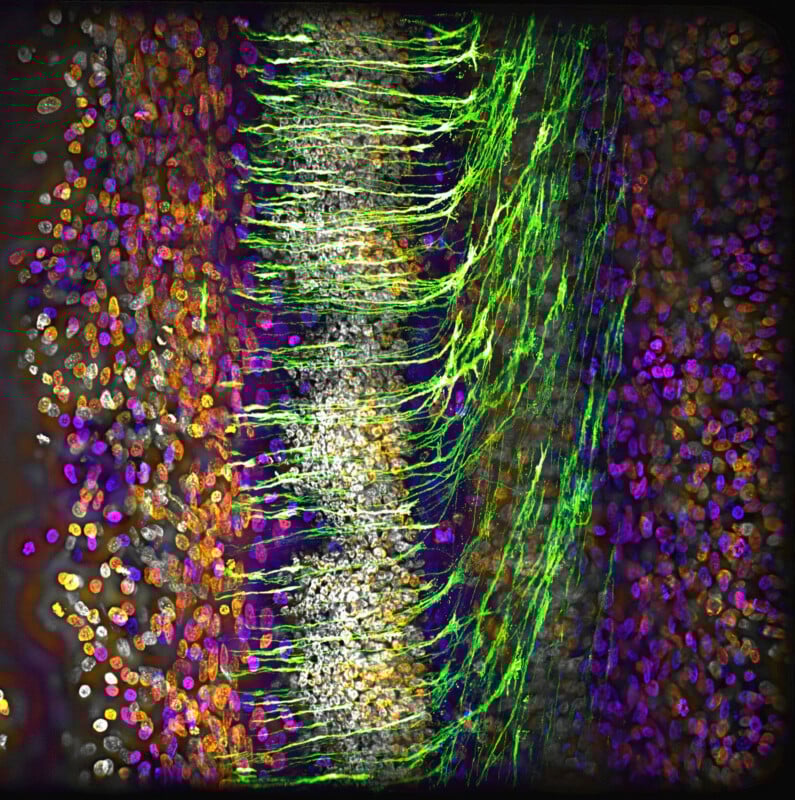
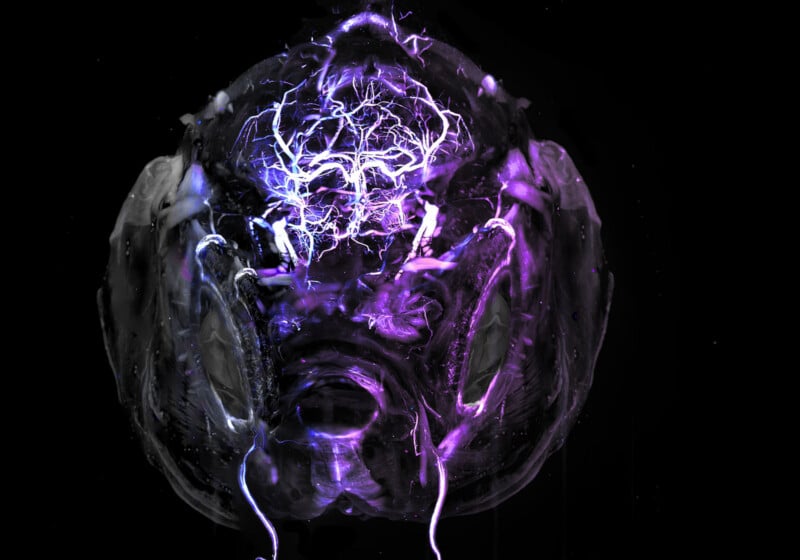
The top honor for the sixth annual competition was awarded to Katie Holden of the United Kingdom for her mesmerizing image titled “Neuronal Cosmos.” The photograph depicts induced pluripotent stem cell-derived neurospheres, which are clusters of neural stem cells used extensively in neurodevelopmental research. These neurospheres comprise neuronal cells that naturally organize into complex, layered architectures resembling the developmental stages of the human brain.
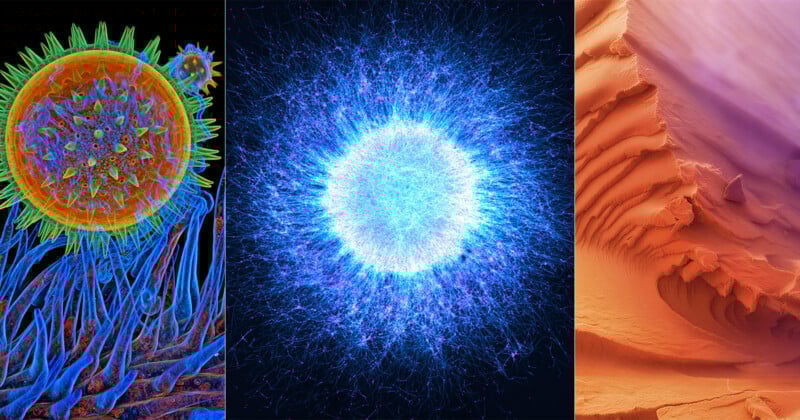
Holden’s image was praised by the judging panel for its dual impact: it provides a high-fidelity representation of a critical biological process while simultaneously evoking the grandeur of deep-space photography. The radiating lines and glowing central clusters of the neurospheres bear a striking resemblance to a nebula or a distant star system, a parallel that Holden herself noted when describing the work.
Beyond its aesthetic appeal, the image represents a significant area of medical science. Neurospheres are essential tools for scientists investigating how genetic mutations or environmental toxins influence brain development. By studying these "mini-brains" in a controlled laboratory setting, researchers can gain insights into neurodegenerative diseases and developmental disorders without the need for invasive procedures. For her achievement, Holden was awarded a suite of high-end imaging equipment, including an Evident SZX7 stereo microscope paired with a DP23 digital camera, or a set of X Line high-performance objectives.

Category and Regional Success: A Global Perspective
The competition also recognized excellence in specific scientific disciplines and geographic regions, reflecting the diverse applications of microscopy in various fields.
Materials Science Winner
Muhammad Tahir Khan from Ireland secured the top prize in the Materials Science category. His winning entry featured a microscopic view of lignin fiber. Lignin is a complex organic polymer found in the support tissues of most plants and is central to the formation of cell walls, particularly in wood and bark. Khan’s image transformed this industrial and biological material into a landscape that resembles glowing, wind-swept desert dunes. The orange and purple hues highlight the textured, layered nature of the fibers, demonstrating how materials science imaging can reveal the hidden structural elegance of everyday substances. Khan received an Evident SZ61 stereo microscope for his contribution.

Regional Winners
The competition divided the world into three primary regions to ensure a broad representation of global talent:
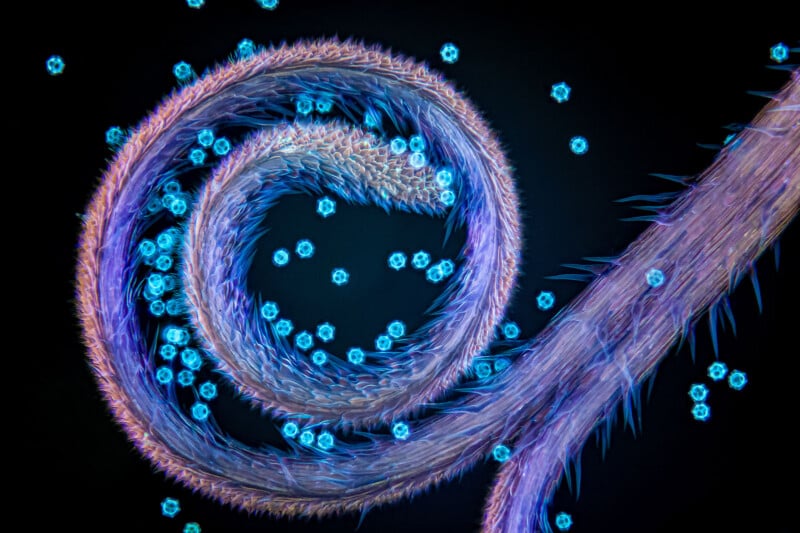
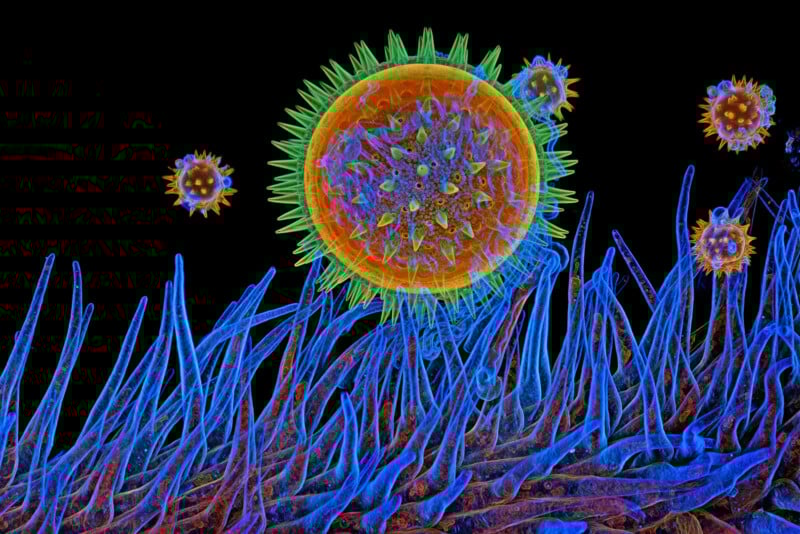
- EMEA (Europe, Middle East, and Africa): Gerd Günther of Germany won the regional prize for a striking image of a chicory stigma adorned with blue, star-like pollen grains. The image captures the delicate mechanics of plant reproduction, showcasing the specialized structures that allow for the transfer and reception of genetic material.
- Americas: Igor Siwanowicz, a recurring name in prestigious imaging competitions, took home the prize for the Americas with his vibrant capture of mallow pollen. Siwanowicz’s work is renowned for its use of color and composition to make complex biological structures accessible and engaging to the general public.
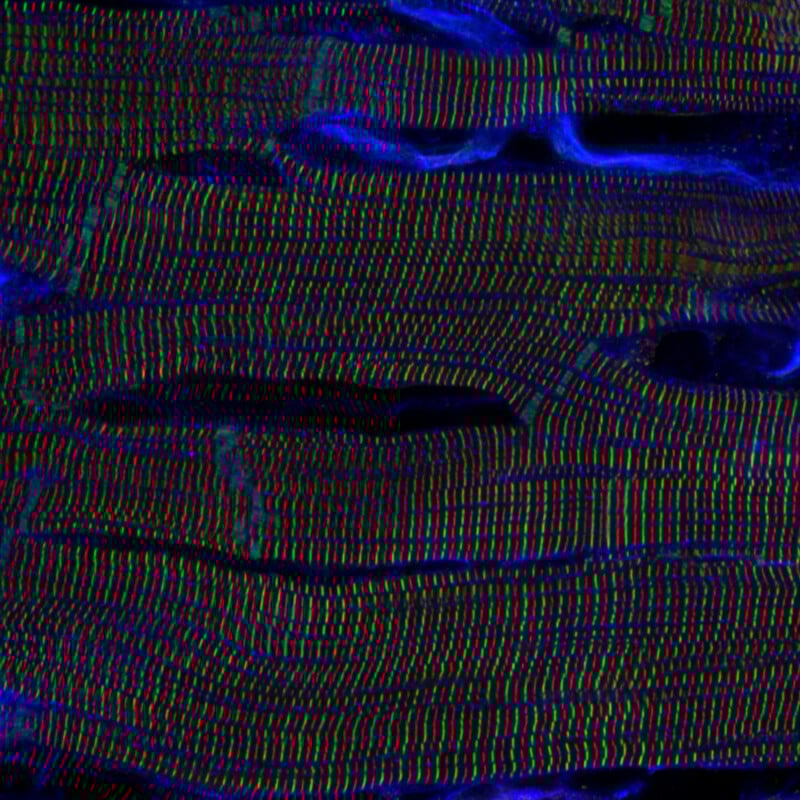
- Asia Pacific: Kentaro Mochizuki of Japan was recognized for his detailed shot of sarcomere structures in a rat heart. Sarcomeres are the fundamental units of muscle contraction, and Mochizuki’s image provides a rare, clear look at the rhythmic, striated patterns that allow the heart to function.
Each regional winner was given the choice between a CX23 upright microscope or an SZ61 stereo microscope, tools that are staples in both educational and professional laboratory environments.
The Evolution of Evident Scientific
To understand the significance of the Image of the Year contest, one must look at the corporate history of the sponsoring organization. While Evident Scientific is a relatively new name in the industry, its roots go back over a century. Evident was formerly the Scientific Solutions Division of Olympus Corporation. In a major corporate restructuring aimed at streamlining operations and focusing on medical endoscopes, Olympus spun off its scientific division into a wholly-owned subsidiary named Evident in April 2022.
Shortly thereafter, the private equity firm Bain Capital acquired Evident, allowing the company to operate with greater autonomy while maintaining the legacy of precision engineering associated with the Olympus brand. This transition occurred alongside the creation of OM Digital Solutions, which took over the Olympus consumer camera and lens business. Despite these changes, the "Olympus" heritage remains visible in Evident’s product line, such as the DP23 digital camera awarded in this year’s contest, which still carries the iconic branding.
This history is relevant to the contest because it represents a commitment to the "democratization" of high-end imaging. By separating from the larger Olympus conglomerate, Evident has been able to focus exclusively on the needs of researchers, clinicians, and industrial inspectors, fostering a community where the "Image of the Year" serves as a celebration of the tools they use daily.
Technical Analysis: The Tools of the Trade
The images produced for this competition are not the result of standard point-and-shoot photography. They require specialized techniques such as confocal microscopy, fluorescence imaging, and differential interference contrast (DIC).
For instance, the "Global Winner" by Katie Holden utilized fluorescence to highlight specific cellular components. In this process, cells are treated with fluorophores—chemicals that emit light when excited by a specific wavelength. This allows scientists to map out the location of proteins, DNA, and other structures with extreme precision.
The prizes awarded to the winners also reflect the high technical standards of the field. The SZX7 stereo microscope is designed for advanced research, offering a high zoom ratio and excellent image clarity that are essential for dissecting or observing small biological samples. The X Line objectives mentioned in the prize list are particularly significant in the world of microscopy; they are engineered to provide simultaneous improvements in three critical areas: numerical aperture (brightness), image flatness, and chromatic aberration correction. Historically, improving one of these factors often meant compromising another, but the X Line series represents a breakthrough in optical manufacturing.
Broader Impact and Scientific Communication
The Image of the Year contest serves a purpose far beyond corporate marketing. In an era where scientific literacy is increasingly important, these images act as a bridge between the laboratory and the public.
“We are deeply inspired by the creativity and technical mastery reflected in this year’s entries,” stated Wes Pringle, CEO of Evident, during the winner announcement. “Each year, this contest celebrates what’s possible when art and science come together to illuminate the unseen.”
This sentiment is echoed by educators and science communicators who use such images to spark interest in STEM (Science, Technology, Engineering, and Mathematics) fields. A high-resolution image of a spider’s face or the internal structure of a heart can captivate a student’s imagination in a way that a textbook diagram cannot. By framing science as something beautiful and awe-inspiring, Evident helps to humanize the work of researchers who often spend years in isolation studying microscopic phenomena.
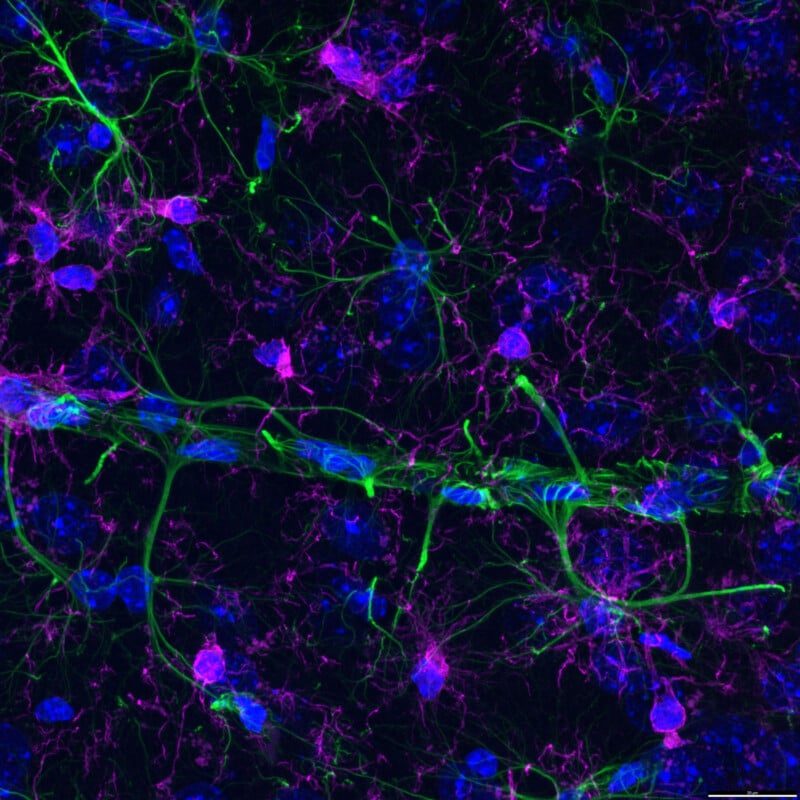
Furthermore, the competition highlights the global nature of scientific collaboration. With winners and honorable mentions hailing from the UK, Ireland, Germany, Japan, the United States, and China, the contest reflects a borderless pursuit of knowledge. The 12 honorable mentions this year included diverse subjects such as the intricate leg of a mosquito, the facial structure of a jumping spider, and the translucent body of a larval crustacean.
Chronology of the Competition
The Sixth Annual Image of the Year contest followed a rigorous timeline that began in late 2025:
- Call for Entries: The submission period opened globally, inviting scientists and hobbyists to submit their best work captured using any brand of light microscope.
- Internal Review: A preliminary panel of Evident applications specialists screened thousands of entries for technical viability and basic adherence to contest rules.
- Expert Judging: An independent jury, composed of international experts from both the scientific and photography communities, evaluated the shortlisted images based on three criteria: artistic and visual aspects, scientific relevance, and microscope proficiency.
- Winner Selection: Regional and category winners were selected through a consensus-building process, culminating in the selection of the Global Winner.
- Public Announcement: The results were published in April 2026, accompanied by a digital gallery showcasing the winners and honorable mentions.
Conclusion: The Future of Microscopic Imaging
As Evident Scientific moves forward under its new corporate structure, the Image of the Year contest remains a cornerstone of its engagement with the global scientific community. The 2026 winners have set a high bar for future participants, demonstrating that as imaging technology improves, so too does our ability to visualize and understand the fundamental building blocks of life.
The transition from the 6.4-megapixel CCD sensors of the past to the ultra-high-resolution CMOS sensors and AI-enhanced imaging of the future suggests that the seventh annual competition will likely push the boundaries even further. For now, the "Neuronal Cosmos" and its fellow winning images stand as a testament to human curiosity and the enduring power of the lens to reveal the hidden majesty of the microscopic world.

