


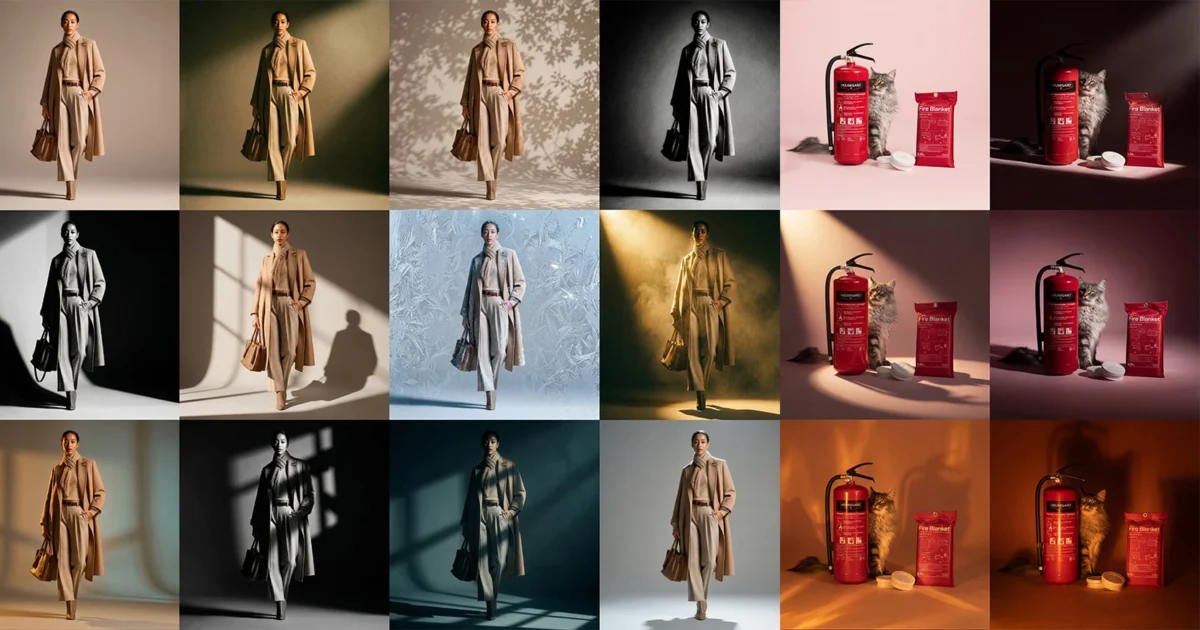
The landscape of professional digital photography is undergoing a significant shift as Stockholm-based startup Vividon announces the early access launch of its proprietary AI relighting plugin for Adobe Photoshop. Designed specifically to address one of the most persistent challenges in the industry—the inability to fundamentally alter lighting after a shutter has been pressed—this new tool represents a pivot toward highly specialized, non-destructive generative AI. By integrating directly into the world’s most widely used image-editing software, Vividon aims to eliminate the need for costly reshoots and the labor-intensive process of manual compositing that has historically defined the limits of post-production.
For decades, the consensus among professional photographers, from commercial fashion shooters to architectural specialists, has been that while skin textures can be smoothed and colors can be graded, "bad light" is a permanent defect. Traditionally, correcting a poorly lit scene meant either a compromise in quality, hours of painstaking digital painting, or the logistical nightmare of a reshoot. Vividon’s entry into the market seeks to commoditize high-end lighting setups, offering a library of over 100 professionally curated presets that simulate complex studio and environmental conditions with a single click.
The Technical Architecture of AI Relighting
The Vividon plugin operates on a fundamental premise of practical utility: it requires no complex text prompting, a departure from the "black box" nature of many generative AI tools like Midjourney or DALL-E. Instead, the software analyzes the geometry and depth of an existing two-dimensional image to apply new light sources that behave realistically across surfaces.
Key to its professional appeal is its non-destructive workflow. Unlike many AI filters that flatten images or overwrite original data, Vividon delivers its results on separate, editable Photoshop layers. This allows retouchers to maintain full control over the output, utilizing standard Photoshop tools such as opacity sliders, blend modes, and layer masks to fine-tune the AI’s contributions. The original "background" layer remains untouched, ensuring that the integrity of the primary capture is preserved.
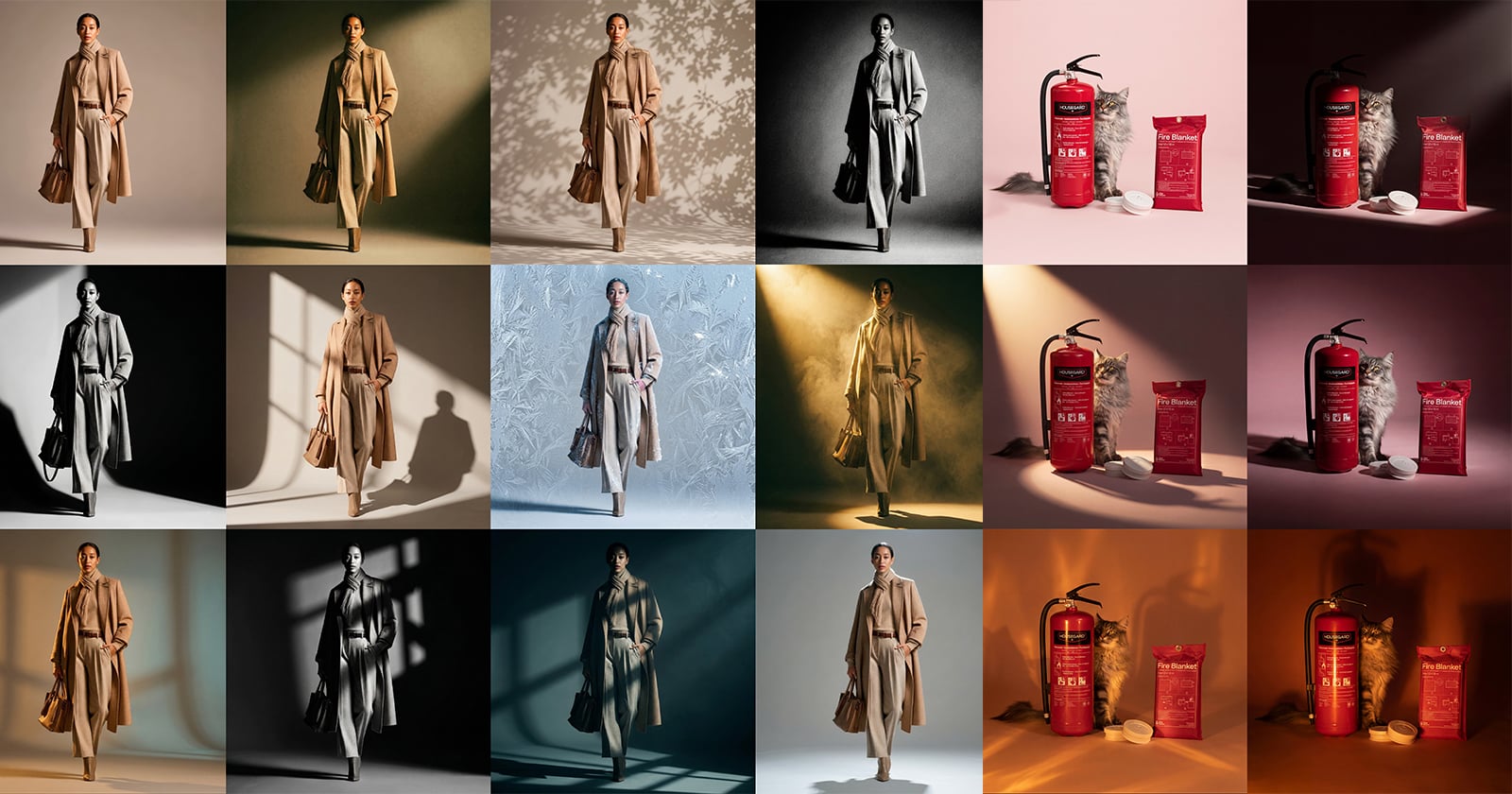
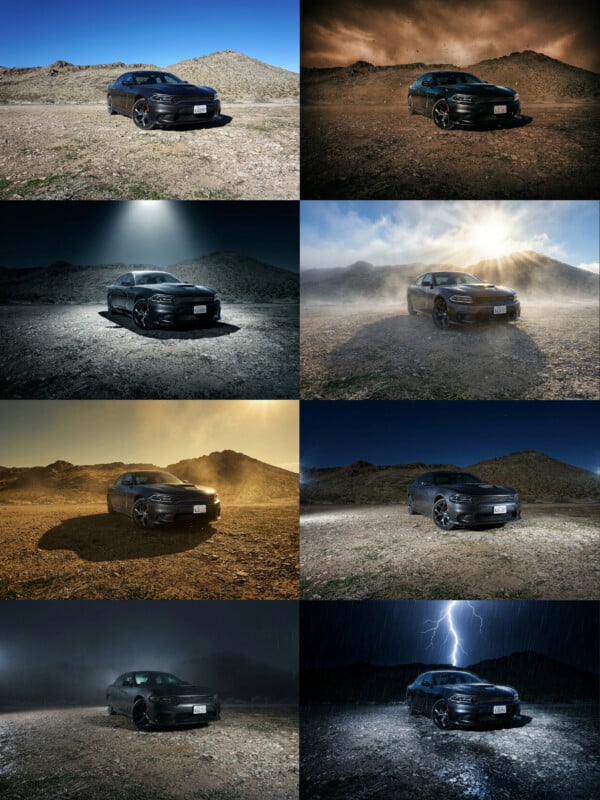
The plugin’s library is categorized by aesthetic intent, featuring styles ranging from "German Expressionist" and "1940s Film Noir" to modern "Cinematic" and "Theater Spotlight" looks. These presets are designed to replicate the work of a professional gaffer—the head of the lighting department on a film or photo set—by calculating how light would naturally fall from specific angles, intensities, and color temperatures.
The Evolution of Post-Production: A Chronology
To understand the impact of Vividon’s launch, it is necessary to view it within the broader timeline of photographic technology. For over a century, lighting was a physical constraint that dictated the schedule and budget of every production.
- The Analog Era (Pre-1990s): Lighting was managed entirely on-set using "hot lights," strobes, and modifiers. Errors in exposure or lighting ratios often resulted in unusable film.
- The Digital Revolution (1990s-2010s): The advent of RAW files and software like Adobe Lightroom allowed for significant recovery of highlights and shadows. However, the direction and quality of light remained fixed.
- The Era of Computational Photography (2010s-2020): Smartphones introduced "Portrait Mode" and basic relighting features, though these often lacked the resolution and nuance required for professional commercial work.
- The Generative AI Pivot (2022-Present): Tools like Adobe Firefly and Generative Fill introduced the ability to add objects or extend backgrounds. Vividon’s launch marks the next phase: the ability to manipulate the fundamental physics of light within a professional desktop environment.
Breaking Down the "Match" and Customization Tools
Perhaps the most significant innovation within the Vividon suite is the "Match" feature. This tool allows photographers to upload a reference image—perhaps a shot from a previous successful campaign or a classic cinematic frame—and extract its specific lighting signature. The AI then applies that signature to the new work, ensuring stylistic consistency across different shoots.
In a commercial context, where brand identity relies heavily on visual continuity, the ability to "copy-paste" lighting geometry across different subjects and environments is a potential game-changer. For photographers who find the presets too restrictive, the plugin also includes custom environment tools. These allow users to build a lighting rig from scratch within the software, positioning virtual lights to achieve a specific highlight or shadow fall-off that may have been missed during the live session.
Economic and Operational Implications for the Creative Industry
The introduction of high-fidelity AI relighting carries profound economic implications for the photography industry. On a typical commercial set, the "lighting setup" can consume more than 50% of the production day. This involves the rental of expensive equipment, the hiring of specialized crew, and the consumption of significant amounts of electricity.
"We got tired of watching great work stay just out of reach," stated Tomas Axelsson, co-founder and CEO of Vividon. "Wrong light. No time. No budget for a reshoot. Our job is to remove that friction and give photographers back the time and budget that lighting has always consumed."
By shifting a portion of the lighting workflow to post-production, studios can potentially reduce on-set time, allowing for more shots per day or smaller crew footprints. Marcus Kurn, Co-founder and Chief Innovation Officer at Vividon, noted that the tool also creates new revenue streams for photographers. "Once you start delivering two or three lighting variations with every final image, your clients will never want to go back," Kurn said. This ability to offer multiple "looks" from a single capture increases the value of the photographer’s deliverable without a linear increase in effort.
User Experience and Current Limitations
Despite the technological leaps, the early access version of Vividon is not without its hurdles. Current users have noted that the plugin does not yet provide a real-time preview of the image before the user commits a "credit" from their subscription plan. This creates a trial-and-error loop that can be costly for those on lower-tier plans.
Furthermore, as with many AI-driven tools, the plugin can occasionally overstep its bounds. In some test cases, applying a dramatic relight preset has been shown to slightly alter the facial expressions of subjects or modify background elements to better fit the "mood" of the lighting. While some users may find these creative flourishes beneficial, the company has acknowledged the need for more granular control. A "lock" or "toggle" feature is reportedly in development to ensure that the AI only affects luminance and color without altering the underlying geometry of the subject.
Pricing Structures and Market Access
Vividon has opted for a credit-based subscription model, a common trend in the AI software-as-a-service (SaaS) industry. To lower the barrier to entry, the company is offering a free tier that includes 30 credits, allowing professionals to test the tool on their own files without financial commitment.
The paid tiers are structured as follows:
- Founding Member Basic: $10 per month for 130 credits.
- Founding Member Pro: Ranging up to $55 per month for 950 credits.
- Add-ons: Separate credit packs are available for high-volume users.
These prices are positioned as "early access" rates, suggesting a potential increase once the plugin moves out of its initial launch phase and into a full version 1.0 release.
Analysis: The Future of Photographic Authenticity
The rise of tools like Vividon prompts a broader discussion about the definition of photography in the 21st century. As the line between "taking a photo" and "rendering a scene" continues to blur, the industry is moving toward a hybrid model where the initial capture serves as a high-resolution "map" upon which an artist can build.

From a journalistic or documentary perspective, these tools may raise concerns regarding the "truth" of an image. However, for the commercial, fashion, and artistic sectors—where the goal is often the creation of a perfected aesthetic—Vividon represents a democratization of expensive production value. It levels the playing field for independent photographers who may not have access to a full lighting crew but possess the creative vision to utilize sophisticated AI tools.
As Vividon continues to refine its algorithms and add features like the expression-toggle, the focus will likely shift to how Adobe responds. With Adobe already integrating its own "Neural Filters" into Photoshop, the competition for the professional retoucher’s toolkit is intensifying. For now, Vividon’s specialized focus on professional-grade relighting gives it a distinct niche in a rapidly crowding market.
The early access period will be a critical phase for the Stockholm startup as it gathers data from a diverse pool of global photographers. The success of the plugin will ultimately depend on its ability to prove that AI-generated light can be indistinguishable from the real thing, even under the scrutiny of the world’s most demanding editors.

