


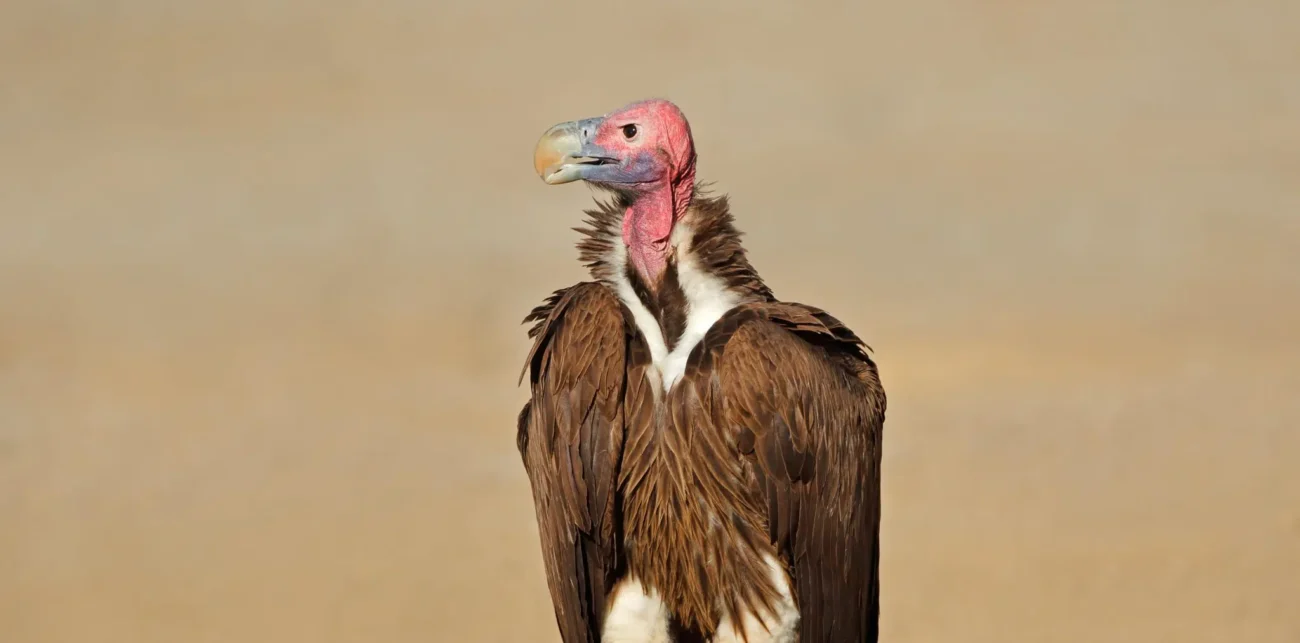
With her work with vultures at the forefront of her experience, BirdLife’s Lovelater Sebele explains why conservation should be inclusive and must not exclude marginalized groups. Birding, at its most vibrant, mirrors a mixed flock – a dynamic assembly of species, each unique in its habits yet united in purpose. This principle of collective strength forms the bedrock of BirdLife International’s ethos, a global partnership celebrating the diverse individuals who contribute their unique perspectives to the vital mission of bird conservation. In this ongoing series, we spotlight these individuals, delving into their experiences and insights.
Vultures: Unsung Heroes of African Ecosystems
Lovelater Sebele, a Senior Vulture Conservation Officer at BirdLife International based in Zimbabwe, operates at the nexus of complex ecological challenges and deeply rooted cultural practices. Her work across southern Africa involves engaging with partners and stakeholders to protect vultures, avian scavengers often misunderstood and underappreciated. "First of all," she remarks with a characteristic smile, "they are not good-looking birds. They are big with bald heads. They spend a lot of time on smelly carcasses. So people do wonder why you would actually want to work with vultures!"

This perception challenge is compounded by a common misconception of African wildlife conservation, which often defaults to charismatic megafauna like elephants, lions, giraffes, and zebras. Even within conservation circles, the critical ecological role of vultures is not always fully recognized. Yet, these birds are indispensable. In southern Africa alone, their ecosystem services—primarily waste disposal and disease prevention—are estimated to be worth a staggering US$1.8 billion annually. This vast economic contribution underscores their vital function in maintaining healthy environments and preventing the spread of pathogens.
Bridging Cultural Divides: Totems, Traditions, and Vulture Lore
Africa’s relationship with nature is profoundly shaped by longstanding cultural connections, notably through the reverence of totems. These often animal or bird depictions foster a sense of kinship and respect, linking people to the natural world. Lovelater highlights how these connections serve as a foundational element for conservation efforts. "Birds have been used by African people to tell seasons," she explains. "They see certain birds and they know the rain is about to come or that it’s going to be a dry year." In this way, birds act as crucial indicators of ecological shifts that directly impact livelihoods.
Beyond seasonal indicators, certain species are woven into the fabric of cultural beliefs and practices. The presence of a specific bird on a rooftop or its call can be interpreted as an omen, sometimes associated with impending death or even witchcraft. This duality can lead to persecution but also, paradoxically, to a degree of protection born from fear. Vultures, unfortunately, are among the species affected by these complex beliefs.

The "Belief-Based" Use of Vultures: A Conservation Conundrum
"One of the things we are working on within the African continent is the ‘belief-based’ use of vultures," Lovelater elaborates. "Because vulture parts are used in both physical and spiritual healing in African culture." This practice, while culturally significant, represents one of the many threats contributing to the Endangered or Critically Endangered status of several vulture species.
Lovelater touches upon a fascinating duality of knowledge, echoing previous discussions on traditional ecological knowledge. "Over generations, Africans have been people that are very observant of their surroundings," she observes. "Generally, they understand that vultures move long distances – they’ve seen it." The traditional explanation that these birds "dream of where carcasses will be found" points to an ancient understanding of their migratory patterns and foraging behaviors. This observation likely informed the belief that vulture heads, integral to their search for food, hold spiritual significance.
The demand for vulture parts in traditional medicine has been directly linked to poaching and illicit trade, a pervasive issue for many species across Africa. Early conservation strategies sometimes aimed at outright eradication of these practices. "There was a time when we thought about completely eradicating the use of vultures," Lovelater recalls, "but we realised that you do not get rid of a culture like that." This realization marked a critical shift towards a more nuanced and inclusive approach.

Towards Inclusive Conservation: Collaboration with Traditional Healers
Recognizing that enforcing a complete ban is impractical and can drive practices underground, Lovelater emphasizes the importance of working with the custodians of these traditions. "We need to work with the custodians of the culture, traditional healers, to find alternatives and reduce the rate of harvesting." This collaborative approach acknowledges that imposing solutions from the outside is often counterproductive. "Forcing it down their throats" can lead to traditional medicine being practiced in secrecy, making it harder for conservationists to monitor and influence.
This echoes historical patterns, such as the colonial-era demonization of indigenous African religions in favor of Christianity and Islam. The resulting cultural shifts have made it challenging to ascertain the true prevalence of traditional medicine usage today. However, indicators, such as a single association in Zimbabwe with 45,000 members, suggest a substantial client base, underscoring the deep integration of these practices into community life.
Lovelater poses a pertinent question: "Are we making a difference with traditional healers?" While definitive answers remain elusive, BirdLife and partner organizations are actively raising awareness and fostering dialogue. "We appreciate that we will never get to a point where there is zero use of these species in medicine, but we are working with traditional healers in cognizance of the culture." This involves identifying and promoting sustainable alternatives that allow traditional healing practices to continue without compromising vulture populations.

Community Engagement: A Cornerstone of Vulture Protection
The impact of these efforts is beginning to be felt. Lovelater reports a positive trend with increased arrests and prosecutions for vulture poaching, a marked improvement from a past where such offenses were often overshadowed by the ivory trade. "Where our Partners have been working, communities are now more in-tune with the criminal offence of killing and harvesting vultures, so are reporting any suspicious activities they witness. Yes, we are making inroads," she affirms.
The common ground for conservationists and communities lies in a shared desire for vulture survival, driven by their intrinsic value and essential ecological roles. Even those who utilize vultures for medicinal purposes understand the dire consequences of their decline. The collapse of ecosystems and the erosion of traditional culture are inextricably linked to the fate of these birds. This understanding fuels the emphasis on local-level engagement, fostering connections that benefit both avian populations and the broader natural world.
Local knowledge has also offered invaluable insights for conservationists. Lovelater shares a personal learning: "For local communities, vultures are valuable because when they lose livestock they have to spend days searching for it. If they are not seeing soaring vultures, they still hope the animal is alive. If they see vultures circling an area, the plan is to investigate what they are looking at – it saves them time they would otherwise spend searching for an already dead." This practical application of vulture behavior highlights their role as indicators of potential loss, saving valuable time and resources for pastoralists.

Communities are actively contributing by identifying and mitigating threats in their landscapes and mapping nesting sites, providing crucial data for conservation efforts. The collective power of conservationists working in partnership with communities is proving to be an irresistible force for positive change.
Addressing Systemic Inequalities: Gender and Race in Conservation
Beyond ecological and cultural considerations, Lovelater addresses the critical issues of gender and race within the conservation sector. While she has personally benefited from strong family support, she acknowledges the pervasive, systemic challenges faced by women and individuals from diverse ethnic backgrounds in the field. "Those kinds of challenges in conservation genuinely exist, and they are mostly systematic. They generally work against women and work against people of different ethnic backgrounds."
In an African context, Lovelater notes a deficiency in behavior-change strategies tailored to the continent’s unique peoples and their ways of life. Generic, "universal" approaches are often applied without adequate consideration for diverse beliefs, social structures, or geographical specificities. "If you try and produce a one-size-fits-all solution, the reality is that it fits no one perfectly," she states.

A Holistic Vision for Nature’s Future
Lovelater’s profound insight is that "Conservation is not just the plants and animals in the space; it has a social and cultural aspect to it." She advocates for a conservation approach that embraces these multifaceted dimensions. By integrating collective knowledge, whether on traditional practices or broader conservation strategies, the aim is to achieve a shared goal: "At the end of the day, our work contributes to the conservation of other species and to the conservation of landscapes."
Her dedication is palpable: "I’m standing in for the voiceless, for organisms that have every right to be here but unfortunately cannot speak for themselves." The growing interest in conservation among people, particularly across Africa, instills hope for the future. Each unique perspective and voice amplifies the global call for nature’s preservation.
The BirdLife Partnership: A Symphony of Global Conservation Efforts
At BirdLife International, the integration of local voices and actions is not merely a strategy but a foundational principle. Across its vast and diverse "mixed flock" of partners worldwide, knowledge, connections, and passion converge to safeguard birds and all life, everywhere. This commitment to inclusivity ensures that conservation efforts are not only effective but also respectful of the rich tapestry of human cultures and the invaluable contributions of every species, no matter how seemingly humble or misunderstood. The work championed by individuals like Lovelater Sebele exemplifies how understanding and embracing diverse perspectives is paramount to securing a thriving future for both wildlife and humanity.

