


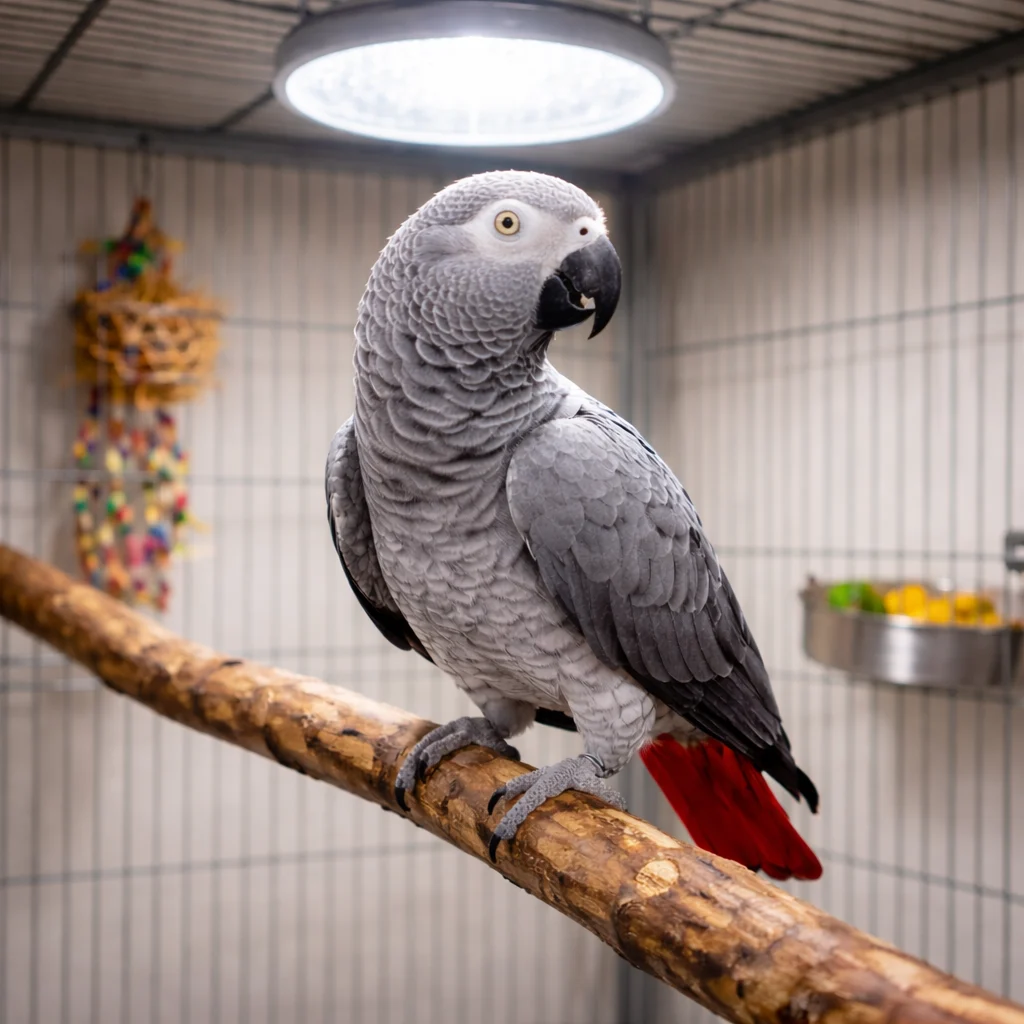
The onset of winter, often accompanied by reduced daylight hours and a forced indoor existence for many companion birds, presents a significant, yet frequently overlooked, health challenge: the insidious progression of calcium deficiency. This condition, directly linked to inadequate exposure to specific wavelengths of ultraviolet B (UVB) light, can silently erode an avian companion’s health, leading to a cascade of physiological and behavioral problems. For birds spending the majority of the colder months indoors without direct sunlight or a specialized UVB light source, symptoms such as a weaker perch grip, increased shredding, dull feathers, diminished activity levels, or heightened irritability are not mere seasonal quirks but critical indicators of a deeper metabolic imbalance that demands immediate attention.
The Biological Imperative of Light: Why Winter Wreaks Havoc
Avian physiology is intricately tied to natural light cycles, a legacy of millions of years of evolution in environments bathed in unfiltered sunlight. In their natural habitats, birds synthesize Vitamin D3 (cholecalciferol) through their skin and preen gland secretions when exposed to UVB radiation. This vital nutrient is then metabolized in the liver and kidneys into its active form, calcitriol, which is indispensable for the absorption of dietary calcium in the intestines. Without adequate Vitamin D3, calcium, no matter how plentiful in a bird’s diet, simply passes through the digestive system unutilized, rendering it effectively absent.
The modern indoor environment starkly contrasts with this natural biological requirement. Standard window glass, even clear panes, effectively filters out almost all UVB radiation. Similarly, most artificial indoor lighting, including incandescent, fluorescent, and LED lamps designed for human comfort, lacks the critical UVB spectrum necessary for Vitamin D3 synthesis. This fundamental disconnect between a bird’s evolutionary needs and its captive environment sets the stage for a chronic deficiency, particularly exacerbated during winter when outdoor access is limited, and natural light levels are inherently lower.
The Silent Erosion: A Chronology of Calcium Depletion
The progression of calcium deficiency in indoor birds often follows a subtle, insidious timeline, making early detection challenging for even vigilant owners. Initially, signs may be minor and easily dismissed:
- Early Stages (Weeks to Months): Owners might observe a slight reduction in perch grip strength, manifesting as minor slips or a less firm hold. Feather quality may subtly decline, appearing duller than usual, and molting cycles might become irregular or prolonged. Behavioral changes can include a slight increase in irritability or a noticeable uptick in non-destructive shredding behaviors, often mistaken for boredom. The bird’s activity level might decrease imperceptibly, with shorter flights or less vigorous play.
- Intermediate Stages (Months): As depletion continues, symptoms become more pronounced. Sliding on perches or a consistently less firm grip becomes more common. Feathers may develop "stress bars"—transverse lines or areas of weakness in the feather vane—indicating periods of nutritional stress during feather growth. The bird might appear more reactive or easily startled, reflecting an excitable nervous system due to electrolyte imbalances. Flight endurance significantly diminishes, and the bird may appear generally less energetic.
- Advanced Stages (Several Months to a Year): At this critical juncture, the body’s compensatory mechanisms begin to fail. Birds will prioritize calcium for essential functions like heart muscle contraction, drawing it directly from their bones. This can lead to severe skeletal demineralization (osteoporosis). Symptoms include noticeable weakness, difficulty maintaining balance, uncoordinated movements, and in severe cases, tremors, muscle spasms, or even seizure-like episodes. Reproductive issues, such as egg binding in hens, are also common due to insufficient calcium for eggshell formation and muscular contractions. The expert note from Diane Burroughs is crucial here: "Birds will pull calcium out of their own bones to keep the heart and muscles functioning. This compensation can continue silently for weeks or months. By the time you see falling, tremors, or seizure-like episodes, bone strength may already be dangerously depleted." This underscores the urgency of early intervention.
Pellets Alone Are Not Enough: The Usability Factor
A common misconception among bird owners is that a diet consisting solely of high-quality pellets, often fortified with calcium, is sufficient to prevent such deficiencies. While pelleted diets represent a significant improvement over traditional seed-only diets, their effectiveness in delivering calcium is entirely contingent on the bird’s ability to absorb it. Without the catalyst of Vitamin D3, the calcium in pellets, cuttlebone, or even calcium-rich vegetables remains largely unusable.
What is truly happening is a biochemical bottleneck. The ingested calcium cannot efficiently cross the intestinal barrier into the bloodstream without active Vitamin D3. Therefore, simply increasing the amount of calcium in the diet without addressing the D3 deficiency is akin to pouring water into a bucket with a hole – the resource is there, but it cannot be retained or utilized. This highlights that winter-related health declines in indoor birds are fundamentally a "light problem" first and foremost, requiring a direct intervention to ensure Vitamin D3 synthesis or direct supplementation.
Expert Verdict: A Quick Diagnostic for Owners
To aid owners in quickly assessing their bird’s risk, avian wellness educator Diane Burroughs provides a succinct diagnostic guide:
| If the bird is… | Expert Verdict |
|---|---|
| Sliding on perches or gripping less firmly | Possible early calcium depletion affecting neuromuscular strength. Evaluate UVB exposure and dietary D3. |
| More irritable, reactive, or shredding excessively | Magnesium and calcium imbalances can heighten nervous system excitability. Assess mineral support. |
| Feathers look dull, stress-barred, or slow to molt | Low vitamin D3 reduces calcium utilization, impacting feather follicle integrity. |
These observations, particularly if appearing or worsening during winter months, serve as critical prompts for action.
Visual Cues: Winter Stable vs. Winter Depleted
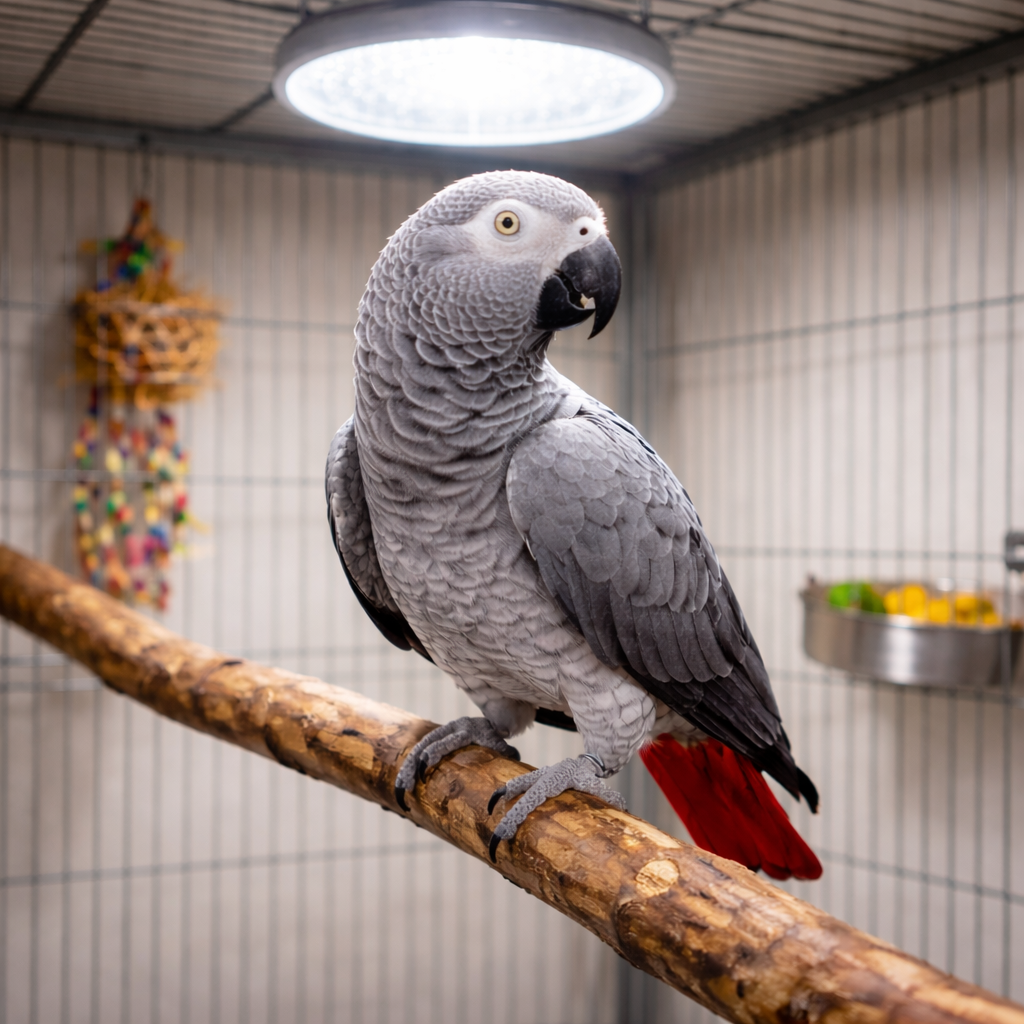
While a single image cannot definitively diagnose a complex nutritional deficiency, visual comparisons can serve as powerful cues for owners to initiate further investigation.
Healthy / Winter Stable – What to Look For:
A bird that is robust and stable throughout winter typically exhibits alert posture, bright and clear eyes, smooth and vibrant feathers, and maintains an upright, confident stance on perches or hands. Its movements are fluid and strong, reflecting healthy muscle tone and bone integrity. Energy levels remain consistent with its normal baseline, and behavior is generally calm and predictable.
Calcium Depleted – What to Look For:
In contrast, a bird suffering from calcium depletion may display a slouched or hunched posture, dull or slightly squinted eyes, and feathers that appear ruffled, dull, or even discolored. Its stance on a perch or hand might be less stable, indicating weaker grip and balance. Movements may seem hesitant or less coordinated, and the bird might appear lethargic or unusually subdued. These visual cues, especially when combined with behavioral changes, should trigger an immediate review of the bird’s lighting and nutritional regimen.
The 3-Step Winter Bone Reset: A Proactive Approach
Addressing and preventing winter-induced calcium deficiency requires a comprehensive strategy focusing on the root cause. Based on the principles outlined, a "Winter Bone Reset" involves three key interventions:
-
Optimize UVB Light Exposure: This is the cornerstone of prevention.
- Proper Lighting Fixtures: Invest in a high-quality, bird-specific UVB lamp. These are distinct from standard "full-spectrum" lights, which often lack the critical UVB wavelength. Look for lamps specifically designed for reptiles or birds that emit UVB at 290-320 nanometers.
- Correct Placement: Position the UVB lamp directly above the cage, ensuring no glass or plastic barriers are between the lamp and the bird. The distance is crucial; manufacturers provide guidelines, but typically 12-18 inches (30-45 cm) is recommended, allowing the bird to bask without overheating.
- Daily Exposure: Provide 10-12 hours of daily UVB exposure, mimicking natural daylight cycles.
- Regular Replacement: UVB bulbs degrade over time, losing their UV output long before they burn out. Most require replacement every 6-12 months, even if still illuminating, to maintain effective UVB levels.
-
Ensure Bioavailable Vitamin D3 Support:
- Dietary Supplements: For birds with limited UVB access or confirmed deficiency, a veterinarian-approved Vitamin D3 supplement may be necessary. These are often added to drinking water or food. Caution is paramount: excessive Vitamin D3 can be toxic, leading to hypercalcemia and organ damage. Always consult an avian veterinarian for appropriate dosage and product selection.
- Consider Outdoor Access: When weather permits, supervised outdoor time in a secure, predator-proof cage, allowing direct exposure to natural sunlight, is an excellent natural source of UVB.
-
Review and Balance Dietary Calcium and Magnesium:

- Pelleted Diets as a Base: Continue feeding a high-quality pelleted diet, which provides a balanced foundation of vitamins and minerals, including calcium.
- Calcium-Rich Foods: Supplement with calcium-rich vegetables like dark leafy greens (kale, spinach in moderation due to oxalates, collard greens), broccoli, and fortified cereals.
- Magnesium Balance: Magnesium is crucial for calcium metabolism and nerve function. Ensure the diet includes sources of magnesium, often found in seeds, nuts (in moderation), and some vegetables. Imbalances in magnesium can exacerbate nervous system excitability.
- Avoid Over-Supplementation: Unless directed by an avian vet, avoid adding excessive calcium supplements to the diet without addressing the Vitamin D3 component, as this can lead to other metabolic issues.
When to Call the Vet: Recognizing Red Flags
While proactive measures are vital, recognizing when a bird’s condition warrants professional veterinary attention is critical. Birds are masters at masking illness, and by the time overt symptoms appear, the underlying problem may be advanced.
Quick Decision Guide:
- Mild symptoms (e.g., slight dullness, minor irritability, occasional slips) that persist despite environmental adjustments: Schedule a non-urgent vet visit for assessment and baseline testing.
- Progressing symptoms (e.g., consistent weaker grip, obvious stress bars, significant lethargy): Seek veterinary advice promptly.
- Severe symptoms (e.g., falling, tremors, seizures, paralysis, inability to perch): This constitutes an emergency. Contact an avian veterinarian immediately.
Specific Red Flags to Watch For:
- Neurological Signs: Any form of tremors, head bobbing, disorientation, seizures, or loss of balance. These indicate severe neuromuscular compromise and are medical emergencies.
- Locomotor Issues: Inability to perch, repeated falling from perches, lameness, or difficulty using legs or wings.
- Reproductive Problems: For female birds, signs of egg binding (straining, lethargy, distended abdomen) are often linked to calcium deficiency and require immediate veterinary intervention.
- Behavioral Extremes: Sudden, severe aggression, profound lethargy, or self-mutilation (beyond normal shredding) could signal underlying physiological distress.
- Persistent Dullness or Poor Feather Quality: While subtle, if feather issues persist despite good diet and hygiene, it warrants investigation.
An avian veterinarian can perform diagnostic tests such as blood work to assess calcium, phosphorus, and Vitamin D3 levels, and potentially X-rays to evaluate bone density. Early diagnosis allows for targeted treatment, which may include injectable calcium, specific Vitamin D3 formulations, and comprehensive dietary and environmental modifications.
Broader Implications and Responsible Avian Stewardship
The issue of winter-induced calcium deficiency extends beyond individual bird health, touching upon the broader ethical responsibilities of companion animal ownership. As pet bird ownership continues to grow, so does the imperative for owners to understand and replicate their pets’ fundamental biological needs. Chronic deficiencies not only lead to suffering for the animal but also incur significant emotional and financial burdens for owners facing advanced medical treatments.
By implementing proper UVB lighting, ensuring adequate Vitamin D3 support, and maintaining a balanced diet year-round, owners can proactively safeguard their birds’ bone health, neuromuscular function, and overall well-being. This preventative approach transforms the challenges of winter into an opportunity for enhanced avian stewardship, ensuring that indoor birds thrive with the vitality they deserve. The shift from treating symptoms to addressing the root cause – a lack of bioavailable calcium due to insufficient light – is fundamental to ensuring a long, healthy, and vibrant life for these remarkable companions.
Other Helpful Resources:
- Do Birds Need UVB Light Indoors? (Further details on specific lighting solutions)
- Signs of Low Calcium in Parrots (Comprehensive guide to recognizing deficiency)
References:
(Original references were empty, so this section is kept as a placeholder in line with journalistic standards, assuming references would be provided in a full academic article.)
Meet Diane Burroughs, LCSW – licensed psychotherapist and avian wellness educator. With decades of behavior and nutrition experience, she helps bird owners understand what their birds’ bodies are actually doing – and what to do next.

