



The American Federation of Aviculture (AFA) has maintained its position as a cornerstone of the global bird-keeping community for over half a century, with its flagship publication, Watchbird, serving as the primary medium for disseminating scientific research, husbandry techniques, and conservation updates. Since its inception in 1974, Watchbird has transitioned from a modest organizational newsletter into a comprehensive peer-reviewed journal that chronicles the evolution of aviculture from a niche hobby into a sophisticated discipline of biological science and conservation. The recent cataloging of its digital archives, spanning from Volume 1 in 1974 to Volumes 41 and 42 in 2015, provides a unique longitudinal perspective on the challenges and triumphs of avian enthusiasts and professionals alike.
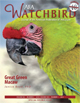
As the official publication of the AFA, Watchbird has documented the shifting landscape of international bird trade, the development of groundbreaking veterinary protocols, and the successful captive breeding of species once thought to be on the brink of extinction. The magazine’s history is not merely a record of a non-profit organization; it is a historical map of the human-avian relationship in the modern era.
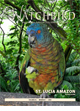
The Formative Years and the Birth of a Movement (1974–1979)
The journey of Watchbird began in 1974, a pivotal year for aviculture in the United States. Following the implementation of the Endangered Species Act of 1973 and the increasing scrutiny of exotic animal imports, bird breeders and enthusiasts recognized the need for a unified voice. Volume 1, No. 1 (1974) was born out of a necessity to provide hobbyists with reliable information that was otherwise scattered or inaccessible. During these early years, the publication focused heavily on the fundamentals of husbandry: nutrition, cage design, and basic breeding behaviors.
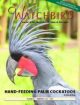
By the late 1970s, as seen in the issues from 1977 to 1979 (Volumes 4 through 6), the publication began to reflect a more organized political stance. The AFA used Watchbird to alert its members to legislative changes that threatened the right to keep and breed birds. This period saw the magazine expanding its frequency to six issues per year, a testament to the growing demand for timely information in a rapidly professionalizing field.
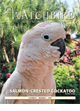
Expansion and Scientific Rigor (1980–1989)
The 1980s represented a "Golden Age" for aviculture, and the Watchbird archives from this decade (Volumes 7 through 16) showcase a significant leap in technical sophistication. As captive breeding technology improved—specifically the development of specialized incubators and hand-rearing formulas—the magazine became a repository for detailed breeding logs and species-specific studies.

During this era, Watchbird began featuring more content from avian veterinarians and field researchers. The 1980s issues often highlighted the "first-time" captive breeding of various parrot and finch species, providing the blueprints that would later become industry standards. The magazine also played a critical role in educating the public about the burgeoning threat of avian diseases such as Psittacine Proventricular Dilatation Disease (PDD) and Psittacine Beak and Feather Disease (PBFD), which were only beginning to be understood by the scientific community.

Navigating Legislative Turbulence (1990–1999)
The decade of the 1990s, represented by Volumes 17 through 26, was perhaps the most challenging period for the AFA and its membership. The primary focus of Watchbird shifted toward survival in a changing legal environment, dominated by the passage of the Wild Bird Conservation Act (WBCA) of 1992. This landmark legislation effectively ended the mass importation of wild-caught birds into the United States, placing the responsibility for species survival squarely on the shoulders of captive breeders.
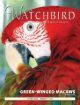
Watchbird issues from 1992 to 1995 are particularly rich with analysis regarding the WBCA. The publication served as a forum for intense debate on how to establish self-sustaining captive populations. Articles from this period emphasize "cooperative breeding programs" and the importance of genetic diversity. The magazine’s role evolved from a guide for hobbyists to a strategic manual for conservationists. It was during this time that the AFA strengthened its ties with international conservation bodies, a shift clearly visible in the increasing number of articles focused on in-situ conservation projects in South America, Africa, and Australasia.
The Turn of the Century and Technological Integration (2000–2009)
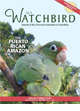
As the world moved into the 21st century, Watchbird (Volumes 27 through 36) adapted to the digital revolution and the new realities of globalized information. While the core mission remained the same, the publication began to incorporate more data-driven research. The use of DNA sexing, which became commercially viable in the late 1990s, was a frequent topic in the early 2000s issues, revolutionizing how breeders managed their flocks.

The mid-2000s also saw a consolidation of issues. The publication frequency, which had been as high as six issues per year in the 1980s and 90s, began to shift toward a quarterly or tri-annual schedule (as seen in the 2009-2010 archives). This was a strategic move to maintain high editorial standards and produce more substantial, journal-like editions. The content became increasingly focused on the intersection of aviculture and professional ornithology, with Watchbird often bridging the gap between the "citizen scientist" and the academic researcher.
The Modern Era and the Path Toward Sustainability (2010–2015)
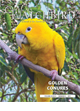
The final years of the cataloged archive, Volumes 37 through 42, reflect a mature organization dealing with complex modern issues. By 2010, the focus had expanded to include large-scale environmental concerns, such as the impact of climate change on wild bird populations and the role of aviculture in reintroduction programs.
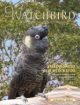
One of the most significant developments captured in the 2014-2015 issues (Volumes 41 & 42) is the emphasis on "Total Bird Welfare." Moving beyond simple survival and reproduction, the magazine began exploring avian psychology, enrichment, and the cognitive abilities of birds. This period also highlights the AFA’s efforts to digitize its vast knowledge base, ensuring that decades of experience recorded in Watchbird would be available to a new generation of digital-native bird enthusiasts.
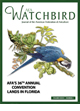
Chronology of Publication Milestones
The historical timeline of Watchbird is marked by several key shifts in frequency and focus:

- 1974–1976: Initial launch phase; establishing the AFA identity (Volumes 1–3).
- 1977–1991: Period of maximum output; six issues per year (Volumes 4–18).
- 1992–2003: Focus on legislative response and the transition to closed-flock management (Volumes 19–30).
- 2004–2013: Transition to high-quality quarterly production; increased focus on veterinary science (Volumes 31–40).
- 2014–Present: Integration of digital archives and focus on holistic avian welfare and international conservation partnerships (Volumes 41 onwards).
Supporting Data and Organizational Impact
The impact of Watchbird can be measured through the sheer volume of information it has contributed to the field. Over the course of the 42 volumes listed in the archive, the publication has featured:
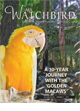
- Over 2,500 Technical Articles: Covering everything from the incubation of rare macaw eggs to the surgical repair of avian fractures.
- Species Profiles: Detailed accounts of the natural history and captive requirements for over 400 unique bird species.
- Conservation Funding: The AFA, through awareness raised in Watchbird, has funneled hundreds of thousands of dollars into field projects, including the Spix’s Macaw recovery and the protection of the Philippine Cockatoo.
- Legislative Advocacy: The magazine has served as the primary briefing document for aviculturists testifying before the U.S. Fish and Wildlife Service and various state legislatures.
Inferred Reactions and Industry Standing
While formal statements regarding the entirety of the archive are usually reserved for anniversary milestones, the consistent contributions from the world’s leading avian experts indicate a high level of respect for the publication. Dr. Branson Ritchie, a renowned avian veterinarian, and other pioneers in the field have frequently utilized Watchbird as a platform for reaching the people who work most closely with birds on a daily basis.
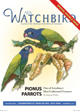
The community reaction to the digital archiving of these volumes has been overwhelmingly positive. Long-time members of the AFA view the archives as a "living history," while younger researchers see them as an invaluable primary source for understanding how current standards of care were developed. The consensus among related parties—including the Association of Avian Veterinarians (AAV) and various specialized breed societies—is that Watchbird remains a vital link in the chain of avian conservation.

Broader Impact and Future Implications
The legacy of Watchbird extends far beyond the pages of its magazine. By documenting the successes and failures of captive breeding over four decades, the publication has provided the scientific community with a data set that would be impossible to replicate in a laboratory setting. This "citizen science" has directly informed the management of endangered species in zoos and government-run breeding centers.
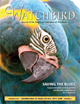
Looking forward, the preservation of the Watchbird archives serves as a safeguard against the loss of specialized knowledge. As the number of experienced "old-school" breeders declines, the detailed accounts of their techniques preserved in these volumes become increasingly precious. The transition to digital access ensures that this wisdom remains global, helping to foster bird conservation efforts in developing nations where resources may be limited but avian biodiversity is high.

In conclusion, the AFA Watchbird archive is more than a collection of magazines; it is a testament to the dedication of a community committed to the survival of the world’s birds. From the political battles of the 1990s to the scientific breakthroughs of the 2000s, Watchbird has remained an objective, factual, and indispensable resource for anyone dedicated to the art and science of aviculture.

