


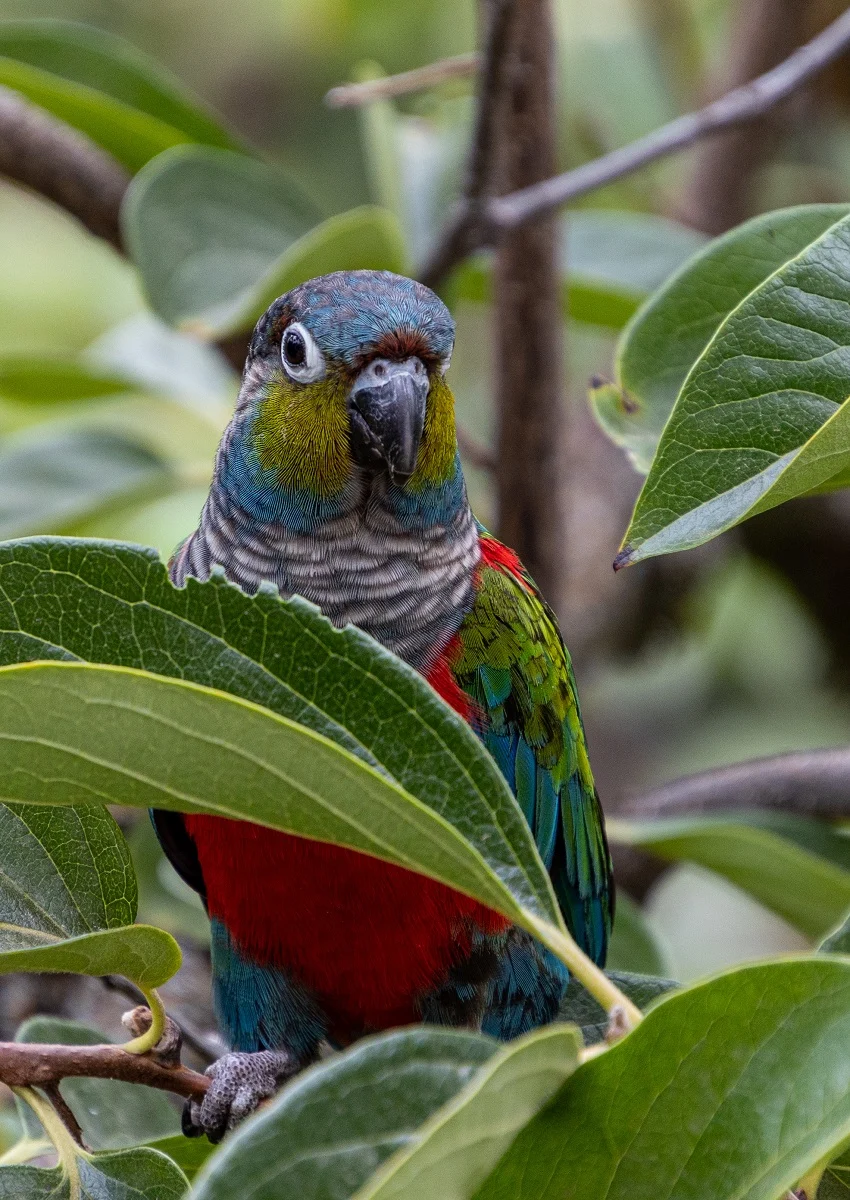
The crimson-bellied conure (Pyrrhura perlata), a small parrot species renowned for its striking coloration and engaging personality, has captured the attention of both aviculturists and conservationists. Often described as clownish yet deeply friendly, this avian marvel presents a unique blend of visual splendor and interactive charm, making it a popular choice for experienced parrot enthusiasts who appreciate its lively demeanor and commitment. However, prospective owners must undertake thorough research, understanding the species’ complex needs, natural history, and the responsibilities inherent in providing decades of dedicated care. This comprehensive overview delves into the origins, ecological role, and specific requirements for the welfare of the crimson-bellied conure, both in its native habitat and within a domestic setting.
Taxonomy and Natural History
The crimson-bellied conure, also known colloquially as the crimson-bellied parakeet, belongs to the genus Pyrrhura, a diverse group of small to medium-sized parrots native to South and Central America. The scientific name, Pyrrhura perlata, aptly reflects its vibrant plumage. This species is naturally distributed across central South America, primarily within the vast Brazilian Amazon Basin, particularly concentrated in the state of Rondônia. Its range also extends into northern Bolivia, occupying lush rainforest environments that are largely immune to seasonal flooding, a type of habitat known as terra firme forest. These conures exhibit remarkable adaptability within their preferred ecosystem, thriving in dense primary forests, along forest edges, and even in secondary growth forests, indicating a degree of resilience to habitat alteration.
In their natural environment, crimson-bellied conures are highly social birds, typically observed traveling in small, cohesive flocks. This communal behavior is characteristic of many parrot species, facilitating foraging, predator vigilance, and social bonding. They are occasionally seen co-mingling with other conure species, such as the painted conure (Pyrrhura picta), showcasing interspecies tolerance within shared foraging grounds. For nesting, these birds rely on natural tree hollows, utilizing cavities in mature trees for breeding and raising their young, a critical aspect of their reproductive cycle that underscores the importance of intact forest ecosystems.
Conservation Status and Threats
Despite its widespread distribution, the crimson-bellied conure faces growing ecological pressures. The International Union for Conservation of Nature (IUCN) Red List currently classifies Pyrrhura perlata as a species of "Least Concern." However, this classification is accompanied by a crucial caveat: the wild population is noted to be on the decrease. The primary drivers behind this decline are extensive deforestation and, to a lesser extent, hunting. The Brazilian Amazon, the heart of the conure’s range, is experiencing unprecedented rates of habitat loss due to agricultural expansion, logging, mining, and infrastructure development. These activities fragment and degrade the terra firme forests that are vital for the species’ survival, impacting their foraging grounds, nesting sites, and overall population viability. While not yet considered endangered, the downward trend in population size serves as a critical warning, emphasizing the need for continued monitoring and conservation initiatives to prevent further decline and potential escalation of its threat status.
Distinctive Appearance
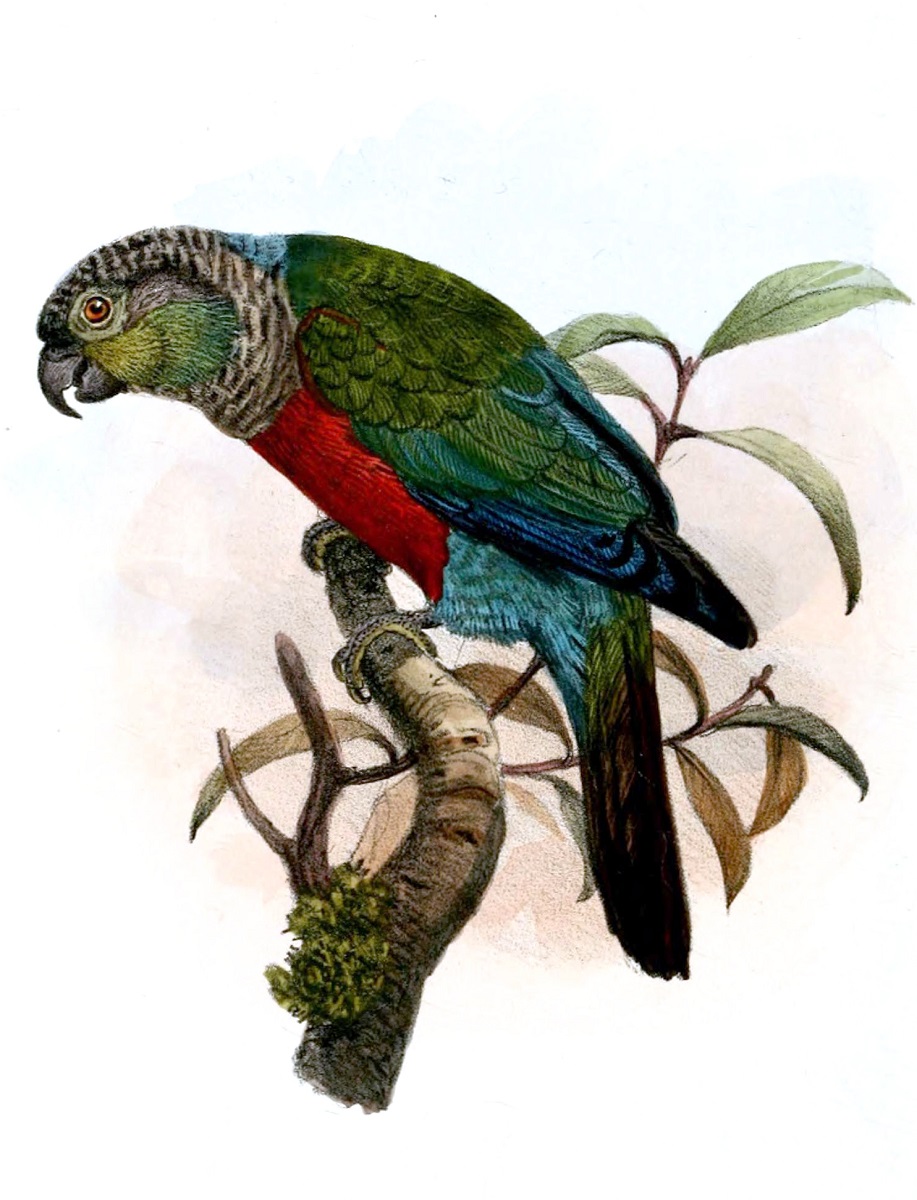
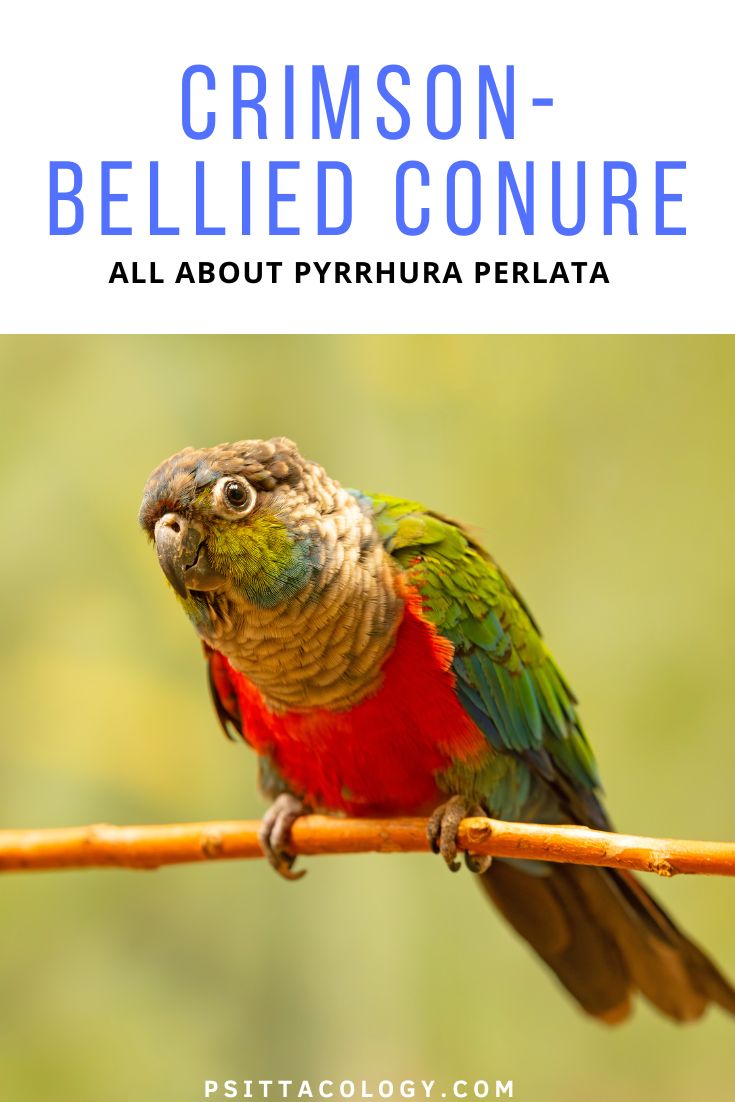
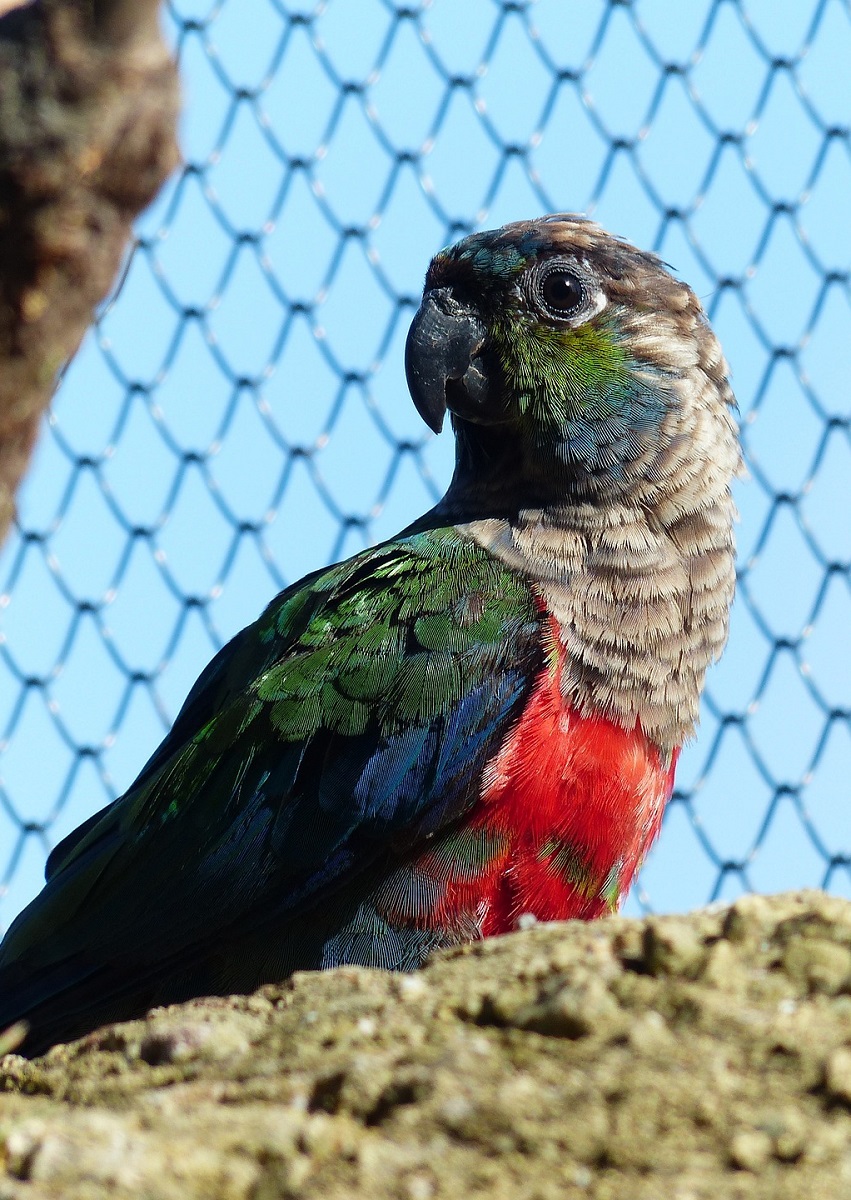
The crimson-bellied conure is an exceptionally colorful bird, even within the visually spectacular parrot family. Its most defining feature, from which it derives its common name, is a strikingly vibrant shade of red adorning its belly. This vivid crimson is complemented by a rich tapestry of other hues: its chest feathers are typically a deep maroon or purplish-brown, often edged with a lighter color giving a scalloped appearance; the back and wings display a brilliant green; and the head is adorned with a darker, sometimes brownish, crown. The species also sports distinctive white eye-rings that provide a stark contrast against its darker head, and a robust black beak.
As a small, long-tailed parakeet, it typically measures around 10 inches (25 cm) in length, with a lean body mass of approximately 90 grams. A notable characteristic for potential owners is that juveniles do not immediately exhibit the species’ full chromatic glory; it can take up to a year for the crimson-bellied conure to develop its characteristic bright red belly plumage. Furthermore, there is no discernible visual difference between males and females of this species, requiring DNA testing or surgical sexing for accurate gender identification in captive breeding programs.
Dietary Habits: Wild and Captive
The diverse and nutrient-rich forests of the Amazon provide a varied diet for wild crimson-bellied conures. They are opportunistic foragers, adapted to consume a wide array of foods available in their biodiverse habitat. Their diet primarily consists of wild figs and other fruits, which offer essential carbohydrates and vitamins. Beyond fruits, they have been observed feeding on various flowers and catkins, providing additional nutrients and hydration. A fascinating aspect of their wild diet involves visits to clay licks, geological formations where they ingest soil. This geophagy is believed to serve a crucial purpose, allowing the birds to neutralize toxins present in some of their food sources and to obtain vital micronutrients and minerals often lacking in their primary diet.
For captive crimson-bellied conures, a meticulously balanced and varied diet is paramount for ensuring their long-term health and well-being. Avian veterinarians, including Psittacology’s resident expert Dr. Daisy, strongly advocate against a predominantly seed-based diet. While seeds offer some caloric value, they are typically high in fat and deficient in essential vitamins, minerals, and amino acids, leading to malnutrition, obesity, and a host of associated health problems such as liver disease and cardiovascular issues.
The cornerstone of a captive conure’s diet should be a high-quality, nutritionally complete pelleted food. These pellets are scientifically formulated to provide a balanced intake of all necessary nutrients. In addition to pellets, daily servings of fresh vegetables are indispensable. A wide variety of leafy greens (e.g., kale, spinach, romaine lettuce), bell peppers, carrots, broccoli, and peas should be offered. Fresh fruits, such as berries, apples, bananas, and melons, can be provided regularly but in moderation due to their higher sugar content. Other suitable dietary supplements include cooked whole grains like brown rice and quinoa, and pesticide-free foraged grasses or edible flowers. Occasional treats, such as a few sunflower seeds, can be used for training or as a reward but should not constitute a significant portion of the diet. Crucially, constant access to fresh, clean water from multiple sources is non-negotiable for proper hydration and overall health. Adhering to these dietary guidelines is fundamental to promoting a happy, healthy, and long-lived parrot.
Housing and Environmental Enrichment
Crimson-bellied conures, despite their moderate size, are exceptionally active birds that require ample space to thrive. Consequently, providing the largest possible cage or enclosure that can be accommodated is crucial, particularly if the bird will not have daily opportunities for supervised free-flight outside its cage. A minimum cage width of 36 inches (90 cm) is generally recommended, although a more spacious enclosure is always preferable. For owners unable to provide regular out-of-cage flight time, an indoor aviary becomes a necessity to ensure the bird can engage in natural behaviors like flying, climbing, and exploring.
The internal environment of the cage must be thoughtfully designed. A variety of natural wood perches of varying diameters and textures is essential. These perches mimic the diversity found in their natural habitat, promoting foot health by preventing pressure sores (bumblefoot) and arthritis, which can be caused by uniform, unyielding plastic or dowel perches. Chewable toys are also vital, providing mental stimulation and fulfilling their natural instinct to chew, which helps maintain beak health.

All parrots, including crimson-bellied conures, are highly intelligent and inquisitive creatures with a profound need for mental stimulation and environmental enrichment. Boredom is a significant stressor for these birds and can manifest in a range of undesirable and harmful behaviors, including excessive screaming, feather plucking (a severe self-mutilating behavior), obesity due to inactivity, and aggression. Therefore, keeping a conure mentally and physically engaged is paramount.
Enrichment strategies include:
- Foraging Toys: These require the bird to "work" for its food, simulating natural foraging behaviors and preventing rapid consumption.
- Shreddable Toys: Providing materials like paper, cardboard, or soft wood allows them to satisfy their natural urge to chew and destroy.
- Puzzle Toys: These challenge a bird’s cognitive abilities, requiring problem-solving skills to access treats or new items.
- Social Interaction: Daily interaction with human companions is vital. This includes talking, playing, and training sessions using positive reinforcement.
- Conspecific Companionship: If feasible and appropriately introduced, having another conure (or a compatible parrot species) can provide invaluable social interaction and reduce loneliness.
- Flight and Exercise: Regular supervised free-flight sessions in a bird-proofed room are critical for physical health and mental well-being.
- Novelty: Regularly rotating toys, rearranging cage furniture, and introducing new, safe items keeps their environment stimulating.
Any area a conure has access to must be thoroughly bird-proofed to eliminate potential hazards, such as toxic plants, exposed electrical wires, open water sources, and small ingestible objects. Creating a dynamic and safe environment is key to a conure’s happiness and health.
Temperament and Social Dynamics
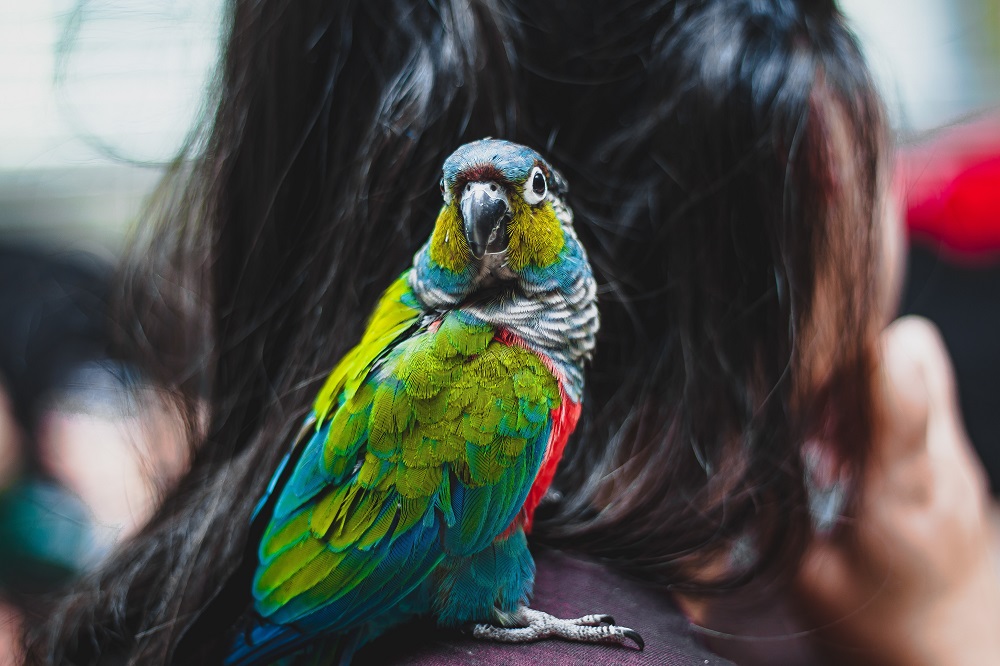
Conures belonging to the Pyrrhura genus are among the most sought-after parrots in aviculture, and the crimson-bellied conure stands out as an excellent choice for the dedicated owner. They are often affectionately termed "loveable rogues" for good reason: they possess a lively, cheeky, and clownish disposition, yet when properly socialized and nurtured, they can be incredibly affectionate. A well-adjusted crimson-bellied conure will readily seek out human companionship, enjoying perching on a shoulder, engaging in playful antics, and delighting in head scratches and gentle petting.
Their playful nature often translates into a curious and somewhat mischievous streak. Prospective owners should anticipate that some household items will inevitably fall victim to their powerful beaks and insatiable urge to chew. Providing an abundance of appropriate chew toys is a proactive measure to redirect this natural behavior. Despite their potential for minor domestic chaos, crimson-bellied conures can form profound bonds with their human families, becoming cherished friends for two decades or more. Their vivacious personalities and affectionate gestures make the commitment worthwhile for those prepared to embrace a little lively disorder. Given their inquisitive nature, these conures have a remarkable ability to find themselves in precarious situations, underscoring the importance of understanding basic parrot emergency care protocols for any responsible owner.
Vocalizations and Communication
While the crimson-bellied conure is not considered one of the loudest conure species, it is important to acknowledge that no parrot is truly "quiet." Owners should anticipate a moderate noise level. They typically do not vocalize as continuously or piercingly as some larger parrot species or even certain other conures, but they are certainly capable of emitting loud screams when excited, alarmed, or upset. These vocalizations are a natural form of communication and a reflection of their emotional state.
Prospective owners are strongly encouraged to familiarize themselves with the specific calls of Pyrrhura perlata by consulting resources such as xeno-canto, an online repository of bird sounds. Visiting individuals who already own crimson-bellied conures can also provide invaluable first-hand experience regarding their typical noise levels and vocal patterns, helping to determine if their soundscape aligns with one’s living situation and tolerance.
Regarding their ability to mimic human speech, most parrots possess some capacity for imitation. However, Pyrrhura conures, including the crimson-bellied variety, are not renowned for their talking prowess. Many individuals may never develop a significant vocabulary of human words, although they are quite adept at mimicking various household sounds, such as doorbells, phone rings, or even specific whistles. Their communicative repertoire primarily revolves around their natural calls and body language, making them more appreciated for their interactive personalities than their verbal skills.
Health and Longevity
With optimal care, including a balanced diet, a stimulating environment, regular veterinary check-ups, and a loving home, a crimson-bellied conure can enjoy a lifespan exceeding 20 years. This impressive longevity highlights the significant long-term commitment required for responsible ownership, akin to raising a human child to adulthood.
Like all parrots, crimson-bellied conures are susceptible to certain health issues. Common concerns include nutritional deficiencies stemming from inadequate diets, particularly those heavy in seeds; liver disease, often linked to poor nutrition and obesity; and various infectious diseases such as Psittacine Beak and Feather Disease (PBFD) or Avian Polyomavirus. Regular visits to an avian veterinarian are critical for preventative care, early detection, and prompt treatment of any health problems. A yearly check-up typically involves a physical examination, blood work, and fecal tests. Maintaining impeccable cage hygiene, providing clean food and water, and minimizing stress are also crucial components of preventative health care.
Broader Implications and Responsible Ownership
The appeal of the crimson-bellied conure in the pet trade underscores both the beauty of these birds and the challenges they face. While the species is not currently listed on CITES (Convention on International Trade in Endangered Species of Wild Fauna and Flora), ensuring that captive-bred birds are acquired from reputable breeders or rescues is paramount. This practice helps to mitigate any potential demand for wild-caught birds, which can inadvertently contribute to illegal wildlife trade and further endanger wild populations. Responsible breeders prioritize the health, genetic diversity, and socialization of their birds, ensuring they are well-adjusted companions.
Adopting a crimson-bellied conure is a decades-long commitment that requires significant financial investment, time, and emotional dedication. Prospective owners must be prepared for the specialized dietary needs, the extensive housing requirements, the ongoing need for environmental enrichment, and the potential for a lively, sometimes noisy, companion. Understanding these implications before bringing a conure into the home is crucial for the well-being of the bird and the satisfaction of the owner. By embracing responsible ownership practices, individuals can contribute to the conservation message, celebrating the crimson-bellied conure not only as a charismatic pet but also as a vital component of the Amazon’s rich biodiversity.

