


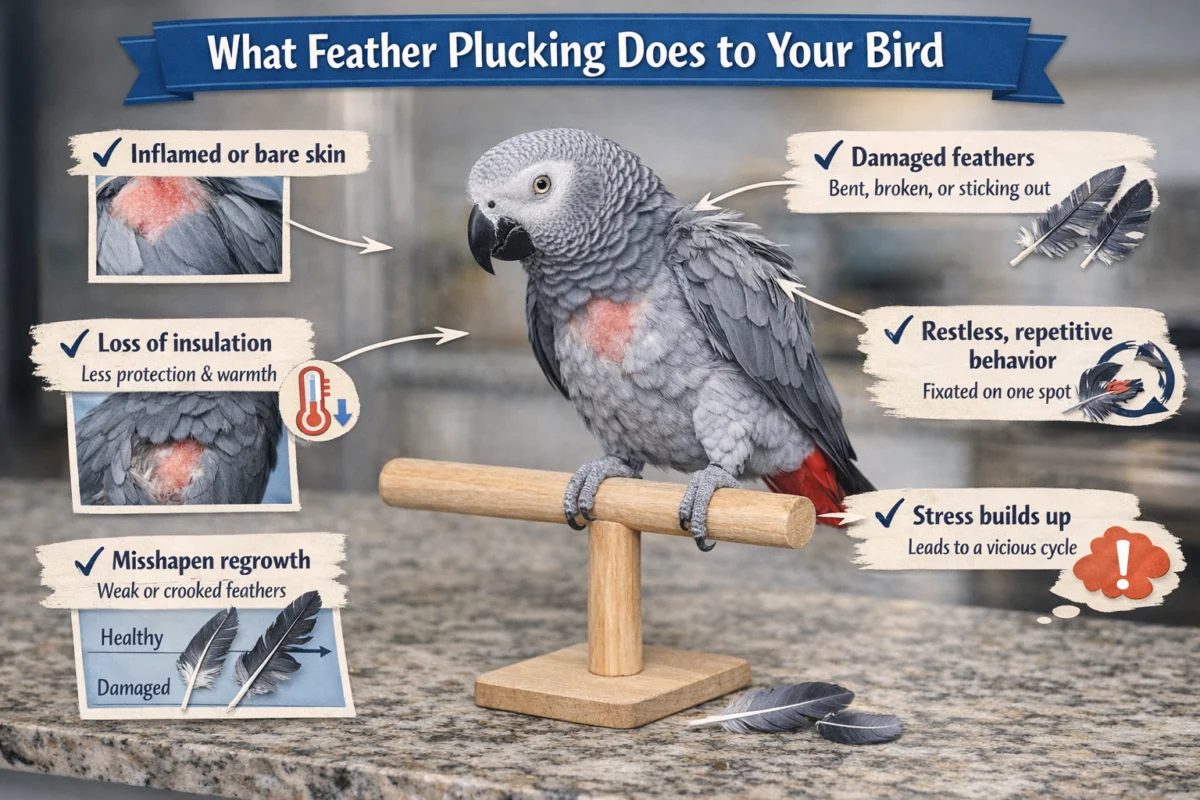
Feather plucking in captive birds is a distressing and complex issue for owners, often signaling an underlying physical or psychological problem. While the sight of loose feathers might initially suggest a natural molting process, subtle distinctions in a bird’s behavior and the condition of its plumage can indicate the onset of destructive plucking. Catching these early signs is paramount, as timely intervention significantly improves the prognosis and prevents the escalation to more severe self-mutilation.
The initial observation of scattered feathers on the cage floor or a bird repeatedly tending to a specific body area can be a cause for concern. These behaviors, while sometimes benign, warrant careful monitoring. Understanding the differences between normal feather maintenance—molting and preening—and the destructive patterns of plucking is the first critical step for any bird owner.
Differentiating Normal Feather Care from Abnormal Plucking
For accurate assessment, it is essential to distinguish between the natural physiological processes of molting and preening, and the pathological behavior of feather plucking.
Molting:
Molting is a natural, cyclical process where birds shed old, worn feathers and grow new ones. This ensures the integrity of their plumage for flight, insulation, and protection. Most bird species undergo a complete molt once or twice a year, though the exact frequency and duration vary significantly by species, age, and environmental factors such as photoperiod and nutrition. During a typical molt, feathers fall out gradually and symmetrically, often in small numbers daily, preventing the bird from losing too much insulation or flight capability at once. New feathers, known as pin feathers, emerge encased in a waxy keratin sheath, appearing spiky or quill-like. These pin feathers can be itchy, leading to increased preening and occasional gentle scratching by the bird. A healthy molting bird generally maintains a good body condition, remains active, and exhibits no signs of skin irritation or damage beneath the emerging feathers.
Preening:
Preening is a vital daily grooming ritual for birds, essential for maintaining feather health and function. A bird typically uses its beak and tongue to meticulously clean, align, and condition each feather, working from the base to the tip. This process involves distributing preen oil from the uropygial gland (located at the base of the tail), which helps waterproof the feathers and keep them supple. Normal preening is calm, deliberate, and spans various parts of the body. The bird’s movements are gentle, aiming to smooth and realign feathers, not to pull them out or damage the underlying skin. Healthy preening is indicative of a well-adjusted bird and contributes significantly to its overall hygiene and well-being.
Feather Plucking:
In contrast, feather plucking is an abnormal, self-destructive behavior characterized by a bird deliberately damaging, chewing, or pulling out its own feathers. Unlike molting, plucking is not a natural shedding process; it results in visible feather loss, often creating bald patches or areas with severely damaged, ragged feathers. The behavior typically manifests as an intense, repetitive focus on one or a few specific areas of the body, rather than the systematic and generalized preening seen in healthy birds. Common target areas include the chest, flanks, inner thighs, under the wings, and the back, often leaving the head feathers (which the bird cannot reach) intact. The feathers removed during plucking are frequently healthy, mature feathers, not the worn-out ones typically shed during a molt. Reports from avian veterinarians suggest that feather plucking affects a significant portion of captive parrot populations, with estimates ranging from 10% to 30% or more in species like African Grey Parrots, Cockatoos, and Lovebirds, highlighting its prevalence as a major welfare concern.
Self-Mutilation:
The most severe manifestation of feather plucking is self-mutilation, where the bird progresses beyond merely damaging feathers to actively injuring its own skin. This can involve biting, tearing, or chewing the skin, leading to open wounds, bleeding, and severe irritation. Self-mutilation is a medical emergency requiring immediate veterinary attention, as it carries a high risk of infection, chronic pain, and systemic health complications. The behavior is often relentless, difficult to interrupt, and the bird may return to the same injured area repeatedly.
Underlying Causes of Feather Plucking
Feather plucking rarely occurs without an underlying cause. It is a symptom, not a primary disease, indicating that something is amiss in the bird’s physical or psychological state. A comprehensive diagnostic approach is crucial to identify the root problem.
1. Medical Causes:
A thorough veterinary examination is the first step in diagnosing plucking, as medical issues are often primary drivers.
- Infections: Bacterial, fungal (e.g., Candida), or parasitic infections (e.g., Giardia, mites, feather lice) can cause intense itching and skin irritation, prompting a bird to pluck.
- Nutritional Deficiencies: Inadequate diets, particularly those heavily reliant on seeds, are a major contributing factor. Deficiencies in Vitamin A (essential for skin and feather health), essential amino acids, fatty acids (Omega-3 and Omega-6), and certain minerals can lead to dry, itchy skin and poor feather quality, stimulating plucking. Studies have consistently linked seed-only diets to a range of health issues, including feather disorders.
- Systemic Diseases: Internal organ dysfunction, such as liver disease, kidney disease, or thyroid imbalances, can manifest as poor feather quality, skin problems, or general discomfort that leads to plucking. Viral diseases like Psittacine Beak and Feather Disease (PBFD) or Polyomavirus can also directly affect feather follicles.
- Pain or Discomfort: Any source of chronic pain, such as arthritis, internal tumors, ingrown feathers, or even allergies, can cause a bird to focus on and pluck at the painful area.
- Toxins: Exposure to heavy metals (e.g., lead, zinc) or environmental toxins (e.g., household aerosols, cigarette smoke) can lead to systemic illness and skin irritation.
2. Environmental Causes:
The bird’s immediate environment plays a significant role in its well-being.
- Inadequate Humidity: Many pet bird species originate from tropical or subtropical regions and require higher humidity levels than typically found in most homes. Dry air can lead to dry, itchy skin and brittle feathers, triggering plucking.
- Lack of UV Lighting: Full-spectrum UV-B lighting is crucial for Vitamin D3 synthesis, which is vital for calcium metabolism and overall health. Its absence can contribute to nutritional deficiencies and a compromised immune system.
- Poor Cage Hygiene: A dirty cage can harbor bacteria, fungi, and parasites, leading to infections and skin irritations.
- Exposure to Irritants: Household cleaners, air fresheners, scented candles, and cooking fumes (especially non-stick cookware fumes) can be respiratory and skin irritants for birds.
- Inconsistent Light Cycles: Birds require a consistent sleep-wake cycle, typically 10-12 hours of uninterrupted darkness. Irregular light exposure can disrupt hormonal balance and cause stress.
3. Behavioral and Psychological Causes:
Once medical and environmental factors are ruled out or addressed, behavioral issues often emerge as primary drivers.
- Boredom and Lack of Stimulation: Highly intelligent and social species, like parrots, require constant mental and physical enrichment. A sterile cage environment with few toys or activities can lead to chronic boredom, which they may alleviate by plucking.
- Stress and Anxiety: Birds are sensitive creatures. Changes in routine, a new pet, relocation, perceived threats, or even the absence of a favorite person can induce significant stress and anxiety, leading to self-soothing behaviors like plucking.
- Frustration: Sexual frustration (especially in single birds reaching maturity), lack of flight opportunities, or insufficient social interaction can lead to chronic frustration that manifests as plucking.
- Attention-Seeking: While often a secondary cause, if a bird learns that plucking garners immediate attention from its owner, it can become a learned behavior, even if the attention is negative.
- Learned Helplessness: Chronic stress or an inability to control their environment can lead to a state of learned helplessness, where plucking becomes a coping mechanism.
Recognizing the Signs: A Chronology of Progression
The progression of feather plucking can be insidious, making early detection challenging but crucial.
1. Early Indicators (Subtle Phase):
Initially, signs may be very subtle and easily mistaken for normal molting or vigorous preening. Owners might observe:
- Increased frequency or intensity of preening, particularly focused on specific areas.
- Feathers appearing slightly frayed, chewed, or bent, rather than smoothly aligned.
- Small, scattered feather fragments on the cage floor that look damaged, not naturally shed.
- The bird returning to the same spot repeatedly, engaging in a "digging" or "chewing" motion.
- No obvious bald patches, but a general thinning of plumage in certain areas.
2. Intermediate Stages (Noticeable Damage):
If the behavior continues unchecked, the damage becomes more apparent:

- Clear bald patches emerge, often on the chest, underwings, or inner thighs.
- Remaining feathers in affected areas are visibly damaged, ragged, or broken.
- The underlying skin may appear slightly pink or irritated, though not yet openly wounded.
- The bird’s focus on plucking intensifies, becoming a more compulsive behavior.
- The bird may appear duller or less vibrant due to feather damage.
3. Advanced Stages (Extensive Loss and Irritation):
At this stage, the condition is unequivocally feather plucking:
- Extensive feather loss, leaving large areas of the body bare.
- Skin is visibly red, inflamed, and potentially dry or flaky.
- The bird may exhibit signs of discomfort, such as restless behavior, reluctance to be handled, or increased vocalizations during plucking episodes.
- The plucking behavior is deeply ingrained and difficult to interrupt.
4. Self-Mutilation (Critical Stage):
This is the most severe and dangerous phase:
- Open wounds, lacerations, or bleeding on the skin, indicating direct trauma.
- Risk of severe secondary bacterial or fungal infections.
- The bird may appear lethargic, withdrawn, or show signs of systemic illness due to pain or infection.
- Requires immediate veterinary intervention to prevent life-threatening complications.
Impact and Implications
The consequences of feather plucking extend far beyond aesthetics, profoundly affecting a bird’s physical health, psychological well-being, and overall quality of life.
Physical Health:
- Compromised Thermoregulation: Feathers provide essential insulation. Their loss impairs a bird’s ability to regulate its body temperature, making it susceptible to chilling or overheating.
- Increased Susceptibility to Infection: Bare, irritated, or wounded skin is an open invitation for bacterial, fungal, or yeast infections. These can range from superficial skin issues to systemic infections that impact internal organs.
- Chronic Pain and Discomfort: Constant irritation, inflammation, and potential self-inflicted wounds cause ongoing physical pain, leading to chronic stress.
- Permanent Follicle Damage: Prolonged or severe plucking can permanently damage feather follicles, leading to irreversible feather loss or the growth of abnormal, malformed feathers.
- Nutritional Depletion: The stress associated with plucking and potential infections can increase a bird’s metabolic demands, potentially exacerbating underlying nutritional deficiencies.
Psychological Well-being:
- Chronic Stress and Anxiety: The underlying causes of plucking, combined with the physical discomfort, create a cycle of chronic stress and anxiety.
- Depression and Lethargy: Birds suffering from chronic plucking may become withdrawn, lethargic, lose interest in toys or interaction, and show signs consistent with depression.
- Learned Helplessness: If the underlying cause is not addressed, the bird may develop learned helplessness, feeling powerless to escape its discomfort, which can deepen the plucking habit.
Owner Responsibilities:
- Financial Burden: Diagnosing and treating feather plucking often involves extensive veterinary work-ups (blood tests, biopsies, cultures, imaging) and long-term management strategies, leading to significant financial costs.
- Emotional Distress: Watching a beloved pet suffer from plucking can be emotionally taxing for owners, causing guilt, frustration, and helplessness.
- Time Commitment: Management requires consistent effort, including dietary changes, environmental modifications, behavioral enrichment, and often medication, demanding a substantial time commitment from owners.
Intervention and Management Strategies
Addressing feather plucking requires a multi-faceted and patient approach. There is rarely a "quick fix," as successful management often involves identifying and resolving a combination of contributing factors.
1. Immediate Steps and Veterinary Consultation:
Upon noticing signs of plucking, the first and most crucial step is to schedule an appointment with an avian veterinarian.
- Comprehensive Physical Exam: The vet will conduct a thorough examination to assess the bird’s overall health, skin condition, and feather quality.
- Diagnostic Testing: This may include blood tests (to check organ function, blood cell counts, and nutrient levels), feather and skin biopsies (to look for infections, parasites, or follicle damage), fecal exams (for internal parasites), and potentially imaging (X-rays, ultrasound) to rule out internal abnormalities.
- Environmental Assessment: The vet will likely ask detailed questions about the bird’s diet, cage setup, daily routine, humidity levels, lighting, and any recent changes in the household.
2. Long-Term Solutions:
Based on the diagnostic findings, a tailored treatment plan will be developed.
- Medical Treatment:
- Addressing Underlying Conditions: If infections are found, appropriate antibiotics, antifungals, or antiparasitics will be prescribed. Pain relief may be necessary for chronic discomfort.
- Nutritional Correction: Transitioning to a high-quality pelleted diet, supplemented with fresh fruits, vegetables, and specific supplements (e.g., Vitamin A, Omega fatty acids) as recommended by the vet, is often critical.
- Environmental Adjustments:
- Optimal Humidity: Using a room humidifier or daily misting with plain water can alleviate dry skin and improve feather health.
- Full-Spectrum UV Lighting: Installing a bird-safe UV-B lamp, positioned appropriately, can aid in Vitamin D3 synthesis and mimic natural sunlight.
- Cage Environment: Ensure the cage is adequately sized, clean, and provides varied perches (natural branches are ideal).
- Eliminate Irritants: Remove potential household toxins like air fresheners, scented candles, and ensure proper ventilation during cooking.
- Consistent Schedule: Provide a consistent light-dark cycle (10-12 hours of darkness for sleep) to regulate hormonal balance.
- Behavioral Enrichment:
- Foraging Opportunities: Encourage natural foraging behaviors by hiding food in puzzle toys or within the cage, promoting mental stimulation.
- Variety of Toys: Offer a rotating selection of safe, destructible toys (wood, paper, natural fibers) to keep the bird engaged and provide appropriate outlets for chewing.
- Social Interaction: Provide regular, positive interaction with owners, including training sessions, supervised out-of-cage time, and gentle handling (if the bird enjoys it).
- Positive Reinforcement: Use positive reinforcement training to teach new behaviors and strengthen the bond between bird and owner.
- Stress Reduction:
- Identify Stressors: Pinpoint and minimize sources of stress in the bird’s environment.
- Safe Retreats: Ensure the bird has a "safe space" within its cage where it can retreat and feel secure.
- Routine: Maintain a predictable daily routine to reduce anxiety.
- Physical Barriers (Last Resort):
- In severe cases, especially with self-mutilation, Elizabethan collars or protective vests may be necessary to prevent further self-harm. These should only be used under strict veterinary guidance and with careful monitoring, as they can cause additional stress if not managed properly.
When This Becomes Urgent
Certain signs indicate that the plucking has escalated to an urgent medical situation. Immediate veterinary attention is required if:
- The bird is actively inflicting wounds on its skin, causing bleeding.
- There are visible open sores, signs of infection (pus, foul odor, swelling), or scabbing.
- The bird shows signs of systemic illness, such as lethargy, loss of appetite, changes in droppings, or ruffled feathers.
- The plucking behavior is relentless and cannot be interrupted.
- The bird is showing signs of severe pain or distress.
At this point, the bird is not merely coping; it is struggling significantly, and its life may be at risk without prompt intervention.
Recovery and Prognosis
Recovery from feather plucking is often a long-term journey requiring immense patience and commitment from the owner. While some birds may never fully regrow their feathers, especially if follicle damage is extensive, the primary goal is to halt the destructive behavior and improve the bird’s overall quality of life.
The prognosis varies widely depending on the underlying cause, the duration and severity of the plucking, and the owner’s consistency in implementing the treatment plan. Early intervention significantly increases the chances of successful management. Even if complete feather regrowth is not achieved, many birds can learn to live a comfortable, stress-free life once the root causes are addressed and appropriate enrichment and care are provided.
The journey to recovery reinforces the understanding that birds are complex, sentient beings whose welfare is deeply intertwined with their environment and the care they receive. Proactive observation, prompt veterinary consultation, and a holistic approach to their physical and psychological needs are key to turning around this challenging behavior.

