



As households across the globe transition from the relaxed rhythms of summer to the structured demands of the academic year, an often-overlooked demographic experiences significant disruption: companion birds. While humans adapt to new schedules, carpools, and quieter homes, pet birds, creatures profoundly reliant on predictability, can find these sudden shifts deeply unsettling. This article explores the profound impact of routine changes on avian well-being, delves into the biological underpinnings of their sensitivity, outlines common stress indicators, and provides actionable strategies for owners to help their feathered companions adjust.
The Biological Imperative: Why Birds Thrive on Predictability
Birds are inherently creatures of habit, a trait deeply embedded in their evolutionary history. As prey animals in the wild, consistency in their environment—predictable foraging times, stable flock dynamics, and consistent day-night cycles—is critical for survival. Any sudden, unexplained change can be perceived as a potential threat, triggering a primal stress response. In a domestic setting, this innate need for routine translates into a reliance on household schedules. The sounds of waking, meal preparations, daily interactions, and quiet periods all become integral components of a bird’s perceived safety and well-being.
Avian physiology is finely tuned to circadian rhythms, controlling everything from sleep-wake cycles and feeding patterns to hormonal releases. When these rhythms are abruptly altered, the bird’s internal clock is thrown off balance. This disruption can lead to a cascade of physiological and psychological stressors, manifesting as anxiety, confusion, and a diminished sense of security. Behavioral science consistently highlights the importance of environmental enrichment and consistent routines in captive animal welfare, with birds being particularly susceptible to the negative effects of instability.
The Annual Disruption: "Back-to-School" Syndrome for Birds
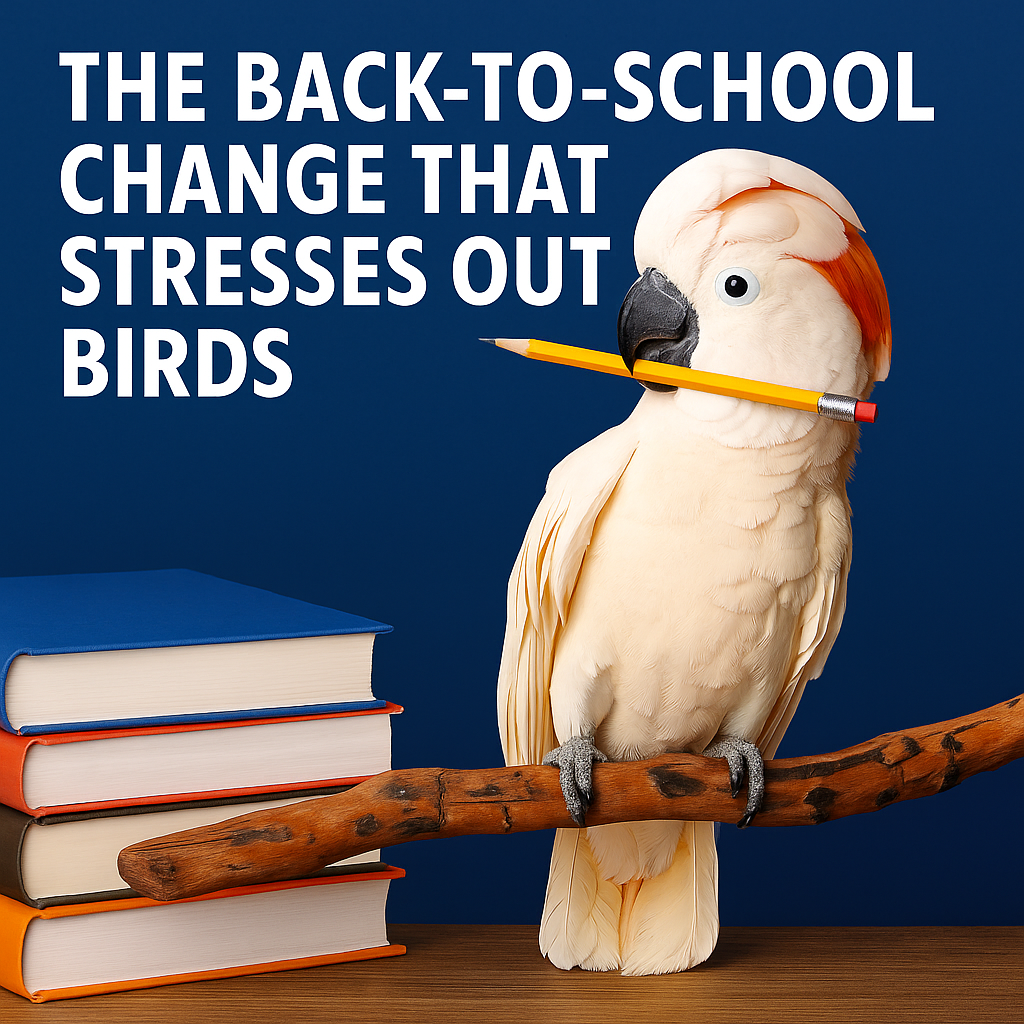
The "back-to-school" period serves as a prominent annual example of this household upheaval. Throughout the summer months, many birds experience an increase in human interaction, extended periods of activity, and a generally louder, more vibrant home environment. Children are home, adults may have more flexible schedules, and the overall pace is slower. This allows birds to develop a consistent rhythm of social engagement and environmental stimulation.
However, with the commencement of the school year, this dynamic shifts dramatically. Mornings transform from leisurely starts to rushed, chaotic departures. The soundtrack of the house changes from constant chatter and play to sudden silence for extended periods. Birds accustomed to regular interaction may find themselves alone for hours, leading to feelings of isolation and abandonment. Even subtle changes, such as the repositioning of a cage, altered lighting conditions due to closed blinds, or the absence of familiar voices, can be perceived as significant threats to their established comfort zones.
This abrupt transition can be particularly challenging for highly social species like parrots, which form strong bonds with their human "flock." The sudden reduction in direct interaction and the alteration of the daily household energy can lead to what is colloquially termed "separation anxiety" or "back-to-school syndrome" in avian communities. This is not merely a pet "missing" its owner; it is a complex stress response to a perceived loss of security and predictability within its social structure and environment.
Recognizing the Red Flags: Manifestations of Avian Stress
Birds are masters at masking illness and discomfort, a survival instinct from their wild ancestors. This means owners must be highly observant to detect the subtle signs of stress before they escalate into more severe issues. Avian veterinarians and behaviorists consistently advise owners to monitor for any deviation from a bird’s typical behavior.
Common warning signs of stress or anxiety due to routine changes include:
- Vocal Changes: An increase in frantic screaming or calling for attention, or conversely, an unusual decrease in vocalization, becoming withdrawn and quiet.
- Feather Plucking or Chewing: One of the most common and concerning stress behaviors. While feather plucking can have medical causes, psychological stress is a significant contributor, with birds pulling out or damaging their own feathers.
- Changes in Appetite or Hydration: A sudden refusal to eat favorite foods, a decrease in overall food consumption, or a noticeable change in water intake. Anorexia in birds is a serious red flag requiring immediate veterinary attention.
- Alterations in Sleep Patterns: Excessive sleeping during the day, or conversely, restlessness and difficulty sleeping at night.
- Aggression or Fear: An otherwise docile bird may become nippy, territorial, or exhibit heightened fear responses to everyday stimuli.
- Repetitive Behaviors (Stereotypies): Pacing back and forth, constant head bobbing, swaying, or other seemingly purposeless, repetitive movements. These are often coping mechanisms for stress.
- Destructive Chewing: An increase in chewing on cage bars, toys, or other objects, often beyond normal exploratory chewing.
- Withdrawal or Clinginess: Some birds may become withdrawn, refusing to interact, while others may become excessively clingy, exhibiting "Velcro bird" behavior, unwilling to let their owners out of sight.
- Ignoring Favorite Toys or Activities: A loss of interest in activities or toys that previously provided enjoyment and stimulation.
Owners frequently report these behaviors on online forums and social media platforms, highlighting the widespread nature of this challenge. Identifying these signs early is crucial for mitigating stress and preventing the development of chronic behavioral problems or health issues.
Proactive Strategies for a Smooth Transition: Expert Insights and Practical Solutions
Fortunately, informed and proactive owners can significantly ease their bird’s adjustment to new routines. Avian health professionals emphasize a multi-faceted approach focusing on gradual changes, consistent enrichment, and reliable interaction.
-
Gradual Acclimation is Key:
- Phased Schedule Shifts: If possible, begin adjusting the bird’s wake-up, feeding, and interaction times gradually over several days or even weeks before the major household change occurs. For example, if school starts at 7 AM, slowly shift the bird’s morning routine earlier by 15-30 minutes each day until it aligns with the new household rhythm.
- Anticipatory Absence: Introduce short periods of absence that progressively lengthen, helping the bird habituate to being alone for increasing durations. This builds trust and confidence that departures are not permanent.
-
Maintain Consistency Where Possible:
- Anchoring Routines: Even amidst general chaos, establish and strictly adhere to specific "anchoring" routines. Consistent wake-up and bedtime rituals, predictable feeding times, and a designated interaction period, even if shorter, provide essential stability.
- Verbal Cues: Use consistent verbal cues when leaving and returning. A calm "I’ll be back soon" spoken upon departure can become a comforting signal, reinforcing the temporary nature of separation.
-
Enhance the Environment with Enrichment:

- Diverse Toy Rotation: Provide a variety of toys (chewable, puzzle, preening, foraging) and rotate them frequently to maintain novelty and engagement. Foraging toys, which require problem-solving to access treats, are particularly effective in keeping birds occupied and mentally stimulated during alone time.
- Sensory Stimulation:
- Auditory: Leave on bird-safe music, nature sounds, audiobooks, or a familiar radio station at a low volume. Many birds respond positively to specific "bird TV" programs designed with avian-friendly visuals and sounds. The consistent background noise can soften the silence of an empty house.
- Visual: If safe, position the cage near a window with a view of natural activity (e.g., trees, other birds) or utilize "bird TV" videos on a screen. Ensure the view is safe and does not expose the bird to potential predators or stressors.
- Lighting: Maintain a consistent photoperiod (light/dark cycle) using timers for cage lights. Full-spectrum lighting is beneficial for avian health.
-
Leverage Technology:
- Two-Way Security Cameras: Modern smart cameras with two-way audio allow owners to monitor their bird and even speak to them remotely, offering reassurance during the day.
- Smart Home Devices: Utilize smart plugs or systems to control lighting and audio on timers, ensuring consistency even when owners are away.
-
Quality Interaction Over Quantity:
- When home, prioritize focused, high-quality interaction. This could involve training sessions, interactive play, shared meal times, or quiet bonding. Even a shorter, dedicated interaction period is more beneficial than prolonged, unfocused presence.
- Encourage independent play by presenting new foraging opportunities or toys immediately upon return, reinforcing that the bird can entertain itself.
-
Nutritional Support and Calming Aids (with Veterinary Consultation):
- Balanced Diet: Ensure the bird receives a species-appropriate, balanced diet, as good nutrition is foundational to physical and mental health.
- Vet-Approved Calming Products: In some cases, and only under the guidance of an avian veterinarian, bird-safe calming supplements may be considered to help manage acute anxiety during the adjustment period. These may include specific botanicals, amino acids, or pheromone sprays designed for birds. It is crucial to consult with a veterinarian to rule out underlying medical conditions and to ensure the safe and appropriate use of any supplement.
The Broader Impact and Implications of Unmanaged Stress
The implications of unmanaged stress in companion birds extend beyond immediate behavioral issues. Chronic stress can significantly compromise a bird’s immune system, making them more susceptible to infectious diseases. It can also lead to persistent feather destructive behaviors, self-mutilation, and the development of severe phobias, all of which are challenging to treat and detrimental to the bird’s long-term welfare. The breakdown of the human-animal bond due to frustrating or alarming behavioral changes can also lead to neglect or rehoming, underscoring the critical need for owner education and proactive care.
From a public health perspective, raising awareness about avian stress during routine changes promotes responsible pet ownership. It encourages owners to view their birds not merely as decorative pets but as intelligent, sensitive beings with complex emotional and psychological needs. Veterinary professionals, animal welfare organizations, and bird supply companies all play a vital role in disseminating this information and providing resources to help owners navigate these transitions successfully.
Conclusion: Empathy, Vigilance, and Adaptive Care
Life is inherently dynamic, filled with inevitable shifts in routine, whether due to school schedules, work changes, vacations, or other personal circumstances. For companion birds, these transitions, particularly the annual "back-to-school" period, represent significant stressors that demand understanding and proactive intervention from their human caregivers. By recognizing the biological imperative for predictability in birds, owners can better appreciate the profound impact of routine changes on their feathered companions.
The key to a successful adjustment lies in a combination of empathy, vigilance, and adaptive care strategies. Gradual acclimation, consistent anchoring routines, a richly stimulating environment, and thoughtful use of technology can collectively mitigate stress and foster resilience in birds. When in doubt, consulting with an avian veterinarian or a certified bird behaviorist is paramount to addressing specific concerns and ensuring the bird’s overall health and happiness. Ultimately, by providing a stable, enriching, and predictable environment, even amidst the ebb and flow of household life, owners can ensure their feathered friends thrive, maintaining a strong, confident, and enduring bond.

