


The upcoming biographical film Michael, which chronicles the life and career of the "King of Pop" Michael Jackson, has garnered significant attention for its commitment to historical accuracy while simultaneously embracing modern ethical standards in filmmaking. Central to this balance is the production’s decision to utilize state-of-the-art computer-generated imagery (CGI) to portray Bubbles, the chimpanzee who became a global fixture of Jackson’s public persona during the 1980s. This move, confirmed through a collaborative dialogue between Lionsgate and the animal rights organization People for the Ethical Treatment of Animals (PETA), marks a pivotal moment in the evolution of Hollywood’s treatment of non-human primates and reflects a broader industry shift toward humane digital alternatives.
The production of Michael, directed by Antoine Fuqua and starring Jaafar Jackson, aims to provide an unflinching look at the singer’s complex legacy. However, the inclusion of Bubbles presented a unique challenge for the filmmakers. In the decades since Jackson and Bubbles were frequently photographed together, the scientific understanding of primate behavior and the ethical implications of using great apes in entertainment have undergone a radical transformation. By choosing CGI over a live animal performer, Lionsgate has aligned itself with contemporary conservation and welfare standards, effectively ending the era where great apes were subjected to the rigors of film sets.
The Technological Evolution of Animal Portrayal
The decision to use CGI for Bubbles is not merely a logistical choice but a technological milestone. Modern motion-capture technology and high-fidelity rendering allow filmmakers to replicate the nuances of animal movement, facial expressions, and textures with near-perfect accuracy. This approach was famously pioneered and refined in franchises such as the Planet of the Apes reboot series and the 2019 photorealistic reimagining of The Lion King. For Michael, the use of CGI ensures that the audience can experience the historical reality of Jackson’s life without the ethical compromises associated with training live primates.
Industry experts note that the training of great apes for film often involves premature separation from their mothers and "fear-based" training techniques to ensure they remain submissive on set. Furthermore, because chimpanzees become too strong and unpredictable for human handling by the age of seven or eight, "retired" animal actors often face decades of confinement in substandard facilities once their professional utility ends. By bypassing these issues, the Michael production demonstrates that high-budget biographical dramas can maintain historical integrity through digital innovation.
A Chronology of Bubbles: From Research to Sanctuary
The history of the real Bubbles serves as a poignant backdrop to the film’s narrative choices. Born in 1983 at a research facility in Austin, Texas, Bubbles was sold to Michael Jackson at a very young age. Throughout the mid-to-late 1980s, Bubbles was a constant companion to the pop star, appearing in music videos, joining Jackson on world tours, and living at the Neverland Ranch. During this era, the public largely viewed the presence of a "pet" chimpanzee as a whimsical eccentricity, unaware of the complex social and psychological needs of the species.
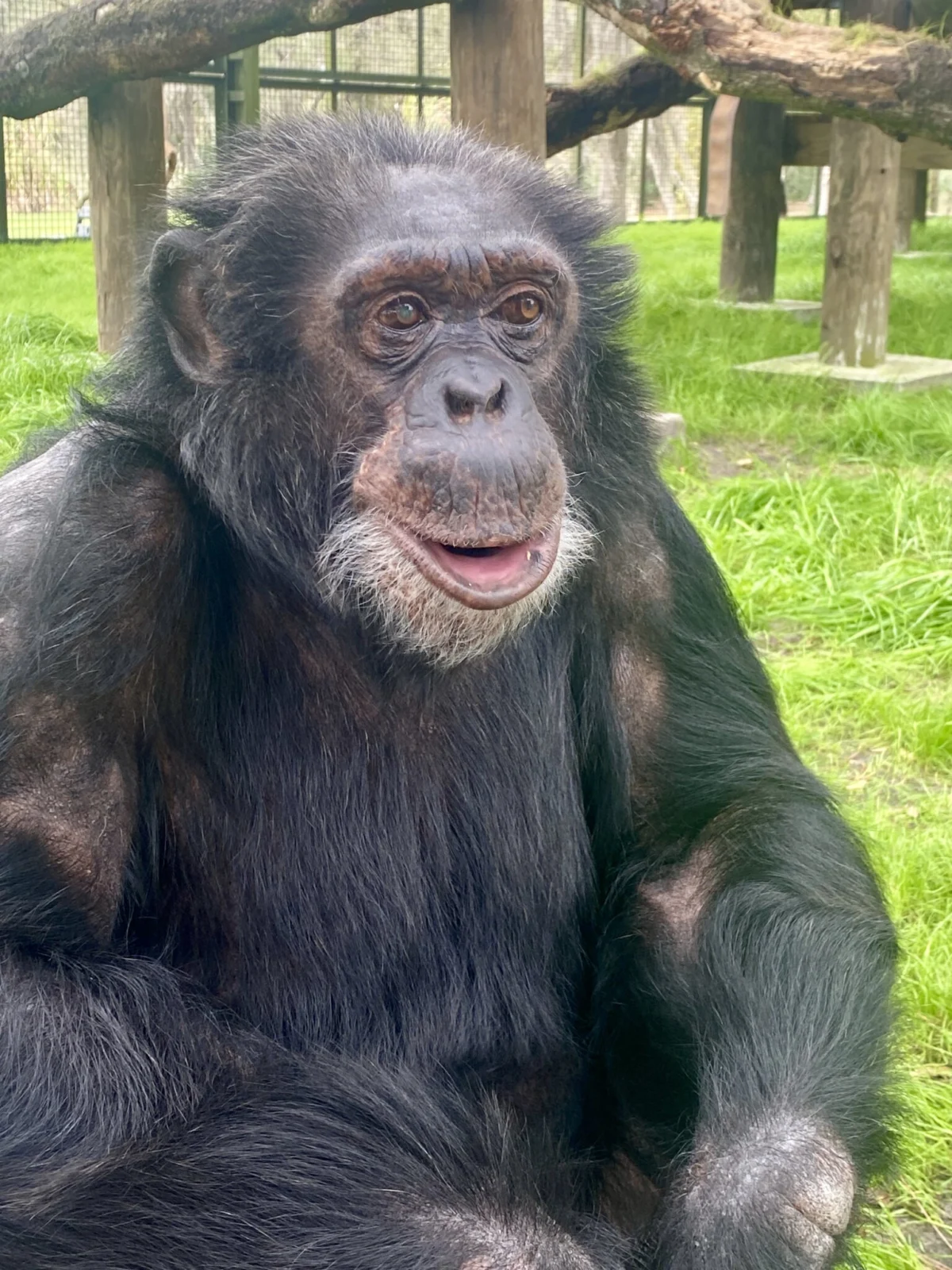
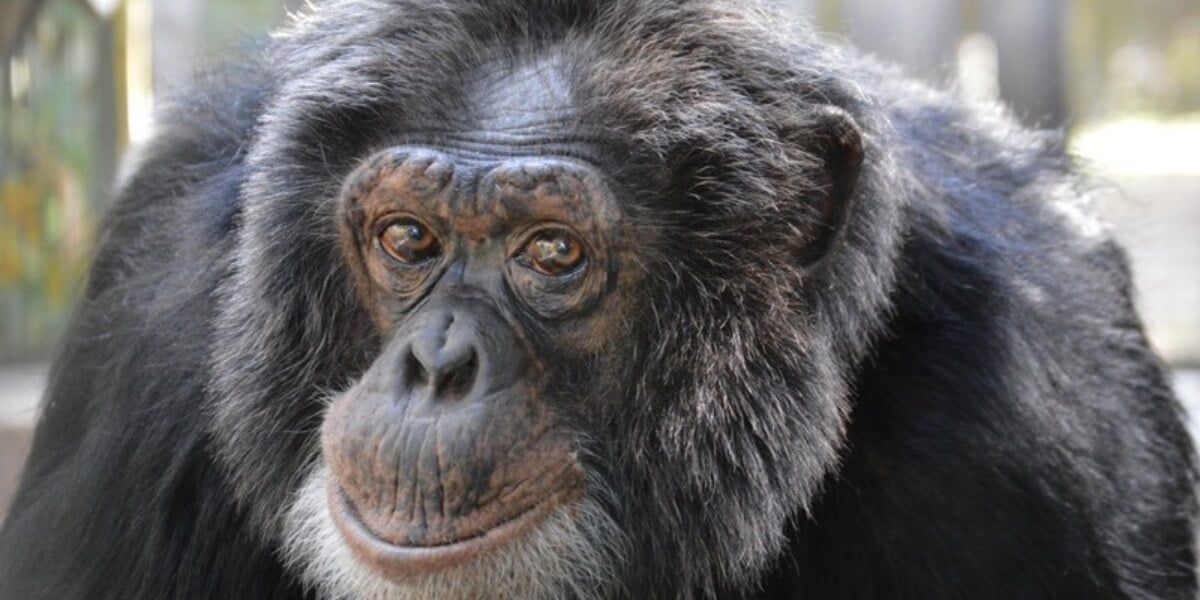
As Bubbles reached adolescence in the early 2000s, he followed the natural trajectory of his species, becoming too large and powerful to be kept in a domestic environment. In 2005, he was moved to the Center for Great Apes, a verified and accredited sanctuary in Wauchula, Florida. Now 43 years old, Bubbles has spent more than two decades in a naturalistic environment that allows him to socialize with other chimpanzees and engage in species-specific behaviors. His transition from a celebrity "pet" to a sanctuary resident highlights the reality that primates are wild animals with lifespan requirements that extend far beyond their time in the limelight.
Official Statements and Industry Response
In a statement shared with PETA, Lionsgate clarified the film’s stance on the portrayal of exotic animals. The studio emphasized that the depiction of Bubbles is intended as a historical reflection of Jackson’s life during the 1980s, rather than an endorsement of keeping primates as domestic companions.
"We have had continuing constructive dialogue with PETA about the portrayal of Bubbles the chimpanzee as a pet," the Lionsgate statement read. "This portrayal is simply based on historical fact and is not intended to be an endorsement of keeping chimpanzees as pets. Bubbles is portrayed in the movie using CGI technology and the real Bubbles has been living a peaceful life at the Center for Great Apes sanctuary for more than 20 years."
PETA has praised the production for its transparency and its decision to avoid the use of live apes. The organization highlighted that the film even includes dialogue that questions the ethics of the situation, with one character reportedly asking Jackson if he understands that chimpanzees are wild animals that do not belong in a suburban home. This narrative inclusion serves as a meta-commentary on the changing social mores regarding animal welfare.
The Impact of Media on the Exotic Pet Trade
The decision to use CGI is also a proactive measure against a phenomenon known as the "media-induced demand" for exotic pets. Studies have consistently shown that when primates or other exotic animals are depicted in close proximity to humans in popular media, it can lead to a surge in public interest in acquiring those animals as pets. Research published in journals such as PLOS ONE has indicated that images of chimpanzees standing next to humans or in human environments lead viewers to believe the animals are not endangered or that they make suitable pets.
The illegal wildlife trade is a multi-billion-dollar global industry, often fueled by trends set in Hollywood or on social media. When infants are taken from the wild to satisfy the pet trade, mothers are often killed in the process, and the infants frequently suffer from malnutrition, psychological trauma, and physical ailments. By utilizing CGI and including a clear message about the nature of chimpanzees, the makers of Michael are mitigating the risk of glamorizing the ownership of great apes.
Legal and Ethical Frameworks in the 21st Century
The shift seen in the production of Michael occurs within a broader legal landscape that is increasingly hostile toward the private ownership of primates. In the United States, the Captive Primate Safety Act has gained traction in Congress, aiming to prohibit the interstate commerce of primates for the pet trade. Legislators and animal welfare advocates argue that such laws are necessary not only for the protection of the animals but also for public safety, as primates can carry zoonotic diseases and become aggressive toward humans as they mature.
Furthermore, the American Society of Primatologists and other scientific bodies have long maintained that the complex social structures of apes—which involve intricate hierarchies and lifelong family bonds—cannot be replicated in a human household. Chimpanzees in the wild can live in groups of up to 150 individuals; in captivity, the lack of such stimulation often leads to self-mutilation, depression, and severe anxiety.
Broader Implications for the Film Industry
The Michael biopic sets a significant precedent for future historical dramas and biopics. It proves that even when a story requires the depiction of events that would be considered unethical by today’s standards, those events can be recreated responsibly. This approach allows for a "warts-and-all" portrayal of history without repeating the mistakes of the past.
As the film industry continues to grapple with its footprint on the natural world, the move toward digital animals is becoming the standard rather than the exception. Organizations like PETA continue to monitor productions, but the voluntary adoption of CGI by major studios like Lionsgate suggests that the message has been integrated into the core of Hollywood’s production ethics.
The legacy of Bubbles, once a symbol of 1980s celebrity excess, has been transformed into a lesson in conservation and respect. As audiences watch the King of Pop’s story unfold on screen, they will see a digital version of Bubbles that represents both the history of the man and the progress of a society that has learned to value the dignity of wild animals. The real Bubbles continues his quiet life in Florida, a living testament to the resilience of his species and the importance of the sanctuaries that provide them with a second chance at a natural life.

