


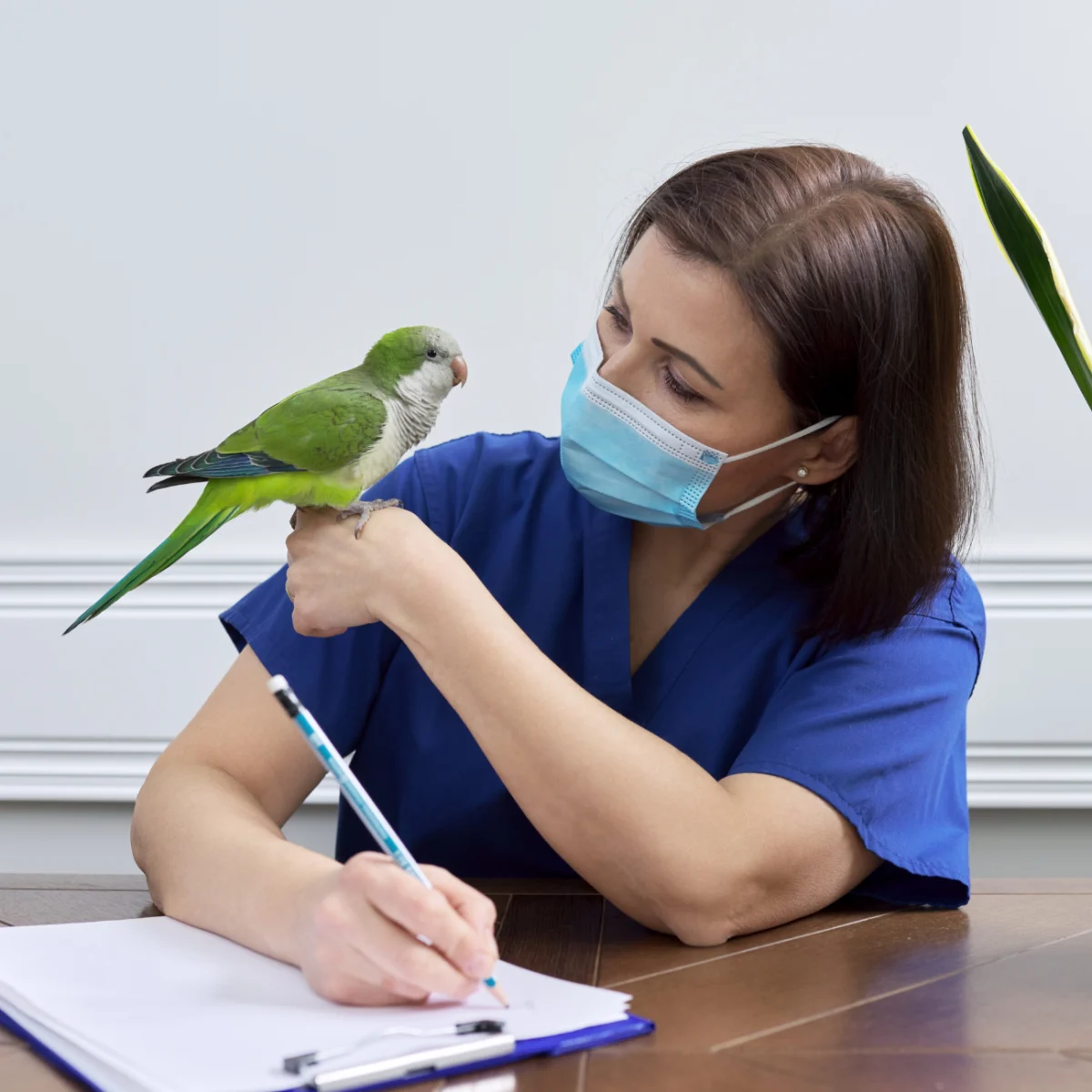
The question, "Do birds smell bad?" often arises among pet owners, typically followed by a wrinkled nose and genuine concern. While a healthy bird should possess only a very mild, often pleasant, natural scent, the presence of strong or offensive odors is a significant indicator that something within their environment, diet, or health requires immediate attention. Far from being a mere aesthetic issue, a foul-smelling bird often signals underlying problems that can range from poor hygiene to serious medical conditions, impacting both the bird’s well-being and the owner’s experience. This comprehensive guide delves into the various reasons behind avian malodor, offering insights and practical solutions to ensure your feathered companion remains fresh, healthy, and vibrant.
The Olfactory Enigma: Understanding Normal vs. Abnormal Avian Scents
To truly understand when a bird smells "bad," it is crucial to first establish what a healthy bird typically smells like. Most avian species, particularly parrots, emit a faint, often described as "earthy," "musky," or "sunshine-like" aroma. This natural scent is largely attributed to the preen gland, also known as the uropygial gland, located at the base of the tail. This gland produces an oily, waxy secretion that birds meticulously spread over their feathers during preening. The preen oil serves multiple vital functions, including waterproofing, conditioning feathers, and potentially containing antimicrobial compounds. The subtle scent associated with this oil is a hallmark of a well-maintained, healthy plumage.
However, a sudden or persistent shift from this mild, natural fragrance to something distinctly unpleasant—such as a sour, fishy, musty, rotten, or acrid smell—is a clear alarm bell. Birds are instinctively fastidious creatures in their natural habitats, dedicating significant time to preening and bathing to maintain optimal feather condition and overall hygiene. When kept in captivity, their ability to perform these natural behaviors may be limited, or external factors can disrupt their innate cleanliness, leading to the development of problematic odors. Recognizing the difference between a normal avian scent and an abnormal one is the first critical step in addressing potential issues.
Decoding the Source: Key Factors Contributing to Unpleasant Bird Odors
The origins of a bird’s foul odor can be multifaceted, often stemming from a combination of environmental, dietary, and physiological factors. Pinpointing the exact cause requires careful observation and a systematic approach to assessing the bird’s care routine and overall health.
Environmental Hygiene: The Cage as a Microcosm of Scent
Perhaps the most common culprit behind a stinky bird is an unhygienic living environment. A bird’s cage is not just their home; it’s a dynamic ecosystem where food, water, and waste interact. Birds, by nature, are messy eaters, often dropping food particles, splashing water, and producing droppings throughout their enclosure. This organic matter, especially when combined with warmth and humidity, creates an ideal breeding ground for bacteria, fungi, and potentially dangerous molds.
- Bacterial and Fungal Proliferation: Accumulated droppings, uneaten fresh foods, and stagnant water can harbor a host of microorganisms, including species of Pseudomonas, E. coli, and various yeasts. These microbes metabolize organic waste, producing volatile compounds that are perceived as unpleasant odors.
- Mold Growth and Aspergillosis: Of particular concern is the growth of molds, especially Aspergillus fumigatus. This ubiquitous fungus thrives in damp, organic material such as soiled bedding, old seed husks, or moldy food. Inhaling Aspergillus spores can lead to aspergillosis, a severe and often fatal respiratory infection in birds. The musty, earthy odor associated with mold growth in the cage is not only unpleasant but indicates a significant health risk, potentially impacting both the bird and human occupants. A study published in the Journal of Avian Medicine and Surgery highlighted that poor cage hygiene is a leading predisposing factor for avian respiratory diseases.
- The Cleaning Imperative: A rigorous cleaning schedule is paramount. Daily removal of soiled liners and food waste, along with washing food and water dishes, prevents the rapid accumulation of odor-producing agents. Weekly deep cleaning of the entire cage, including scrubbing bars, perches, and toys with bird-safe disinfectants, is essential. During warmer months, when bacterial and fungal growth accelerates, increasing cleaning frequency may be necessary. Using a diluted bleach solution (1:32 parts water) followed by thorough rinsing and drying is a common and effective disinfection method recommended by avian veterinarians.
Dietary Foundations: How Nutrition Shapes Avian Scent
The adage "you are what you eat" holds profound truth for birds, extending even to their scent profile. A bird’s diet directly influences its digestive health, metabolism, and ultimately, its body odor and the smell of its droppings.
- Impact of Poor-Quality Diets: Diets heavily reliant on seeds, especially sunflower seeds, or those high in processed sugary treats and fatty table scraps, are nutritionally imbalanced. They often lack essential vitamins (like Vitamin A) and minerals, leading to systemic deficiencies. Such diets can slow down digestion, disrupt the gut microbiome, and overload the liver, leading to metabolic byproducts that can manifest as foul body odor or unusually pungent droppings. For instance, an excess of fat can lead to liver issues, which may cause a distinct, often metallic or sickly sweet odor due to impaired detoxification processes.
- Digestive Dysbiosis: An unhealthy gut environment, characterized by an imbalance of beneficial and harmful bacteria (dysbiosis), can result in fermentation of undigested food in the crop or lower digestive tract. This fermentation produces gases and compounds that contribute to sour-smelling breath, loose or abnormally odorous droppings, and even a general "off" body scent around the vent area. Candida albicans, a yeast commonly found in the avian digestive tract, can overgrow when the gut is imbalanced or the bird is stressed, leading to candidiasis, which often presents with a distinct yeasty or sweetish-sour smell.
- The Role of Hydration: Stagnant or contaminated drinking water is another overlooked source of odor. Water left in dishes for too long can become a breeding ground for bacteria and algae, which not only poses a health risk but can also contribute to a generalized unpleasant smell in the cage environment. Daily changes of fresh, clean water are non-negotiable.
- Nutritional Upgrade: Transitioning a bird to a high-quality pelleted diet, supplemented with a variety of fresh vegetables, some fruits, and occasional healthy proteins, is crucial for promoting optimal gut health and reducing odor. A study by Lafeber Company emphasized that a balanced diet significantly reduces the incidence of metabolic and digestive issues, which are often precursors to odor problems.
Bathing and Preening: The Feathered Regimen of Cleanliness
Bathing is not merely an aesthetic luxury for birds; it is a critical physiological process that contributes significantly to feather health, skin moisture, and the elimination of dirt and oils that can accumulate and cause odor.
- Natural Grooming Instincts: In the wild, birds regularly bathe in puddles, dew, or rain to cleanse their feathers, remove dust, dander, and loose debris. This process helps maintain the integrity of their feather structure, ensures proper insulation, and supports flight efficiency.
- Consequences of Infrequent Bathing: When captive birds do not bathe regularly, the natural oils from their preen gland, along with environmental dust, dander, and food particles, can build up on their feathers and skin. This buildup can create a greasy, matted appearance and develop a musty, oily, or even sour smell, particularly in warm, humid environments. Lack of bathing can also lead to dry, flaky skin and itchy feathers, further exacerbating discomfort and potentially leading to over-preening or feather plucking.
- Encouraging Bathing: Providing regular opportunities for bathing is essential. Methods include offering a shallow dish of fresh water, using a fine-mist spray bottle (ensuring the water is lukewarm), or even allowing some birds to shower with their owners. The key is to find a method that the individual bird enjoys and to make it a consistent part of their routine. The Association of Avian Veterinarians frequently advises on the importance of regular bathing for feather and skin health, underscoring its role in preventing odor-related issues.
Beyond Basic Care: Health-Related Causes of Avian Malodor
While environmental and dietary factors account for many odor issues, a persistent or intense foul smell, especially when accompanied by other symptoms, often points to an underlying medical condition requiring veterinary intervention. Birds are masters at masking illness, making odor a particularly valuable diagnostic clue.
Dermatological and Feather Conditions
The skin and feathers are the bird’s primary interface with the environment, and problems here can easily lead to odor.
- Skin Infections: Bacterial or fungal skin infections (dermatitis) can cause inflammation, redness, crusting, and discharge, all of which can produce a foul smell. Areas around the vent, under the wings, or on the feet are particularly susceptible.
- Feather Follicle Issues: Conditions like feather cysts or folliculitis (inflammation of feather follicles) can create localized areas of infection and pus, leading to a strong, unpleasant odor. Mites or other external parasites can also cause skin irritation and secondary bacterial infections that contribute to smell.
- Damaged Plumage: While feathers themselves are keratin and don’t inherently smell, damaged or dirty feathers can trap moisture, food particles, and microbes more effectively than healthy plumage, becoming a persistent source of odor.
Internal Illnesses: Systemic Roots of Foul Odors
When the odor is not clearly localized to the cage or the bird’s exterior, it’s critical to consider internal health issues.
- Yeast Infections (Candidiasis): As mentioned, Candida albicans can overgrow in the crop (crop stasis), digestive tract, or even on the skin. A "sour" or "yeasty" smell, sometimes described as sweetish-sour, often accompanies these infections. Other symptoms may include regurgitation, vomiting, or a reluctance to eat.
- Bacterial Infections: Systemic bacterial infections can manifest in various ways, including foul-smelling discharge from the eyes, nares, or cloaca. Respiratory infections, for example, can produce a distinct, often putrid odor from the breath. Digestive bacterial infections can lead to extremely malodorous droppings.
- Organ Dysfunction:
- Liver Disease: A common issue in birds, especially those on high-fat diets, liver disease can impair the body’s ability to metabolize and detoxify waste products. These un-metabolized compounds can accumulate in the bloodstream and be released through the breath or skin, causing a distinctive, often sickly sweet or metallic odor.
- Kidney Disease: Impaired kidney function can lead to a buildup of nitrogenous waste products in the body, which can also contribute to a noticeable odor.
- Pancreatic Issues: Although less common, pancreatic problems affecting digestion can lead to malabsorption and foul-smelling, often greasy, droppings.
- Avian Veterinary Perspective: Avian veterinarians consistently emphasize that unusual odors are a significant diagnostic indicator. A comprehensive veterinary examination, including blood tests, fecal analysis, and possibly cultures, is essential to diagnose and treat these underlying conditions. Delaying veterinary care can have severe, even fatal, consequences, as birds tend to hide illness until it is advanced.
Proactive Solutions for a Fresh Avian Companion
Addressing avian odor effectively involves a multi-pronged approach that integrates improved hygiene, optimal nutrition, regular grooming, and, in some cases, targeted supportive care.
Implementing a Comprehensive Hygiene Protocol
- Daily Maintenance:
- Replace cage liners daily.
- Wash food and water dishes thoroughly with soap and hot water, or in a dishwasher, daily.
- Remove all uneaten fresh foods within a few hours to prevent spoilage and bacterial growth.
- Spot clean any visible droppings on perches or cage bars.
- Weekly Deep Clean:
- Disassemble the cage and scrub all components (bars, grates, trays, perches, toys) with a bird-safe disinfectant.
- Rinse thoroughly to remove all chemical residues.
- Ensure everything is completely dry before reassembling to prevent mold.
- Monthly Intensive Clean:
- Consider rotating toys and perches to allow for thorough cleaning and disinfection.
- Inspect cage for any signs of rust, wear, or areas where debris might accumulate unseen.
Optimizing Avian Nutrition
- Pelleted Diet Foundation: Transitioning birds from a seed-heavy diet to a high-quality, species-appropriate pelleted diet should be a primary goal. Pellets provide balanced nutrition, reducing the risk of deficiencies that contribute to metabolic odors.
- Fresh Produce Supplementation: Offer a wide variety of fresh, bird-safe vegetables (e.g., leafy greens, carrots, bell peppers) and a smaller amount of fruits daily. These provide essential vitamins, minerals, and fiber, supporting healthy digestion and overall vitality.
- Avoid Unhealthy Foods: Strictly limit or eliminate sugary treats, fatty human foods, and processed snacks.
- Probiotics: In consultation with an avian veterinarian, specific bird-safe probiotics can be considered to help restore and maintain a healthy gut microbiome, especially if digestive upset is suspected as an odor source.
Encouraging Regular Grooming
- Misting: A fine-mist spray bottle filled with lukewarm water is often a gentle introduction to bathing. Many birds enjoy a daily spritz, which helps hydrate skin and feathers.
- Bath Bowls: Providing a shallow, sturdy dish of fresh water in the cage or a safe bathing area can encourage natural splashing.
- Bird Showers: Some birds adore showering with their owners (supervised and using mild water pressure).
- Enrichment: Ensure environmental enrichment that promotes natural preening behaviors, such as safe chew toys and natural perches.
The Role of Specialized Products: Spotlight on Aloe Vera Spray
For ongoing feather and skin health, and as a supportive measure between baths, certain specialized products can be highly beneficial. Aloe Vera bird spray has gained popularity for its natural properties.
- Benefits of Aloe Vera Spray:
- Soothing and Hydrating: Pure, bird-safe Aloe Vera is renowned for its anti-inflammatory and moisturizing properties, helping to soothe dry, itchy, or irritated skin.
- Natural Antimicrobial: Aloe Vera contains compounds with natural antibacterial and antifungal properties, which can help control the microbial load on feathers and skin, thus reducing odor.
- Feather Conditioning: It helps to soften feather buildup, making preening easier and promoting a healthy, shiny plumage.
- Safe for Ingestion: When using a bird-safe formulation, Aloe Vera is generally considered safe if ingested during preening, making it a preferred choice over many chemical-laden alternatives.
- Odor Neutralization: While not a primary deodorizer, by supporting healthy skin and feathers and deterring microbial growth, it contributes to a fresher overall scent.
- How to Safely Use Aloe Vera Spray:
- Bird-Safe Formulation: Always use a product specifically formulated for birds, ensuring it contains pure Aloe Vera and no harmful additives, fragrances, or alcohol.
- Fine Mist Application: Apply as a fine mist from a safe distance, avoiding direct spray into the bird’s eyes or nares.
- Start Slowly: Introduce the spray gradually, allowing the bird to become accustomed to it. Some birds may initially be wary of the sensation or scent.
- Frequency: Can be used daily or several times a week, depending on the bird’s needs and acceptance, as a supplement to regular bathing.
Avian product suppliers like BirdSupplies.com report positive feedback from customers using Aloe Vera sprays, noting improved feather condition and reduced odors, with birds tolerating the product well. These testimonials underscore the practical benefits of incorporating such natural aids into a bird’s care routine.
Broader Implications and Responsible Pet Ownership
The issue of avian odor extends beyond mere smell; it is intrinsically linked to the broader responsibilities of pet ownership and the bird’s overall welfare.
- Bird Welfare and Longevity: A bird suffering from chronic odor is often a bird experiencing discomfort, stress, or illness. Addressing the root causes of odor directly contributes to their physical comfort, mental well-being, and potentially, their longevity. Neglecting these signals can lead to chronic health issues that significantly diminish their quality of life.
- Zoonotic Disease Prevention: An unclean cage environment, which is a primary source of odor, also poses risks of zoonotic diseases (diseases transferable from animals to humans). Aspergillus spores, for instance, can affect humans, particularly those with compromised immune systems. Maintaining impeccable hygiene safeguards both the bird and its human companions.
- Financial Benefits of Preventative Care: Investing time and resources in preventative care—proper diet, hygiene, and grooming—is far more cost-effective than treating advanced illnesses. Veterinary bills for conditions like aspergillosis, liver disease, or severe bacterial infections can be substantial.
- Strengthening the Human-Animal Bond: A healthy, clean, and happy bird is a joy to interact with. Addressing odor issues enhances the pleasantness of living with a feathered companion, fostering a stronger, more positive bond between owner and pet.
Conclusion
The presence of a foul odor emanating from a pet bird is rarely normal and should always be interpreted as a critical signal from your feathered friend. From maintaining a pristine living environment and providing a nutritionally balanced diet to encouraging regular grooming and recognizing the signs of underlying health issues, proactive and diligent care is paramount. Specialized, bird-safe products like Aloe Vera spray can serve as valuable adjuncts in promoting feather health and freshness. By understanding the myriad factors that contribute to avian malodor and implementing comprehensive solutions, bird owners can ensure their companions lead healthier, more comfortable lives, free from unpleasant scents, and continue to enrich their homes with their vibrant presence.
References:
Harrison, G. J., & Lightfoot, T. L. (2006). Clinical avian medicine (Vols. 1–2). Spix Publishing.
Ritchie, B. W., Harrison, G. J., & Harrison, L. R. (1994). Avian medicine: Principles and application. Wingers Publishing.
Speer, B. L. (2015). Birds for dummies (2nd ed.). Wiley.
Lafeber Company. (n.d.). Importance of a Pelleted Diet for Pet Birds. Retrieved from https://lafeber.com/pet-birds/
Association of Avian Veterinarians. (n.d.). Avian Care Guidelines. Retrieved from https://www.aav.org/
Burroughs, D. (2025, April 2). Do birds stink? Here’s the smelly truth. BirdSupplies.com. https://birdsupplies.com/blogs/news/do-birds-stink-heres-the-smelly-truth
Diane Burroughs, LCSW, is a licensed psychotherapist specializing in avian anxiety disorders, nervous bird behaviors, and overall bird care. With training in ABA therapy and certification in Nutrition For Mental Health, Diane has authored several books on bird behavior and offers expert consultations for resolving issues like feather plucking and bird anxiety. Her work has been featured in the Journal of Avian Medicine and Surgery and presented at Exoticscon. Diane also mediates the Feather Plucking Help group on Facebook, offering support to parrot owners. With over 30 years of experience, Diane has developed thousands of successful individualized behavior plans, promoting parrot wellness and excellent bird care.

