


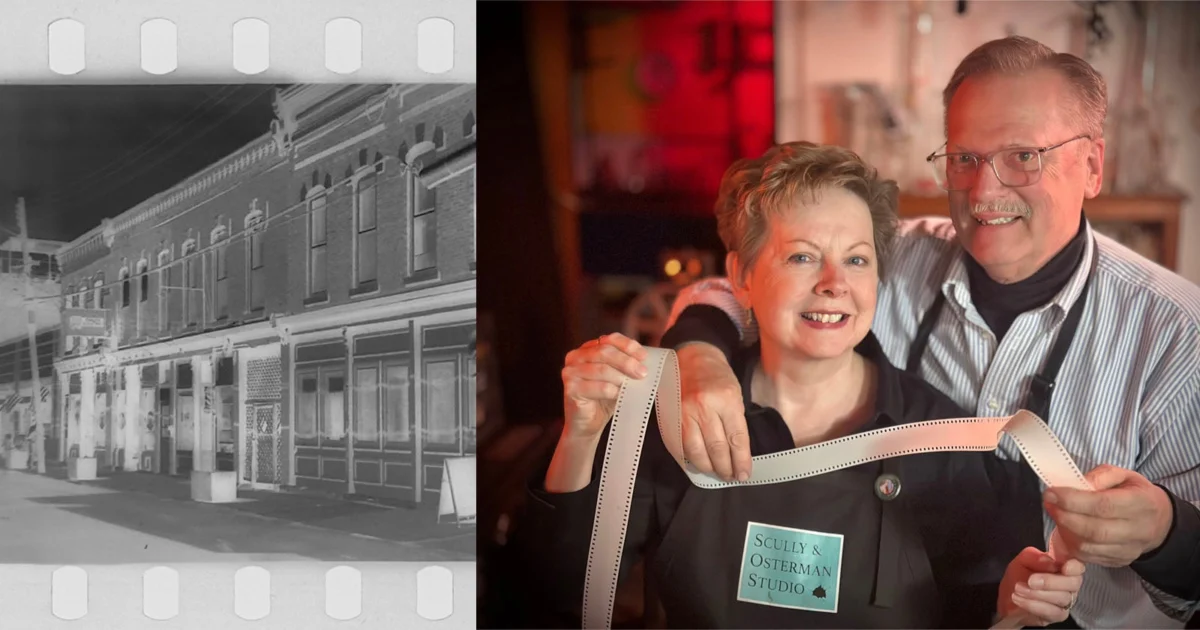
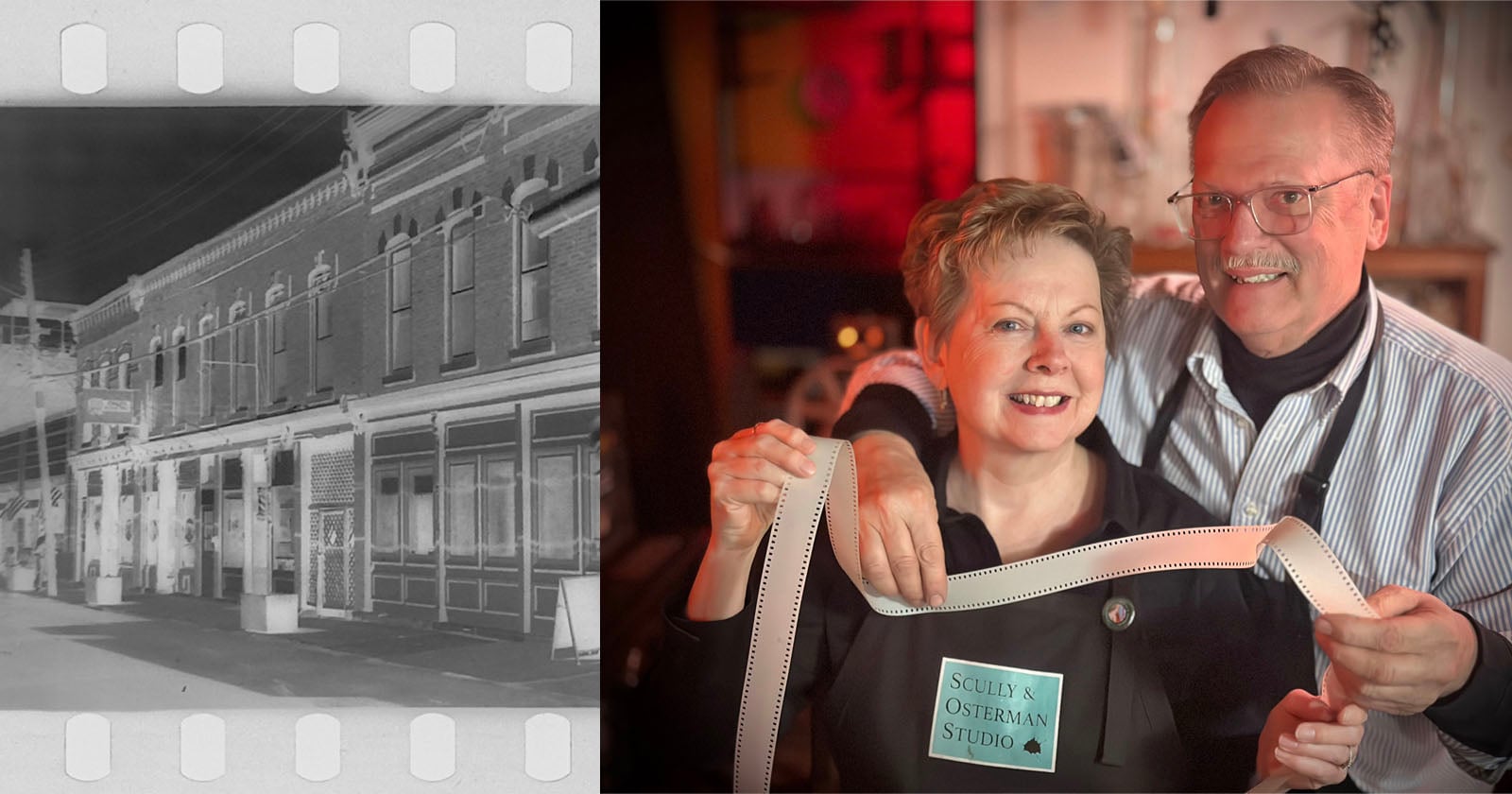
In a modest basement in Rochester, New York—a city historically synonymous with the birth of amateur photography—two seasoned experts are undertaking a project that bridges a century of photographic history. Mark Osterman and France Scully Osterman, renowned educators and process historians, have established what they describe as the "world’s smallest film factory." Their objective is not to compete with modern digital sensors or even contemporary film giants like Kodak, but rather to resurrect the specific aesthetic and chemical composition of the 1920s-era film used by Oskar Barnack, the father of 35mm photography. This ambitious endeavor involves the manual production of orthochromatic silver halide emulsion, the restoration of vintage machinery, and a planned pilgrimage to the Leica headquarters in Wetzlar, Germany, to donate a priceless artifact of photographic heritage.
The Genesis of the MO-1925 Project
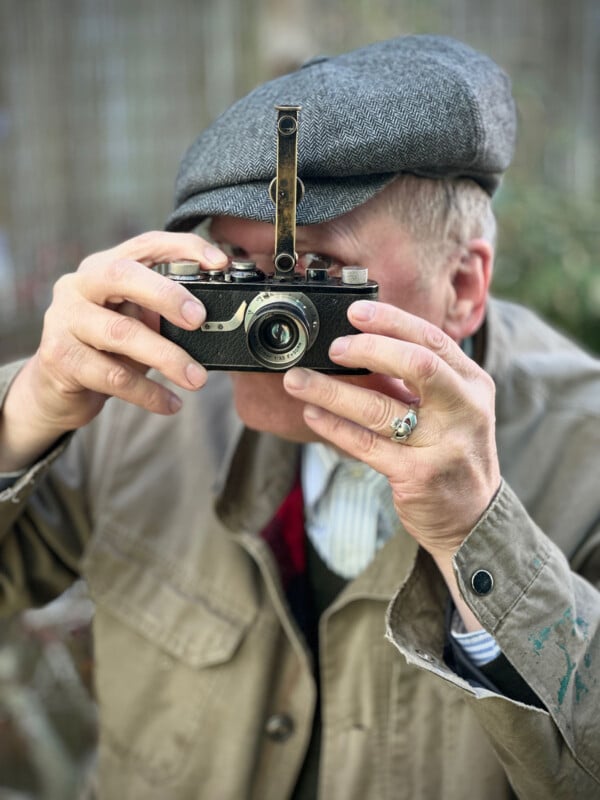
The project, titled MO-1925, was born from a chance encounter in Istanbul, Turkey. While the Ostermans were abroad teaching gelatin emulsion techniques, they encountered a Leica 1a "Hockey Stick"—a rare, early model of the camera that revolutionized the medium. Mark Osterman, 71, whose career at the George Eastman Museum involved decades of researching the evolution of photographic processes, found himself captivated by the instrument. This fascination led him to acquire his own 1928 Leica 1a via an online marketplace, sparking a desire to see the world through the same medium that Barnack himself utilized during the camera’s developmental years.
To achieve this, the Ostermans realized they could not simply buy off-the-shelf film. Modern 35mm film is panchromatic, meaning it is sensitive to all colors of the visible spectrum. In contrast, the film available to Barnack in the early 20th century was orthochromatic. This earlier technology was sensitive only to blue and violet light, rendering reds, oranges, and yellows as dark or black in the final print. This chemical limitation created a distinct visual language—characterized by dramatic skies and specific tonal separations in skin and foliage—that the Ostermans are now meticulously recreating in their Rochester home.
Reconstructing the Industrial Past in a Residential Basement
The technical challenges of producing 35mm film at home are immense. While many hobbyists still develop their own film, almost none manufacture the physical stock from scratch. The Ostermans have managed to procure a suite of industrial machinery that was once the standard of the early 20th-century photographic industry. Their "factory" includes a custom-built film coating machine, a vintage film perforating machine for punching the sprocket holes necessary for camera transport, and a precision slitter to cut wide rolls of film into the standard 35mm format.
The inventory of their laboratory reads like a museum manifest:
- 1926 Leitz Variable Enlarger: A period-accurate device for projecting negatives.
- FIMAN Film Developing Drum: A rare, specialized tool for processing long lengths of motion picture and still film.
- Silver Nitrate and Gelatin Bases: The raw chemical components used to create the light-sensitive emulsion.
- Thousands of feet of blank film base: The substrate upon which the handmade emulsion is coated.
The Ostermans’ work is unique because it is entirely transparent. Because orthochromatic film is not sensitive to red light, the entire manufacturing process—from coating to perforating—can be conducted under a red "safelight." This allows the couple to document every step of their operation, providing an educational resource that would be impossible with modern panchromatic films, which must be handled in absolute darkness.
The Chemistry of Time: Orthochromatic vs. Panchromatic
The "MO-1925" film produced by the Ostermans is a labor-intensive recreation of the gelatin silver emulsions of the mid-1920s. Historically, these films were characterized by an extremely low light sensitivity. When Oskar Barnack was testing his prototypes, film speeds were often equivalent to an ISO of 1 or 2. For modern photographers used to ISO 400 or higher, such low sensitivity requires long exposures or extremely bright light.
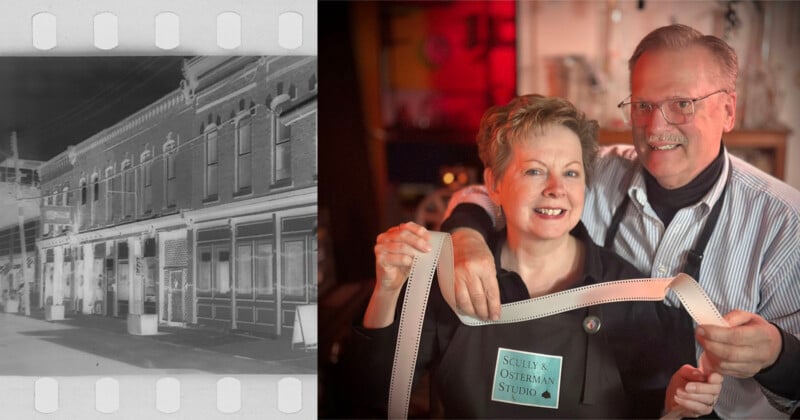
Mark Osterman has successfully optimized the 1920s formula, pushing the sensitivity of their handmade stock to an ISO of approximately 10 to 20. While still slow by modern standards, this represents a significant technical achievement in handmade emulsion making. The resulting images maintain the "fine grain" structure that was central to Leica’s original marketing philosophy: "Small negative, large print." By utilizing a high-resolution, low-speed emulsion, the Ostermans can produce enlargements that retain remarkable detail, honoring the engineering goals of the early Leitz company.
The 1914 Barnack Artifact and the Wetzlar Mission
Central to the project is a rare historical artifact in Mark Osterman’s possession: a roll of 35mm film shot by Oskar Barnack himself in 1914. This roll is among the oldest extant examples of the 35mm format, predating the commercial release of the Leica camera by more than a decade. Osterman acquired the film to serve as a benchmark for his own emulsion-making efforts, allowing him to chemically and visually compare his "MO-1925" stock with the original material used by the inventor.
The project is now moving toward its climax. The Ostermans have launched a fundraising campaign to finance a documentary that will follow them to Leica’s headquarters in Wetzlar, Germany. There, they intend to present their findings and officially donate the 1914 Barnack film roll to the Leica Museum. This donation is viewed by historians as a significant contribution to the preservation of photographic history, returning a piece of the company’s foundational heritage to its birthplace.
"We can prove it’s Kodak film," Mark Osterman noted, referring to the 1914 roll. "We are making the same look emulsion that he used. When we go to Wetzlar, we’re going to donate that roll of film to the Leica Museum. It’s a big deal."
Broader Implications for the Analog Revival
The work of Mark and France Scully Osterman arrives at a time of significant resurgence for analog photography. While the industry is largely dominated by digital technology, the "analog revival" has seen a surge in interest from younger generations seeking a more tactile and deliberate creative process. However, the Ostermans’ project goes beyond mere hobbyism; it is a form of experimental archeology.
By recreating the exact conditions and materials of the 1920s, they are providing insights into how the limitations of early technology shaped the aesthetics of early 20th-century photojournalism and art. Their work also highlights a growing concern in the field of photo conservation: as the knowledge of these older processes fades, the ability to properly preserve and restore historical negatives and prints diminishes.
Mark Osterman’s background at the George Eastman Museum—the world’s oldest photography museum—informed this mission. His career was dedicated to teaching conservators how to identify images by their chemical process and predict how they will deteriorate. The MO-1925 project is the practical application of that lifetime of scholarship.
A Project of Intellectual Rather Than Monetary Value
Despite the complexity and the equipment involved, the Ostermans are not seeking to build a commercial empire. The "world’s smallest film factory" produces only a fraction of what a commercial line would generate in minutes. The couple has emphasized that the project is driven by "intellectual value" rather than profit. The funds raised via their GoFundMe campaign are earmarked specifically for the production of the documentary and the travel costs associated with the Wetzlar trip, ensuring that the process is recorded for future generations of historians and photographers.
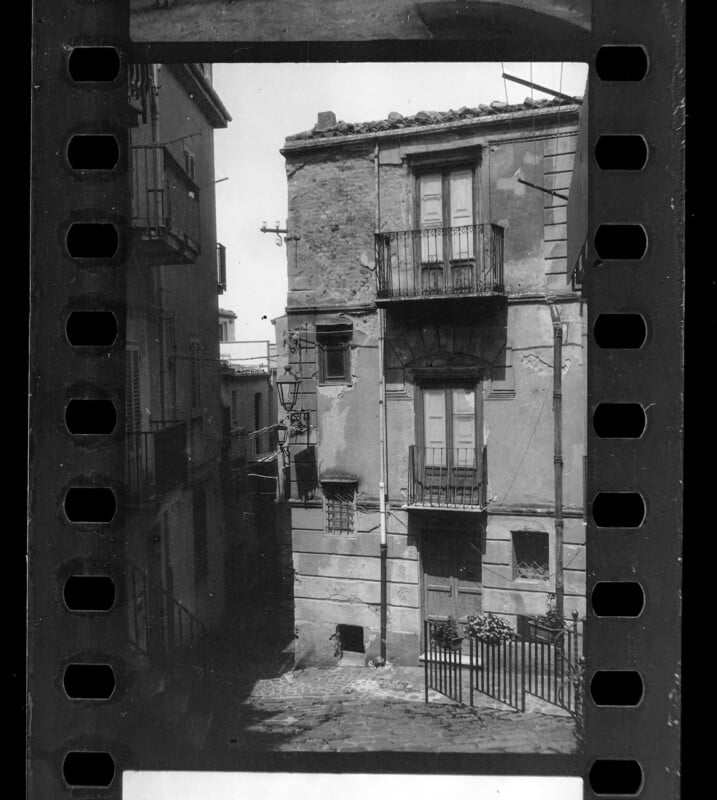
"I come from a culture of learning how to do things with no monetary value," Osterman explained. This sentiment reflects a broader movement within the "alt-process" community, where the reward is the mastery of the craft and the preservation of a medium that was once nearly lost to the digital revolution.
Conclusion: Bridging Two Centuries
The MO-1925 project serves as a living link between the industrial revolution of the 1920s and the artisanal movements of the 2020s. By combining the precision of Leica’s early engineering with the "kitchen chemistry" of handmade emulsions, the Ostermans are ensuring that the vision of Oskar Barnack remains a tangible, workable reality. As they prepare to hand over the 1914 film roll to the Leica Museum, they are not just delivering a piece of plastic and silver; they are delivering a century of photographic continuity. In a basement in Rochester, the past is not just being remembered—it is being manufactured, one frame at a time.

