


Every April 22 since 1970, people across every continent come together to honor an essential part of our shared lives – planet Earth. This annual observance, now a global phenomenon engaging over a billion individuals, serves as a powerful reminder of humanity’s collective responsibility to protect the environment and preserve biodiversity. While Earth Day spotlights pressing issues from climate change to pollution, it also offers an opportunity to recognize the silent, tireless work performed by countless species that maintain the planet’s delicate ecological balance. Among these vital contributors, birds stand out as unsung environmental heroes, executing remarkable tasks that underpin healthy ecosystems worldwide. From microscopic pollen transfer to large-scale nutrient cycling, avian species are indispensable architects of a thriving planet, a role particularly poignant to reflect upon during Earth Day’s call to "Invest in Our Planet."
Earth Day: A Movement for Environmental Consciousness
The genesis of Earth Day dates back to 1970, a pivotal year when environmental consciousness began to solidify in the public sphere. Initiated by Senator Gaylord Nelson of Wisconsin, Earth Day was conceived as a nationwide teach-in on environmental issues. Inspired by the anti-war movement’s teach-ins, Nelson aimed to infuse environmental concerns into the national political agenda. On April 22, 1970, an estimated 20 million Americans – then 10% of the U.S. population – participated in rallies, demonstrations, and educational events, marking the largest single-day protest in American history. This unprecedented mobilization led directly to the creation of the United States Environmental Protection Agency (EPA) and the passage of landmark environmental legislation, including the Clean Air Act, Clean Water Act, and the Endangered Species Act.
By 1990, Earth Day had expanded into a global event, mobilizing 200 million people in 141 nations and elevating environmental issues onto the world stage. This international push paved the way for the 1992 United Nations Earth Summit in Rio de Janeiro, a landmark conference that focused on global sustainable development. Today, Earth Day continues to be a crucial platform for environmental advocacy, promoting awareness and action on issues ranging from climate change and plastic pollution to sustainable agriculture and biodiversity loss. The ongoing emphasis on "Invest in Our Planet" underscores the economic and social imperative of environmental protection, highlighting how a healthy planet directly benefits human prosperity and well-being. Recognizing the foundational ecological services provided by wildlife, particularly birds, is integral to this investment.
Hummingbirds: Tiny Wings, Big Impact as Pollinators and Bioindicators
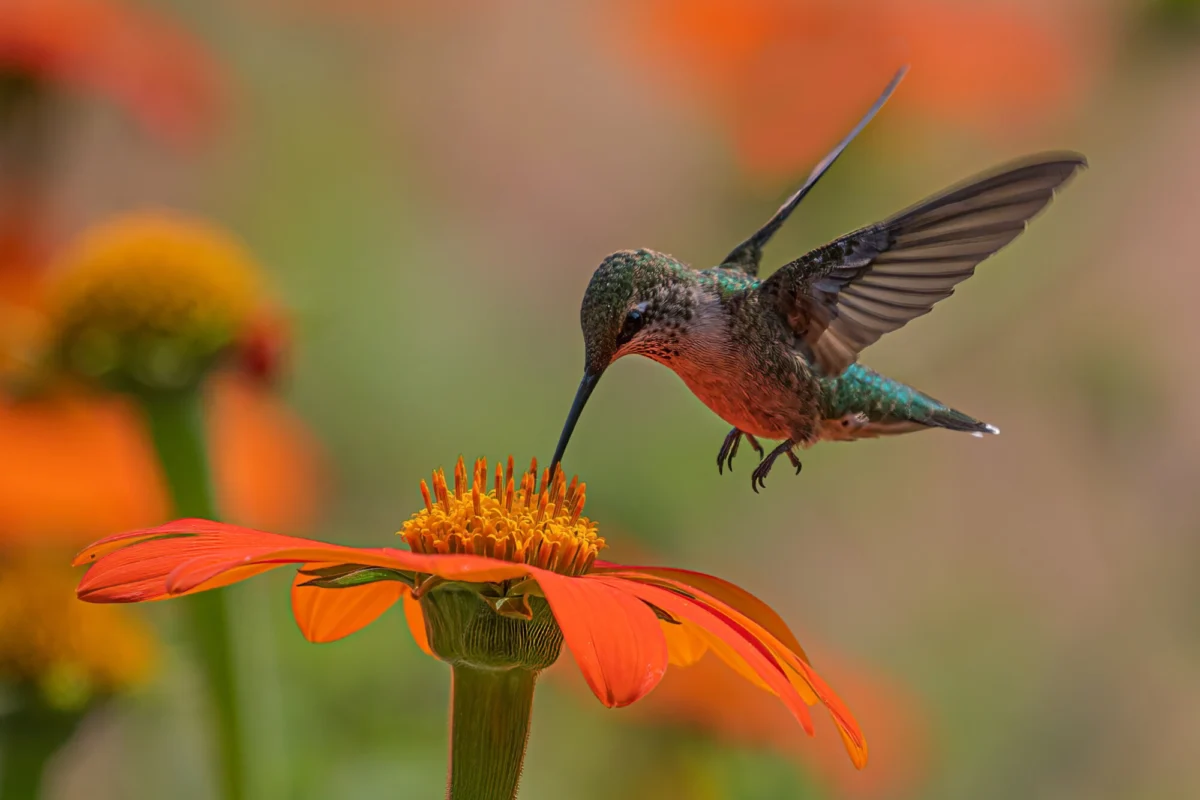
Among the planet’s most captivating avian species, hummingbirds may be tiny, but their ecological impact is mighty. These specialized nectar feeders play a critical, often irreplaceable, role in pollination. As they flit from flower to flower, their long, slender beaks and tongues access nectar deep within blossoms, inadvertently transferring pollen between flowers. This process is essential for plant reproduction, facilitating the genetic diversity and propagation of numerous plant species. Their importance is especially pronounced in environments where other traditional pollinators like bees and butterflies might struggle due to habitat loss, pesticide use, or climate disruption.
Hummingbirds often engage in co-evolved relationships with specific plants, many of which exhibit bright, tubular flowers designed to attract these avian specialists. For instance, many species of penstemon, fuchsia, and trumpet vine rely almost exclusively on hummingbirds for pollination. This intricate interdependence promotes biodiversity by ensuring the survival of both the birds and the plants they service. Furthermore, hummingbirds act as sensitive bioindicators of environmental change. Their highly specialized diets and specific habitat requirements mean that shifts in their populations, migration patterns, or breeding success can signal broader ecological distress, such as habitat fragmentation, pesticide contamination, or alterations in flowering seasons due to climate change. Researchers closely monitor hummingbird populations as early warning systems for ecosystem health, understanding that their well-being is intrinsically linked to the vitality of entire landscapes. Dr. Elena Ramirez, a conservation biologist specializing in neotropical avifauna, notes, "Hummingbirds are the delicate threads weaving together complex floral networks. Any fraying in their populations reverberates through the entire ecosystem, affecting everything from fruit production to forest regeneration."
Vultures: Nature’s Unsung Cleanup Crew and Disease Preventers
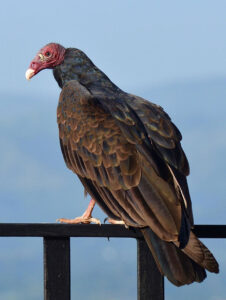
Another planetary superhero, though often misunderstood and aesthetically challenging to many, is the vulture. These large, purposely bald birds, frequently observed circling high in the sky, perform an indispensable ecological service: disposing of carrion. Vultures are Earth’s primary sanitation crew, meticulously clearing animal carcasses before they can decompose and become breeding grounds for disease. This crucial function prevents the spread of dangerous pathogens like rabies, anthrax, and botulism, which can otherwise proliferate in rotting remains and pose significant threats to wildlife, livestock, and even human populations.
Vultures are blessed with highly acidic digestive systems, capable of neutralizing deadly bacteria and viruses that would be lethal to most other scavengers. This unique physiological adaptation allows them to safely consume diseased carcasses without becoming ill themselves, effectively sterilizing the environment. The impact of their absence is starkly illustrated by events in South Asia in the late 20th and early 21st centuries. The widespread use of the veterinary drug diclofenac, toxic to vultures, led to a catastrophic 99% decline in certain vulture populations. This collapse resulted in a dramatic increase in unattended carcasses, which in turn fueled a surge in feral dog populations, leading to a rise in rabies cases among humans. The economic cost of public health interventions and livestock losses far outweighed any perceived benefit of the drug, highlighting the immense, often undervalued, "free ecosystem service" provided by vultures. As Dr. Anya Sharma, a wildlife veterinarian with the World Health Organization, emphasizes, "Vultures are silent guardians of public health. Their role in disease prevention is an ecological cornerstone that we ignore at our peril, as demonstrated by the tragic consequences of their decline in regions like India."
Seabirds: Connecting Land and Sea through Nutrient Cycling
Birds, with their extraordinary gift of flight and vast migratory patterns, also serve as crucial connectors between disparate ecosystems, particularly linking marine and terrestrial environments. Seabirds, such as gulls, terns, albatrosses, and boobies, play a vital role in transporting nutrients from the nutrient-rich oceans to often nutrient-poor landmasses, especially islands and coastal areas. Through their droppings, known as guano, these birds deposit significant amounts of nitrogen, phosphorus, and other essential minerals onto land.
This nutrient transfer enriches soil composition, boosting plant growth and enhancing overall vegetation health on islands and coastal cliffs. Healthier vegetation, in turn, provides more stable habitats for a wider array of insects, small mammals, and other birds. The increased terrestrial biomass also contributes to improved water retention and reduced soil erosion. Furthermore, runoff from guano-enriched soils can stimulate marine productivity in nearshore waters, creating a positive feedback loop that supports coral reefs and fish populations. By bridging marine and terrestrial systems, seabirds help maintain the productivity, resilience, and biodiversity of entire island ecosystems, which are often fragile and highly susceptible to environmental disruptions. Their extensive foraging ranges mean that they can distribute these vital nutrients over vast distances, acting as mobile fertilization units. However, seabirds face severe threats from plastic pollution, overfishing, and climate change, with cascading effects on the health of both marine and terrestrial environments. Dr. Marcus Thorne, a marine ecologist, states, "Seabirds are the unsung architects of island biodiversity. Their guano is not just waste; it’s a vital nutrient pump, transforming barren rocks into vibrant ecosystems, demonstrating the profound interconnectedness of our planet’s systems."
Parrots: The Forest’s Lively Gardeners and Ecosystem Multilinkers
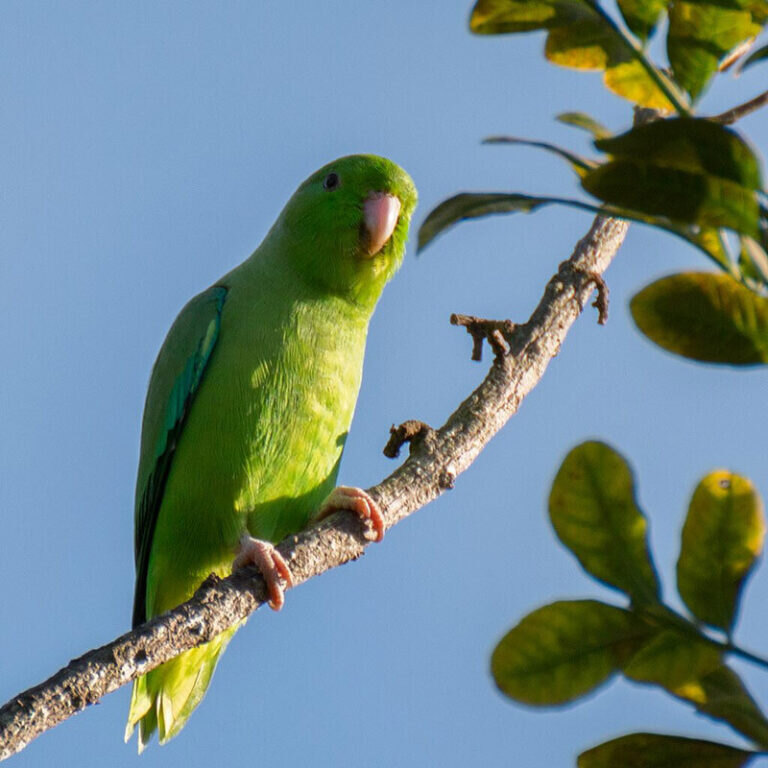
Let’s not overlook the vibrant and intelligent parrots in the conversation about birds helping the planet. Research increasingly shows that parrots act as "multilinkers" in ecosystems, performing a diverse array of ecological services that contribute significantly to forest health and biodiversity. One of their most critical roles is as seed dispersers. By feeding on fruits and then defecating the seeds elsewhere, often far from the parent plant, parrots facilitate the regeneration and expansion of plant populations. Some seeds even benefit from passing through a parrot’s digestive tract, which can scarify the seed coat and improve germination rates. Their movement across landscapes helps transfer energy and nutrients between different parts of an ecosystem, supporting plant life cycles and overall biodiversity.
Beyond seed dispersal, certain parrot species also contribute to pollination as they forage for nectar and pollen. Furthermore, many wild parrots, contrary to popular perception, have a diet that includes insects, larvae, and even small vertebrates, making them agents of pest control. By feeding on these organisms, they help regulate insect populations, preventing potential outbreaks that could harm forest vegetation. In some instances, parrots even aid directly in forest regeneration by spreading viable seeds over longer distances, especially in fragmented habitats, thereby connecting isolated plant communities and enhancing genetic flow. The impact of their activity helps shape forest structure and composition, ensuring a diverse and resilient ecosystem. Dr. Sofia Chang, a tropical ecologist, highlights, "Parrots are far more than just beautiful birds; they are dynamic forest engineers. Their feeding habits, from dispersing seeds to consuming insects, create a ripple effect that maintains the intricate balance and health of tropical forests, making them true keystone species."
Broader Implications and the Path Forward
The examples of hummingbirds, vultures, seabirds, and parrots represent just a fraction of the countless ways avian species contribute to global ecosystem health. Insectivorous birds consume vast quantities of agricultural pests, reducing the need for chemical pesticides and safeguarding food security. Raptors, such as hawks and owls, help control rodent populations, benefiting human health and agricultural output. Many other frugivorous and granivorous birds are essential for the dispersal of seeds, ensuring the propagation of diverse plant life across various biomes.
A healthy and diverse avian population is a critical indicator of a healthy ecosystem. Conversely, declining bird populations often signal broader environmental degradation, including habitat loss, climate change impacts, pollution, and unsustainable resource extraction. The implications of losing these avian heroes extend far beyond the aesthetic. Their ecological services are fundamental to human well-being, providing clean air and water, fertile soils, disease regulation, and the very biodiversity that underpins our planet’s life support systems. The economic value of these services, if they had to be replicated by human intervention, would be astronomical.
As Earth Day continues to evolve, its core message of collective responsibility remains paramount. Protecting these feathered environmental architects requires concerted global efforts: safeguarding critical habitats, mitigating climate change, reducing pollution, combating illegal wildlife trade, and promoting sustainable practices. Investing in bird conservation is not merely an act of preserving wildlife; it is an investment in the resilience of our planet and the future of humanity. By understanding and appreciating the profound contributions of birds, we can better champion their protection and ensure that their vital ecological services continue to sustain life on Earth for generations to come.

