


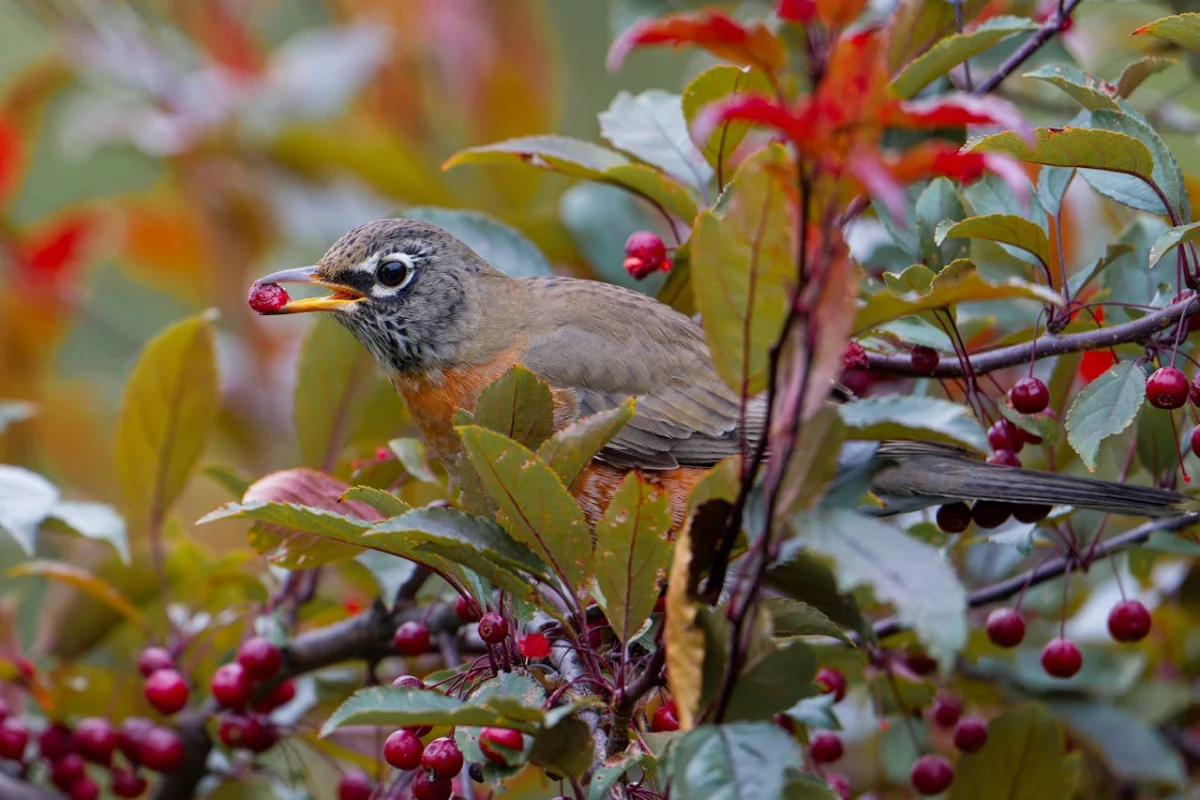
American Robins, those familiar flashes of orange against verdant lawns and suburban landscapes, are more than just cheerful harbingers of spring. These small, delightful birds, commonly found in grasslands, woodlands, and even our very own backyards, possess a fascinating and often overlooked aspect of their daily lives: where they choose to rest and recharge. While their diurnal activity is well-known, the specific roosting preferences of the American Robin reveal a sophisticated survival strategy driven by paramount needs for safety and warmth.
The common query, "Does it have a place to sleep in?" is a natural one for observers of these ubiquitous birds. The answer, in the vast majority of cases, is a resounding yes. However, pinpointing a single, definitive answer to "where do robins sleep?" proves elusive, as their chosen resting spots are remarkably adaptable and directly influenced by prevailing environmental conditions, particularly the weather. For the most part, robins prioritize enclosed spaces, such as dense shrubs and bushes, to ensure their safety and comfort throughout the night. This preference directly challenges a prevalent myth that robins exclusively sleep in their meticulously constructed nests. In reality, a robin’s capacity to adapt its sleeping quarters is a testament to its resilience and resourcefulness.
Robins are classified as diurnal birds, meaning they are active and engaged in daily activities such as foraging for food, building nests, and interacting with their environment from dawn until dusk. As the sun begins to set, their focus shifts towards finding a secure location to rest and recuperate, preparing them for the demands of the coming day. This diurnal nature, however, leaves them inherently vulnerable to nocturnal predators, a factor that heavily influences their roosting choices.
The paramount considerations for any robin selecting a sleeping spot are protection from potential threats and maintaining adequate body warmth. These two factors often dictate the type of location they will favor, leading them to seek out areas that offer concealment and insulation. The evolutionary drive for survival dictates that these considerations far outweigh any other preference when darkness falls.

The Strategic Advantage of Concealment and Warmth
The diurnal lifestyle of the American Robin places them at a distinct disadvantage when night arrives. Many of their predators, such as owls, foxes, and domestic cats, are active under the cover of darkness and possess heightened senses of sight and smell. To mitigate this risk, robins instinctively seek out roosting sites that offer effective camouflage and a barrier against the elements.
Dense foliage, such as the thick branches of shrubs and bushes, provides an excellent visual screen, making it difficult for predators to spot a resting robin. The layered structure of these plants also helps to break up the bird’s silhouette and confuse visual detection. Furthermore, these enclosed spaces can trap body heat and offer protection from wind and rain, crucial for conserving energy during colder periods.
The keen olfactory senses of many nocturnal predators also pose a threat. Woodlands and grasslands, with their complex array of scents from decaying organic matter and diverse plant life, can help to mask the robin’s own scent, further enhancing their security. This ability to blend into their surroundings, both visually and olfactorily, is a critical survival mechanism.
Favorite Sleeping Spots for Robins: A Multifaceted Approach
The American Robin’s adaptability is truly remarkable, as they can transform a surprising variety of locations into safe havens for sleep. Understanding these preferences can offer valuable insights into the ecological needs of these common birds.
1. Bushes and Hedges: The Classic Sanctuary
Bushes and hedges stand out as a perennial favorite for robins seeking a night’s rest. Their intricate structure, with numerous twists and turns, creates a labyrinthine environment that is difficult for predators to navigate. This natural complexity offers a high degree of concealment, effectively hiding the robin from prying eyes. Hedge banks, in particular, are often favored due to their proximity to the ground while still offering ample cover. The dense growth provides a secure microclimate, shielding the birds from wind and rain, and the interwoven branches offer multiple perching options, allowing the robin to select the most advantageous spot for maximum safety.
2. Trees: Elevated Vigilance
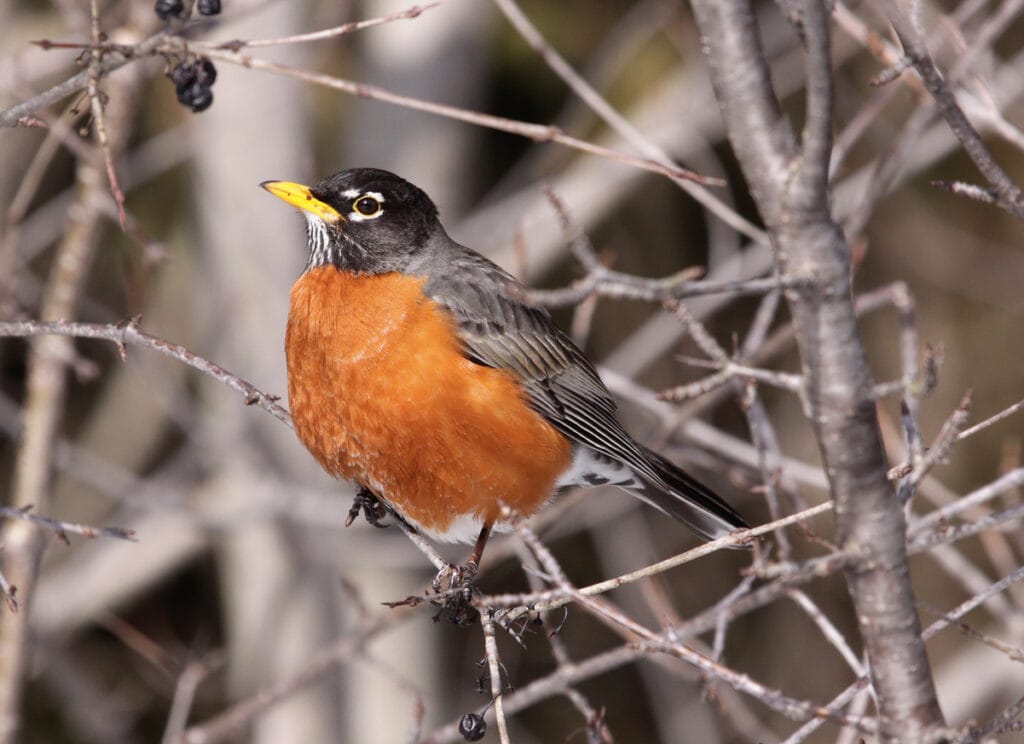
Like many avian species, robins will also utilize trees for roosting. They tend to favor lower-hanging branches, which are more accessible and offer a degree of concealment within the tree’s canopy. While trees may not provide the same level of visual obscurity as dense bushes, they offer an important advantage: early detection of approaching predators. The rustling of leaves and twigs caused by an approaching animal is often audible to a robin perched on a branch, providing a crucial warning that allows the bird to take flight before an attack can be launched. However, during the colder winter months, trees offer less insulation compared to more enclosed spaces, making them a less common choice for roosting when warmth is a primary concern.
3. Log Piles: Ground-Level Comfort and Security
For robins that prefer to sleep closer to the ground, log piles present an attractive option. These accumulations of fallen wood offer both warmth and security. The gaps between the logs create sheltered nooks that protect the robin from wind and predators. Nocturnal predators, relying heavily on their eyesight, find it challenging to spot a small bird nestled within the dark recesses of a log pile. Moreover, log piles tend to retain heat, providing a cozy environment that helps robins conserve energy during chilly nights, especially in winter. This combination of warmth and concealment makes log piles a highly favored roosting site.
4. Wellies: Unexpected Havens
The humble rain boot, or "wellie," can offer a surprising sanctuary for robins and other small birds. Their distinctive shape creates a confined, tunnel-like space that is difficult for predators like cats and foxes to access. The waterproof nature of wellies also provides excellent protection from rain, a significant benefit for small birds exposed to the elements. The narrow opening further enhances security, making it challenging for predators to reach the bird within. This unexpected yet effective roosting spot highlights the robin’s ability to exploit readily available resources in its environment.
5. Car Bonnets: Warmth in Unexpected Places
During colder periods, car bonnets can become surprisingly attractive resting places for robins. The residual warmth from the engine, especially after a car has been driven, provides a welcome source of heat. The enclosed space beneath the bonnet offers a degree of protection from both predators and the cold. However, this particular roosting habit carries an inherent risk for the birds. It is crucial for car owners to exercise caution and check their engine bays before starting their vehicles, particularly during winter, to avoid inadvertently harming any sleeping avian occupants. Fortunately, as diurnal creatures, robins are typically awake and active before most humans begin their morning commutes, minimizing the chances of such unfortunate encounters.
6. Pockets: The Ultimate Unpredictability
The resourcefulness of the American Robin extends to the most unlikely of places, including the pockets of jackets and coats. This remarkable adaptability stems from their ability to utilize virtually any available space for shelter. If a coat is left hanging outdoors, a robin might discover the enclosed darkness of a pocket to be an ideal sleeping spot. The unpredictability of such a location works to the robin’s advantage, as predators like foxes and cats are unlikely to investigate inside pockets. This strategy leverages the element of surprise, allowing the robin to rest undisturbed in a seemingly ordinary, yet remarkably secure, environment.
Do Robins Sleep in Nests? The Nuance of Parental Care
The construction of a nest is a significant undertaking for any bird, involving the collection of materials like moss and dead leaves to create a secure structure, typically in a high tree, for laying eggs. While observing this process, it is easy to assume that nests serve as permanent homes for sleeping. However, this is not entirely accurate. Robins do not typically create nests solely for their own sleeping purposes.
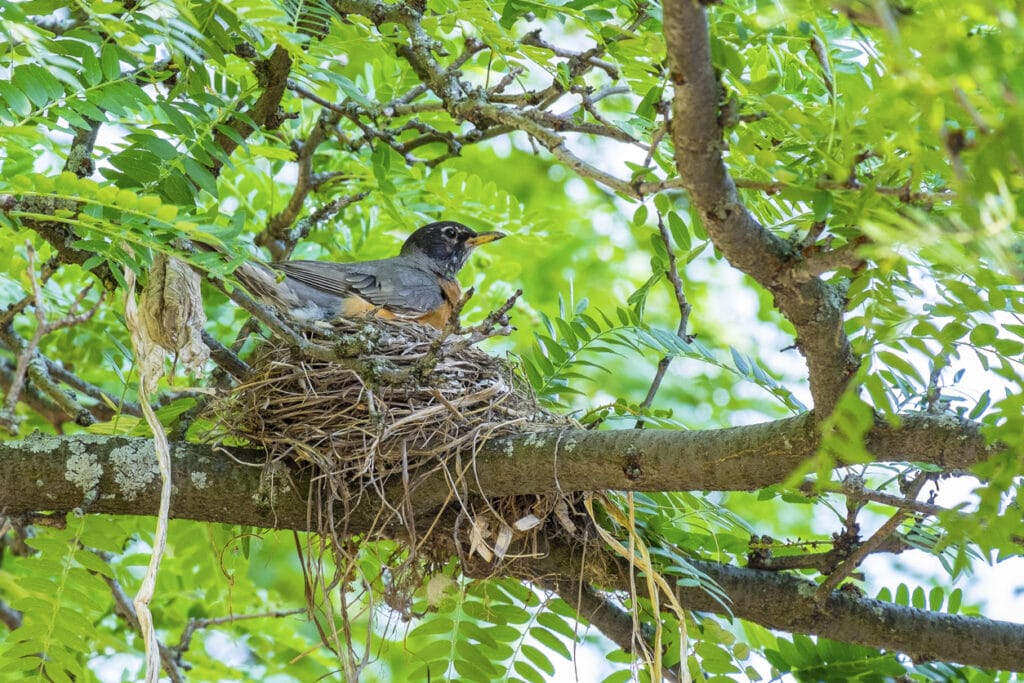
The primary function of a nest is reproduction. During the breeding season, which typically spans from April to July, female robins will lay their eggs and incubate them within the nest. During this crucial period, both parents will utilize the nest for sleeping, primarily to protect the developing eggs from predators and the elements. Even while resting in the nest, the parent robin remains vigilant for any signs of danger. It is common to observe the mate of the incubating robin roosting nearby in a bush or on a branch, ready to provide assistance or act as a sentry.
Once the eggs have hatched and the young birds have fledged, the nest’s role as a primary sleeping location diminishes significantly for adult robins. While they might occasionally use an old nest for shelter, it is far more common for them to seek out the varied roosting sites discussed previously. The nest’s importance is intrinsically linked to the reproductive cycle, rather than being a general sleeping quarters for the species.
Can Robins Sleep in My Garden? Cultivating a Welcoming Environment
Attracting American Robins to your garden and encouraging them to roost there is an achievable goal. By incorporating a few key elements, you can transform your outdoor space into a haven for these beloved birds.
Birdfeeders: A Culinary Invitation
Birdfeeders are an essential investment for any aspiring robin-attracting garden. These devices provide a convenient and consistent source of food, which is a primary draw for birds. Fortunately, American Robins are not particularly fussy eaters. They have a well-documented fondness for dried fruits, berries, and seeds. By offering a varied and nutritious diet through feeders, you can significantly increase the appeal of your garden, making it a prime destination for robins and a wide array of other bird species. This ease of access to sustenance is a crucial factor in their decision to frequent and potentially roost in an area.
Bushes and Shrubs: Creating Natural Shelter
Beyond providing food, dense bushes and shrubs play a vital role in attracting robins for roosting. As previously emphasized, robins seek out leafy, enclosed areas for the protection they offer. Planting a variety of native shrubs and evergreen bushes can create the ideal habitat for them to feel secure and comfortable during their nighttime rest. After a meal from your birdfeeders, robins can then retreat to the safety of these planted shelters to sleep.
To further enhance your garden’s appeal and safety for robins, it is crucial to deter potential predators. Keeping domestic cats and foxes away from your garden will significantly reduce the perceived threat to robins, making them more likely to settle down for the night. The presence of these predators can be a major deterrent, causing robins to avoid an otherwise attractive area.
How to Identify a Robin: Distinctive Features and Behaviors
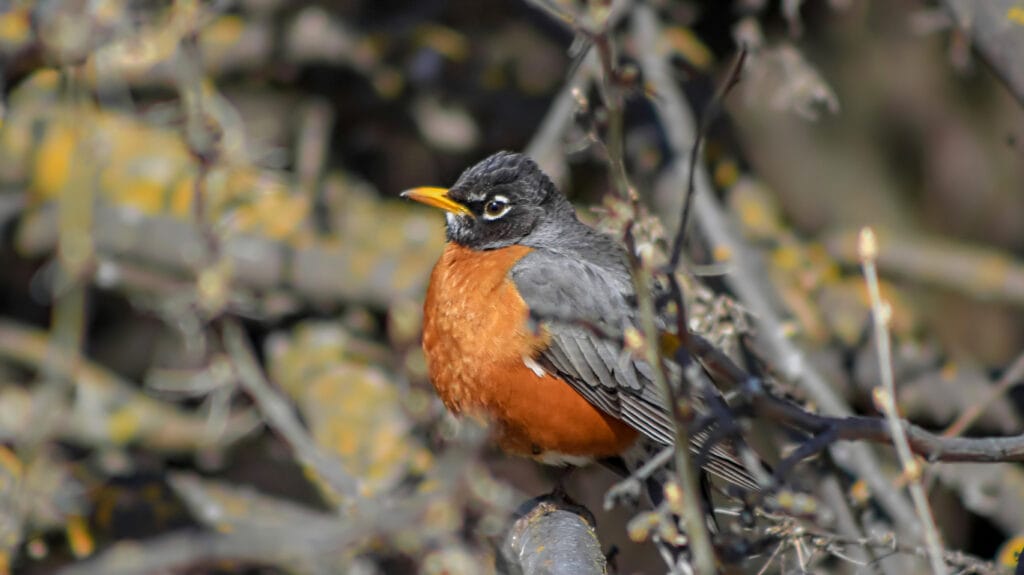
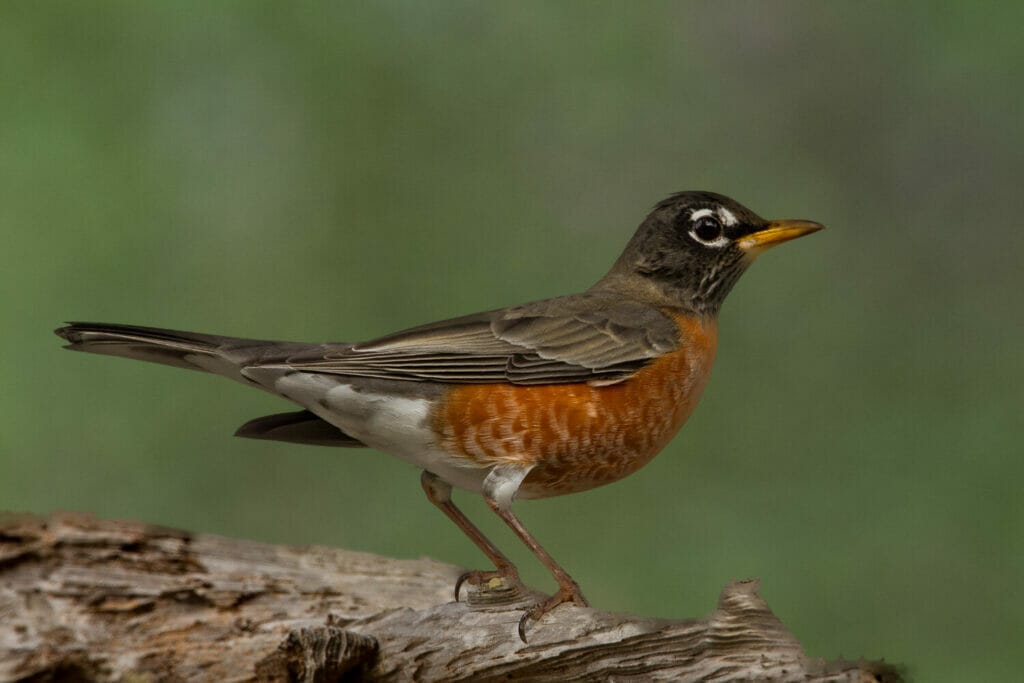
The American Robin is a readily identifiable bird, characterized by its distinctive appearance and generally friendly disposition towards humans. With an average wingspan of around eight inches, they are a common sight. Their dark brown eyes are a notable feature, and their plumage is primarily a pale brown, except for their breast and throat, which are a vibrant, unmistakable orange. This striking coloration, while beautiful, also serves as a visual cue for predators, which is why nestlings are often born a more uniform pale brown to increase their chances of survival. This contrast between the pale body and the bright orange breast is a defining characteristic that makes the American Robin so recognizable.
Quick Recap: The Essentials of Robin Roosting
American Robins are remarkably adaptable and undemanding birds, capable of finding comfort and security in a wide array of locations. The key to understanding their sleeping habits lies in recognizing their fundamental needs: protection from predators and warmth.
In essence, a robin can transform almost any suitable spot into an ideal sleeping location, provided it meets these critical criteria. From the dense foliage of bushes and hedges to the elevated perches of trees, the sheltered nooks of log piles, and even the unexpected confines of wellington boots, car bonnets, and coat pockets, the robin demonstrates an impressive capacity for environmental adaptation.
The critical factors for any potential roosting site are:
- Concealment: The location must offer sufficient cover to hide the robin from visual predators.
- Protection from Elements: The site should provide insulation from wind, rain, and extreme temperatures.
- Accessibility: While safety is paramount, the location must be relatively easy for the robin to access.
Understanding these basic needs allows us to appreciate the complex survival strategies employed by these common yet fascinating birds.
Frequently Asked Questions About Robin Sleep Habits
Do robins sleep with other robins?
Yes, American Robins have been observed gathering in groups, particularly during the winter months. This communal roosting behavior is primarily driven by the need for collective warmth and enhanced predator detection. Huddling together helps conserve body heat, a crucial adaptation for surviving colder temperatures.
Do robins sleep standing up?
No, American Robins do not typically sleep standing up. Instead, they will "hunker down" in a safe and warm location. This involves tucking their feet and lowering their body to minimize heat loss and maintain stability.
Do robins sleep with their mate?
No, American Robins do not form lifelong pair bonds. They typically pair up for a single breeding season and then become independent of each other for the remainder of the year. Consequently, they generally sleep alone, with each individual seeking out its own roosting site for the night.

