


Parrots, as a family, are renowned for their breathtaking plumage, yet few species rival the sheer vibrancy of the Eastern Rosella (Platycercus eximius). This medium-sized parrot, native to the southeastern regions of Australia, including Tasmania, is an undeniable spectacle, a living mosaic of red, yellow, green, and blue. Far from being a shy forest dweller, its striking appearance and engaging personality have also cemented its status as a beloved companion bird globally. Its adaptability to diverse environments, from pristine woodlands to agricultural landscapes, speaks volumes about its resilience and ecological success.
Unveiling the Eastern Rosella: A Masterpiece of Avian Design
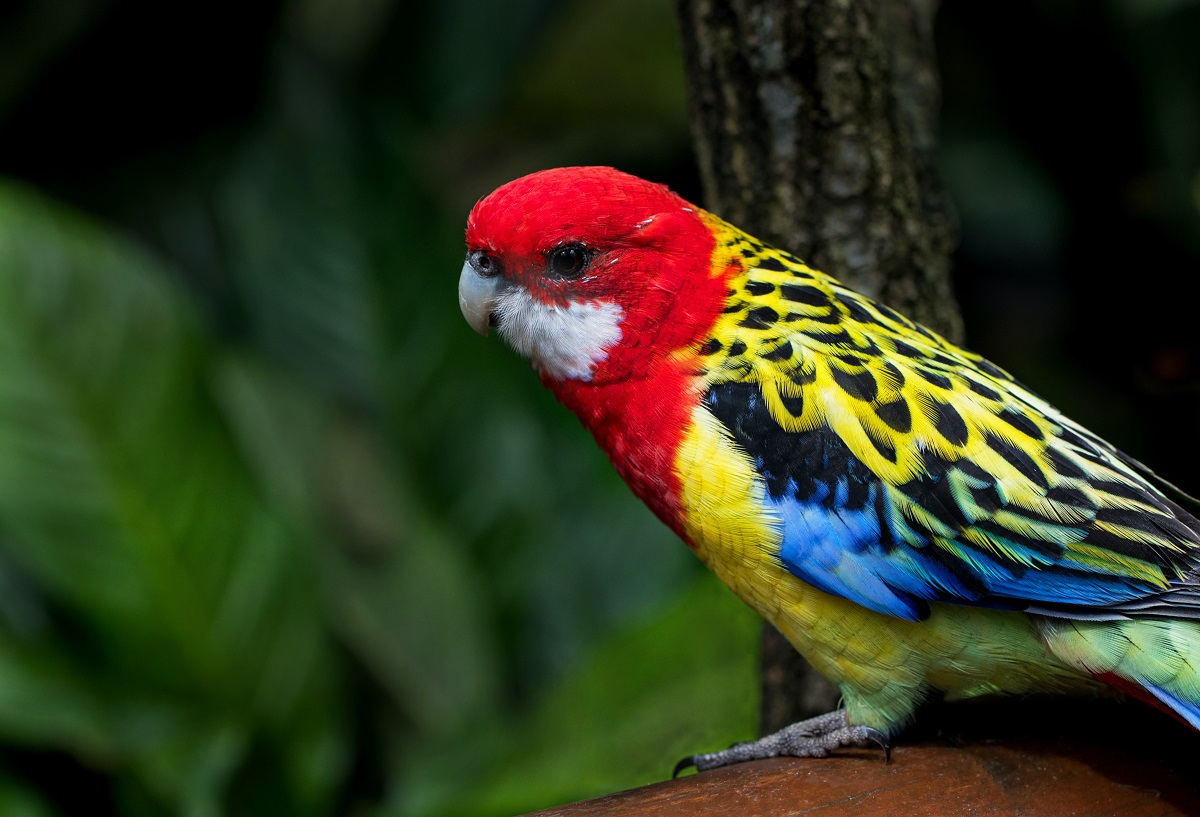
Despite its modest adult size of approximately 30 cm (12 inches) in length and an average weight of 100 grams, the Eastern Rosella commands attention. Its head and chest blaze with a brilliant scarlet, sharply contrasted by pristine white cheek patches. This fiery display transitions into a yellow-green belly and "pants," while its upper wing feathers present a striking scalloped pattern of yellow-green and black. The back is a verdant green, undersides of the wings are a vivid blue, and a long, tapering blue-green tail completes this avian masterpiece. This intricate coloration is not merely aesthetic; it plays a crucial role in species recognition, camouflage within varied foliage, and signaling within social groups.
The species is further diversified into three recognized subspecies, each occupying distinct geographical ranges and exhibiting subtle variations in their chromatic palette:
- Platycercus eximius eximius (Southern Rosella): Found in Tasmania and southern Victoria, this is the nominate subspecies and typically the most common in captivity.
- Platycercus eximius diemenensis (Tasmanian Rosella): Historically considered a separate subspecies, it is now often grouped with P. e. eximius.
- Platycercus eximius elecica (Northern Rosella): Inhabiting northern New South Wales and southeastern Queensland, this subspecies often displays a more intense yellow wash on the back and a brighter overall coloration compared to its southern counterparts.
Juvenile Eastern Rosellas present a slightly muted version of their adult counterparts. Their colors are less intense, often with more green and less red, and their beaks begin as yellow, gradually transitioning to the adult’s characteristic white by the time of their first molt. This critical developmental stage, occurring between 2 and 6 months of age, signifies their readiness for independent life and full adult appearance.
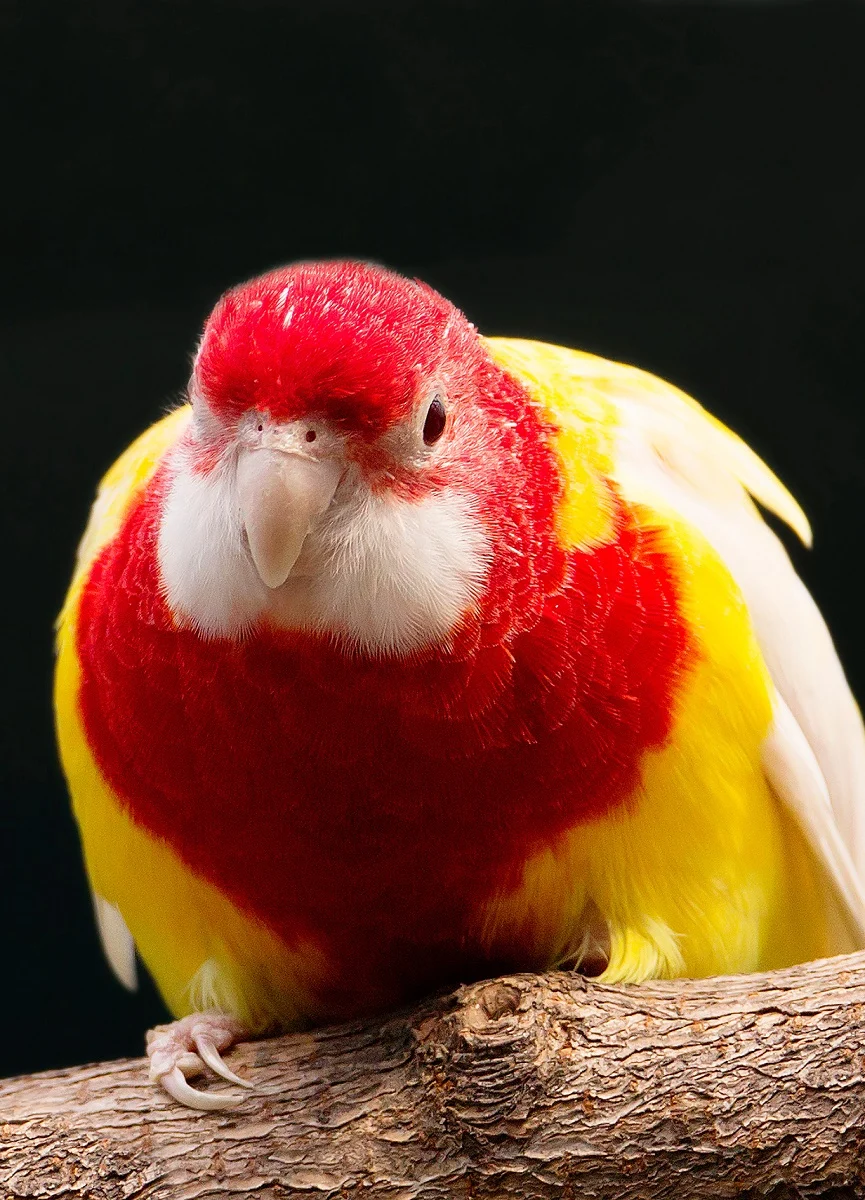
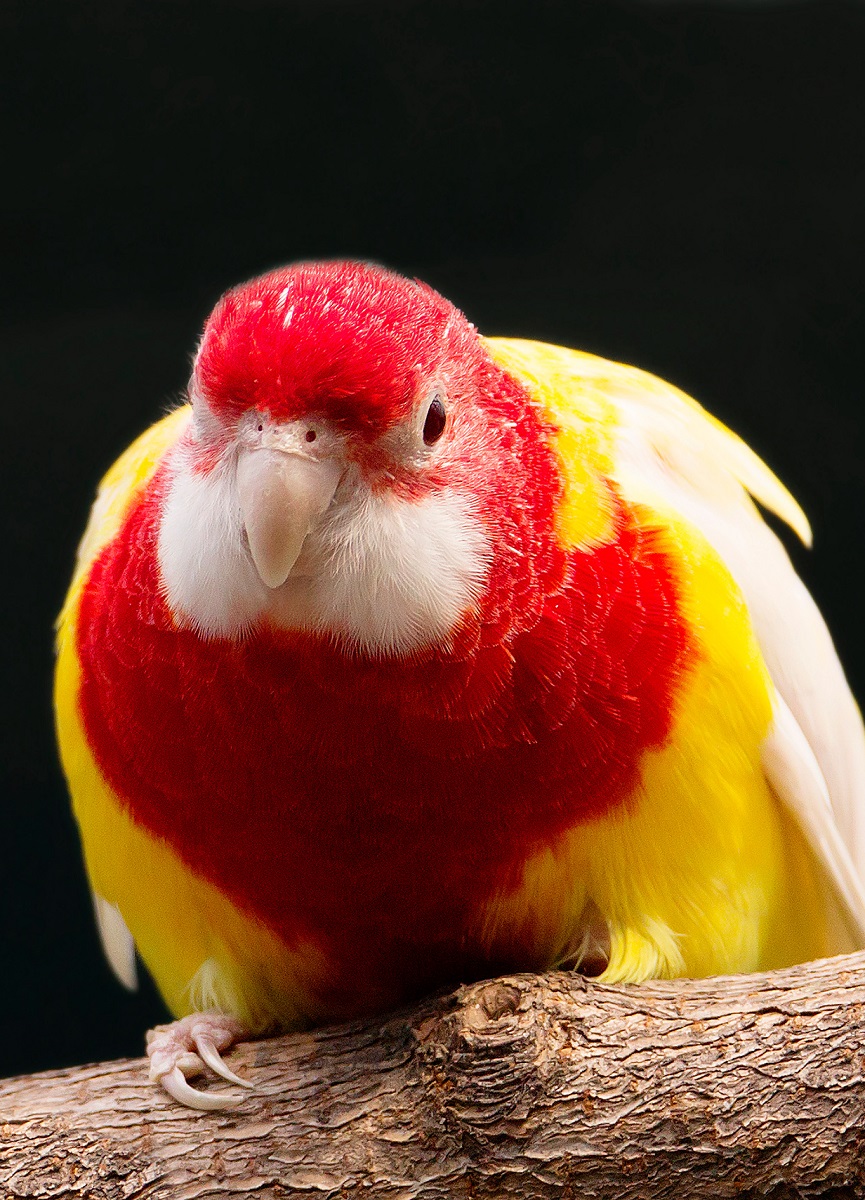
Beyond natural variation, selective breeding within the pet trade has introduced a range of color morphs. One particularly sought-after morph is the "Rubino," characterized by its striking red, yellow, and white plumage, completely devoid of the natural blue, green, or black tones. These captive-bred varieties highlight the genetic plasticity of the species and the diverse preferences of aviculturists.
The Intricacies of Hybridization and Sexual Dimorphism
The genus Platycercus is known for its propensity for interbreeding, leading to the occurrence of hybrid birds in areas where the ranges of different species overlap. The Eastern Rosella frequently hybridizes with species such as the Crimson Rosella (P. elegans) and the Pale-headed Rosella (P. adscitus). These natural hybrids, often showcasing a unique blend of parental colors and patterns, can be visually stunning and pose interesting challenges for field identification. This genetic exchange provides insights into evolutionary relationships and the dynamics of avian populations in shared habitats.
Determining the sex of an Eastern Rosella can be challenging, especially before full maturity. While visual sexing is possible, it relies on subtle differences in coloration that become more pronounced after the first molt. Generally, males tend to exhibit brighter, more intense red on the head and chest, with larger, more defined white cheek patches. Females, while still colorful, often have slightly duller reds, and their white cheek patches may be smaller or less distinct. Additionally, females may possess a marginally smaller head and beak. For definitive sex identification, particularly in younger birds or those with ambiguous markings, DNA testing remains the most reliable method.
Geographic Distribution and Ecological Niche
The Eastern Rosella’s nomenclature is highly accurate, as its natural range is confined exclusively to the eastern and southeastern coastal and sub-coastal regions of Australia, extending into the island state of Tasmania. This broad native distribution underscores its adaptability to a variety of Australian ecoregions.
However, its presence extends beyond its native shores. The Eastern Rosella is an established introduced species in New Zealand, where multiple populations thrive. The history of its introduction is a mix of accidental escapes and deliberate releases. For instance, documented incidents include the escape of 12 rosellas in Dunedin following the destruction of their cage, and a notable shipment being intentionally released in 1910 after New Zealand Customs refused entry. These events highlight the potential for human activities to shape the biogeography of species, leading to novel ecological interactions in non-native environments.
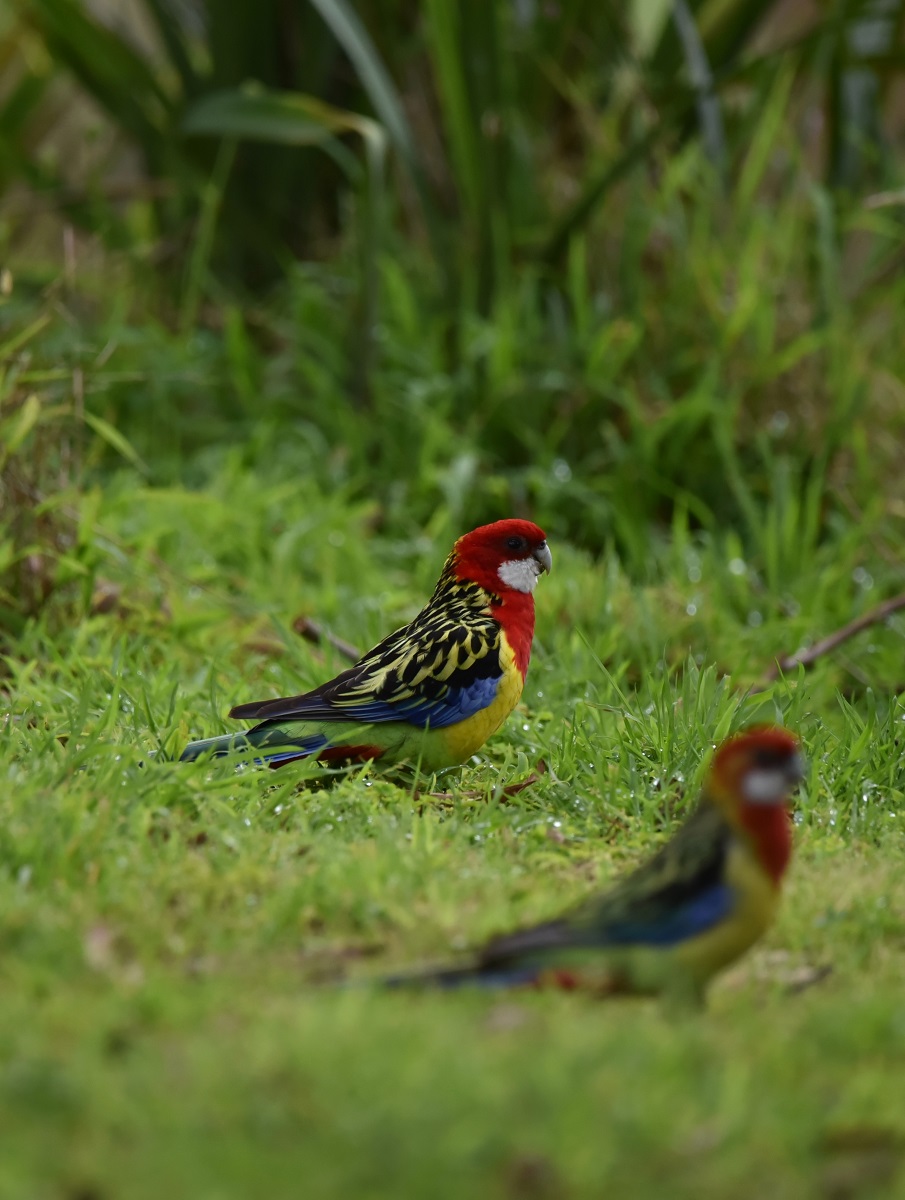
In its natural habitat, the Eastern Rosella favors lightly wooded areas. This includes open forests, the edges of denser woodlands, scattered Eucalyptus stands, urban parks, and even agricultural lands. They are typically found at moderate altitudes, up to approximately 1,250 meters (4,100 feet), and show a preference for areas with ample rainfall or reliable water sources. In the wild, these parrots are often observed in pairs or small family groups, occasionally associating with other parrot species. Like many psittacines, they are cavity nesters, relying on hollows in mature trees for breeding, a critical resource that can sometimes be a limiting factor in certain areas.
Conservation Status and Anthropogenic Influences
The International Union for Conservation of Nature (IUCN) Red List currently classifies the Eastern Rosella as a species of "Least Concern." This favorable conservation status is attributed to its wide natural range and a population that appears to be stable, if not increasing.
Ironically, the success of the Eastern Rosella is, in part, a consequence of human-induced habitat alteration. While habitat degradation is detrimental to many native species, the conversion of natural woodlands to agricultural land often creates ideal conditions for the Eastern Rosella. These modified landscapes provide abundant food sources in the form of cultivated crops, such as maize and various grains, supplementing their natural diet. This adaptability to anthropogenic environments underscores its resilience but also positions it in direct conflict with human interests.
Dietary Habits: From Wild Foraging to Captive Care
The Eastern Rosella’s diet is diverse, reflecting its opportunistic foraging strategies in the wild and demanding a comprehensive nutritional approach in captivity.
Wild Diet and Agricultural Conflict
In their natural environment, Eastern Rosellas are primarily granivores and frugivores, with a particular fondness for various seeds, especially thistle seeds, and fruits like apples. Researchers have documented their consumption of a wide array of berries, flowers, flower buds, and even small insects, which provide essential protein, especially during breeding season. Their feeding behavior, often involving foraging on the ground or in low shrubs, is characteristic of many rosella species.
For centuries, Eastern Rosellas, along with their rosella cousins, have been regarded as agricultural pests by farmers in eastern Australia. Their tendency to raid orchards and consume cultivated crops has led to significant economic losses. While the species is protected under Australian law, permits are often granted to farmers to cull rosellas if substantial crop damage can be proven and all non-lethal deterrents have been exhausted. This ongoing conflict highlights the complex relationship between human agriculture and wildlife, requiring continuous efforts to find sustainable coexistence strategies.
Nutritional Requirements in Captivity
Given their varied natural diet, it is paramount that captive Eastern Rosellas receive a nutritionally complete and diverse diet. A simple seed-only diet, historically common but nutritionally deficient, is inadequate for any parrot species. Avian veterinarians, including specialists like Dr. Daisy May mentioned in the original source, advocate for a high-quality pelleted diet as the cornerstone of a captive rosella’s nutrition. These pellets are formulated to provide a balanced array of vitamins, minerals, and macronutrients.
Beyond pellets, daily offerings of fresh produce are essential. A wide variety of vegetables should be provided daily, including leafy greens (kale, spinach, romaine lettuce), carrots, bell peppers, broccoli, and zucchini. Fruits, such as apples, bananas, oranges, berries, and melons, can be offered a few times a week as treats due to their higher sugar content.
To further enrich their diet and stimulate natural foraging behaviors, owners can include sprouted seeds (which are more nutritious than dry seeds), cooked whole grains (e.g., brown rice, whole-wheat pasta), and occasional healthy treats like millet sprays or small amounts of nuts (e.g., almonds, walnuts). Protein supplements, such as a small piece of boiled egg or freeze-dried mealworms, can be offered sparingly, particularly during breeding or molting periods. Additionally, foraging for parrot-safe native branches, weeds, and flowers (e.g., dandelion, hibiscus) provides both nutritional benefits and mental stimulation. Understanding the intricacies of parrot diet is critical for preventing common health issues like vitamin deficiencies and obesity.
The Eastern Rosella as a Companion: Personality and Care
Eastern Rosellas are among the more commonly kept parrot species in aviculture, valued for their stunning appearance and engaging demeanor. They are particularly popular as aviary birds, primarily for their aesthetic appeal. However, their sometimes territorial personalities mean they are not always ideal for cohabiting with smaller, more docile aviary inhabitants like budgies, often requiring single-species enclosures or careful pairing.
For individuals seeking an indoor companion, a well-socialized Eastern Rosella can be an excellent choice. They are generally described as fun, active, curious, and social birds, and notably, less prone to excessive loudness than many other parrot species. While they are known for being more independent than some of the highly cuddly parrot species, most still thrive on regular interaction and enjoy spending quality time with their human companions. Their intelligence and playful nature make them fascinating pets.
Housing Requirements for Optimal Well-being
As with all parrots, housing is a critical consideration, and the principle of "the bigger, the better" applies unequivocally. A minimum cage length of 1 meter (approximately 40 inches) is recommended to allow an Eastern Rosella sufficient space to stretch its wings, climb, and move freely. For safety, cage bar spacing should not exceed 1.25 cm (0.5 inches) to prevent escapes or injuries. The cage should be constructed from non-toxic materials, typically powder-coated steel or stainless steel, to withstand their strong beaks.
The enclosure must be outfitted with a variety of natural perches of varying diameters (e.g., eucalyptus, manzanita, java wood). This promotes foot health by preventing pressure sores and encourages natural gripping exercises. Essential accessories include stainless steel food and water bowls, which are hygienic and durable. A designated "safe space" within the cage, such as a small bird tent or a covered corner, can provide a sense of security. The cage should be placed in a social area of the home but away from drafts, direct sunlight, and excessive noise.
Enriching the Life of a Captive Rosella
Parrots are highly intelligent creatures, and Eastern Rosellas are no exception. Without adequate mental and physical stimulation, they can easily become bored, leading to stress-related behaviors such as feather plucking, screaming, or aggression. A comprehensive enrichment program is vital for their psychological and physical health.
Beyond a variety of parrot toys (which should be rotated regularly to maintain novelty), consider the following enrichment strategies:
- Foraging Opportunities: Integrate foraging toys that require the bird to "work" for its food. This mimics natural behaviors and provides significant mental stimulation. DIY foraging toys can be created using paper towel rolls, small cardboard boxes, or untreated wood blocks with treats hidden inside.
- Chew Toys: Rosellas have strong beaks that require constant maintenance. Provide a continuous supply of safe chewable items, such as untreated wood blocks, natural branches (ensure they are bird-safe), and shreddable paper or cardboard toys. Chewing helps keep their beaks trimmed and provides an outlet for natural instincts.
- Puzzle Toys: These toys challenge a parrot’s problem-solving abilities and provide intellectual engagement. They often involve manipulating levers, opening compartments, or removing obstacles to retrieve a treat.
- Bathing Opportunities: Offer a shallow dish of fresh water daily for bathing, or mist the bird with a spray bottle. Regular bathing is crucial for feather health and hygiene.
- Social Interaction: Despite their independence, Eastern Rosellas are social birds. Daily interaction with their human companions through talking, gentle petting (if the bird tolerates it), and play sessions is vital for building a strong bond and preventing loneliness.
- Out-of-Cage Time: Supervised out-of-cage time in a bird-proofed environment allows for greater exercise, exploration, and interaction. Ensure all windows are closed, ceiling fans are off, and no toxic substances or other pets are within reach.
- Environmental Enrichment: Incorporate natural elements into their environment, such as fresh branches (ensure they are safe and pesticide-free) and natural sunlight or full-spectrum avian lighting to support vitamin D synthesis.
Noise Levels and Speech Capabilities
One of the appealing aspects of Eastern Rosellas as indoor pets is their relatively low noise level compared to many other parrot species. While all parrots produce vocalizations, rosellas typically engage in a repertoire of melodic whistles, chirps, and softer cheeps rather than the ear-piercing flock calls common to larger parrots. This makes them more suitable for apartment living or homes where noise is a significant concern, provided the walls offer reasonable sound insulation. Recordings of their vocalizations are readily available on platforms like Xeno-Canto (Platycercus eximius), allowing prospective owners to familiarize themselves with their typical sounds.
Regarding speech, Eastern Rosellas are capable of learning to talk, though they are not considered among the most proficient talking parrots like African Greys or Amazons. With patience, consistent training, and positive reinforcement, they can mimic household sounds, short phrases, and even tunes. Their voices may be somewhat clearer than some other species. Realistic expectations are key; while some may become quite vocal, others might only pick up a few words or sounds. Their intelligence often manifests more in their problem-solving abilities and playful interactions rather than extensive vocabulary.
Safety, Emergency Preparedness, and Health Management
Parrots are inherently curious and, unfortunately, also quite fragile. A comprehensive understanding of parrot safety and emergency care is non-negotiable for Eastern Rosella owners. Any area accessible to the bird must be thoroughly parrot-proofed. This includes identifying and removing toxic plants, ensuring windows and doors are secure, covering open water sources (e.g., toilets), and eliminating access to small ingestible objects, electrical cords, and toxic household products. Fumes from non-stick cookware (PTFE), aerosols, and cleaning products are particularly hazardous.
Owners should also be familiar with basic parrot emergency care, including recognizing signs of illness or injury and having access to an avian veterinarian. Regular veterinary check-ups are crucial for preventive care, early detection of health issues, and maintaining optimal health. Common health concerns in rosellas can include nutritional deficiencies (if diet is inadequate), psittacine beak and feather disease (PBFD), respiratory infections, and parasitic infestations. Being prepared for emergencies, such as having a bird first-aid kit and knowing the nearest avian emergency clinic, can be life-saving.
Conclusion: A Gem in Australia’s Avian Crown
The Eastern Rosella, Platycercus eximius, stands as a testament to the vibrant biodiversity of Australia. From its resplendent plumage and engaging personality to its remarkable adaptability in both natural and human-modified environments, it is a species that captures attention and admiration. Its thriving populations, even amidst changing landscapes, offer valuable insights into ecological resilience, while its role as a cherished companion bird highlights the profound connections possible between humans and the natural world. Responsible pet ownership, grounded in a deep understanding of its needs, ensures that these magnificent birds continue to flourish, whether soaring through the eucalyptus canopies or brightening homes with their colorful presence and cheerful calls.

