


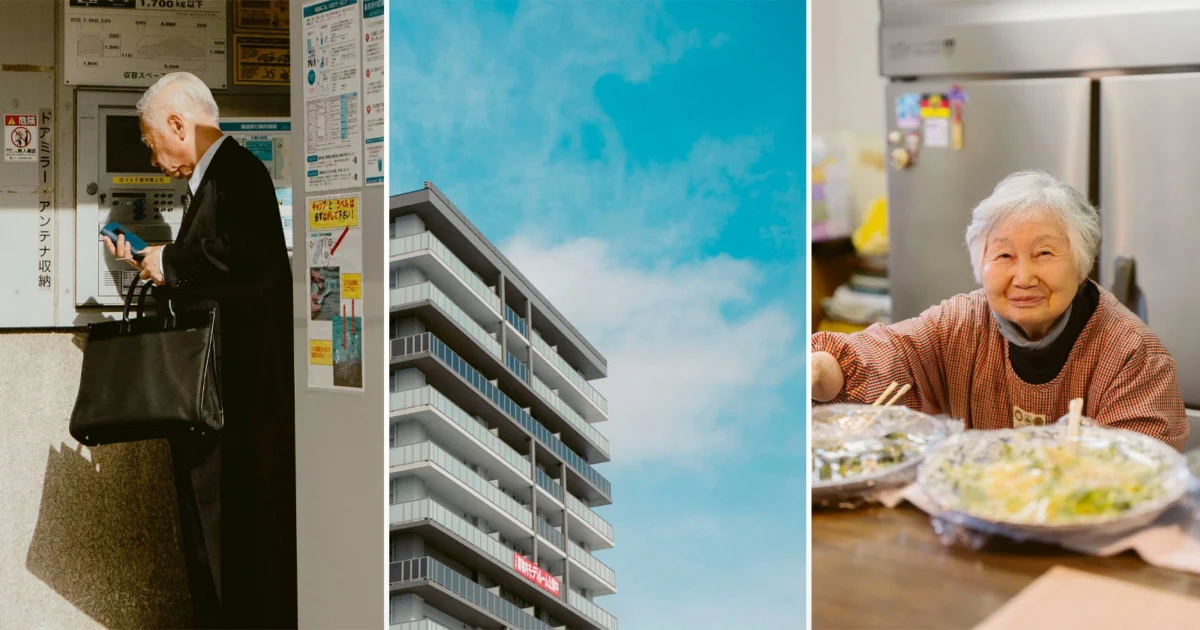
Following the conclusion of the 2026 CP+ Camera and Photo Imaging Show in Yokohama, a shift in focus occurred from the technical confines of the exhibition hall to the expansive landscapes of Northern Japan. While the industry’s attention typically remains fixed on the metropolitan hubs of Tokyo and Osaka, a photographic expedition led by Jaron Schneider and his team sought to document the lesser-traversed regions of Iwate Prefecture and the island of Hokkaido. This journey, facilitated by the Sony Alpha 7 V, served as a real-world stress test for modern mirrorless technology, emphasizing the importance of spontaneity and environmental immersion in professional travel photography.
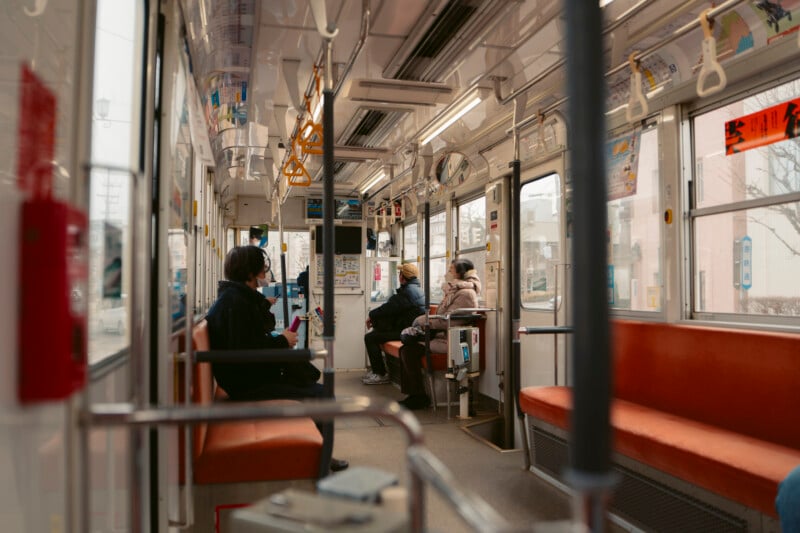
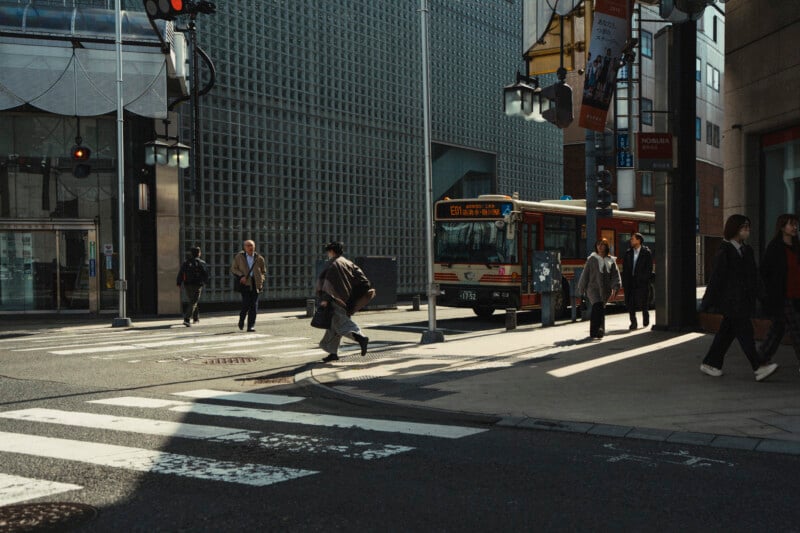
The expedition was defined by a rejection of the "shot list" methodology often utilized in high-budget commercial productions. Instead, the team opted for a "slow travel" approach, utilizing Japan’s extensive rail network—including high-speed Shinkansen and local lines—to navigate cities such as Morioka, Hakodate, Otaru, and Sapporo. This strategy allowed for an authentic documentation of regional cultures, architectural transitions, and culinary traditions that remain distinct from the globalized aesthetic of Japan’s southern megacities.
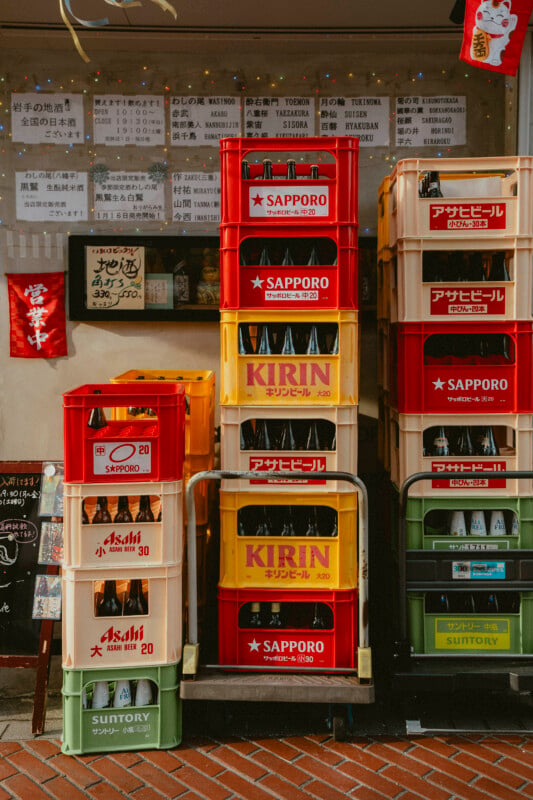
Technical Field Test: The Sony Alpha 7 V and G Master Optics
The primary tool for this documentation was the Sony Alpha 7 V, the latest iteration in Sony’s line of full-frame "all-rounder" cameras. For a professional accustomed to the high-resolution output of the Alpha 7R series, the Alpha 7 V provided a balance of speed, video capability, and ergonomic familiarity. The camera was paired with a specific trio of lenses designed to cover the vast majority of focal lengths required for travel: the Sony 28-70mm f/2 GM, the Sony 50-150mm f/2 GM, and the Sony 16-35mm f/2.8 GM II.
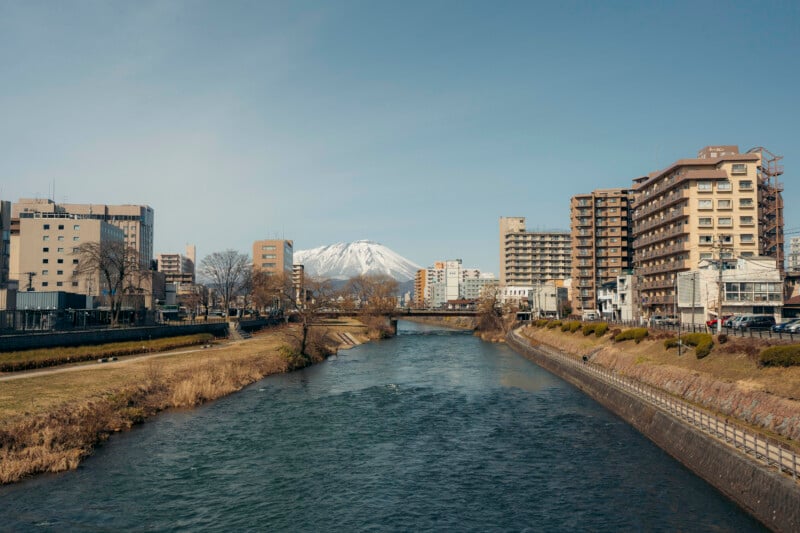
Industry analysts note that the shift toward f/2 constant-aperture zooms represents a significant evolution in lens design, offering the shallow depth-of-field typically reserved for prime lenses while maintaining the versatility of a zoom. This was particularly relevant in the low-light environments of Hokkaido’s port towns and the interior of Morioka’s noodle houses, where the ability to capture high-quality imagery without frequent lens changes was paramount to staying present in the moment.
Morioka: An Agricultural and Culinary Study
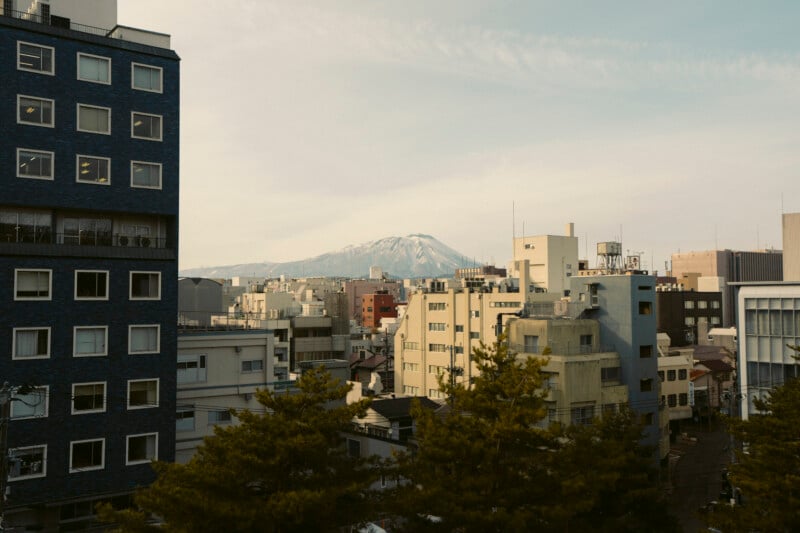
The journey’s first significant stop was Morioka, the capital of Iwate Prefecture. While often overlooked by international tourists, Morioka possesses a unique cultural identity shaped by its geography. Unlike the fertile plains of central Japan, the cooler climate of Iwate made rice cultivation historically difficult. This environmental constraint led to the rise of cold-resistant grains such as wheat and buckwheat, eventually establishing Morioka as the "noodle capital" of the region.
The team documented the "Three Great Noodles of Morioka," each reflecting a different historical influence:
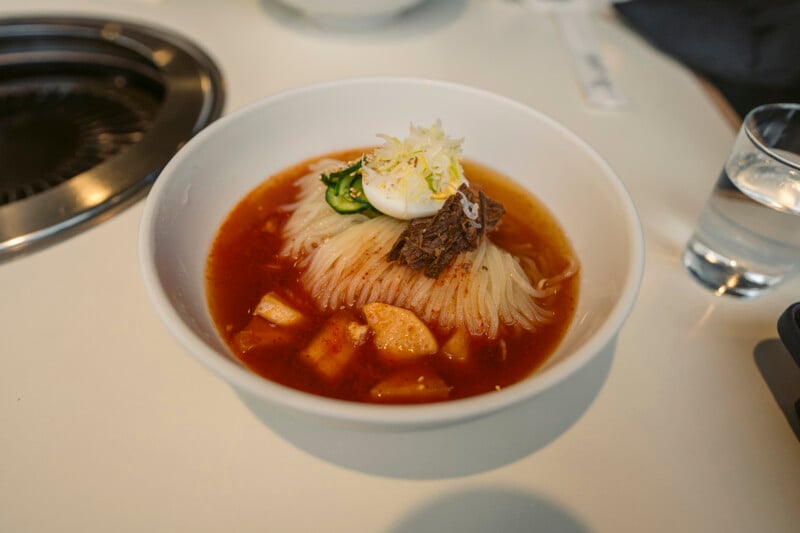
- Morioka Reimen: A dish with roots in Korean cuisine, specifically naengmyeon. It was introduced by a Korean immigrant following World War II and adapted to local tastes by replacing buckwheat flour with potato starch. The result is a translucent, chewy noodle served in a cold, spicy broth—a visual and culinary juxtaposition captured in high detail by the Alpha 7 V’s sensor.
- Wanko Soba: More an endurance ritual than a standard meal, Wanko Soba involves servers continuously depositing small portions of noodles into a diner’s bowl until they signal an end to the meal. This high-speed interaction provided a test for the camera’s autofocus tracking and burst shooting capabilities in indoor lighting.
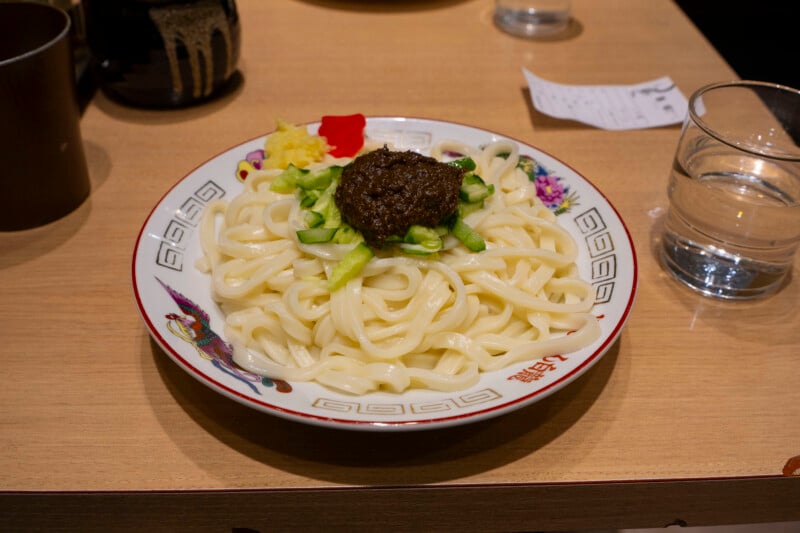
- Jajamen: A Japanese adaptation of the Chinese zha jiang mian, featuring thick udon-style noodles topped with a savory miso meat sauce. The ritual concludes with chi-tan-tan, where a raw egg and hot water are added to the remaining sauce to create a soup.
Traversing the Seikan Tunnel to Hokkaido
Moving north from Morioka, the expedition crossed from Honshu to Hokkaido via the Shinkansen. This leg of the journey included transit through the Seikan Tunnel, an engineering marvel that remains the world’s longest undersea rail tunnel, stretching 53.85 kilometers (33.46 miles) with a portion 240 meters below sea level.
Upon arrival in Hakodate, the architectural shift was immediate. As one of the first Japanese ports opened to international trade in 1854 following the Treaty of Kanagawa, Hakodate features a unique blend of Western and Japanese styles. The Motomachi district, documented extensively during the trip, is home to the Russian Orthodox Church, the Old Public Hall of Hakodate Ward, and various consular buildings that reflect the city’s cosmopolitan history.
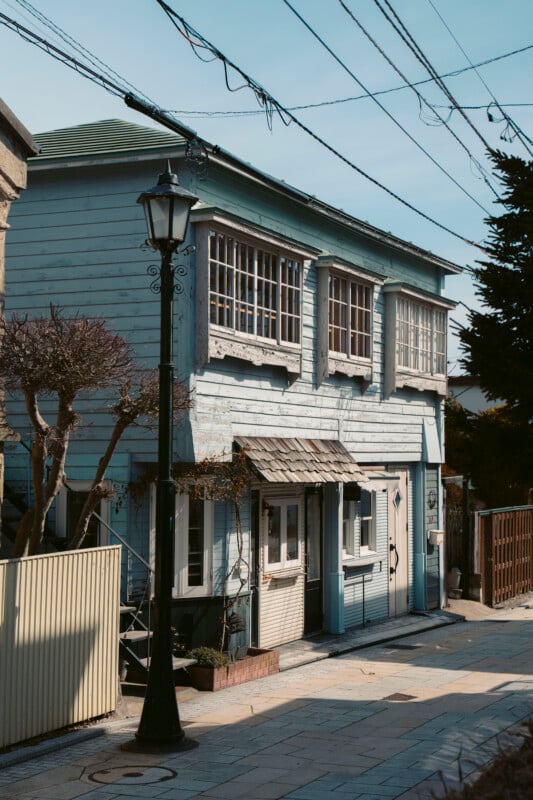
The Alpha 7 V’s dynamic range was tested during the "blue hour" at Mount Hakodate. The view from the summit is historically ranked among the top three night views in Japan, characterized by a unique hourglass shape formed by the city’s position on a narrow isthmus between Hakodate Bay and the Tsugaru Strait. The use of the 50-150mm f/2 GM allowed for tight compositions of the city lights against the dark expanse of the surrounding water.
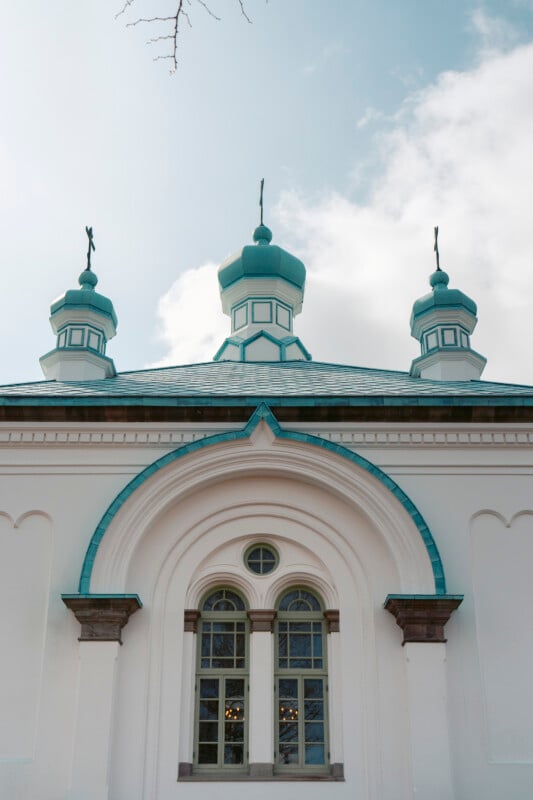
Otaru and Sapporo: The Urban and Natural Interface
The final phase of the journey took the team to Otaru and Sapporo. Otaru, a quiet port town known for its preserved stone warehouses and canal, provided a stark contrast to the bustling energy of Sapporo. In Otaru, the focus shifted to low-light video performance, as the team documented the city’s red vending machines and snow-dusted streets under artificial light. The Alpha 7 V’s noise reduction algorithms and high-ISO performance allowed for clean footage that captured the melancholic atmosphere of the fading port.
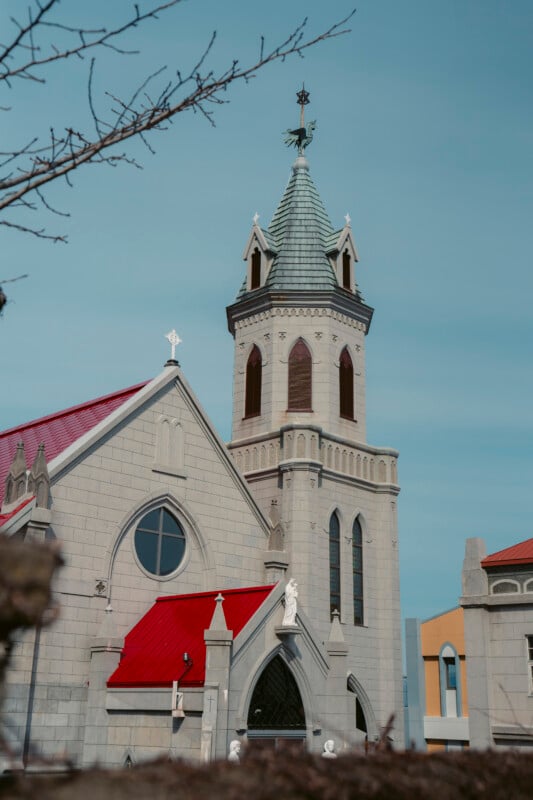
Sapporo, the capital of Hokkaido, served as the urban anchor of the trip. Often described as a more navigable version of Tokyo, Sapporo’s grid-based layout and underground walkways are a direct response to its heavy winter snowfall. The city also served as a gateway to Hokkaido’s world-renowned "Japow" (Japan Powder) snow. Despite the team’s limited experience with winter sports, a day at a local resort just 40 minutes from the city center highlighted the accessibility of Hokkaido’s natural resources. The resulting imagery of snowboarding on high-quality powder showcased the camera’s ability to render high-contrast, bright-white environments without losing detail in the highlights.
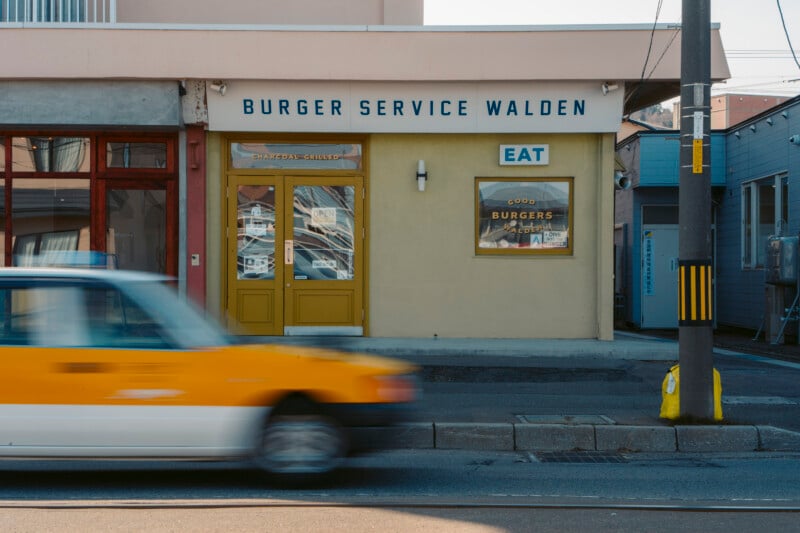
Broader Implications for Travel Photography and Tourism
This expedition underscores a growing trend in both the photography industry and the Japanese tourism sector: the move toward regional exploration. As major hubs like Kyoto struggle with "overtourism," regions like Iwate and Hokkaido offer a more sustainable and authentic alternative for travelers.
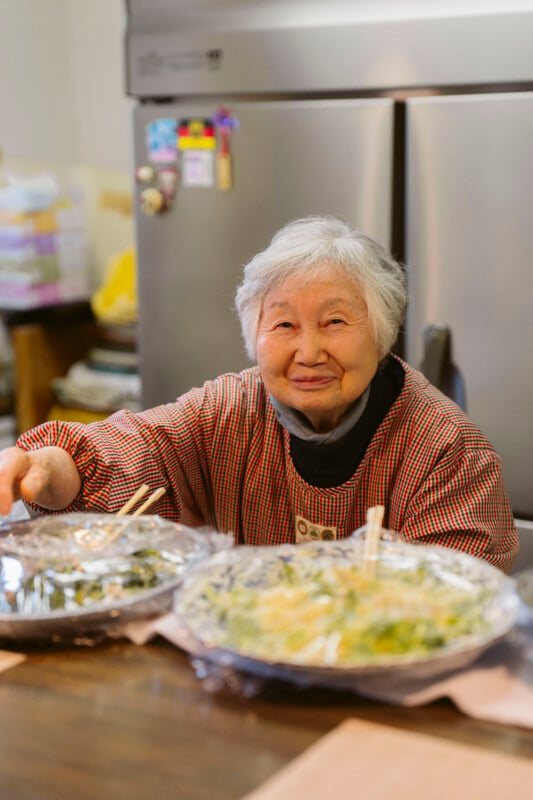
From a technological standpoint, the journey demonstrated that the current generation of mirrorless cameras has reached a point of maturity where the hardware no longer dictates the creative process. The Alpha 7 V functioned as a transparent medium, allowing the photographers to focus on the preservation of memory rather than the management of settings.
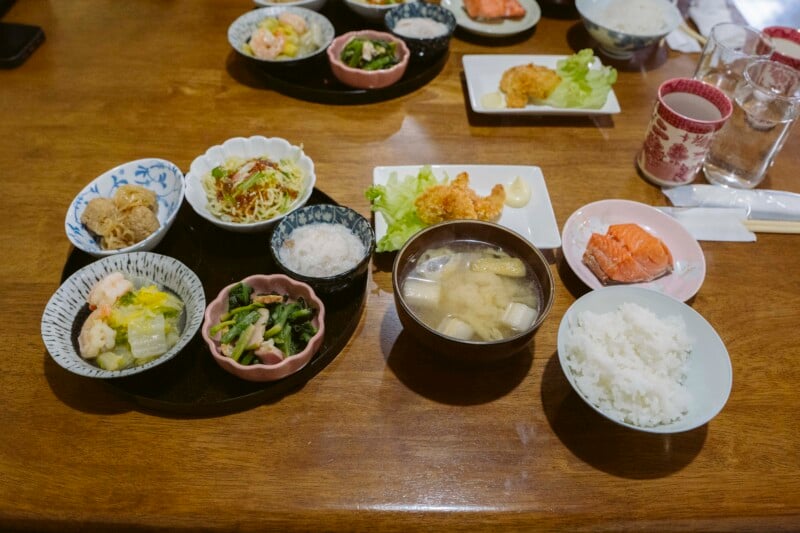
The team’s findings suggest that for the modern professional, the value of a photographic journey lies not in the fulfillment of a predetermined list of "Instagrammable" locations, but in the discovery of the unknown. By documenting the specific textures of a Morioka noodle shop, the Western-influenced facades of Hakodate, and the industrial quiet of Otaru, the expedition provided a comprehensive look at a Japan that exists beyond the neon lights of Shinjuku.
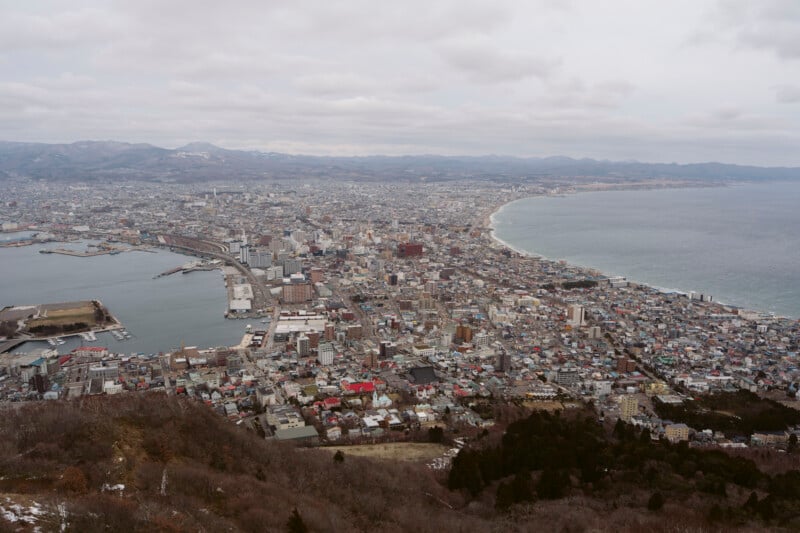
In conclusion, the journey north served as a reminder that photography is, at its core, an act of looking. When a photographer enters an environment without expectations, they are forced to engage with the reality of the subject. The Sony Alpha 7 V proved to be a capable companion in this endeavor, providing the technical reliability required to capture a region of the world that remains as diverse as it is beautiful. For those who have already experienced the traditional "Golden Route" of Japan, the message from this expedition is clear: the most compelling stories are often found by heading north.

