


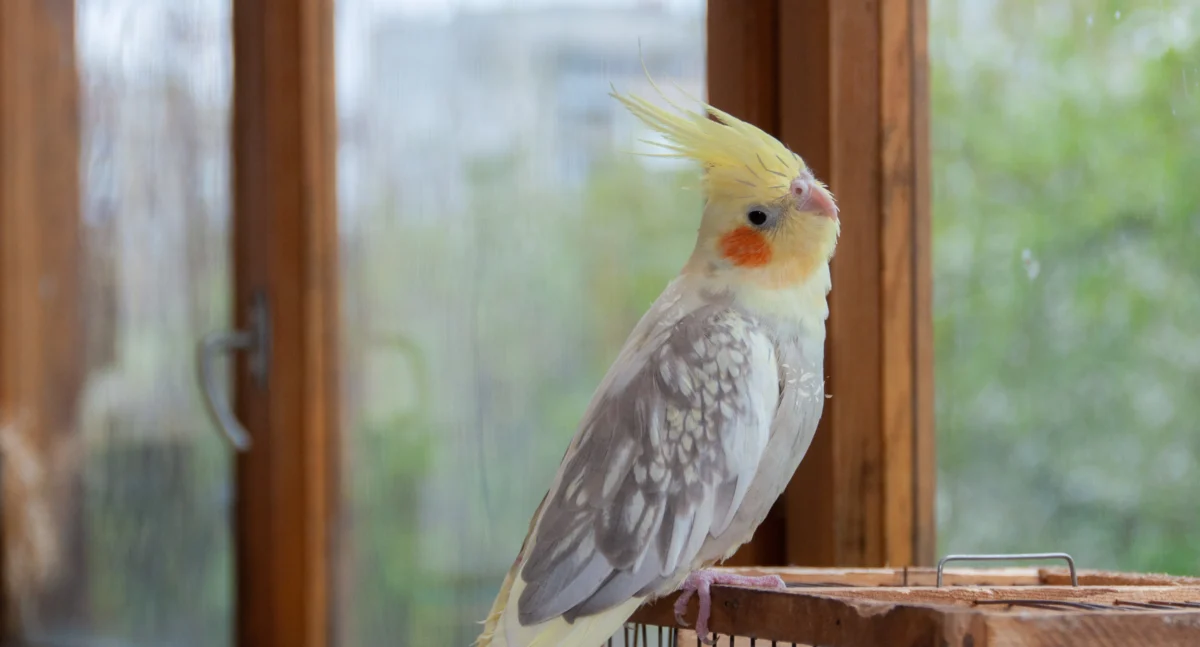
For many cockatiel owners, the sight of scattered feathers and a noticeably moody bird can trigger immediate concern, often leading to questions about the normalcy of the process or the potential for underlying health issues. Far from being a cause for alarm, molting is a fundamental biological process for cockatiels, essential for maintaining their plumage, ensuring efficient flight, and regulating body temperature. However, understanding the nuances of this natural cycle—from identifying normal feather renewal to recognizing signs that warrant veterinary attention—is paramount for responsible pet ownership. This comprehensive guide delves into the intricate world of cockatiel molting, providing owners with the knowledge and tools to support their feathered companions through this demanding, yet vital, phase of their lives.
The Biological Imperative of Molting: A Feathered Renewal
Molting, scientifically known as ecdysis, is the physiological process by which birds periodically replace their old, worn, or damaged feathers with new ones. This cyclical regeneration is not merely cosmetic; it is a critical survival mechanism that ensures a bird’s ability to fly, insulate itself against environmental extremes, and effectively preen to maintain feather integrity. Feathers, primarily composed of keratin—a fibrous structural protein also found in human hair and nails—are subject to wear and tear from daily activities, environmental exposure, and preening. Unlike skin cells, feathers are non-living structures once fully grown, meaning they cannot repair themselves. Consequently, regular replacement is indispensable for a bird’s overall health and well-being.
The process of feather growth is metabolically intensive, requiring significant energy and nutrient allocation. A healthy feather coat is vital for thermoregulation, providing a barrier against heat loss in cold conditions and reflecting solar radiation in warm environments. Furthermore, perfectly structured feathers are crucial for aerodynamic efficiency, enabling the precise flight patterns characteristic of cockatiels. Any compromise in feather quality due to incomplete or unhealthy molting can impair these vital functions, potentially impacting a bird’s mobility, energy levels, and susceptibility to illness.
Stages of a Cockatiel’s Molting Journey: A Chronological Overview
Cockatiels typically undergo several distinct molting phases throughout their lives, each with its own characteristics and implications for owners. Understanding this chronology helps differentiate normal development from potential concerns.
- Juvenile Molt: The first significant molt in a young cockatiel, often referred to as the juvenile molt, usually occurs between six and twelve months of age. During this period, the soft, downy "baby feathers" are replaced by the more robust, vibrantly colored adult plumage. This transformation is particularly noticeable as the bird develops its characteristic crest and facial markings. The juvenile molt can sometimes appear more dramatic than subsequent molts, as the entire feather coat is essentially undergoing a complete overhaul.
- Seasonal Molts: Following the juvenile molt, adult cockatiels typically experience seasonal molts, most commonly in the spring and fall. These periods are often triggered by changes in photoperiod (daylight length), temperature, and humidity, signaling the bird’s body to prepare for breeding season or the colder months. Spring molts often precede the breeding season, ensuring optimal plumage for courtship displays and nesting, while fall molts prepare the bird for winter insulation. However, for indoor birds, consistent artificial lighting and climate control can disrupt these natural seasonal cues, potentially leading to more sporadic, prolonged, or "soft" molts that occur outside typical patterns. These can manifest as a continuous, low-level shedding rather than distinct, heavy molting periods.
- The Feather Growth Cycle: Regardless of the type of molt, the underlying physiological process involves the shedding of old feathers, followed by the emergence of new "pin feathers." These nascent feathers are initially encased in a protective keratin sheath, resembling stiff, white spikes. As the feather matures, the bird will preen to break down this sheath, allowing the feather to unfurl. This process can be uncomfortable and itchy for the bird, akin to human children growing adult teeth, making gentle handling and environmental support crucial.
It is important to note that every cockatiel’s molting pattern is unique. Some birds may experience heavy, noticeable molts, shedding many feathers at once, while others may have lighter, more gradual molts. Owners are encouraged to observe their individual bird’s cycle to establish a baseline for what is normal, enabling them to quickly identify any deviations that might signal a problem.
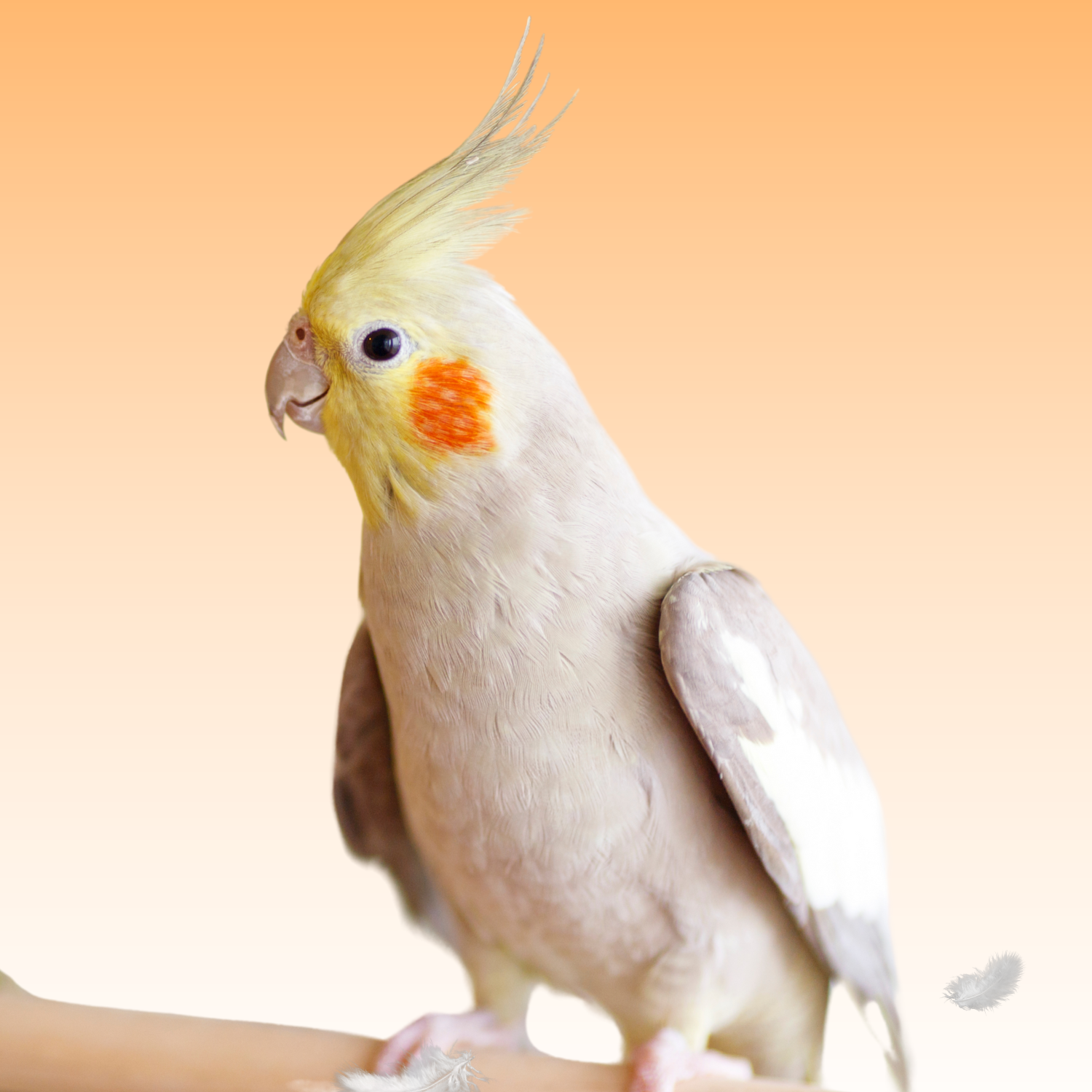
Identifying a Normal Molt: Visual and Behavioral Indicators
Recognizing the signs of a healthy molt is crucial for providing appropriate care. Owners should pay close attention to both visual cues and changes in their bird’s behavior.
- Visual Cues:
- Feather Shedding: The most obvious sign is the presence of discarded feathers at the bottom of the cage, on perches, or around the bird’s favorite resting spots. During a normal molt, feather loss is typically symmetrical, meaning if a primary flight feather is shed from one wing, its counterpart on the other wing will also be shed around the same time. This symmetry is vital for maintaining balance and flight capability.
- Pin Feathers: The appearance of new pin feathers, particularly on the head, neck, chest, and wings, is a definitive indicator of molting. These small, stiff structures, often covered in a waxy keratin sheath, can be sensitive to the touch.
- Dull Plumage: Before new feathers emerge, the old feathers may appear duller or faded due to wear and tear.
- Behavioral Cues:
- Increased Preening and Scratching: Molting birds will spend more time preening and scratching themselves, attempting to remove the keratin sheaths from their emerging pin feathers. They may rub their heads or necks on perches or cage bars to help break these sheaths.
- Reduced Activity and Vocalization: Growing new feathers is energetically demanding. Consequently, molting cockatiels may appear more subdued, less active, and vocalize less frequently. They might prefer quiet time and show a reluctance to engage in their usual playful interactions.
- Irritability or Sensitivity: Due to the discomfort and sensitivity of new pin feathers, a molting cockatiel might be more irritable or sensitive to handling. Owners should respect their bird’s boundaries during this time, opting for verbal interaction or gentle treats rather than extensive physical contact.
Distinguishing Molt from Medical Concerns: When to Be Concerned
While molting is a natural process, certain symptoms can mimic molting but indicate a more serious underlying health issue. Differentiating between normal molting and a medical problem is critical for timely intervention.
- Warning Signs that Warrant Veterinary Attention:
- Bald Patches or Asymmetrical Feather Loss: Normal molting is a gradual, even process across the body. The presence of distinct bald patches, especially if they are localized and not accompanied by new feather growth, or asymmetrical feather loss (e.g., losing many feathers from one wing but not the other) is a significant red flag.
- Excessive Plucking or Mutilation: If a bird is actively pulling out its own feathers, creating wounds, or exhibiting self-mutilation, this is not normal molting. Feather plucking can be caused by a myriad of factors including stress, boredom, nutritional deficiencies, parasites, bacterial or fungal infections, or underlying organ disease.
- Skin Abnormalities: Red, inflamed, swollen, or scabbed skin beneath the feathers is a serious concern. This could indicate infection, irritation, mites, or other dermatological issues.
- Bleeding: Molting should not cause bleeding. If pin feathers are consistently bleeding or if there are signs of blood on the bird or in the cage, immediate veterinary attention is required. This could indicate a broken blood feather, which can be painful and lead to significant blood loss.
- Extreme Lethargy or Weakness: While a slight decrease in activity is normal, extreme lethargy, prolonged weakness, loss of appetite, changes in droppings, or other signs of illness accompanying feather loss are not typical of a healthy molt and necessitate a veterinary consultation.
- Abnormal Feather Quality: New feathers that emerge dull, brittle, ragged, or discolored despite adequate nutrition can indicate a chronic health problem or severe nutritional deficiency.
Avian veterinarians emphasize that a key difference lies in the pattern of feather loss. Normal molting typically involves a diffuse, symmetrical shedding of feathers, replaced by healthy new growth. Feather plucking, in contrast, often targets specific areas, resulting in patchy, uneven feather loss and sometimes skin damage. Owners should also observe the bird’s overall demeanor; a bird that is otherwise healthy, active, and eating well is more likely to be undergoing a normal molt, even if it is a bit quieter than usual.
Nutritional Support During Molting: A Scientific Approach
Given the high metabolic demands of growing new feathers, optimal nutrition is perhaps the single most critical factor in supporting a cockatiel through a molt. Feathers are primarily keratin, a protein-rich structure.
- Protein and Amino Acids: The building blocks of keratin are amino acids, which must be supplied through the bird’s diet. During a heavy molt, a cockatiel’s protein requirement can increase by as much as 25-30%. If the diet is deficient in essential amino acids, particularly sulfur-containing amino acids like methionine and cysteine, the new feathers may grow in weak, dull, brittle, or malformed. High-quality avian pellets, legumes, cooked quinoa, and certain seeds (in moderation) can provide excellent protein sources.
- Vitamins and Minerals:
- Vitamin A: Crucial for healthy skin and epithelial tissue, including feather follicles. Deficiencies can lead to poor feather quality and skin issues. Sources include dark leafy greens, carrots, and sweet potatoes. Red palm oil, given in moderation, is also a rich source of carotenoids, which convert to Vitamin A.
- Biotin (Vitamin B7): Plays a vital role in keratin formation and healthy skin.
- Omega-3 Fatty Acids: Essential for skin health, feather sheen, and reducing inflammation. Sources include flaxseed, chia seeds, and certain avian supplements.
- Calcium: Important for overall bone health, which indirectly supports the bird’s ability to cope with the stress of molting.
- Dietary Recommendations: Avian experts advise against seed-only diets, especially during molting. A balanced diet should consist of a high-quality pelleted diet as the base (60-70%), supplemented with a variety of fresh vegetables (20-30%), a small amount of fruit (5-10%), and nutrient-rich additions like cooked whole grains (e.g., quinoa) and sprouted seeds. Supplements like FeatherUp!, designed to provide targeted nutritional support for molting birds, can help fill potential dietary gaps and ensure the availability of crucial amino acids, vitamins, and minerals.
Optimizing the Environment for a Molting Cockatiel

Beyond nutrition, creating a comfortable and low-stress environment is essential for a smooth molting process.
- Humidity and Bathing: Molting can cause dry, itchy skin and make the keratin sheaths on pin feathers difficult to shed. Regular misting with plain water or a specialized aloe vera bird spray can provide significant relief. Aloe vera, known for its natural analgesic and moisturizing properties, can soothe inflamed feather follicles and soften the keratin sheaths, making the preening process less painful. Always ensure the bird dries off in a warm, draft-free area after bathing.
- Perches and Toys: Offer a variety of perches made from natural wood or soft rope. These textures provide surfaces for the bird to rub against, helping them to gently break open the pin feather sheaths, especially in areas they cannot easily reach with their beaks (like the head or crest). Interactive toys can also provide a distraction and mental stimulation, reducing stress.
- Rest and Routine: Molting is physically taxing. Providing extra opportunities for rest is crucial. This can involve dimming lights earlier, ensuring a quiet environment, and minimizing sudden changes to the cage setup or daily routine. A stable, peaceful environment allows the bird to conserve energy for feather growth.
- Gentle Assistance: While generally discouraged to pull pin feathers, some birds may tolerate very gentle assistance with breaking open sheaths on their crest or head. This should only be attempted if the bird clearly enjoys it and shows no signs of discomfort. A soft, clean toothbrush can be used to gently brush downwards on the sheaths. Crucially, never pull out pin feathers, even if they appear ready to come out. This is extremely painful for the bird, can cause bleeding, and forces the body to regrow the feather, wasting vital energy.
Developing a Proactive Molt Care Plan
A structured care plan can significantly ease the molting process for your cockatiel.
- Daily Actions:
- Morning & Evening Mist: Apply aloe vera bird spray or plain water mist bath.
- Nutritional Boost: Add targeted feather growth supplements (e.g., FeatherUp!) to moist food twice daily, particularly while pin feathers are visible.
- Weekly Actions:
- Vitamin A Support: Offer bird-safe red palm oil 2-3 times a week to provide vitamin A and support skin suppleness.
- Cage Hygiene: Maintain a clean cage, as discarded feathers and dander can accumulate, potentially harboring bacteria or mites.
- Duration: Begin the care plan as soon as the first feathers drop and continue until the molt is complete, typically 4 to 6 weeks. Consistent adherence to the plan will help your bird recover faster and emerge with a healthy, vibrant new coat of feathers.
When to Seek Professional Veterinary Care: Red Flags and Long-Term Health
Reiterating the importance of professional medical consultation, certain warning signs should never be ignored. Call your avian veterinarian immediately if your cockatiel exhibits:
- Persistent bald spots or uneven feather loss.
- Active feather plucking, skin lesions, or self-mutilation.
- Bleeding from feather follicles or broken blood feathers.
- Significant lethargy, weakness, loss of appetite, or changes in droppings.
- New feathers that are consistently malformed, brittle, or discolored.
- Any other signs of illness or distress that are atypical for your bird.
These symptoms could indicate underlying health conditions such as parasitic infestations (e.g., mites), bacterial or fungal infections, organ disease, or severe nutritional deficiencies that require professional diagnosis and treatment. A quick wellness check by an exotics or avian vet can provide peace of mind and ensure your pet’s safety and long-term health.
Understanding and actively supporting your cockatiel through its molting cycles is a cornerstone of responsible pet ownership. By providing optimal nutrition, a comfortable environment, and vigilant observation, owners can ensure their feathered companions navigate this natural process with minimal stress and emerge with a healthy, vibrant plumage that is essential for their overall well-being. Proactive care during molting is not just about aesthetics; it’s about safeguarding a bird’s fundamental health, happiness, and ability to thrive.

