



By Diane Burroughs
Published On: August 17, 2025
Last updated on: December 27, 2025
The start of a new school year often brings a whirlwind of activity for human families: buzzing alarms, hurried breakfasts, school supply runs, and the rhythmic slam of car doors. While these shifts are a familiar part of life for parents and children, they represent a profound disruption for the often-overlooked members of the household: companion birds. Far from being mere background observers, parrots and other pet birds are highly intelligent, social creatures whose well-being is intrinsically linked to the predictability and stability of their environment. When household routines flip—whether due to kids returning to school, young adults heading off to college, or even family vacations—these sensitive animals feel the impact acutely, often manifesting as stress, confusion, and behavioral changes. Understanding the avian psyche and implementing proactive strategies are crucial for helping feathered companions navigate these transitions and maintain their happiness and health.
The Avian Psyche: Why Predictability is Paramount
Birds, particularly parrots, are creatures of profound habit. In their natural habitats, predictability is a cornerstone of survival. Consistent sunrise and sunset times dictate foraging, roosting, and social interactions. Reliable patterns in weather, food availability, and predator activity contribute to a bird’s sense of security. When birds are brought into human homes, they transfer this innate need for routine to their new environment. The clink of a coffee mug, the sound of children’s voices, the timing of meals, and the presence or absence of their human flock become deeply ingrained parts of their daily rhythm.
These intelligent animals possess cognitive abilities that allow them to remember events, anticipate actions, and form strong social bonds. Studies on avian intelligence have repeatedly demonstrated their capacity for problem-solving, mimicry, and even emotional understanding. For instance, African Grey Parrots are renowned for their ability to associate words with objects and understand complex concepts, indicating a sophisticated level of cognitive function. This high intelligence, coupled with their social nature, makes them acutely sensitive to changes in their immediate environment and the behavior of their human companions. A sudden alteration in household dynamics, such as the abrupt decrease in human presence during the day or a shift in the morning’s energy, can be deeply unsettling. What a human perceives as minor chaos, a bird might interpret as a significant and potentially threatening change to their established world order.
Decoding the "Back-to-School" Disruption
The transition from a relaxed summer schedule to the structured demands of the academic year creates a multi-faceted disruption for pet birds. During summer months, many birds enjoy extended periods of interaction, more consistent human presence, and a generally less hurried atmosphere. They might share longer mornings with family members, engage in more frequent chatter, or even steal a few bites of toast during leisurely breakfasts.
When school recommences, this steady rhythm shatters overnight. The tranquil mornings give way to what the original article aptly describes as "morning chaos": backpacks flying, cereal bowls abandoned, and car doors slamming. The vibrant soundtrack of summer, filled with cartoons and giggles, is suddenly replaced by silence and empty rooms for much of the day. For a creature that relies on consistency, these changes are monumental. Birds notice the subtlest shifts: the time their humans wake up, the speed at which they leave, the duration of their absence, and even the change in ambient noise levels. The once-predictable day transforms into a confusing, potentially lonely jumble.
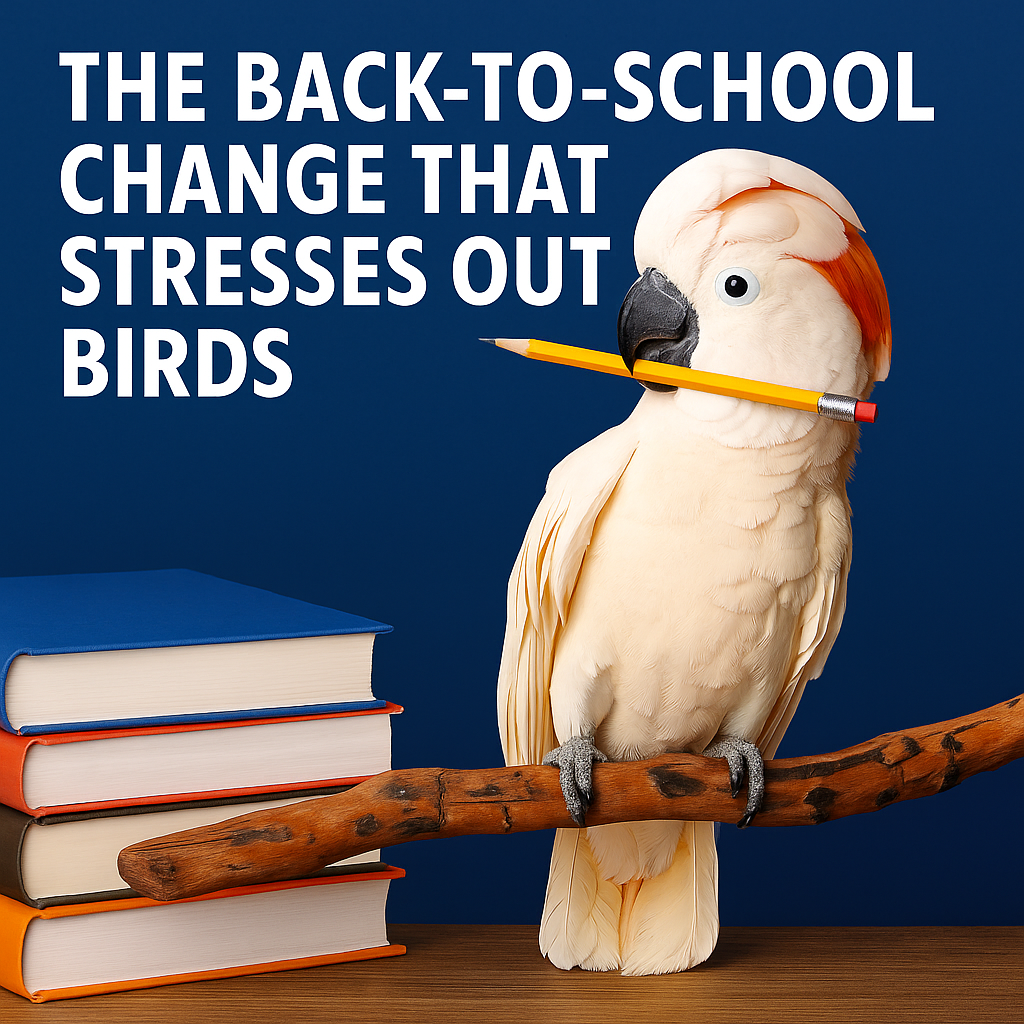
This disruption extends beyond just human presence. Feeding schedules might subtly shift, the type or duration of enrichment activities could decrease, and the overall energy of the household can feel dramatically different. The cumulative effect of these seemingly small changes can leave a feathered friend wondering, "What just happened to my world?"
Manifestations of Stress: Warning Signs and Behavioral Shifts
Birds are masters at concealing discomfort, a trait rooted in their survival instincts in the wild where showing weakness can attract predators. However, in a domestic setting, this instinct means owners might not recognize stress until it manifests in pronounced, often problematic, ways. When household routines are disrupted, a bird can quickly transition from a state of calm to one of frazzled anxiety.
Common warning signs of stress in birds include:
- Vocalizations: An increase in frantic screaming or persistent calling at odd hours, particularly when the house is quiet. Conversely, some birds might become unusually silent and withdrawn, which is equally concerning.
- Self-Mutilation: Feather plucking, chewing on their own skin, or over-preening are classic indicators of severe stress or anxiety. This can lead to skin irritation, infections, and even permanent damage to feather follicles.
- Physical Changes: Alterations in appetite (either decreased eating or, less commonly, stress-induced overeating), changes in sleep patterns (lethargy, excessive napping, or restlessness), and poor feather condition despite molting are all red flags. Weight loss due to reduced food intake is a serious concern that requires immediate veterinary attention.
- Behavioral Regressions: A once-independent bird might suddenly become a "Velcro bird," exhibiting extreme clinginess and refusing to let their owner out of sight. Others may become unusually aggressive, fearful, or exhibit a general reluctance to engage in play or foraging activities they once enjoyed.
- Stereotypical Behaviors: Repetitive, non-functional actions like pacing, head bobbing, or incessant chewing on cage bars can emerge as coping mechanisms for anxiety.
- Separation Anxiety: This can creep in, causing distress when the bird is left alone. Symptoms might include destructive behaviors, excessive vocalization, or frantic attempts to escape the cage.
One African Grey owner, as noted in the original article, observed their bird completely abandoning a favorite foraging game overnight after a family schedule change. This anecdote highlights how even minor shifts, imperceptible to humans, can have a profound impact on a bird’s emotional state and daily engagement. It is imperative for owners to pay close attention to any deviation from their bird’s normal behavior, as these subtle cues are often the first indicators of underlying stress.
The Scientific Basis: Avian Stress Physiology
The stress response in birds is not merely behavioral; it has a physiological basis that can impact long-term health. When a bird perceives a threat or experiences prolonged anxiety, its body initiates a "fight or flight" response. This involves the release of stress hormones, such as corticosterone (the avian equivalent of cortisol), which can lead to increased heart rate, altered metabolism, and suppression of the immune system.
Chronic elevation of stress hormones can have detrimental effects. It can compromise the bird’s ability to fight off infections, impair digestion and nutrient absorption, and even affect reproductive health. Persistent stress can also exacerbate existing health conditions or lead to new ones. For example, a bird under chronic stress might be more prone to bacterial or fungal infections, suffer from digestive upset, or develop behavioral issues that are difficult to reverse. Avian veterinarians often see stress-related conditions, from feather destructive behaviors to immunosuppression, reinforcing the critical link between environmental stability and physical health. Research in animal welfare consistently emphasizes the importance of environmental enrichment and predictable routines in reducing stress and promoting overall well-being in captive animals, including birds.
Expert Recommendations and Proactive Strategies

Fortunately, there are numerous proactive steps bird owners can take to mitigate the stress associated with routine changes and help their feathered companions adjust. The key lies in gradual adaptation, consistent reassurance, and enriching the bird’s environment.
- Gradual Acclimation: The most effective strategy is to introduce changes incrementally. If the household schedule is shifting for school, begin adjusting the bird’s routine a week or two in advance. Gradually shift wake-up times, feeding schedules, and the duration of your absences. Start by trimming your time with your bird in small steps over several days, slowly sliding into longer periods of solitude. This groundwork helps the bird build trust that you will always return, even after extended absences.
- Maintain Predictable Core Routines: While daily specifics might change, try to keep core routines as consistent as possible. This includes wake-up times, lights-out rituals, and primary feeding times. Birds lean on these routines to feel safe and secure. Even if the middle of the day is now quiet, anchoring the beginning and end of their day with predictability provides a sense of stability.
- Verbal Reassurance: Even if a bird doesn’t understand the complex nuances of human language, they are highly attuned to tone of voice and familiar phrases. A calm "I’ll be back soon" spoken consistently before leaving can become a comforting cue, building confidence that departures are not permanent.
- Enrichment is Non-Negotiable: A stimulating environment is vital for a bird’s mental and physical health.
- Physical Enrichment: Provide a diverse array of toys for chewing, shredding, and manipulation. Rotate toys frequently to maintain novelty. Offer various perch types (natural branches, rope perches) to exercise feet and prevent pressure sores. Ensure opportunities for bathing.
- Mental Stimulation: Introduce foraging puzzles that require problem-solving to access treats. Engage in short, positive training sessions daily, teaching simple tricks or commands. This not only provides mental exercise but also strengthens the human-bird bond.
- Sensory Enrichment:
- Auditory: Soft background music, nature sounds, or even a familiar radio show can help soften the silence of an empty house. Some owners find success with "bird TV" – programs featuring other birds or calming natural scenery. The low-volume sound of a human voice from another room, even if it’s just a podcast, can offer reassurance.
- Visual: If safe and appropriate, positioning the cage near a window with a view of natural activity can provide visual stimulation. Ensure the view is not overly stimulating or frightening.
- Social Interaction: Even with reduced time, make dedicated, high-quality interaction a priority. Rather than just "hanging around," engage your bird in a training game, offer a new toy, or provide a chilling session outside (weather and bird personality permitting). This reinforces independent play while also strengthening your bond.
- Leverage Technology: Two-way security cameras with audio capabilities allow owners to monitor their birds while away and even speak to them, offering real-time reassurance. Many pet parents report that letting a favorite show or radio play—especially shows birds have watched with them before—can help them feel like company is still around.
- Consider Calming Aids (Consult an Avian Vet): For birds exhibiting significant anxiety, bird-safe calming products can offer supplementary support during adjustment periods. These might include botanical supplements or specific nutritional aids designed to ease stress. However, it is crucial to consult with an avian veterinarian before introducing any new supplement to ensure it is appropriate and safe for your specific bird. Just as humans might reach for calming tea or a weighted blanket, these products can help take the edge off anxiety while the bird adjusts.
Long-Term Well-being and Owner Responsibility
Observance is paramount. One of the most valuable tools an owner possesses is their ability to closely observe their bird for subtle changes. Less interest in beloved toys, quieter vocalizations, increased napping, or slight shifts in eating habits are all important signals. Birds cannot articulate their stress, so tuning into these small shifts allows owners to intervene proactively, preventing minor issues from escalating into major health or behavioral problems.
Creating and maintaining new, reliable routines is the bedrock of avian welfare during transitional periods. Even if the household’s overall rhythm has changed, consistent wake-up, feeding, and bedtime rituals provide a framework of security. Furthermore, a strong, trusting bond between a bird and its owner is the ultimate buffer against stress. This bond is built through consistent positive interaction, understanding, and meeting the bird’s complex physical and emotional needs.
In cases where behavioral issues persist or escalate despite proactive measures, seeking the guidance of an avian veterinarian or a certified avian behaviorist is essential. They can rule out underlying medical conditions and provide tailored strategies to address specific behavioral challenges.
Conclusion
Life is inherently dynamic, full of routine changes stemming from school schedules, work shifts, vacations, and countless other events. While these are an unavoidable part of human life, their impact on sensitive companion birds cannot be underestimated. Recognizing that birds thrive on predictability and are profoundly affected by disruptions is the first step toward responsible pet ownership.
The good news is that owners are not powerless. By implementing gradual transitions, maintaining consistent core routines, enriching their bird’s environment with diverse stimulation, and being attentive to subtle warning signs, owners possess a robust toolkit to ease stress and support their feathered friends. From setting steady wake-up and bedtime rituals to offering safe, vet-approved calming products, these proactive measures ensure that even amidst household flux, companion birds can continue to feel secure, supported, and cherished, fostering a lifetime of positive experiences for both bird and human.

