


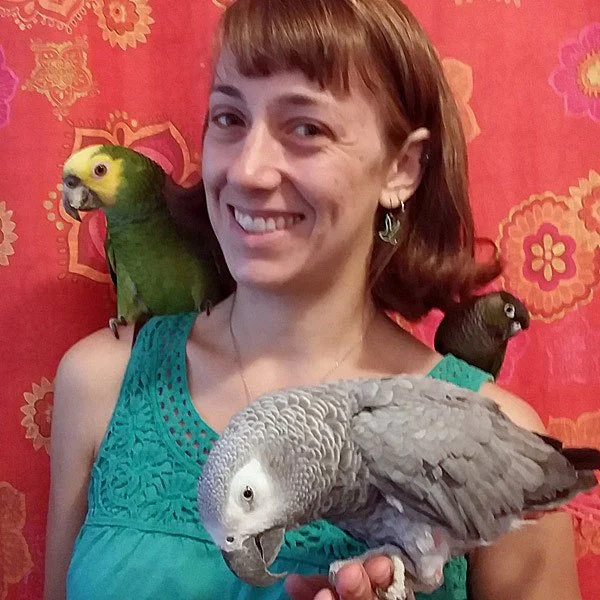
The critical field of avian health is set to receive focused attention as the "Avian Vet Insider" webinar series announces its next installment, "Avian Neoplasia, Part 1," scheduled for Friday, April 10, 2026, at 12:00 p.m. PST. This pivotal online event will feature Dr. Stephanie Lamb, a distinguished expert in avian veterinary medicine, who will guide participants through the intricate and often challenging landscape of cancer in pet birds. Hosted by a leading educational platform dedicated to avian welfare, this webinar marks the initial segment of a two-part series designed to provide comprehensive insights into a disorder that significantly impacts the health and longevity of avian companions.
Addressing a Critical Avian Health Challenge
Avian neoplasia, a term encompassing a wide array of abnormal tissue growths or tumors, represents one of the most significant and distressing health concerns for pet bird owners and veterinary professionals alike. Unlike many other pet species where cancer research and treatment protocols are more established, avian oncology presents unique diagnostic and therapeutic challenges due to the physiological distinctiveness of birds, their often subtle manifestation of symptoms, and the specialized knowledge required for their care. This upcoming webinar is strategically timed to equip attendees with vital knowledge, ranging from the identification of common benign skin masses to the understanding of aggressive, incurable diseases that can afflict birds.
The incidence of neoplasia in avian populations has been increasingly recognized, with studies indicating that tumors are a common finding in older birds across various species. Factors such as genetics, environmental influences, diet, and viral infections are believed to play roles in their development, although definitive causes for many avian cancers remain under active investigation. The emotional toll on owners facing a cancer diagnosis in their beloved birds is profound, underscoring the critical need for accurate information, effective management strategies, and supportive care. This webinar series, therefore, serves as an invaluable resource, offering a structured approach to understanding a topic that is as sensitive as it is complex.
Dr. Stephanie Lamb: A Leading Voice in Avian Medicine
Leading this crucial discussion is Dr. Stephanie Lamb, whose extensive expertise and commitment to avian veterinary medicine make her an ideal speaker for such a comprehensive topic. Dr. Lamb is a highly respected figure within the exotic animal veterinary community, known for her dedication to advancing the understanding and treatment of avian diseases. Her professional background typically includes specialized training and certifications in avian and exotic animal medicine, often involving rigorous residency programs and board certification processes that attest to her advanced knowledge and clinical proficiency.
Dr. Lamb’s ability to translate complex medical information into understandable insights is particularly valuable for an audience comprising both seasoned veterinary professionals and devoted pet bird owners. Her practical experience in diagnosing and managing a wide spectrum of avian health issues, including various forms of neoplasia, provides her with a unique perspective. Through her work, she has undoubtedly encountered numerous cases, from routine benign growths to intricate and challenging malignant tumors, allowing her to share real-world scenarios and best practices that resonate with attendees. Her presence ensures that the information presented is not only scientifically accurate but also clinically relevant and practically applicable.
The "Avian Vet Insider" Series: A Pillar of Education
The "Avian Vet Insider" series, under which this webinar falls, has established itself as a cornerstone of educational outreach in the avian community. Historically, the series has aimed to bridge the gap between cutting-edge veterinary research and the practical needs of pet bird owners and general practitioners. By regularly featuring leading experts like Dr. Lamb, the series provides a consistent platform for disseminating up-to-date information on various aspects of avian health, ranging from nutrition and husbandry to behavioral issues and disease management.
The host organization, often associated with reputable entities such as Lafeber Company (as suggested by the source URL lafeber.com/pet-birds/), plays a vital role in facilitating this educational initiative. Such organizations typically have a long-standing commitment to avian welfare, often through developing specialized avian diets, supporting research, and fostering community engagement. Their sponsorship of the "Avian Vet Insider" series underscores a broader mission to enhance the well-being of pet birds globally by empowering owners with knowledge and connecting them with expert resources. Previous webinars in the series have likely covered topics such as avian nutrition, common respiratory diseases, preventative care, and emergency protocols, building a robust library of accessible educational content.
Comprehensive Coverage: From Diagnosis to Management
"Avian Neoplasia, Part 1" is meticulously structured to provide a foundational understanding of the disorder. Dr. Lamb is expected to delve into the fundamental pathology of neoplasia, explaining how abnormal cell growth occurs and differentiates between benign and malignant forms. A significant portion of the webinar will likely be dedicated to discussing the more common types of cancer observed in pet birds, such as lipomas (fatty tumors, often benign, particularly in budgerigars and Amazon parrots), fibrosarcomas (connective tissue tumors), squamous cell carcinomas (skin cancers), and reproductive tract tumors (especially in older female birds).
Beyond these, Dr. Lamb will also illuminate some of the rarer avian cancers, which, while less frequently encountered, pose significant diagnostic and therapeutic challenges when they do occur. These might include osteosarcomas (bone tumors), kidney tumors, or specific types of lymphomas. The discussion will not only focus on the types of tumors but also on their typical presentation, potential symptoms (which can be vague, such as lethargy, weight loss, or changes in droppings), and the diagnostic modalities available. This could include physical examination techniques, imaging (radiography, ultrasound, CT scans), and the crucial role of biopsy and histopathology in confirming a diagnosis and determining the tumor’s nature.

The decision to make this a two-part webinar series reflects the sheer breadth and depth of the topic. Avian neoplasia is not a singular disease but a complex category requiring extensive exploration. Part 1 is anticipated to lay the groundwork, focusing on identification, common types, and initial diagnostic approaches. The subsequent Part 2 will likely build upon this foundation, exploring advanced diagnostics, treatment options (including surgery, chemotherapy, radiation therapy, and palliative care), prognosis, and long-term management strategies, further empowering attendees with a holistic understanding.
Impact on Pet Bird Owners and the Broader Avian Community
For pet bird owners, this webinar offers more than just academic knowledge; it provides empowerment. Dealing with a bird diagnosed with neoplasia can be an isolating and emotionally taxing experience. Owners are often faced with difficult decisions regarding treatment pathways, quality of life, and financial implications. The information shared by Dr. Lamb will enable them to engage in more informed discussions with their own veterinarians, understand the rationale behind diagnostic tests and treatment recommendations, and ultimately make choices that are in the best interest of their avian companions.
The webinar also serves a broader purpose within the avian veterinary community. It offers continuing education opportunities for veterinarians and veterinary technicians, ensuring they stay abreast of the latest developments in avian oncology. The practical insights and case studies Dr. Lamb might present will be invaluable for improving clinical practice standards and fostering a collaborative approach to complex cases. This collective enhancement of knowledge ultimately elevates the standard of care for all pet birds.
The importance of early detection cannot be overstated. Many avian cancers progress silently, with overt symptoms appearing only in advanced stages. By understanding the subtle signs and risk factors, owners can become more vigilant observers, potentially leading to earlier diagnoses and more favorable outcomes. This proactive approach, fueled by accurate information from credible sources like Dr. Stephanie Lamb, is crucial for improving the prognosis of birds affected by neoplastic diseases.
The Future of Avian Oncology: Research and Advances
While the webinar will focus on current understanding and practices, it also subtly highlights the ongoing evolution of avian oncology. The field is continuously advancing, with improvements in diagnostic tools, surgical techniques, and the development of more avian-specific chemotherapy and radiation protocols. Research into genetic predispositions, environmental triggers, and novel therapeutic agents continues, promising even better outcomes in the future. Webinars like "Avian Neoplasia, Part 1" contribute to this progression by fostering a more informed community, which in turn supports further research and innovation in avian medicine. The increased awareness generated by such events can also lead to greater funding and resources being allocated to this specialized area of veterinary science.
Event Details and Registration Information
The webinar, "Avian Neoplasia, Part 1," is scheduled for Friday, April 10, 2026, at 12:00 p.m. Pacific Standard Time (PST). Given the global nature of online events, attendees from different time zones are strongly advised to utilize the provided time zone converter (typically accessible via a link on the registration page) to ascertain the precise start time in their local region. This crucial step ensures that interested participants do not miss out on the valuable information shared.
Registration details are usually provided on the host organization’s website, often requiring a simple sign-up process. While specific instructions for 2026 are not yet available, past webinars typically involve registering via an online portal, which then provides a unique link to join the live session. Attendees should ensure they have a stable internet connection and compatible device to access the webinar platform. A Q&A segment is often incorporated into such sessions, allowing participants to directly pose questions to Dr. Lamb, fostering an interactive and enriching learning environment.
Anticipating Part 2: Continuing the Deep Dive
The announcement of "Avian Neoplasia, Part 1" inherently generates anticipation for the second part of the series. While details for Part 2 are yet to be revealed, it is logically inferred that it will delve into the more advanced aspects of managing avian cancers. This could include a detailed discussion on various treatment modalities such as surgical excision techniques, the application and efficacy of chemotherapy agents in birds, radiation therapy options, and the critical role of palliative care in maintaining quality of life for birds with incurable conditions. Furthermore, Part 2 might explore long-term prognosis, post-treatment monitoring, and the psychological support available for owners. Attending both parts of the series will undoubtedly provide the most comprehensive understanding of avian neoplasia, equipping attendees with a robust knowledge base to navigate this challenging aspect of avian health.
In conclusion, the upcoming "Avian Neoplasia, Part 1" webinar featuring Dr. Stephanie Lamb is a landmark event for the avian community. It promises to deliver essential, expert-led education on a complex and emotionally resonant topic, reinforcing the commitment of leading organizations to avian welfare. By fostering a more informed cohort of owners and professionals, this webinar series contributes significantly to improving the health outcomes and quality of life for pet birds globally.

