


The journey of owning a pet rat, while immensely rewarding, is often paved with unforeseen challenges, particularly for new enthusiasts. A deep dive into common oversights reveals that many owners, driven by a desire to provide the best for their beloved companions, inadvertently fall into traps that compromise their pets’ well-being. This article aims to illuminate these prevalent mistakes, offering a detailed roadmap for aspiring and current rat owners to navigate the complexities of responsible pet rat care, drawing on decades of collective experience and expert advice.
The Evolution of Rat Care Knowledge
Historically, information regarding the proper care of pet rats has been fragmented and, at times, demonstrably inaccurate. During the 1990s, when many current pet owners first ventured into rat ownership, the readily available resources were scarce and often misleading. This lack of comprehensive guidance, coupled with the visual merchandising of inadequate products in pet stores, created an environment where suboptimal care practices were inadvertently adopted. The author’s personal journey, marked by early missteps such as housing rats individually, using inappropriate cage sizes and toxic bedding materials like pine and cedar shavings, underscores the pervasive nature of these issues. These early experiences, though personally agonizing, fueled a passion for rigorous research and accurate information dissemination. The evolution from a well-intentioned but uniformed owner to a dedicated advocate for informed pet rat care highlights the critical need for accessible and scientifically-backed guidance.

Navigating the Digital Landscape: The Perils of Misinformation
In the contemporary digital age, the internet offers an unparalleled volume of information, but this accessibility also presents a significant hurdle. The proliferation of online content, from blogs and social media influencers to forums and even AI-generated text, necessitates a discerning approach. Not all readily available advice is accurate or up-to-date. Many sources may simply be repeating outdated or anecdotal information without proper vetting.
Key Considerations for Evaluating Online Resources:
- Source Credibility: Investigate the source’s longevity in rat ownership and their demonstrated success in managing rat health and well-being. Look for evidence of consulting with veterinarians specializing in exotic pets or established rescue organizations.
- Evidence-Based Information: Prioritize sources that cite scientific studies, veterinary recommendations, or reputable organizations. The Rat Guide (ratguide.com) is frequently cited as a gold standard for health-related information for rat owners.
- Continuous Learning: A reliable source will demonstrate a commitment to ongoing education, acknowledging new research and adapting their advice accordingly. Be wary of sources that present their information as absolute and unchanging.
- AI Limitations: While AI can be a tool for information retrieval, it is crucial to recognize its limitations. AI models can sometimes misinterpret nuanced information or synthesize data from unreliable sources, leading to inaccuracies. Proficiency in the subject matter is essential for effectively vetting AI-generated content.
Creating a Haven: Essential Housing and Supply Considerations
The physical environment provided for pet rats is a cornerstone of their health and happiness. Inadequate housing can lead to a host of problems, ranging from stress and injury to disease.

Cage Size and Design
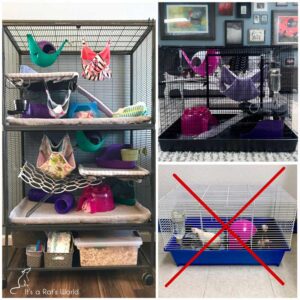
The notion of a "small" cage being sufficient for rats is a dangerous misconception. Rats are highly active and intelligent creatures that require ample space to explore, play, and exercise.
- Space Requirements: A commonly cited guideline suggests a minimum cage size of 2 cubic feet per rat, though larger is always preferable. Multi-level cages are ideal as they maximize vertical space, allowing for climbing and exploration. The American Cavy Breeders Association (ACBA) cage calculator, while designed for guinea pigs, can offer a useful starting point for understanding volume needs for smaller animals.
- Ventilation: Proper airflow is crucial to prevent the buildup of ammonia from urine and feces, which can severely irritate a rat’s sensitive respiratory system. Cages with wire bars on multiple sides are generally superior to solid-sided tanks.
- Bar Spacing and Security: The gap between cage bars should be no more than ½ inch for adult rats to prevent escapes and injuries. Secure latches are also essential to contain curious and determined rodents.
- Flooring: Wire floors are a significant concern. Constant contact with wire can lead to bumblefoot (pododermatitis), a painful inflammation of the footpads, and can be unsanitary. Wire floors should always be covered with solid materials like linoleum, plastic mats, or deep layers of bedding.
Bedding and Substrates
The choice of bedding material is critical for respiratory health and overall cleanliness.
- Toxic Bedding: Pine and cedar shavings are highly detrimental due to the presence of aromatic hydrocarbons (phenols and cresols) that can cause respiratory irritation, liver damage, and other health issues. These should be avoided entirely.
- Recommended Bedding: Fleece is a popular and safe choice, offering comfort and absorbency. It requires frequent washing to maintain hygiene. For litter boxes, crushed walnut shells, after being frozen for 24-48 hours to eliminate parasites, are a good option. Paper-based bedding and aspen shavings are also considered safe alternatives.
- Dust and Allergies: Even "safe" beddings can cause sneezing or congestion in some individual rats. Owners should monitor their rats for signs of respiratory distress and adjust bedding accordingly.
Cage Placement
The location of the cage significantly impacts a rat’s well-being.
- Temperature and Drafts: Rats are sensitive to extreme temperatures and drafts. The cage should be kept in a room with a stable temperature, away from direct sunlight, heating vents, or open windows.
- Noise and Stress: While rats are adaptable, excessive noise or a location in a high-traffic area can cause stress. A relatively quiet corner of a living space is often ideal.
- Air Quality: Avoid placing the cage near areas where air quality may be compromised, such as kitchens with frequent cooking fumes or areas where harsh cleaning chemicals are used.
The Importance of a Pristine Environment: Cage Cleaning Protocols
A clean living space is paramount for preventing illness and ensuring a comfortable existence for pet rats.
- Ammonia Buildup: The accumulation of ammonia from urine and feces is a significant health hazard. High levels of ammonia can cause respiratory infections, eye irritation, and skin problems. Rats have highly sensitive respiratory systems, making them particularly vulnerable.
- Frequency of Cleaning: Spot cleaning should occur daily, removing soiled bedding and food debris. A more thorough cage cleaning, including washing all accessories, should be performed at least weekly. The frequency may need to be increased based on the number of rats and their habits.
- Hygiene: Living in a constantly soiled environment is unhygienic and stressful for rats. Regular cleaning promotes their overall health and prevents the proliferation of bacteria and other pathogens.
Nutritional Foundations: The Diet of a Healthy Rat
Proper nutrition is fundamental to a rat’s long-term health, and dietary mistakes are among the most common errors made by owners.
Commercial Diets: Beyond the Label
Not all rat food is created equal. The label "for rats" does not guarantee nutritional adequacy.

- Staple Diet: A high-quality commercial rat food or lab block should form the base of a rat’s diet. These are formulated to provide a balanced mix of protein, carbohydrates, fats, vitamins, and minerals. Look for foods with a protein content between 14-20% for adult rats.
- Ingredient Quality: Research the ingredients of commercial mixes. Avoid those with excessive fillers, artificial colors, and preservatives. Reputable brands often list their formulations and nutritional analysis.
- Veterinary Consultation: Consulting with a veterinarian or reputable rat care resources like The Rat Guide for specific diet recommendations is highly advisable.
The Dangers of Overfeeding and Junk Food
The temptation to spoil pet rats with human food is strong, but often leads to detrimental health consequences.
- Obesity: Overfeeding, even with healthy foods, can lead to obesity, which exacerbates other health problems like heart disease, diabetes, and joint issues.
- Unhealthy Treats: Fatty, salty, sugary, and processed human foods (fries, pizza, chips, candy) are detrimental to a rat’s health. These foods lack essential nutrients and can lead to a range of health issues, including organ damage and shortened lifespan.
- Portion Control: Even healthy treats like fruits and vegetables should be given in moderation. A general guideline is that treats should not exceed 10% of a rat’s daily caloric intake.
- Rarity of Splurges: Occasional, minuscule portions of "junk food" might be acceptable for some owners, but this should be an extreme rarity and not a regular occurrence. The long-term health benefits of a balanced diet far outweigh the fleeting pleasure of an occasional unhealthy treat.
Key Nutritional Resources:
- The Rat Guide – Diet: Provides comprehensive information on rat nutrition, including staple diets and recommendations for fresh foods. (ratguide.com/care/nutrition/diet.php)
- The Rat Guide – Daily Menu: Offers a visual guide to creating balanced daily meals for rats. (ratguide.com/care/figures-care/diet-figure-2-daily-menu.php)
- Lafeber Company Rat Food: Information on specialized rat food formulations. (Often found via veterinarian recommendations or specific product pages).
Nurturing the Mind and Body: Exercise and Mental Stimulation
Pet rats are intelligent and active animals that require both physical exercise and mental stimulation to thrive.
- Consequences of Sedentary Lifestyles: A lack of sufficient activity can lead to obesity, behavioral problems such as destructiveness and aggression, and a decline in overall health.
- Encouraging Movement: Provide opportunities for daily free-ranging in a safe, rat-proofed environment. Supervised playtime outside the cage is crucial.
- Enrichment Activities: Offer a variety of toys, tunnels, climbing structures, and puzzle feeders to keep their minds engaged. Rotate toys regularly to maintain interest.
- Training: Rats are capable of learning tricks and responding to their names, which provides excellent mental stimulation and strengthens the bond between rat and owner.
Respecting Their Anatomy: The Crucial Importance of Rat Tails
The rat’s tail is often misunderstood and, unfortunately, subjected to improper handling.

- Multifunctional Organ: The tail is far more than a simple appendage. It plays vital roles in thermoregulation, balance, sensory input, and communication. It is also technically an extension of the rat’s spine.
- Risk of Injury: Grabbing a rat by its tail can cause significant pain, injury, and even paralysis. The skin on the tail is delicate, and the bones are susceptible to fractures.
- Proper Handling Techniques: When picking up a rat, support their entire body with one hand under their chest and the other supporting their hindquarters. Never grasp the tail.
Financial Preparedness: The Unseen Costs of Rat Ownership
Responsible pet ownership necessitates financial preparedness, and rats are no exception.
- Rising Veterinary Costs: The cost of veterinary care for exotic pets has steadily increased. According to recent studies, the average cost of veterinary care has risen significantly over the past decade, with specialized exotic pet care often being more expensive.
- Common Health Issues: Rats are prone to respiratory infections, tumors, and other age-related ailments that often require veterinary intervention. These can range from routine check-ups and diagnostic tests to surgeries and long-term medication.
- Beyond Vet Bills: In addition to potential medical expenses, owners must budget for the initial setup costs (cage, accessories, bedding), ongoing food and treat expenses, and replacement of worn-out items.
- Financial Planning: It is strongly recommended to establish a dedicated savings account for pet care expenses. Having a veterinarian who specializes in exotic pets identified before an emergency arises is also crucial.
Gradual Integration: The Nuances of Free-Ranging
While free-ranging is a valuable part of a rat’s enrichment, it must be approached with caution and thorough preparation.
- Rat-Proofing: Homes contain numerous hazards for curious rats, including electrical cords, toxic plants, small ingestible items, and unsafe cleaning products. Thoroughly "rat-proofing" an area is essential before allowing free-ranging.
- Behavioral Considerations: Rats can be destructive to furniture and other household items if not provided with adequate alternatives. They can also create hygiene challenges if not properly litter-trained.
- Supervision: Even in a rat-proofed environment, constant supervision is recommended to prevent accidents and ensure the rat’s safety.
Adapting to Aging: Special Care for Senior Rats
As rats age, their needs change, and owners must adapt their care routines accordingly.
- Mobility Issues: Older rats may experience arthritis or other mobility challenges. Ramps should be modified to be less steep, food and water dishes should be made more accessible, and softer bedding and easier-to-access hammocks should be provided.
- Dietary Adjustments: Appetite may decrease, and older rats may benefit from softer, more easily digestible food. Monitoring weight and ensuring adequate hydration is critical.
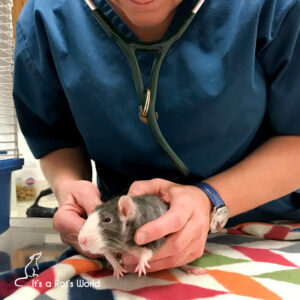
- Health Monitoring: Senior rats are more susceptible to illnesses like tumors and respiratory infections. Regular veterinary check-ups and prompt attention to any signs of illness are vital for maintaining their quality of life.
- Medication and Pain Management: Veterinarians can prescribe antibiotics for infections and pain medication to alleviate discomfort, significantly improving the quality of life for senior rats.
The Cornerstone of Ownership: Full Commitment and Daily Engagement
Ultimately, the most profound mistake an owner can make is a lack of full commitment to their pet rats’ daily needs.
- Daily Routines: Rats thrive on routine. Establishing daily schedules for feeding, playtime, cage cleaning, and social interaction provides security and predictability.
- Quality Time: Rats are social creatures and require daily interaction with their human companions. Neglecting this can lead to behavioral issues and a weakened bond.
- Responsibility: Owning pet rats is a commitment to their physical and mental well-being. This responsibility extends beyond simply providing food and shelter; it involves active engagement, observation, and a willingness to learn and adapt.
- The Reward of Bonds: The effort invested in daily care and interaction yields a deep and rewarding bond with these intelligent and affectionate animals. Their eager greetings, playful antics, and quiet companionship are the fruits of a committed and informed owner.
By understanding and actively avoiding these common pitfalls, rat owners can significantly enhance the lives of their beloved pets, ensuring they experience optimal health, happiness, and longevity. The journey of rat ownership is a continuous learning process, and a commitment to accurate information and compassionate care is the key to a truly fulfilling experience.

