


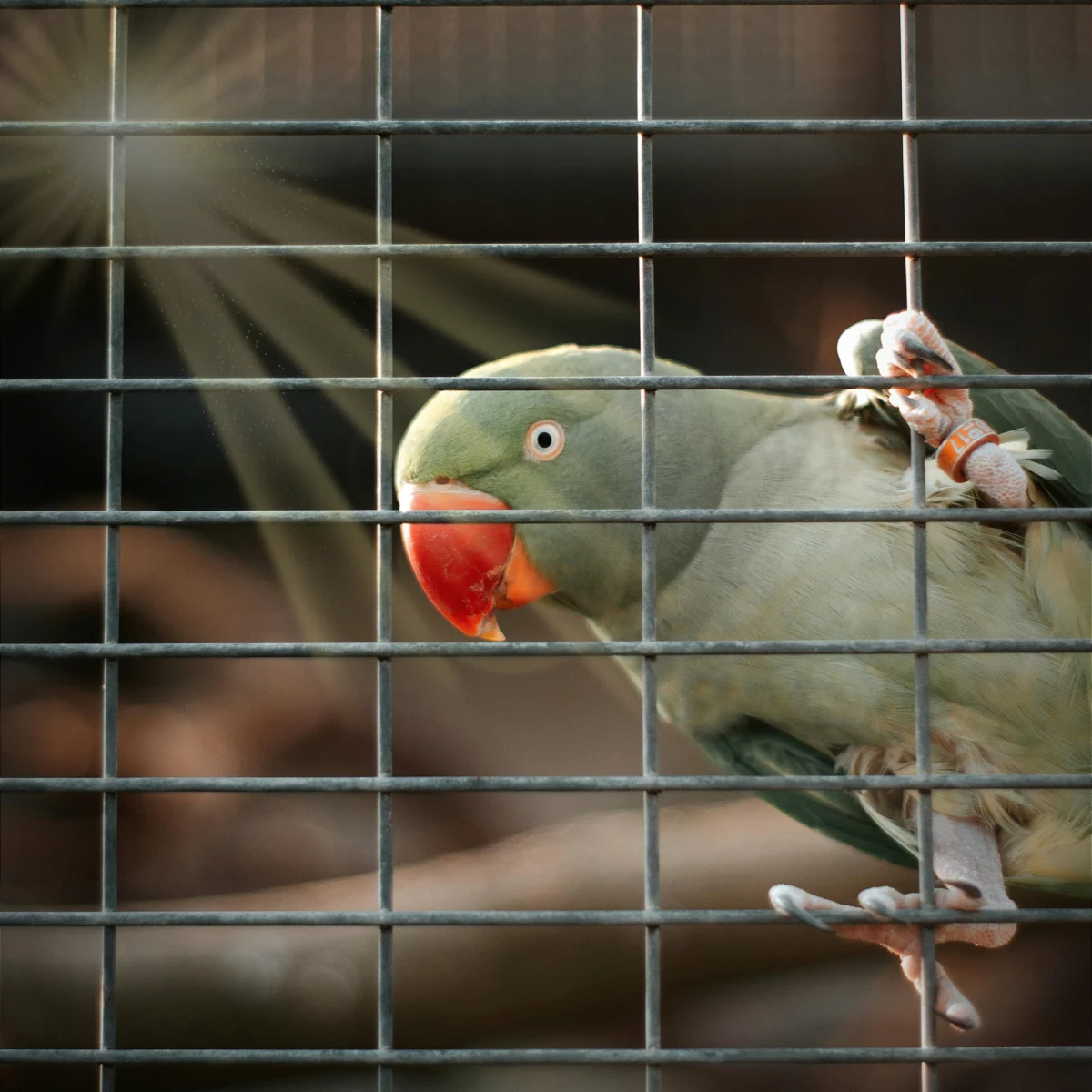
As global temperatures continue to rise, marked by increasingly frequent and intense heatwaves, the welfare of domestic animals, including pet birds, faces unprecedented challenges. While humans can rely on air conditioning and cold beverages, our feathered companions, particularly those housed indoors, depend entirely on their caretakers to mitigate the risks of heat stress. Often overlooked, a bird’s diet plays a profoundly critical role in its ability to thermoregulate and maintain health during periods of elevated ambient temperatures. This comprehensive guide delves into the physiological impacts of heat on birds and outlines evidence-based nutritional strategies, supplemental support, and optimal feeding practices to ensure avian well-being from the inside out throughout the summer months.
Understanding Avian Thermoregulation and Heat Vulnerability
Birds possess a unique physiology that makes them particularly vulnerable to high temperatures. Unlike mammals, birds do not possess sweat glands, making evaporative cooling a complex and energy-intensive process. Their dense feathering, while excellent insulation against cold, can trap heat when ambient temperatures soar, exacerbating the risk of overheating.
Avian thermoregulation primarily relies on several key mechanisms:
- Gular Fluttering: Many bird species engage in rapid vibrations of the floor of the mouth and upper throat, known as gular fluttering. This increases airflow over moist mucous membranes, promoting evaporative cooling similar to panting in mammals, but without the significant muscular exertion of panting.
- Vasodilation: Birds can increase blood flow to unfeathered areas such as their legs, feet, and face. This allows excess body heat to dissipate into the environment through convection and radiation.
- Feather Adjustments: While feathers can trap heat, birds can also adjust their plumage. Fluffing feathers can create an insulating air layer in cold weather, but in heat, birds may sleek their feathers close to their bodies or hold their wings slightly away to allow air circulation and heat escape.
- Behavioral Adaptations: In the wild, birds instinctively seek shade, reduce activity during the hottest parts of the day, and bathe frequently. They also forage for moisture-rich foods to supplement hydration.
Pet birds, confined to cages or indoor environments, are often deprived of these natural coping mechanisms. They cannot always find sufficient shade, access natural water sources for bathing, or forage for hydrating foods unless provided by their owners. This reliance underscores the critical importance of a tailored summer care regimen, with nutrition at its core. When temperatures consistently climb into the 80s and 90s Fahrenheit (27-38°C), a bird’s body works overtime, leading to increased metabolic rate, respiratory effort, and potential for dehydration and organ strain.
Recognizing the Subtle Signs of Avian Heat Stress
Birds are masters of concealing illness or distress, a survival instinct to avoid appearing vulnerable to predators. This means pet owners must be vigilant in recognizing the subtle indicators of heat stress before they escalate into life-threatening conditions. Early signs can include:
- Panting or heavy breathing: More rapid and shallow than normal, often accompanied by open-mouth breathing.
- Gular fluttering: Visible rapid vibrations of the throat area.
- Holding wings away from the body: A posture adopted to increase air circulation and heat dissipation.
- Lethargy or reduced activity: Unusual stillness or reluctance to play.
- Fluffed feathers: Paradoxically, some birds may fluff feathers in an attempt to create a cooling barrier, or they may appear disheveled.
- Loss of appetite or reduced food intake: A critical sign as nutritional intake is vital for maintaining energy.
- Increased water consumption: While a sign of hydration effort, excessive drinking without adequate electrolyte intake can lead to imbalances.
- Wet or watery droppings: A symptom of increased fluid intake and potential digestive upset or dehydration.
- Dull or glazed eyes: Indicating general malaise.
Advanced signs of heat stroke are severe and require immediate veterinary intervention, including collapse, seizures, and rapid, shallow breathing. According to veterinary reports from organizations like the Association of Avian Veterinarians (AAV), heat-related emergencies see a significant spike during summer months, particularly affecting older birds, obese individuals, very young birds, or those with pre-existing cardiovascular or respiratory conditions. Early recognition and proactive nutritional intervention are paramount to preventing these severe outcomes.
The Pivotal Role of Nutrition in Thermoregulation
Nutrition serves as an internal cooling system for birds, providing the essential tools their bodies need to combat heat stress. The metabolic processes involved in digestion themselves generate heat, a phenomenon known as the thermic effect of food. Therefore, a judicious selection of nutrients can either support or hinder a bird’s thermoregulatory efforts. A diet optimized for summer aims to boost hydration, reduce internal inflammation, support cellular energy, and minimize metabolic heat production.
Key Nutrients for Enhanced Heat Resilience
Several specific nutrients play a crucial role in helping birds maintain optimal body temperature and overall health during hot weather:
-
Electrolytes (Potassium, Sodium, Magnesium, Calcium): These vital minerals are critical for maintaining fluid balance, nerve impulse transmission, muscle contraction (including the heart), and cellular function. In hot weather, birds lose more water through increased respiration (gular fluttering) and droppings. This fluid loss depletes electrolytes, which can rapidly lead to dehydration, fatigue, and even cardiac irregularities. Supplementing through water-rich foods or a bird-safe electrolyte solution helps the body retain water and ensures these critical functions remain stable. Expert recommendations from avian nutritionists often emphasize balancing these electrolytes, as an imbalance can be as detrimental as a deficiency.
-
Omega-3 Fatty Acids: These polyunsaturated fats, particularly EPA and DHA, are renowned for their anti-inflammatory properties. Heat stress can induce systemic inflammation, taxing the bird’s immune system and increasing internal heat. Omega-3s help mitigate this inflammatory response. Furthermore, they are crucial for maintaining healthy skin and feather quality. Healthy feathers act as a more efficient natural insulator and can be adjusted more effectively for cooling, while healthy skin forms a better barrier against environmental stressors. They also support cellular membrane fluidity, allowing cells to function optimally under temperature fluctuations.
-
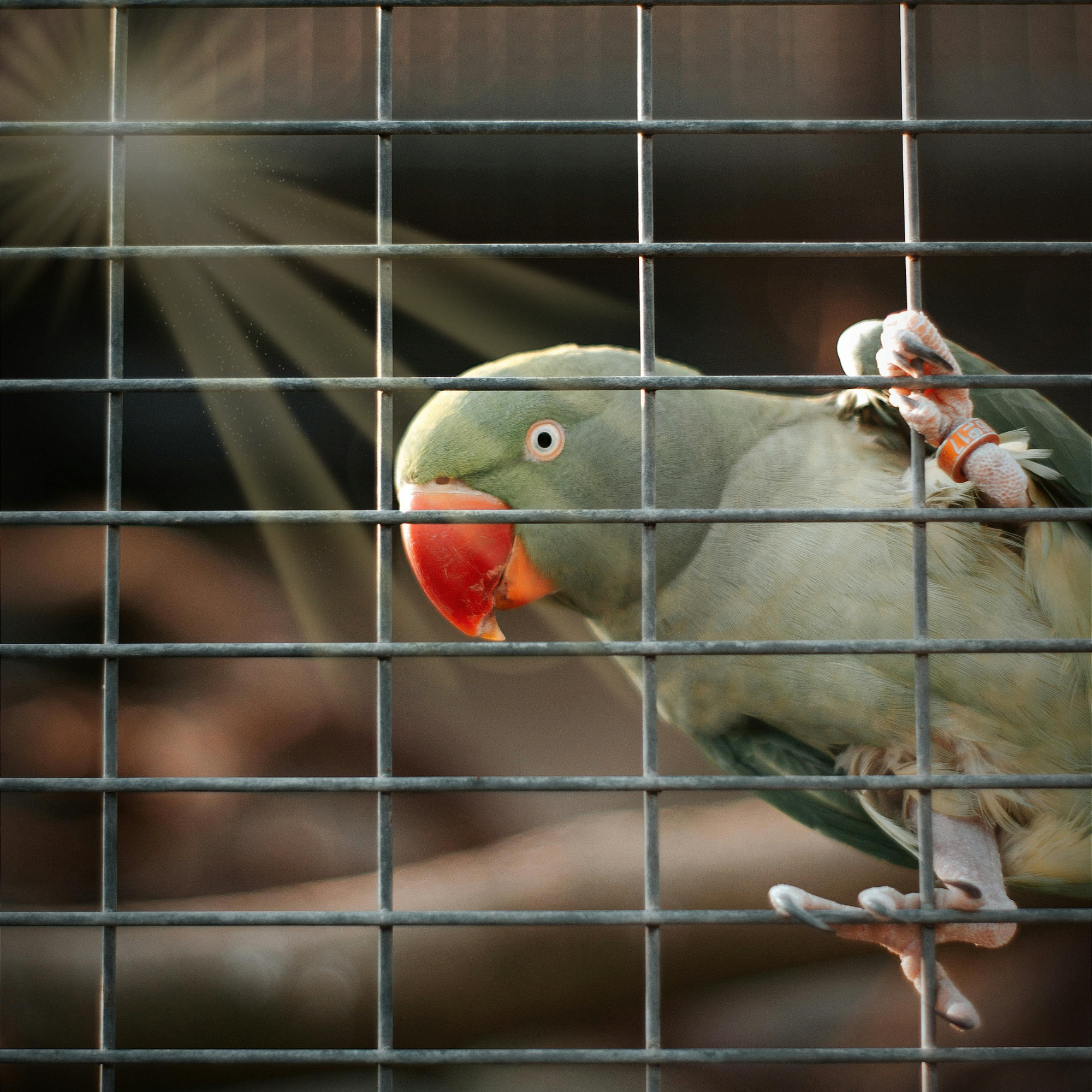
Vitamin A (Beta-Carotene): This fat-soluble vitamin is essential for the health and integrity of epithelial tissues, which line the skin, respiratory tract, and digestive system. In dry, hot conditions, mucous membranes can become desiccated, making the bird more susceptible to irritants like dust, dry air, and airborne pathogens. Vitamin A helps keep these membranes moist and robust, forming a critical first line of defense. It also plays a vital role in immune function, which can be compromised by prolonged heat exposure. Natural sources like beta-carotene are preferred, as the body converts it to Vitamin A as needed, reducing the risk of toxicity associated with synthetic forms.
-
Antioxidants (Vitamin C, Vitamin E, Selenium): Heat stress can significantly increase oxidative stress within a bird’s body, generating harmful free radicals that damage cells and tissues. Antioxidants act as scavengers, neutralizing these free radicals and protecting cellular health. Vitamin C, while often synthesized by birds, can be beneficial during periods of high stress. Vitamin E works synergistically with selenium to protect cell membranes. These nutrients help maintain cellular integrity and support immune function, both of which are taxed during thermoregulatory efforts.
-
B Vitamins (especially B1, B2, B3): These water-soluble vitamins are crucial cofactors in energy metabolism. When a bird is actively thermoregulating (e.g., gular fluttering, increased respiration), its metabolic rate increases, demanding more energy. B vitamins help ensure efficient energy production from food, supporting the bird’s ability to cope with increased physiological demands without becoming depleted.
Crafting a Cooling Diet: Practical Food Choices and the Summer Chop
The cornerstone of summer avian nutrition is a diet rich in moisture, easily digestible nutrients, and moderate protein, served strategically. The concept of "chop" – a finely diced or shredded mix of fresh vegetables, fruits, and sprouts – becomes particularly valuable during hot months.
Summer Cool-Down Bird Chop (Example Recipe, scaled for ~2 cups):
This recipe is designed to be highly hydrating, nutrient-dense, and lower in metabolic heat.
- Base (Hydrating Veggies): 1/3 cup cucumber (diced), 3 tbsp bell pepper (any color, chopped), 3 tbsp finely chopped broccoli, 3 tbsp shredded carrot.
- Leafy Greens (Vitamin A & Antioxidants): 1/3 cup chopped kale, collard, or dandelion greens.
- Fresh Herbs (Antioxidants & Flavor): 2 tbsp fresh cilantro, basil, or parsley.
- Sprouts (Easy Protein & Hydration): 1/4 cup sprouted lentils or mung beans.
- Optional Cooked Additions (Complex Carbs & Nutrients): 2 tbsp cooked sweet potato, 2 tbsp cooked quinoa or brown rice (ensure thoroughly cooled).
Preparation Guidelines:
- Wash all produce meticulously to remove pesticides and contaminants.
- Chop or shred ingredients to an appropriate size for your bird species.
- Mix thoroughly in a clean bowl.
- Portion immediately into ice cube trays or silicone molds for freezing. This allows for convenient, single-serving portions that stay fresh.
- Thaw only the amount needed per serving and top with supplements just before serving.
Why High-Protein Foods Increase Heat (and How to Adjust)
Digesting protein generates more metabolic heat than digesting carbohydrates or fats. This is due to the higher energy cost of breaking down amino acids and processing nitrogenous waste. While protein is essential for muscle maintenance, feather growth, and immune function, its quantity and timing should be adjusted in summer. A "winter diet" rich in high-protein items like nuts, seeds, and legumes can inadvertently raise a bird’s internal temperature during summer, contributing to heat stress.
| Seasonal Protein Guidelines (Based on Food Volume): | Bird Size | Winter Protein Intake | Summer Protein Intake |
|---|---|---|---|
| Small (Budgie, Cockatiel) | 15–20% of total diet | 10–12% of total diet | |
| Medium (Conure, Quaker) | 18–22% of total diet | 12–15% of total diet | |
| Large (Amazon, African Grey) | 20–25% of total diet | 15–18% of total diet |
These are general guidelines. Always consult an avian veterinarian for species-specific needs, especially during breeding, molting, or recovery.
During summer, prioritize offering protein sources in the cooler morning hours. Reduce afternoon portions of high-protein treats like eggs, nuts, and certain legumes. Focus the rest of the diet on hydrating vegetables, sprouts, and fresh greens.
Strategic Supplementation for Enhanced Protection
While a balanced diet is foundational, targeted supplementation can offer an additional layer of protection, particularly during peak heatwaves or for birds more susceptible to stress. Supplements act as "summer wellness boosters," aiding recovery from heat stress, supporting hydration, and even calming the nervous system during potentially chaotic summer months (e.g., fireworks, increased outdoor activity).
Key Ingredients to Look for in Summer Bird Supplements:
- Electrolyte Blends: Specifically formulated for birds, these help replenish lost minerals and maintain fluid balance.
- Omega-3 Rich Oils/Seeds: Such as flax meal, chia seeds, or specialized avian Omega-3 supplements, to support feather health and reduce inflammation.
- Vitamin A/Beta-Carotene Supplements: Especially beneficial for birds on seed-heavy diets or those showing signs of respiratory or skin issues. Red palm oil is a natural source of beta-carotene and Vitamin E.
- Antioxidant Complexes: Combining Vitamins C, E, and selenium can help combat oxidative stress.
- Calming Herbs (e.g., Chamomile, Lavender): These can help reduce stress and anxiety, which can be heightened during hot weather or busy summer periods.
Integration into the Daily Routine:
The easiest way to administer supplements is to mix them directly into the morning chop.
- Prepare the Morning Chop: Thaw a portion of your prepped chop or prepare a fresh batch.
- Add Supplements: Sprinkle or mix in the recommended dosage of powders or a few drops of liquid supplements.
- Serve Immediately: Offer the fortified chop promptly to ensure maximum intake and prevent spoilage.
- Rotate and Monitor: Vary supplements based on specific needs and observe your bird’s response.
Optimizing Feeding Practices for Summer Safety

Beyond what to feed, when and how food is offered are equally critical during summer.
-
Timing and Serving Temperature:
- Early Morning Feeding: The ideal time for fresh chop and moist foods is early in the day, before temperatures peak. Birds are naturally most active and hungry in the morning, increasing the likelihood they will consume their nutrient-rich, hydrating meals while fresh and cool.
- Avoid Peak Heat: Do not leave fresh, perishable foods in the cage during the hottest parts of the day (midday to afternoon), especially if the environment is not climate-controlled. Warm temperatures combined with moisture create an ideal breeding ground for harmful bacteria and fungi.
- Removal Guideline: Remove all uneaten fresh food within two hours, or even sooner if ambient temperatures exceed 80°F (27°C).
-
Storage and Spoilage Prevention:
- Refrigeration: Store prepared chop in airtight containers in the refrigerator for no more than 2-3 days.
- Freezing: Freezing chop in ice cube trays is highly recommended for longer storage and portion control.
- Thawing: Thaw frozen portions in the refrigerator overnight or rapidly under cold running water. Avoid thawing at room temperature for extended periods.
- Hygiene: Always use clean utensils and bowls. Wash food and water dishes daily with hot, soapy water, ensuring no residue remains.
-
Chilling and Freezing for Enrichment:
- Frozen Fruit Chunks: Offer bird-safe fruits like melon, berries, or kiwi as frozen chunks for a cooling treat and foraging challenge.
- Chop Cubes: The frozen chop cubes can be offered directly as a cool, interactive meal.
- Ice Toys: Embed small pieces of fruit or seeds into ice cubes or molds for birds to peck and melt.
- Cool Baths: While not food, offering cool baths or misting helps with external cooling and hydration.
Common Summer Nutrition Mistakes and Proactive Prevention
Awareness of common pitfalls can prevent inadvertent harm to your bird during summer.
-
Overfeeding Fruit or Sugary Foods: While fruits offer moisture, excessive sugar can lead to energy spikes, stress the liver, and potentially exacerbate dehydration due to osmotic effects.
- Do This: Offer small portions of fresh berries, kiwi, or melon.
- Avoid That: Bananas, mango (high sugar), dried fruits (concentrated sugar), or fruit juice (added sugars, lack fiber).
-
Relying Solely on Dry Food: Pellets and seeds, while staples, provide minimal to no hydration. A diet solely of dry foods forces the bird’s body to work harder to maintain fluid balance.
- Do This: Serve moisture-rich chop, soaked pellets, fresh veggies, and sprouts.
- Avoid That: An exclusive diet of dry seed, dry nut treats, or dehydrated mixes without substantial fresh, hydrating components.
-
Ignoring Seasonal Dietary Needs: A common oversight is maintaining a winter diet year-round. Birds’ metabolic needs shift with environmental conditions.
- Do This: Adjust the diet to be lighter, more cooling, and calming, with a focus on hydration and moderate protein.
- Avoid That: Continuing high-protein or high-fat winter routines that generate excess metabolic heat.
FAQs: Feeding Pet Birds in Summer
- Is it okay to feed pellets in hot weather? Yes, pellets remain a valuable nutritional base. However, they are dry. During hot weather, always pair them with water-rich foods like fresh vegetables, sprouts, or offer soaked pellets to enhance hydration.
- Can I give cold or frozen foods? Absolutely! Frozen fruit chunks, mini "chop cubes," or even ice with embedded treats can be excellent enrichment and provide cooling relief on hot days. Ensure they are bird-safe and offered in moderation to avoid over-chilling or digestive upset.
- How often should I change my bird’s water? Water quality is paramount. The white, cloudy film often seen in water bowls is bacterial biofilm, which proliferates rapidly in warm conditions. Change your bird’s water at least twice daily during hot weather, or anytime it appears murky, contains food debris, or feels warm. Wash bowls daily with hot, soapy water to eliminate bacteria. Cool, clean water is not just refreshing; it is vital for summer survival.
- How often should I clean the cage during summer? Increased humidity, water splashes, fresh food debris, and droppings create an ideal environment for dangerous bacteria and fungi, particularly Aspergillus, which can cause deadly aspergillosis. Wipe down cage bars and perches daily. Remove spoiled food from the grate immediately after meals. Deep-clean food and water dishes daily. Perform a thorough cage cleaning at least twice a week, paying special attention to corners and crevices where mold loves to hide. Diligence in hygiene is a non-negotiable summer safety measure.
Conclusion
The summer months present unique challenges for pet bird owners, demanding a proactive and informed approach to avian care. By understanding the physiological demands of thermoregulation and implementing targeted nutritional strategies, owners can significantly enhance their birds’ resilience against heat stress. A diet rich in hydrating foods, balanced electrolytes, anti-inflammatory Omega-3s, and protective Vitamin A, complemented by strategic supplementation and meticulous hygiene, forms the bedrock of summer avian well-being. Prioritizing these measures ensures that our feathered companions remain vibrant, healthy, and comfortable, protecting them from the inside out as temperatures climb. This commitment to seasonal dietary adjustment and environmental management is not merely a convenience but a fundamental aspect of responsible and compassionate pet bird ownership in a changing climate.
References:
- Cusick, D. (2023, October 26). Millions of baby birds are dying from extreme heat. Scientific American. https://www.scientificamerican.com/article/millions-of-baby-birds-are-dying-from-extreme-heat/
- Doneley, B. (2010). Avian Medicine and Surgery in Practice (2nd ed.). Elsevier Health Sciences.
- Duncan, I. J. H., & Mench, J. A. (1990). The welfare of poultry in relation to protein nutrition and thermoregulatory stress. Journal of Avian Medicine and Surgery, 4(3), 155–163.
- Hawkins, M. G., & Kistler, W. S. (2006). Cloacal temperature and thermoregulation mechanisms in budgerigars (Melopsittacus undulatus). Journal of Avian Medicine and Surgery, 20(2), 96–102.
- National Research Council. (2004). Nutrient Requirements of Poultry and Other Specialty Birds (2nd ed.). National Academies Press.
- Tey, A. (2013, July 18). How to help birds beat the heat. Audubon Magazine. https://www.audubon.org/news/how-help-birds-beat-heat

