


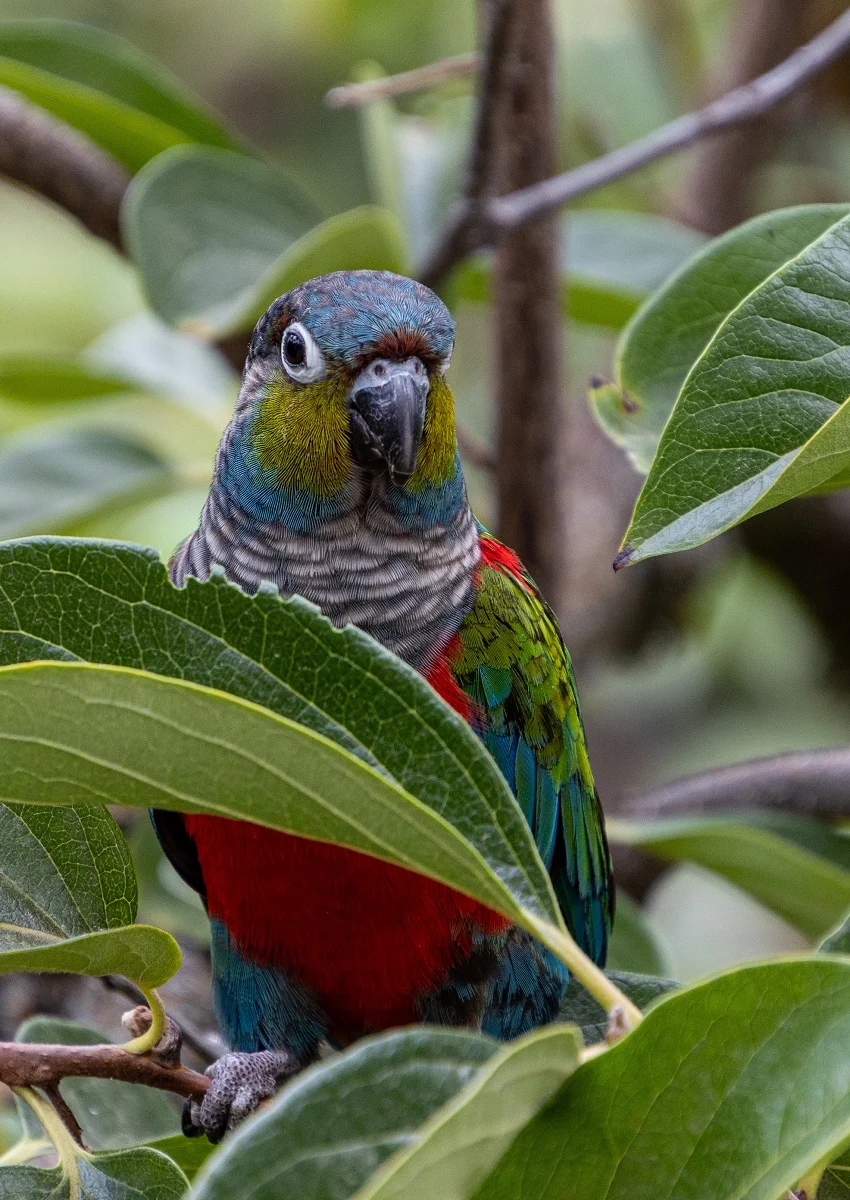
The vibrant Crimson-bellied Conure, scientifically known as Pyrrhura perlata, stands out as an exceptionally colorful and engaging small parrot, making it a captivating subject for both ornithological study and potential pet ownership. Originating from the biodiverse Brazilian Amazon basin and northern Bolivia, this species, often dubbed a "clownish" yet friendly companion, presents a unique blend of striking aesthetics and an interactive temperament that warrants a thorough understanding for responsible engagement.
Physical Characteristics and Distinctive Appearance
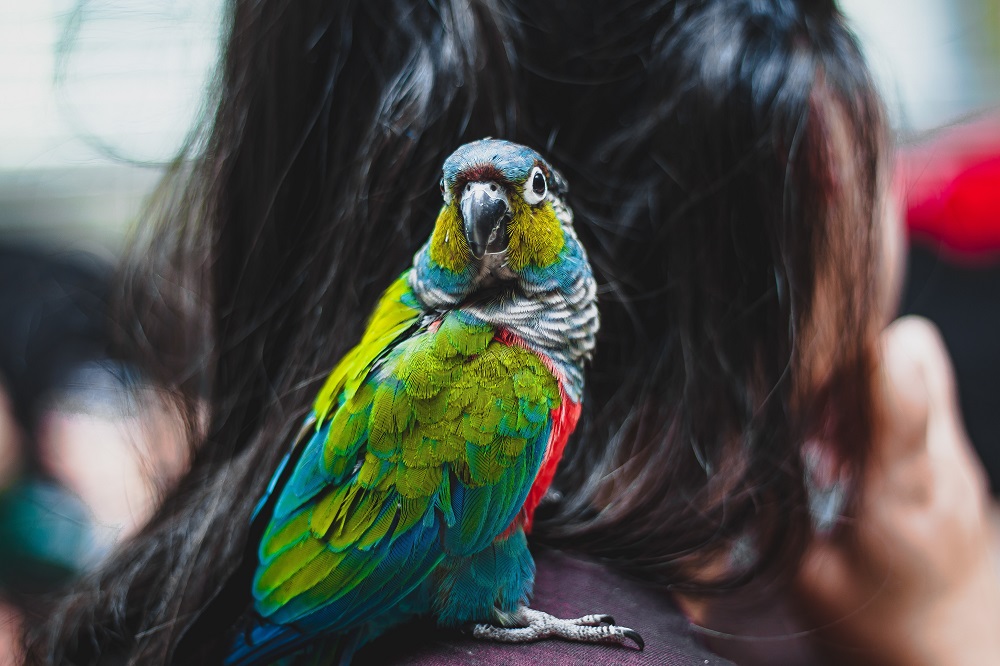
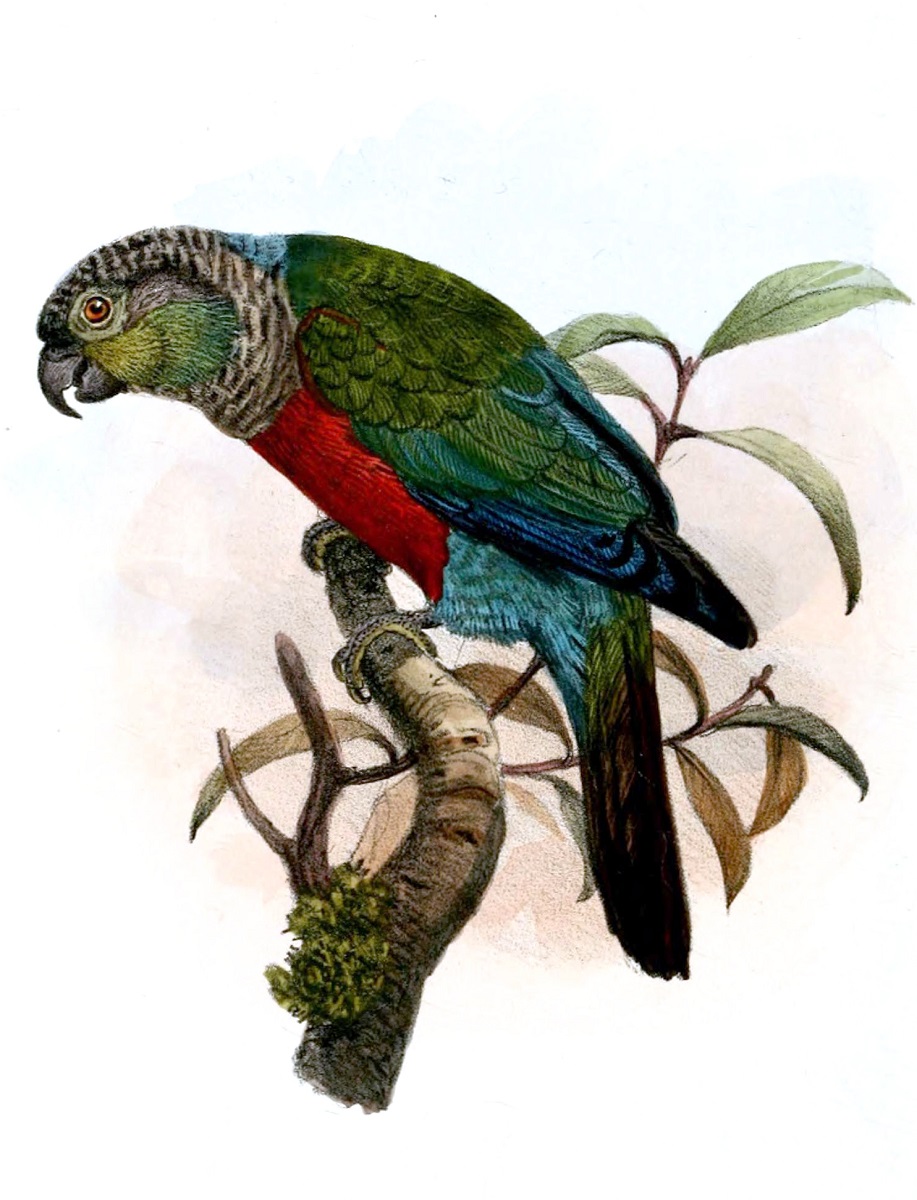
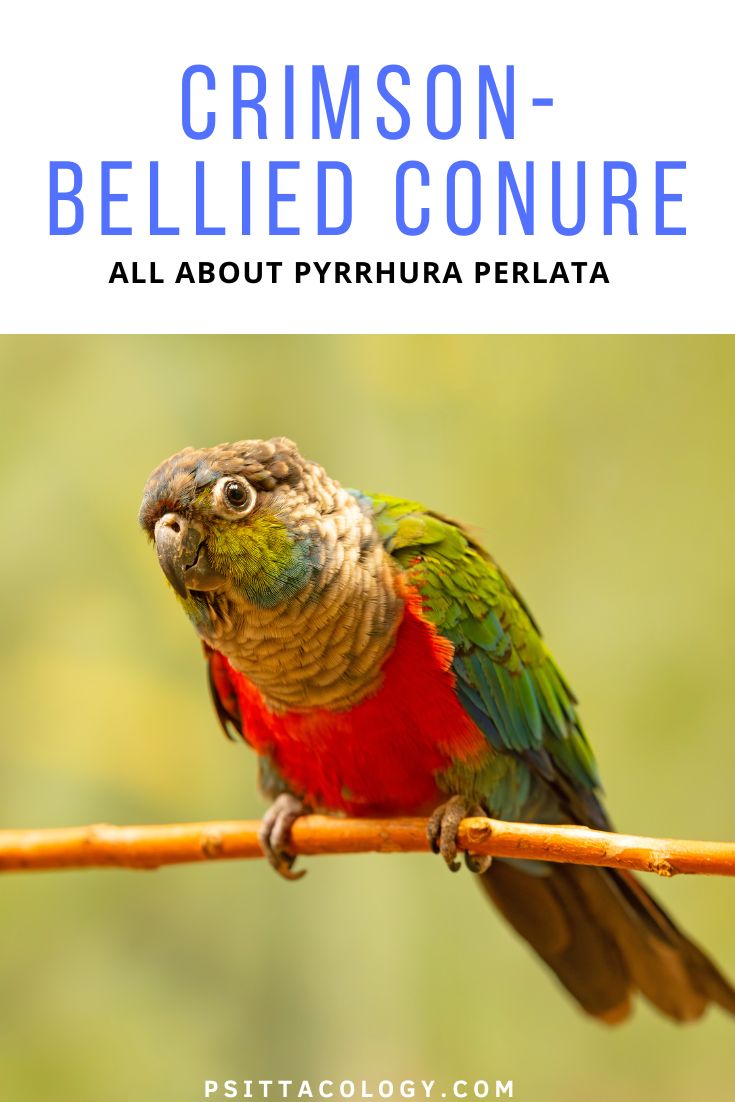
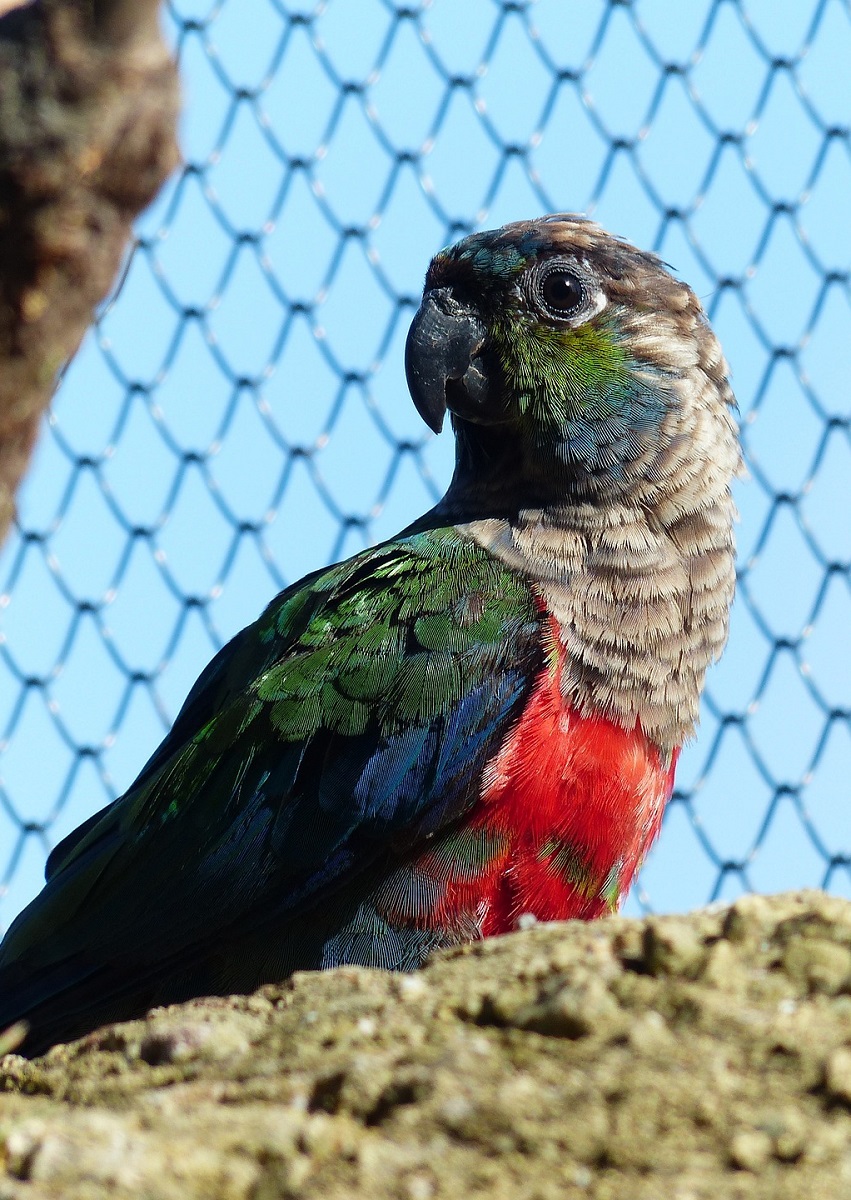
The Pyrrhura perlata is renowned for its vivid plumage, a characteristic that immediately distinguishes it even among the diverse parrot family. As its common name suggests, the most prominent feature is the intensely vibrant crimson-red belly, which provides a dramatic contrast to its otherwise intricate coloration. Beyond this striking abdominal hue, the bird’s head is adorned with a rich brown cap, transitioning into a scalloped pattern of yellow and brown feathers on the neck and upper breast. The back and wings typically exhibit a lush green, while the primary flight feathers introduce a splash of blue, especially noticeable during flight. The long, tapering tail is generally green with a rufous-brown underside.
Adult Crimson-bellied Conures are relatively small, typically reaching up to 10 inches (approximately 25 centimeters) in length, including their distinctive long tail, and weighing around 90 grams. Their facial features are accentuated by prominent white eye-rings, lending them an alert and intelligent expression, complemented by a sturdy black beak. It is noteworthy that juvenile birds do not immediately display the full intensity of the crimson belly; this vibrant coloration can take up to a year to fully develop, gradually emerging as they mature. Furthermore, discerning between male and female Crimson-bellied Conures visually is not possible, as the species exhibits no significant sexual dimorphism, requiring genetic testing or surgical sexing for accurate identification.
Natural Habitat, Range, and Conservation Status
The geographical distribution of the Crimson-bellied Conure is concentrated within the central South American continent, primarily inhabiting the vast expanse of the Brazilian Amazon Basin, with a notable presence in the state of Rondônia. Its range also extends into the northern regions of Bolivia, where suitable ecological conditions persist.
Within its natural environment, Pyrrhura perlata predominantly thrives in specific types of rainforests known as "terra firme" forests. These are distinguished by their elevated terrain, which prevents seasonal flooding, offering a stable environment for the species. They demonstrate adaptability by occupying various niches within these forests, from the dense canopy and understory of primary growth to the more open forest edges and regenerating secondary forests. This adaptability underscores their resilience within a complex ecosystem.
Like many parrot species, wild Crimson-bellied Conures are gregarious birds, typically observed traveling in small, cohesive groups. These flocks often engage in mixed-species foraging, occasionally intermingling with other conure species, such as the Painted Conure (Pyrrhura picta), highlighting inter-species ecological relationships. For nesting, they utilize natural cavities found in hollow trees, a common strategy among arboreal birds for protection and rearing their young.
The International Union for Conservation of Nature (IUCN) Red List currently classifies Pyrrhura perlata as a species of "Least Concern." This designation indicates that the species is not currently facing an immediate threat of extinction across its entire range. However, the IUCN’s assessment also includes a critical caveat: the population trend is noted as decreasing. This decline is attributed primarily to ongoing deforestation within the Amazon, driven by agricultural expansion, logging, and infrastructure development, which leads to habitat fragmentation and loss. Additionally, localized hunting pressure contributes to population reductions. While not critically endangered, the long-term viability of the Crimson-bellied Conure population is inextricably linked to the preservation of its Amazonian rainforest habitat, necessitating continued monitoring and conservation efforts.
Dietary Habits: Wild and Captive
The dietary requirements of the Crimson-bellied Conure are shaped by the incredible biodiversity of their native rainforests, demanding a varied and nutrient-rich intake both in the wild and in captivity.
Wild Diet: In their natural Amazonian habitat, these conures exploit a wide array of food sources. They are primarily frugivorous and granivorous, with a particular fondness for wild figs and various other indigenous fruits abundant in the rainforest canopy. Beyond fruits, their diet includes a diverse selection of seeds, nuts, and occasionally flowers and catkins, which provide essential nutrients and fiber. A unique aspect of their wild diet is their regular visitation to natural clay licks, or geophagy sites. At these locations, they consume mineral-rich soil, which is believed to neutralize toxins present in some of the fruits and seeds they consume and to supplement their diet with crucial micronutrients and minerals, such as sodium and calcium, often scarce in a purely botanical diet.
Captive Diet: For pet Crimson-bellied Conures, replicating the nutritional diversity of their wild diet is paramount for their health and longevity. Avian veterinarians, including Psittacology’s resident expert Dr. Daisy, strongly advocate against a seed-only diet, which is widely recognized as nutritionally deficient and a leading cause of malnutrition and disease in captive parrots.
The cornerstone of a captive Crimson-bellied Conure’s diet should be a high-quality, nutritionally complete pelleted food. Pellets are formulated to provide a balanced intake of vitamins, minerals, and macronutrients, addressing the common deficiencies found in seed mixes (which are often high in fat and low in essential vitamins like A and D). Daily portions of these pellets should constitute the majority of their caloric intake.
Supplementing the pelleted diet with a wide variety of fresh produce is crucial. Daily offerings should include a diverse array of safe vegetables such as dark leafy greens (kale, spinach in moderation, romaine), bell peppers (all colors), carrots, broccoli, zucchini, and various squashes. Fresh fruits, provided regularly but in smaller quantities due to their sugar content, can include berries (blueberries, raspberries), melons (cantaloupe, watermelon), apples (seeds removed), and citrus fruits. All produce should be thoroughly washed and, if possible, organic to minimize pesticide exposure.
Further dietary enrichment can come from cooked whole grains like quinoa, whole-wheat rice, barley, and oats, as well as legumes such as lentils and chickpeas. These offer complex carbohydrates and protein. Owners can also offer pesticide-free foraged items like dandelions (leaves and flowers), chickweed, and safe tree branches (e.g., apple, willow, eucalyptus) for chewing, provided they are thoroughly cleaned and verified as non-toxic. Treats, such as sunflower seeds or small nuts, should be offered sparingly, as they are high in fat and can contribute to obesity if overfed. Constant access to fresh, clean water, ideally from multiple sources within the cage, is non-negotiable. A healthy and varied diet is the single most important factor in ensuring a happy, active, and long-lived parrot.
Housing Requirements and Environmental Enrichment

Despite their relatively small size, Crimson-bellied Conures are exceptionally active and intelligent birds requiring significant space and mental stimulation to thrive in a domestic environment.
Housing: The fundamental principle for housing a Crimson-bellied Conure is to provide the largest cage possible. A minimum cage width of 36 inches (approximately 90 cm) is recommended, but this should be considered an absolute minimum if the bird will spend a significant portion of its day outside the cage. For birds that cannot be out for several hours daily, or for those kept in pairs, a much larger enclosure, ideally a full indoor aviary, is preferable. The cage should be constructed from safe, durable materials like powder-coated metal or stainless steel, with appropriate bar spacing (typically 5/8 to 3/4 inch or 1.6 to 1.9 cm) to prevent escapes and injuries.
Within the cage, a variety of natural wood perches is essential. Unlike plastic or dowel perches, natural branches of varying diameters and textures (e.g., manzanita, java, apple wood) promote foot health by allowing different pressure points, preventing the development of pressure sores and bumblefoot. Perches should be strategically placed to encourage climbing and movement, and to allow the bird to reach food and water bowls comfortably.
Environmental Enrichment: Parrots are highly intelligent and curious creatures; therefore, comprehensive environmental enrichment is critical to prevent boredom, stress, and behavioral issues such as excessive screaming, feather plucking, and aggression. A stimulating environment encourages natural behaviors and promotes psychological well-being.
- Diverse Toy Selection: Provide a rotating selection of toys designed for various purposes:
- Chew Toys: Made from natural wood, cardboard, or safe fibrous materials, these are crucial for beak health and natural destructive instincts.
- Foraging Toys: These toys require the bird to manipulate objects or solve puzzles to access food, mimicking natural foraging behaviors and providing mental challenges.
- Shreddable Toys: Composed of paper, palm leaf, or other easily destructible materials, these satisfy the urge to tear and dismantle.
- Puzzle Toys: Designed to engage the bird’s problem-solving abilities.
- Comfort Toys: Soft ropes or fabric toys (ensure they are bird-safe and don’t fray into ingestible strings) can offer a sense of security.
- Social Interaction: Crimson-bellied Conures are highly social. Daily, meaningful interaction with their human caregivers is vital. This includes training sessions (positive reinforcement is key), play, and simply spending time together. If an owner cannot provide extensive social interaction, considering a bonded pair can be beneficial, provided adequate space and resources are available.
- Foraging Opportunities: Beyond dedicated foraging toys, owners can hide food items throughout the cage or around bird-safe rooms, encouraging natural exploratory behaviors.
- Bathing Opportunities: Most parrots enjoy bathing. Offer a shallow dish of fresh water daily or mist the bird with a fine spray, ensuring the water is lukewarm.
- Out-of-Cage Time: Supervised free-flight or playtime outside the cage is paramount. This allows for essential exercise, exploration, and mental stimulation. Any area where the conure has access must be thoroughly bird-proofed to eliminate hazards such as electrical cords, toxic plants, open windows, ceiling fans, hot stoves, and access to household chemicals. Owners should also be prepared for emergencies by understanding basic parrot first aid.
Temperament and Social Behavior
Conures within the Pyrrhura genus, including the Crimson-bellied Conure, are highly sought after as companion animals due to their engaging personalities. While Green-cheeked Conures are more commonly encountered, Crimson-bellied Conures offer a unique blend of traits that make them an excellent choice for the right owner.
These birds are often affectionately described as "loveable rogues." This moniker perfectly encapsulates their dual nature: they are undeniably playful, curious, and often mischievous, delighting in exploring their surroundings and engaging in antics. At the same time, a well-socialized Crimson-bellied Conure can be incredibly affectionate, relishing close contact, head scratches, and snuggling on a shoulder. Their intelligence contributes to their cheeky demeanor, as they quickly learn routines and can develop strong bonds with their human family members.
For individuals seeking a friendly, clownish, and interactive addition to their household, the Crimson-bellied Conure can be an ideal companion. Owners should be prepared for their innate tendency to chew, as this is a natural parrot behavior crucial for beak health and exploration. Providing appropriate chew toys and supervised free-flight in bird-proofed areas can mitigate damage to household items. While they bring a degree of "chaos" through their active and curious nature, their affectionate disposition and intelligent antics offer decades of companionship and joy. Given their long lifespan, adopting a Crimson-bellied Conure represents a significant, long-term commitment.
Vocalizations and Communication
When considering a parrot, understanding its vocalization patterns is essential. Among conures, Crimson-bellied Conures are generally not considered to be among the loudest species, distinguishing them from some of their more vociferous cousins. However, it is crucial to understand that no parrot is truly "quiet."
Crimson-bellied Conures possess a range of vocalizations, typically characterized by chattering, squawks, and softer calls. While they may not vocalize as continuously as some other species, owners can expect periods of louder calls, particularly when the bird is excited, startled, seeking attention, or expressing displeasure. These vocalizations are a natural part of their communication repertoire. Prospective owners are strongly advised to listen to recordings of Pyrrhura perlata calls, such as those available on platforms like xeno-canto, and ideally, visit someone who owns one to gain a realistic understanding of their noise level.
Talking Ability: Most parrots possess a natural aptitude for imitation, and Crimson-bellied Conures are no exception. However, Pyrrhura conures are not typically regarded as highly talented talkers compared to larger parrot species like African Greys or Amazons. While some individuals may learn to mimic a few words or short phrases, their strength lies more in imitating household sounds such as telephone rings, microwave beeps, or specific whistles. An owner should not acquire a Crimson-bellied Conure with the primary expectation of it becoming a fluent talker, but rather appreciate their ability to mimic sounds as part of their broader communicative skills.
Lifespan and Commitment
The Crimson-bellied Conure is a remarkably long-lived species. With optimal care, including a balanced diet, a stimulating environment, regular veterinary check-ups, and a strong bond with their caregivers, these parrots can live for 20 years or even longer. This extended lifespan underscores the profound commitment required from potential owners.
Adopting a Crimson-bellied Conure is not a short-term endeavor; it is a decades-long responsibility encompassing significant time, financial resources, and emotional investment. Prospective owners must consider the ongoing costs of high-quality food, a spacious cage, a continuous supply of toys, and specialized avian veterinary care. Furthermore, the daily demands for social interaction, training, and supervision are substantial. Planning for the bird’s long-term future, including provisions for its care should circumstances change, is an ethical imperative for any responsible parrot owner.
Conclusion and Broader Implications
The Crimson-bellied Conure, with its stunning coloration and engaging personality, offers a rewarding experience for dedicated parrot enthusiasts. Understanding their specific needs—from a meticulously balanced diet and spacious, enriching housing to consistent social interaction and acceptance of their natural vocalizations—is fundamental to their well-being in captivity.
Beyond individual pet ownership, the story of Pyrrhura perlata highlights broader conservation implications. While currently listed as Least Concern, the decreasing population trend due to habitat destruction in the Amazon serves as a stark reminder of the fragile balance between human activity and biodiversity. Responsible pet ownership, including acquiring birds from reputable breeders who do not support the illegal pet trade, indirectly contributes to conservation efforts by reducing pressure on wild populations. The decision to bring a Crimson-bellied Conure into one’s home is a profound ethical choice, requiring a deep understanding of their complex needs and a lifelong commitment to providing a thriving environment for these captivating South American parrots.

