


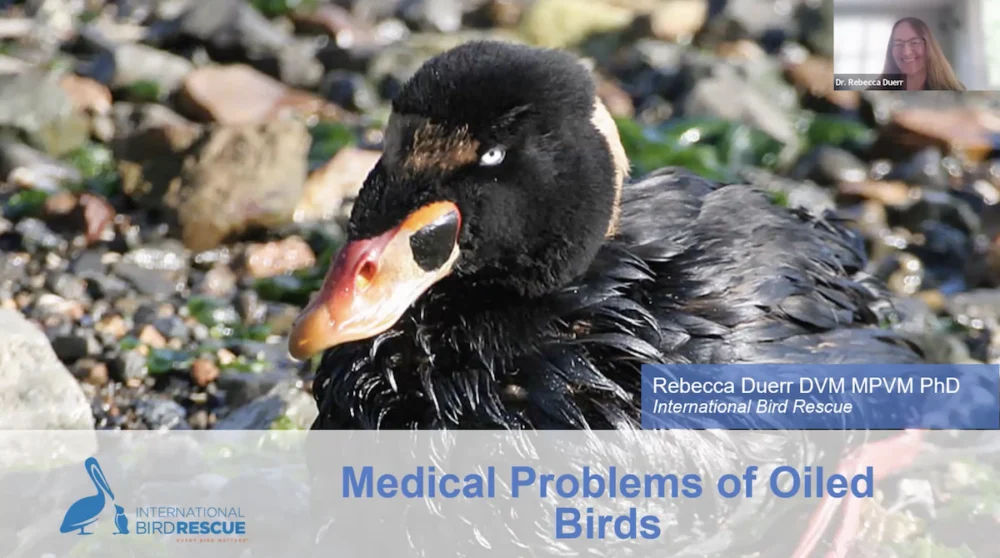
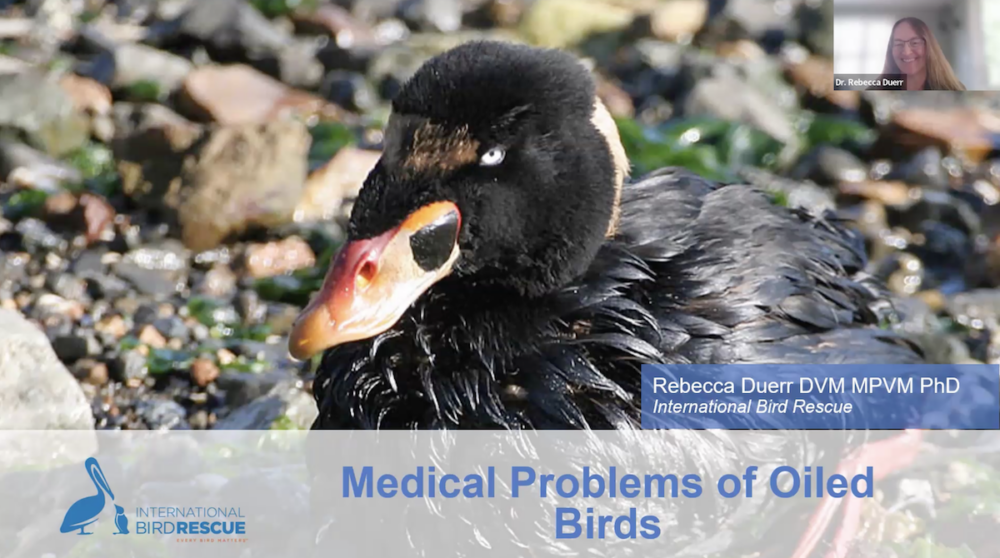
On April 21, 2026, the Kansas State University College of Veterinary Medicine Exotics Club hosted a specialized virtual presentation featuring Dr. Rebecca Duerr, DVM, MPVM, PhD, focusing on the complex medical challenges associated with treating oiled wildlife. This educational session, facilitated through the Lafeber Company Veterinary Student Program, provided a deep dive into the physiological, clinical, and rehabilitative requirements for avian species impacted by petroleum contamination. Dr. Duerr, a renowned expert in the field of wildlife medicine and the Clinical Director at International Bird Rescue, shared critical insights derived from decades of field experience and emerging scientific research, emphasizing the evolution of decontamination protocols and the importance of evidence-based veterinary intervention.
The Critical Intersection of Wildlife Medicine and Industrial Impact
The presentation arrived at a time when the veterinary community is increasingly called upon to mitigate the environmental consequences of industrial accidents and urban runoff. Oil spills, whether large-scale maritime disasters or chronic small-scale leaks, pose an existential threat to avian populations. When a bird comes into contact with oil, the damage is immediate and multifaceted. The primary issue is the disruption of the intricate structure of the feathers. Avian plumage relies on a precise arrangement of barbs and barbules that interlock to create a waterproof and airtight seal. This seal is essential for thermoregulation and buoyancy.
Dr. Duerr highlighted that even a spot of oil the size of a nickel can be fatal for a bird in a cold environment. Once the feathers are matted, the bird loses its ability to insulate itself, leading to rapid heat loss and subsequent hypothermia. To compensate, the bird’s metabolic rate increases dramatically as it attempts to maintain body temperature, leading to the rapid depletion of fat stores and muscle mass. Furthermore, as the bird attempts to preen the oil off its feathers, it inevitably ingests the toxic substance, leading to severe internal complications including gastrointestinal irritation, hemolytic anemia, and organ failure.
Chronology of Care: From Field Capture to Release
The medical management of an oiled bird follows a rigorous and chronological protocol designed to maximize survival rates. Dr. Duerr outlined a phased approach that prioritizes stabilization over immediate cleaning.
Phase I: Initial Stabilization and Triage
The first 48 to 72 hours are critical. Upon arrival at a specialized facility, birds are often dehydrated, emaciated, and suffering from acute stress. Immediate washing is contraindicated during this phase as the stress of the procedure can be fatal to a compromised animal. Instead, clinicians focus on fluid therapy, nutritional support, and thermoregulation. Medical teams administer oral and intravenous fluids to combat dehydration and flush toxins from the system. This period also allows for a full diagnostic workup, including blood chemistry and packed cell volume (PCV) tests to assess the severity of anemia and total protein levels.
Phase II: The Decontamination Process
Once a bird is deemed "stable"—evidenced by normal blood parameters and a consistent weight gain—the washing process begins. This is a labor-intensive procedure requiring specialized equipment and temperature-controlled water. The water must be maintained at approximately 102 to 105 degrees Fahrenheit (the average body temperature of a bird) to prevent further hypothermia or heat shock. Using specific concentrations of detergents, teams carefully remove the oil from every feather, a process that can take anywhere from 30 minutes to several hours depending on the size of the bird and the viscosity of the oil.
Phase III: Conditioning and Waterproofing
After the oil is removed, the bird is moved to drying pens equipped with warm air blowers. The final and perhaps most difficult stage is the restoration of waterproofing. The bird must be given access to clean pools where it can preen and realign its feathers. Only when the feathers are fully waterproofed and the bird can remain buoyant and dry in the water for extended periods is it considered a candidate for release.
Advancements in Sedation and Stress Management
A significant portion of the presentation was dedicated to recent scientific findings regarding the use of sedation during the decontamination process. Dr. Duerr referenced the 2024 study by Kelley et al., published in the Journal of Avian Medicine and Surgery, titled "Comparison of manual restraint with and without sedation on outcomes for wild birds undergoing decontamination."
Historically, many rehabilitators relied solely on manual restraint, fearing that sedation might further compromise the bird’s respiratory or cardiovascular systems. However, the study indicates that judicious use of sedation can significantly reduce the physiological stress response—measured by heart rate and cortisol levels—during the wash. By lowering the bird’s metabolic demand and preventing "capture myopathy" (a condition where extreme stress leads to muscle damage and death), sedation has been shown to improve overall survival outcomes in certain species. This shift toward pharmacological intervention represents a maturing of wildlife medicine, moving away from "emergency-only" mindsets toward sophisticated, welfare-centric protocols.
The Role of the Lafeber Company Student Program
The hosting of this event by the Kansas State University College of Veterinary Medicine Exotics Club underscores the vital role of the Lafeber Company Veterinary Student Program. This initiative aims to bridge the gap between standard domestic veterinary education and the specialized needs of exotic and wild animals. By providing students with access to world-class experts like Dr. Duerr, the program ensures that the next generation of veterinarians is equipped to handle the unique challenges of wildlife toxicology and rehabilitation.
For students at Kansas State, the presentation offered more than just technical data; it provided a framework for how veterinary medicine can contribute to conservation biology. As human-wildlife conflicts increase, the ability of veterinarians to respond to environmental disasters becomes a crucial component of biodiversity preservation.
Supporting Data and Physiological Implications
Data shared during the session highlighted the grim reality of untreated oiled wildlife. Statistics from historical spills, such as the Deepwater Horizon or the Exxon Valdez, show that without human intervention, mortality rates for heavily oiled birds approach 100%. Even with treatment, success rates vary wildly based on the species and the type of oil involved.
- Piscivorous birds (e.g., Pelicans, Cormorants): These species often have higher success rates due to their robust size and relatively predictable response to stabilization.
- Pelagic species (e.g., Murres, Auklets): These birds are much more sensitive to the stress of captivity and require highly specialized pool facilities to survive the conditioning phase.
- Toxicological Impact: Ingested oil often leads to Heinz body anemia, a condition where red blood cells are damaged and removed from circulation. Data suggests that birds with a PCV below 20% upon intake have a significantly lower prognosis, requiring aggressive iron supplementation and sometimes blood transfusions.
Broader Impact and Global Implications
The implications of Dr. Duerr’s work extend far beyond the classroom. The protocols developed and refined at institutions like International Bird Rescue serve as the global gold standard for wildlife response. As climate change alters migratory patterns and increased shipping traffic raises the risk of spills in sensitive Arctic and Antarctic regions, the veterinary community must be prepared to mobilize globally.
Furthermore, the presentation touched upon the "One Health" concept—the idea that the health of humans, animals, and the environment are inextricably linked. Oil spills do not just kill birds; they devastate local fisheries, destroy coastal protection provided by mangroves and marshes, and introduce carcinogens into the human food chain. Veterinarians treating oiled birds are often the first responders to these environmental crises, providing early warning signs of the broader ecological damage.
The virtual nature of the presentation allowed for a wide reach, reflecting the modern veterinary landscape where digital collaboration enables the rapid dissemination of life-saving techniques. By archiving these lectures and providing downloadable resources, the Lafeber Company and Kansas State University are building a permanent repository of knowledge that can be accessed during future emergencies.
Conclusion and Future Outlook
Dr. Rebecca Duerr’s presentation on the medical problems of oiled birds serves as a vital reminder of the complexity of wildlife medicine. It is a field that requires not only surgical and medical proficiency but also a deep understanding of animal behavior, toxicology, and environmental science. The transition toward evidence-based practices, such as the use of sedation during washing and the focus on long-term waterproofing, marks a significant era of progress in the field.
As veterinary students at Kansas State and across the globe continue to engage with these specialized topics, the outlook for oiled wildlife improves. The integration of rigorous scientific research—such as the 2024 Kelley study—into practical, on-the-ground protocols ensures that when the next environmental disaster occurs, the veterinary response will be faster, more efficient, and more humane than ever before. The commitment of organizations like the Lafeber Company to support this education is a testament to the evolving responsibilities of the veterinary profession in a changing world.

