


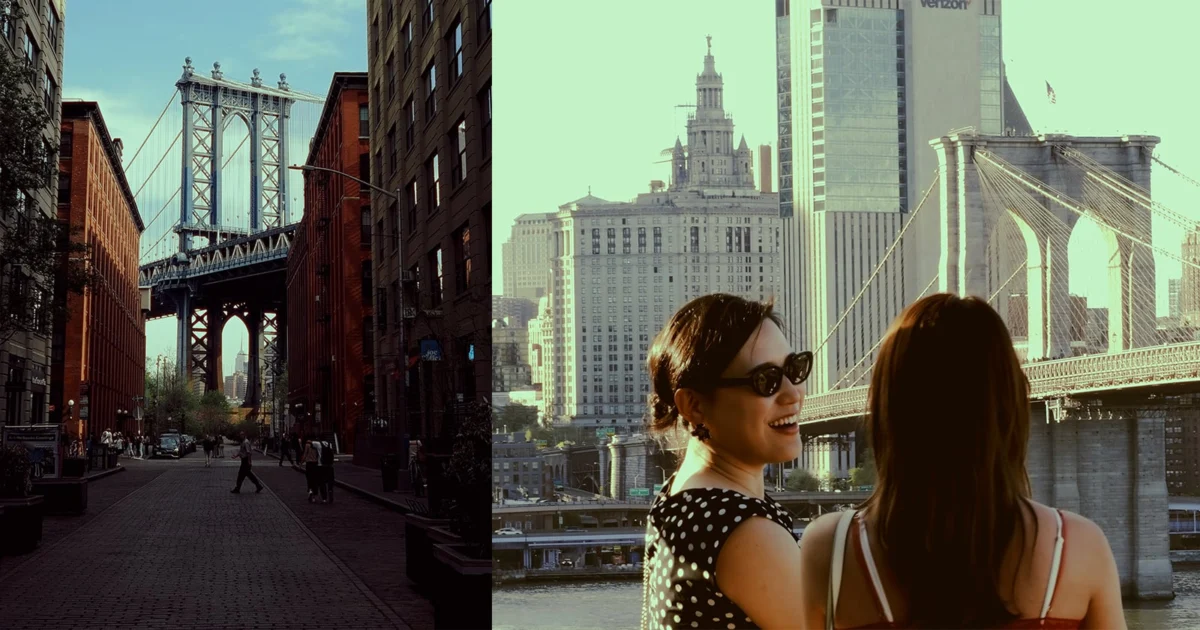
The intersection of high-end cinematography and street photography has found a new focal point in the streets of New York City through a collaborative project featuring acclaimed filmmaker Dan Aragon and the OM SYSTEM OM-3. At six o’clock in the morning, while the vast majority of the city’s eight million residents remain asleep, Aragon stands on the pedestrian walkway of the Brooklyn Bridge, waiting for the precise moment when the pre-dawn indigo shifts into the golden hues of sunrise. This deliberate approach to "the moment before the moment" serves as the foundation for a broader exploration of how modern mirrorless technology, specifically the Micro Four Thirds system, is reshaping the way professional visual storytellers interact with urban environments.
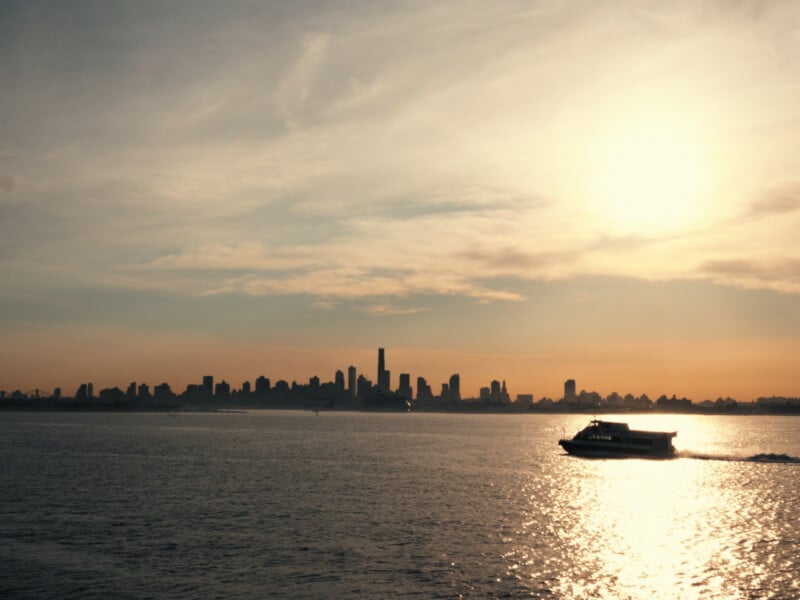
The Cinematographic Philosophy of Dan Aragon
Dan Aragon is not merely a photographer; he is a filmmaker, cinematographer, and professional colorist whose portfolio includes narrative and commercial work for global media powerhouses such as HBO, WarnerMedia, Discovery, and Disney. His transition from motion pictures to still photography is rooted in a belief that the two mediums are inextricably linked. For Aragon, photography is "step one" of a broader visual education. His influences are a testament to this academic and artistic rigor, citing the humanistic depth of Sebastião Salgado, the ethereal lighting of Emmanuel Lubezki, and the philosophical pacing of directors like Andrei Tarkovsky and Ingmar Bergman.
Aragon’s admiration for Salgado, in particular, informs his ethical approach to the craft. He notes that Salgado did not merely observe his subjects from a distance; he lived among them, experiencing their hardships to ensure the authenticity of his frames. While the streets of New York are a far cry from the war zones or industrial mines Salgado frequented, Aragon applies the same principle of "sacrifice" to his work. This manifests in a grueling schedule—waking at 5:00 AM to capture a version of the city that is quiet, yet alive with potential. To Aragon, the city is a "monument to humanity," a place where the proximity of millions of people creates a constant tension between love and conflict, a theme he seeks to capture in every sequence.
Chronology of a New York Narrative
The project, documented by an OM SYSTEM film crew, followed a strict chronological progression designed to exploit the city’s varying light qualities. The day began in the "blue hour," the period of twilight before sunrise when the atmosphere is thick with soft, diffused light.
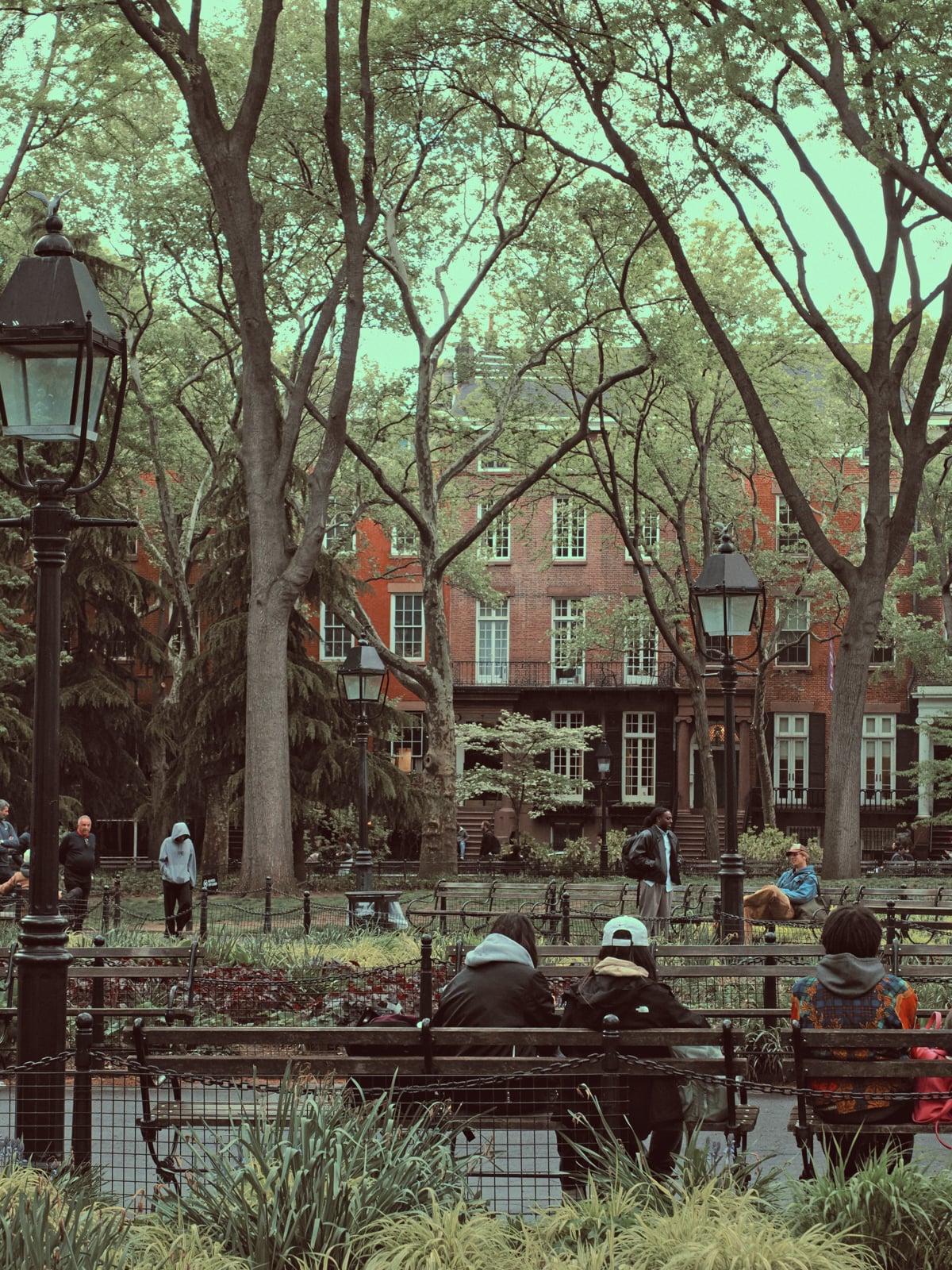
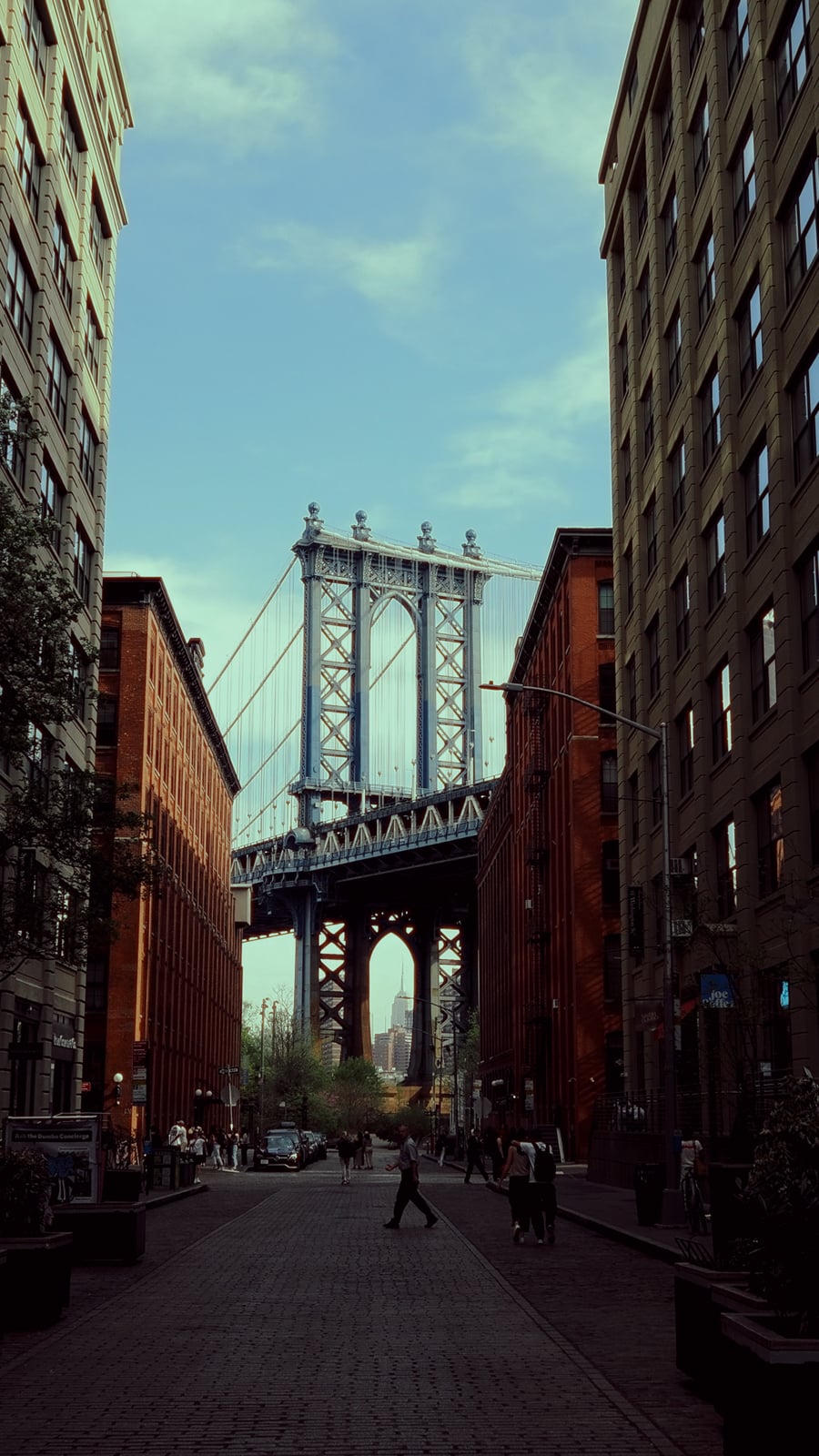
- 05:00 AM – The Brooklyn Bridge: The crew met at the bridge’s entrance. By arriving before the morning commute, Aragon was able to utilize the bridge’s iconic geometry without the visual clutter of thousands of tourists. The goal was to capture the Manhattan Bridge framed by DUMBO’s red brick architecture, a shot that requires precise timing to avoid the harsh shadows that emerge by mid-morning.
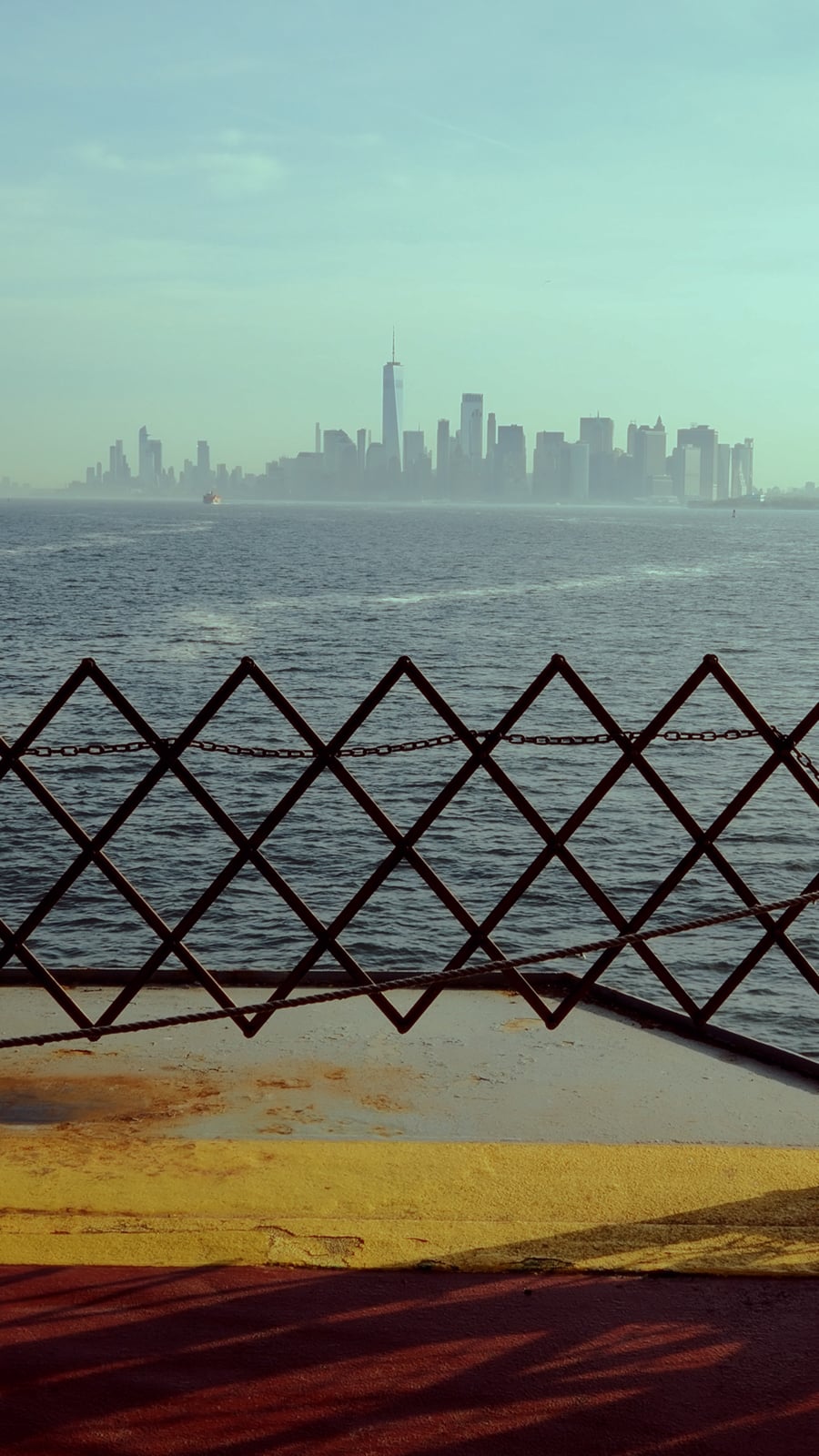
- 06:30 AM – The East River Ferry: As the sun began to rise, the team moved to the water. The ferry provides a unique vantage point where the Manhattan skyline appears to grow in scale as the boat approaches the slip. For a filmmaker, this movement mimics a "dolly-in" shot, creating a natural cinematic opening for a visual story.
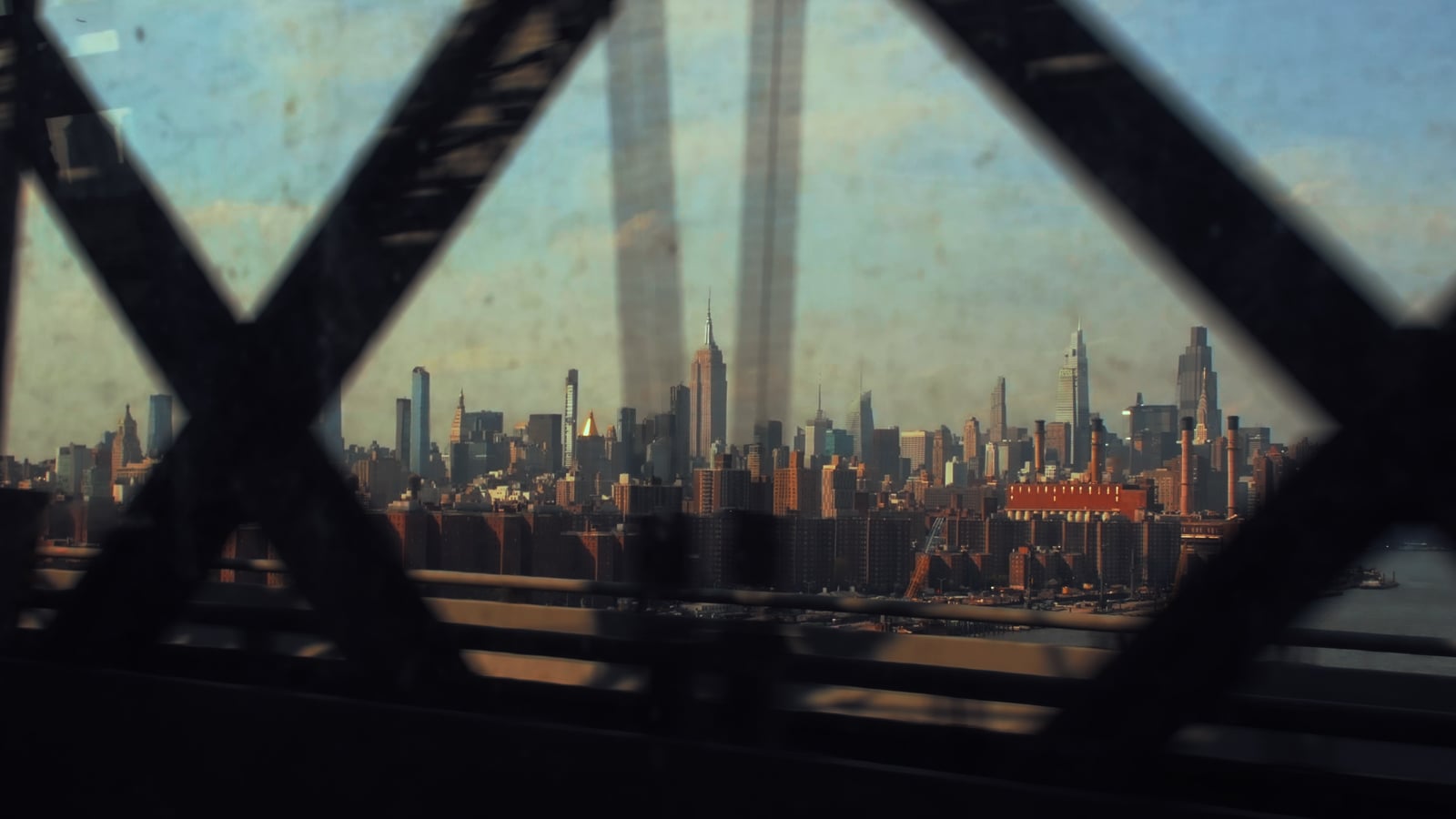
- 10:00 AM to 02:00 PM – The Midday Transition: As the light turned "flat" and harsh, Aragon shifted his focus to high-contrast environments. This period was used to explore subway stations and the shadows cast by the city’s skyscrapers. Here, the strategy shifted from color-centric storytelling to black-and-white compositions, emphasizing shape and texture over hue.
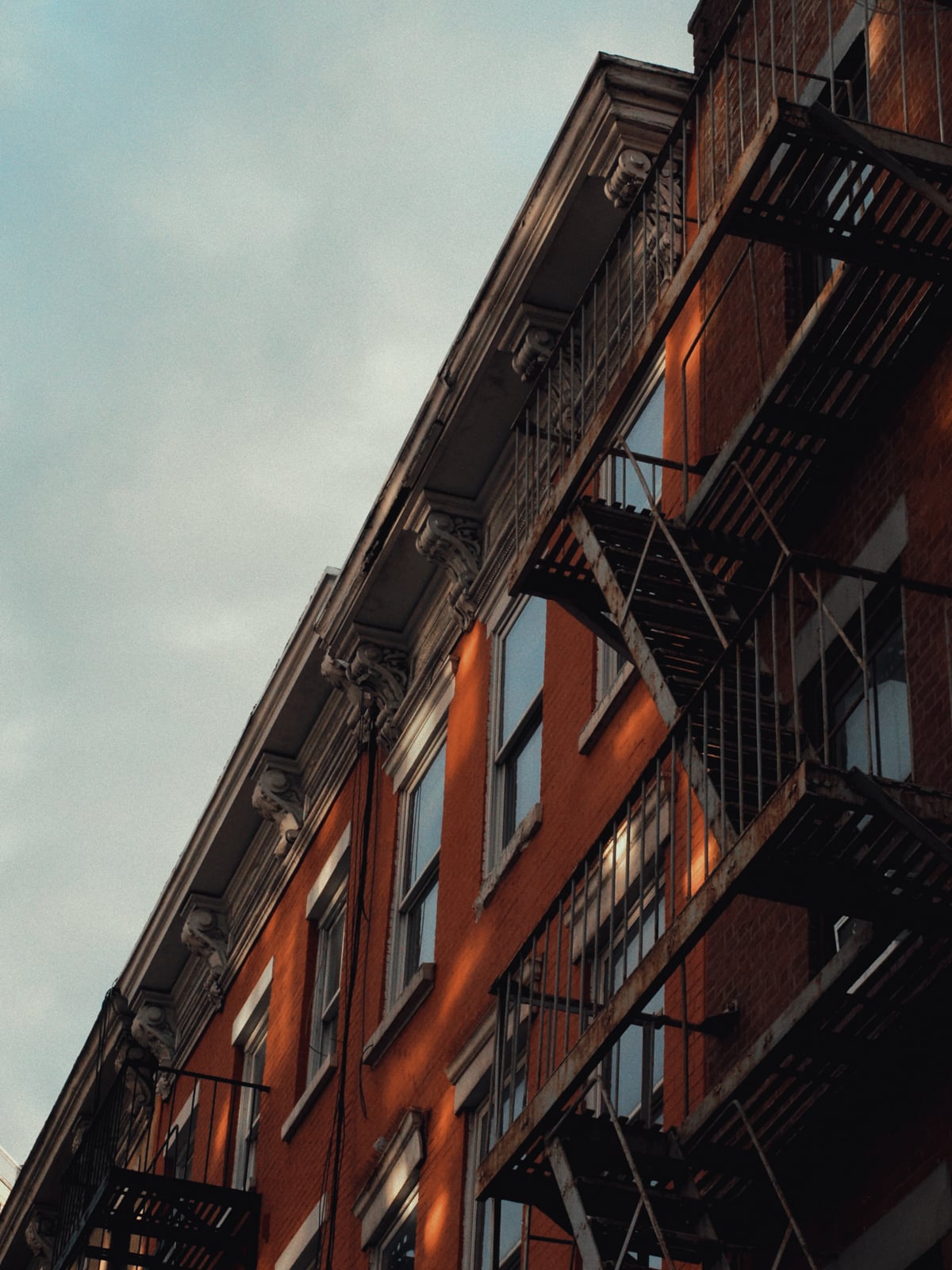
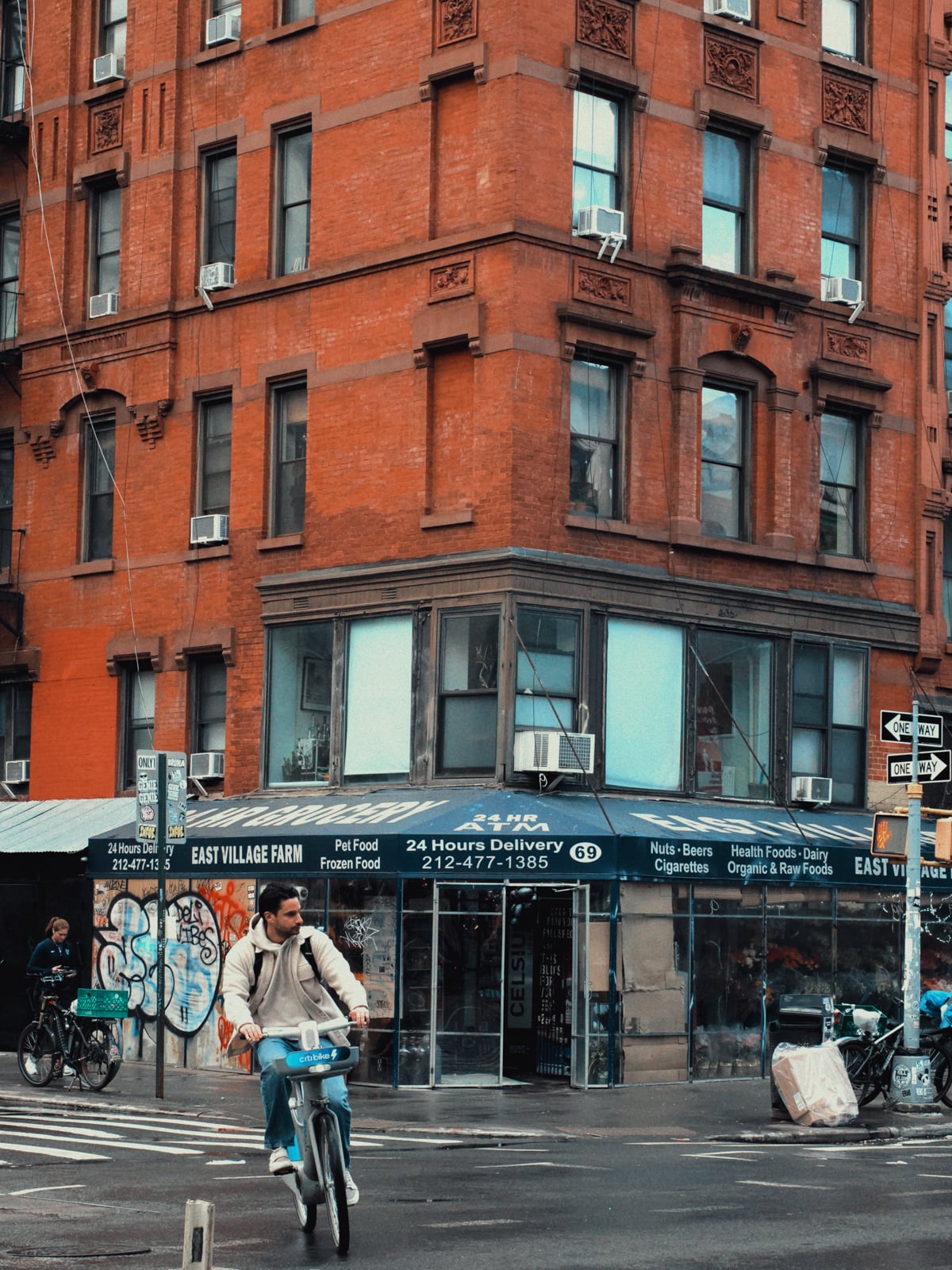
- 05:00 PM – The Evening Rush: The day concluded by observing the return of the city’s frantic energy. This phase focused on the Williamsburg and East Village neighborhoods, where the setting sun hits the concrete at an oblique angle, creating long shadows and highlighting the "warm vs. cool" color palette that defines Aragon’s professional grading style.
Technical Specifications and the OM-3 Advantage
The choice of the OM SYSTEM OM-3 for this project was predicated on the need for "invisibility." In the world of street photography, the size of the gear often dictates the reaction of the subject. A large DSLR with a battery grip signals "professional," which can cause subjects to tense up or change their behavior. The OM-3, with its compact, vintage-inspired metal body, allows the photographer to blend into the crowd, often being mistaken for a tourist.
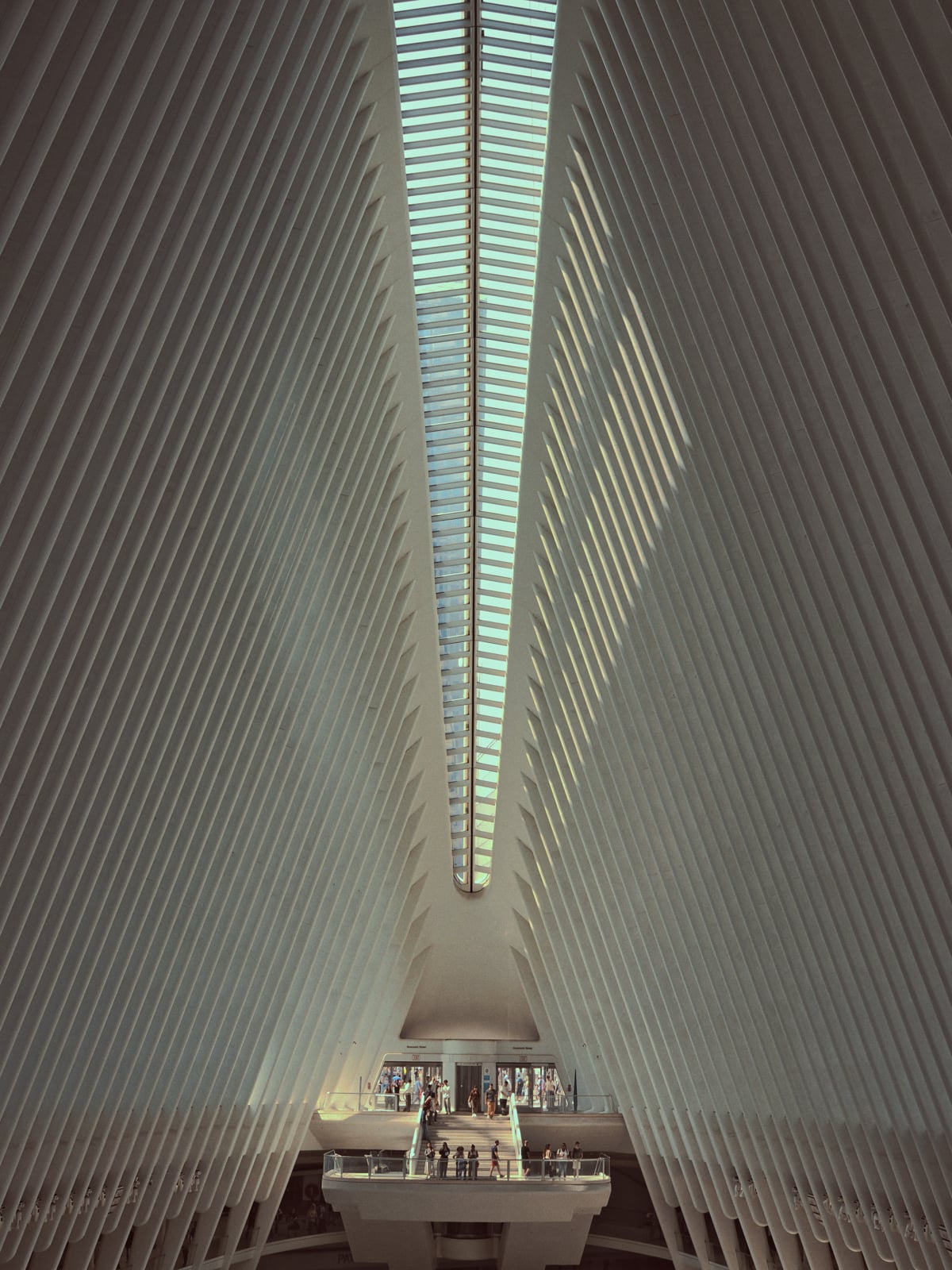
The OM-3 is built around the Micro Four Thirds (MFT) sensor, which offers a 2x crop factor relative to full-frame systems. This allows for significantly smaller lenses while maintaining professional-grade apertures. During the New York shoot, Aragon relied on three primary lenses:
- M.Zuiko Digital ED 12-40mm F2.8 PRO II: A versatile zoom equivalent to 24-80mm, providing a wide range for architecture and environmental portraits.
- M.Zuiko Digital ED 20mm F1.4 PRO: A 40mm equivalent prime lens that Aragon uses for "closer work," forcing a physical proximity to the subject that a zoom lens might discourage.
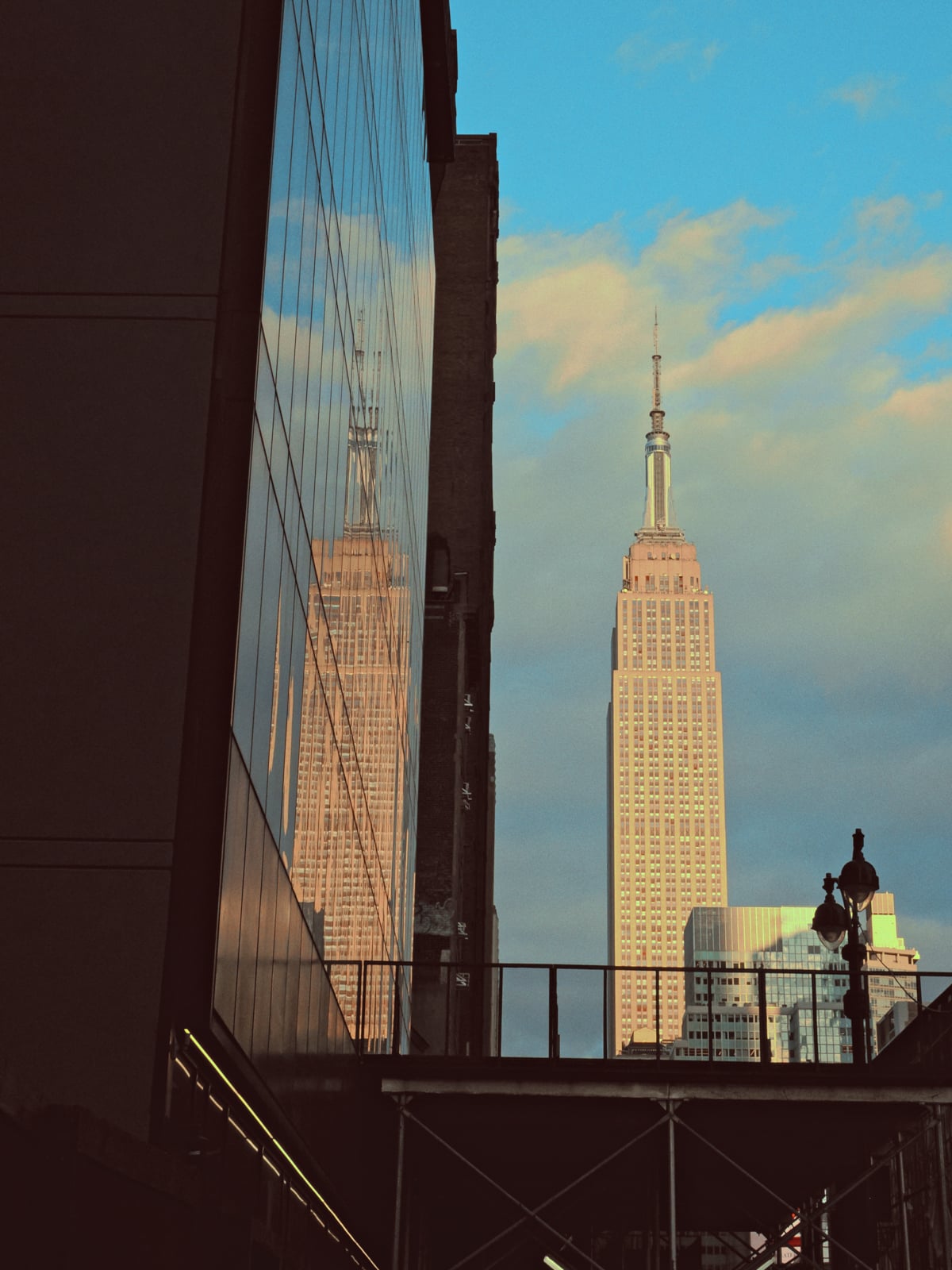
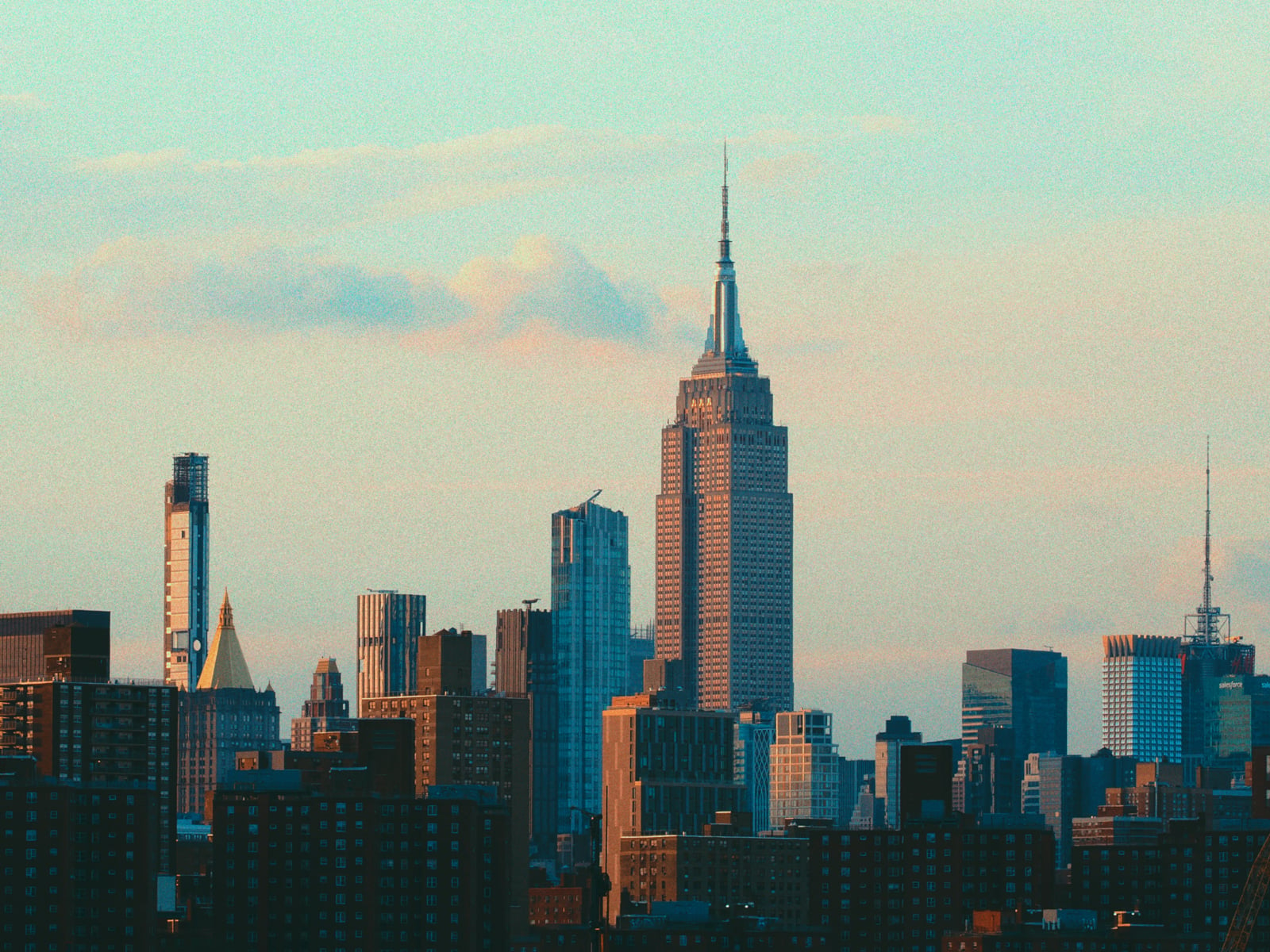
- M.Zuiko Digital ED 40-150mm F4.0 PRO: A compact telephoto used for compressing the skyline and capturing distant details of the Empire State Building.
One of the most significant technological inclusions in the OM-3 is the "Creative Dial." This physical control allows photographers to apply "Creative Recipes"—customized color profiles—directly to the JPEG files in real-time. As a professional colorist, Aragon developed a recipe featuring heavy saturation in the blues and reds to make New York’s iconic primary colors "pop." By baking these looks into the camera, the photographer can visualize the final result through the electronic viewfinder (EVF) while still retaining a RAW file for post-production.
Computational Photography and Stabilization
Beyond color, the OM-3 utilizes computational photography to eliminate the need for traditional support gear. Two features proved critical during the New York project:
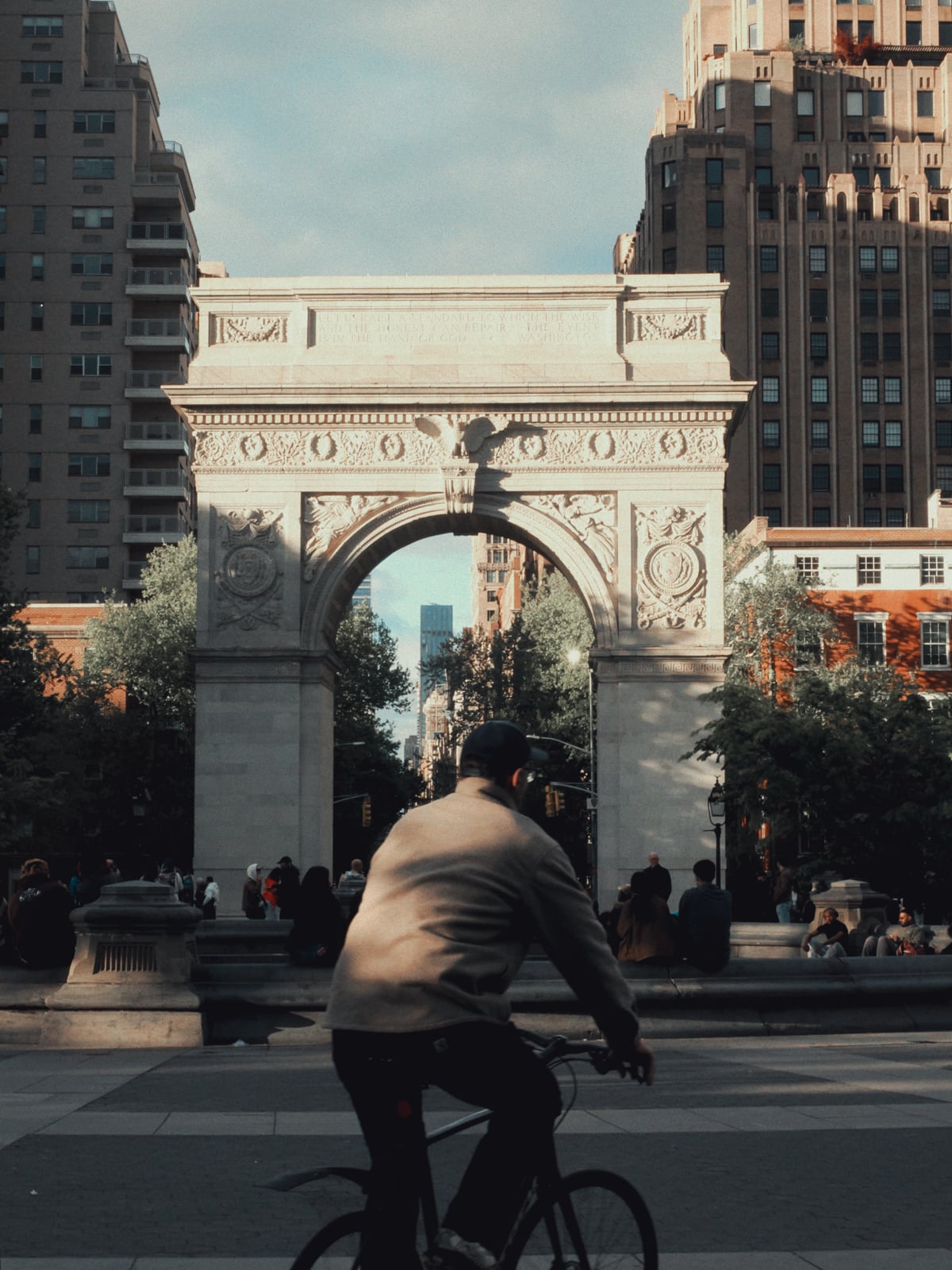
Live ND Mode: Traditionally, a photographer wanting to capture motion blur in a bright environment (such as a busy street corner) would need to screw a physical Neutral Density filter onto the lens. The OM-3 handles this through software, taking multiple exposures and merging them to simulate long shutter speeds. Aragon utilized this to blur the movement of cyclists and pedestrians while keeping the architectural background tack-sharp, all without carrying a tripod or a filter kit.
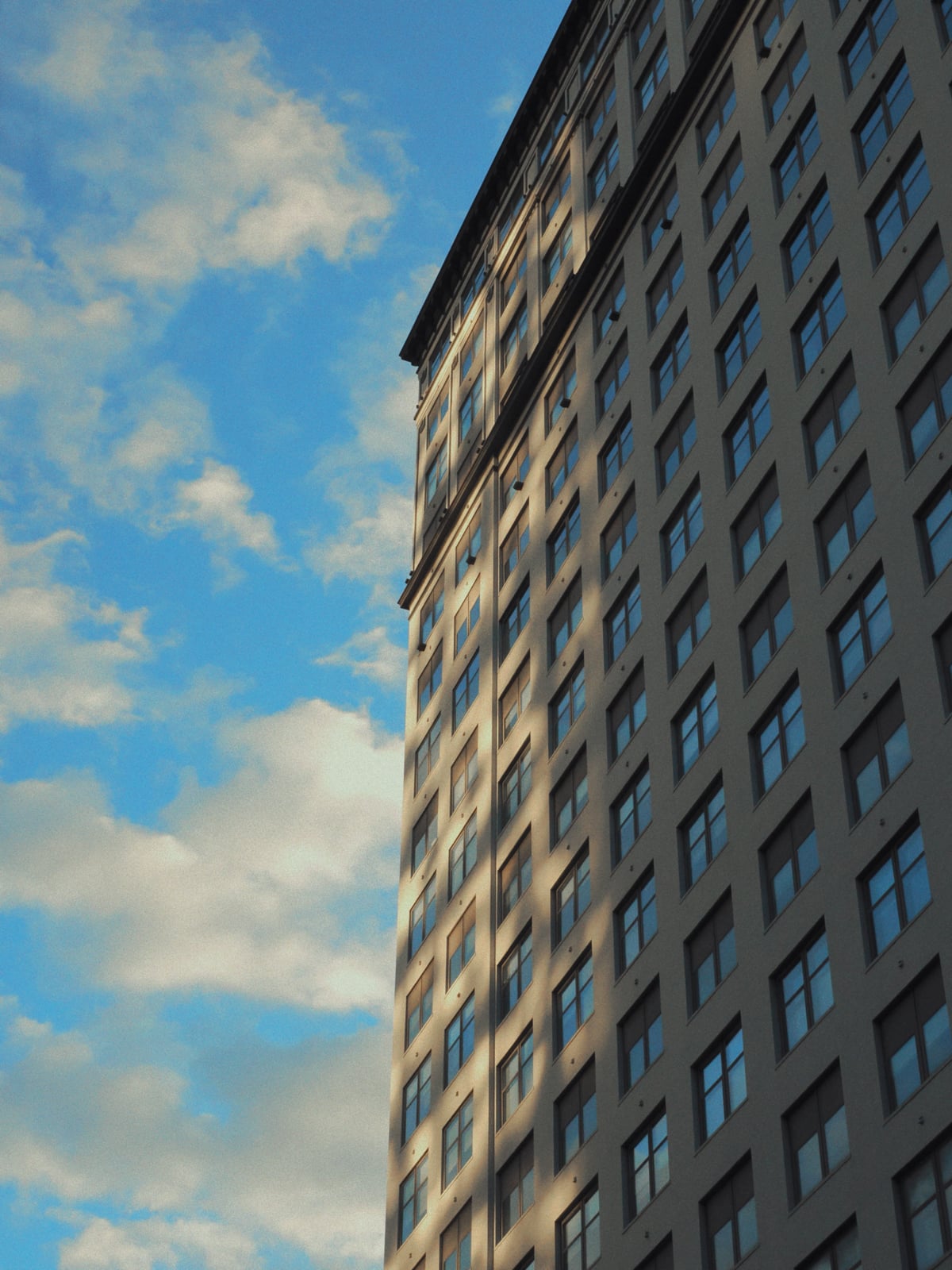
In-Body Image Stabilization (IBIS): Shooting video on a moving ferry or a vibrating subway platform typically requires a motorized gimbal to prevent "micro-jitters." The OM-3’s 5-axis stabilization system compensates for camera shake to such an extent that Aragon’s handheld ferry footage appeared as though it were shot on a professional rail system. This reduction in gear weight is essential for "walking the city" for 12 hours straight.
The Ethics of the Street: Invisibility vs. Intrusion
A significant portion of the project focused on the ethical responsibilities of the street photographer. Aragon maintains a strict code of conduct: he does not photograph children, and he avoids representing people in a "bad light." His philosophy of invisibility is not about "hiding in a bush" but about "not disrupting the flow."

Aragon argues that a successful street photograph should not require the subject to "manage" the photographer’s presence. In a crowded environment like a New York subway platform, people are already under high cognitive load; a photographer with a giant lens adds an unnecessary layer of stress. By using a small camera and moving with the rhythm of the crowd, Aragon ensures that the "emotional temperature" of the scene remains authentic. He often chooses not to press the shutter button if he feels a moment is "not mine to take," prioritizing human respect over the acquisition of a frame.
Market Analysis and Broader Implications
The collaboration between Dan Aragon and OM SYSTEM highlights a growing trend in the imaging industry: the shift toward "lifestyle" professional cameras. As smartphones have decimated the entry-level point-and-shoot market, camera manufacturers have pivoted toward creating high-performance, compact tools for enthusiasts and professionals who find full-frame systems too cumbersome for daily use.
Data from the Camera & Imaging Products Association (CIPA) suggests that while unit sales of cameras have stabilized, the value of those units has increased, as consumers opt for specialized gear. The OM-3 competes in a niche alongside the Fujifilm X100 series and the Ricoh GR III, but distinguishes itself through its weather sealing (IP53 rating) and its robust lens ecosystem. This project demonstrates that for the professional "hybrid" creator—someone who must produce both high-end stills and stabilized video—the Micro Four Thirds system remains a highly viable alternative to larger formats.
Conclusion: The Value of the Process
Ultimately, Dan Aragon’s work in New York serves as a reminder that photography is a process of observation rather than just a technical execution. His advice to aspiring photographers is to "find your own story" rather than chasing iconic landmarks. By returning to the same neighborhoods and observing how light behaves over the course of years, a photographer develops a "second nature" understanding of their environment.
The OM SYSTEM OM-3, in this context, is a facilitator of that process. It removes the friction of heavy gear and complex menus, allowing the artist to focus on the narrative. As Aragon concludes, "You can learn to use a camera in a week on YouTube, but to make work that actually means something to you, that takes time." The project stands as a testament to the fact that in a city as photographed as New York, there are still invisible stories waiting to be told, provided one is willing to wake up at 5:00 AM and walk until the city reveals its quieter beats.

