


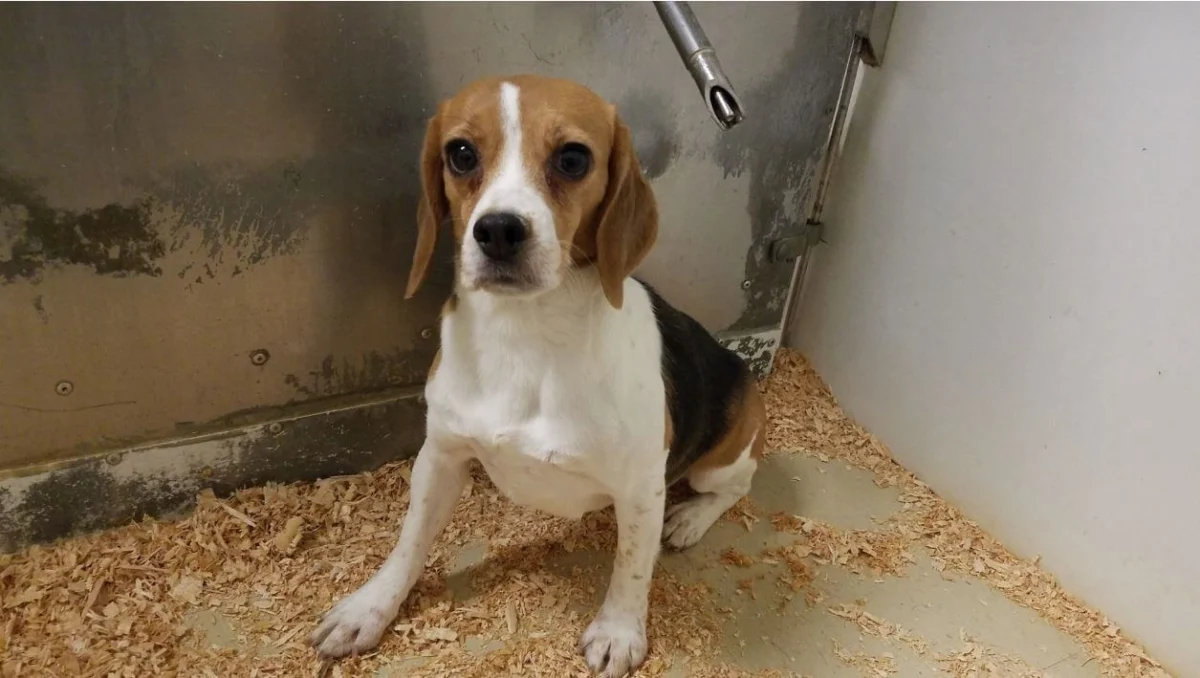
The facility known as Red Beast Enterprises, a laboratory and breeding center often referred to by its trade name "High Quality Research," has officially ceased operations following a series of high-profile investigations into its treatment of animals. The closure marks the end of a contentious period for the facility and results in the liberation of nearly 70 cats and dogs that had been housed within its walls for years. These animals, many of whom have spent their entire lives in sterile, laboratory environments, are currently being transferred to specialized rehabilitation centers where they will receive medical care and socialization in preparation for adoption into private homes.
The downfall of Red Beast Enterprises was precipitated by a 2025 undercover investigation conducted by People for the Ethical Treatment of Animals (PETA). The investigation, which spanned several months, documented what advocates described as a "hellish" environment for the animals involved in contract research. The findings, which included video footage and internal logs, sparked a wave of federal scrutiny and public outcry that eventually made the facility’s continued operation untenable.
The Catalyst: The 2025 Undercover Investigation
In early 2025, an investigator from PETA secured employment at the Red Beast Enterprises facility. The objective was to document the daily living conditions and the physical state of the animals used for various testing protocols. The findings were stark. According to the investigative report, dogs and cats were kept in "barren, cinderblock and tile cells" with no access to outdoor areas, soft bedding, or social enrichment.
The investigation highlighted the case of a beagle named Temple, who became a symbol for the movement to close the facility. Temple, known only by the alphanumeric code "JGI2" tattooed inside her ear, had spent the first three years of her life inside a chain-link kennel. Investigative logs noted that Temple exhibited signs of extreme psychological distress, including constant shaking and cowering when humans approached.
Perhaps the most controversial revelation from the investigation was the systematic use of "debarking" procedures, or ventriculocordectomy. This surgical procedure involves the removal of a dog’s vocal cords to reduce or eliminate barking. PETA’s investigator documented that the facility’s staff veterinarian performed these surgeries as a matter of routine to minimize noise levels within the cinderblock hallways. Critics and veterinary ethics boards have long argued that such procedures, when performed for the convenience of the facility rather than for medical necessity, constitute a form of mutilation. Furthermore, the investigation alleged that these procedures were often conducted with inadequate pain management.
Chronology of Events Leading to Closure
The timeline of Red Beast Enterprises’ decline reflects a growing intolerance for traditional animal testing models within both the regulatory and public spheres.

- January 2025: PETA launches its undercover investigation at the Red Beast Enterprises site.
- May 2025: The investigation findings are released to the public, accompanied by graphic video evidence of the living conditions and the "debarking" surgeries.
- June 2025: Following the public release, the United States Department of Agriculture (USDA) conducts a series of unannounced inspections. These inspections reportedly confirmed multiple violations of the Animal Welfare Act (AWA), including failure to provide adequate veterinary care and sanitation issues.
- Late 2025: Federal regulatory action intensifies. Reports indicate that the facility faced significant fines and the threat of license revocation. Simultaneously, major pharmaceutical and chemical clients began distancing themselves from the laboratory to avoid secondary reputational damage.
- March 2026: Red Beast Enterprises announces it will begin winding down operations, citing "operational challenges" and a shift in the market for contract research.
- May 15, 2026: The final closure is confirmed, and the remaining 70 animals are signed over to animal welfare organizations.
- May 20, 2026: The last of the animals are successfully transported out of the facility.
Supporting Data: The Landscape of Animal Testing
The closure of Red Beast Enterprises occurs within a broader national and international shift regarding animal experimentation. According to the most recent data from the USDA’s Animal and Plant Health Inspection Service (APHIS), approximately 45,000 to 50,000 dogs and nearly 18,000 cats are used in research annually across the United States. Beagles are the most common breed used due to their docile nature and size.
However, the scientific community is increasingly questioning the efficacy of these models. Data from the National Institutes of Health (NIH) suggests that upwards of 90% of drugs that pass animal trials fail in human clinical trials because they are either unsafe or ineffective. This high failure rate has led to a push for "Animal-Free Research Models," which include organ-on-a-chip technology, sophisticated computer modeling (in silico), and the use of human-derived stem cells.
The financial implications are also significant. The cost of maintaining large-scale animal colonies, combined with the increasing regulatory burden of complying with the Animal Welfare Act, has made traditional animal laboratories more expensive to operate. Facilities that fail to modernize or maintain high standards of care often find themselves at a competitive disadvantage.
Official Responses and the Role of Kindness Ranch
The liberation of the Red Beast survivors was made possible through a partnership with Kindness Ranch Animal Sanctuary. Located in Hartville, Wyoming, Kindness Ranch is one of the few organizations in the United States specifically dedicated to the rehabilitation of animals used in laboratory research.
"These animals have spent their lives in cages, serving as tools for human research," a representative from Kindness Ranch stated. "Our goal is to give them back their individuality. For many of these dogs and cats, this will be the first time they feel grass under their paws, see the sun without bars in the way, or have a bed that isn’t a cold floor."
The rehabilitation process is expected to be lengthy. Animals coming from laboratory environments often suffer from "kennelosis"—a state of profound institutionalization where they are fearful of common household sounds, stairs, and even the concept of a leash. Specialized behaviorists at Kindness Ranch will work with the 70 survivors to desensitize them to the outside world before they are placed in "forever homes."
In a statement following the closure, PETA Senior Vice President Kathy Guillermo remarked, "The closure of Red Beast Enterprises is a testament to the power of exposing the truth. We are moving toward a future where science does not rely on the suffering of sentient beings. This victory belongs to Temple and the dozens of other animals who will finally know what it means to be loved."
Broader Impact and Scientific Implications
The shuttering of "High Quality Research" is viewed by industry analysts as part of a "domino effect" following the 2022 closure of the Envigo beagle breeding facility in Virginia, which resulted in the rescue of 4,000 dogs. These events are signaling to the biomedical industry that the status quo is no longer acceptable.
The legislative landscape is also changing. In late 2022, the FDA Modernization Act 2.0 was signed into law, which removed the federal mandate that required animal testing for new drug development. This has opened the door for biotech companies to utilize non-animal methods for safety and efficacy testing, a move that is expected to accelerate the closure of facilities like Red Beast Enterprises.
PETA continues to advocate for its "Research Modernization Deal," a comprehensive strategy that calls for the phase-out of all animal experiments in favor of human-relevant methods. The organization argues that this shift is not only a moral imperative but a scientific necessity to improve the success rate of drug discovery.
Conclusion: A New Chapter for the Survivors
As the gates of Red Beast Enterprises lock for the last time, the focus remains on the survivors. For Temple, the beagle whose story first alerted the world to the conditions inside, life has already changed. Reports indicate she has been adopted and is thriving in a home environment, a stark contrast to her years as "JGI2."
For the nearly 70 cats and dogs now arriving in Wyoming, the path to recovery is just beginning. Their journey from laboratory equipment to family pets serves as a poignant reminder of the evolving relationship between society and the animals used in the name of science. The closure of Red Beast Enterprises stands as a landmark moment in the animal rights movement, highlighting a shift toward a more transparent and ethically conscious scientific era.
The nearly 70 animals are currently undergoing veterinary evaluations. Once cleared, they will be available for adoption through Kindness Ranch and its partner networks, marking the final step in their transition from the shadows of the laboratory to the warmth of a home.

