


Known for their striking beauty and engaging personalities, parrots often command attention, but few rival the visual spectacle of the Eastern Rosella (Platycercus eximius). This medium-sized Australian parrot, while not exceptionally large, is impossible to overlook thanks to its brilliant, multi-hued plumage. Beyond its aesthetic appeal, the Eastern Rosella is also a popular companion bird, cherished for its lively and amiable disposition, making it a common sight in aviaries and homes worldwide. This article delves into the fascinating world of the Eastern Rosella, exploring its natural origins, ecological adaptations, dietary needs, and considerations for its care in captivity.
A Kaleidoscope of Plumage: Appearance and Taxonomy
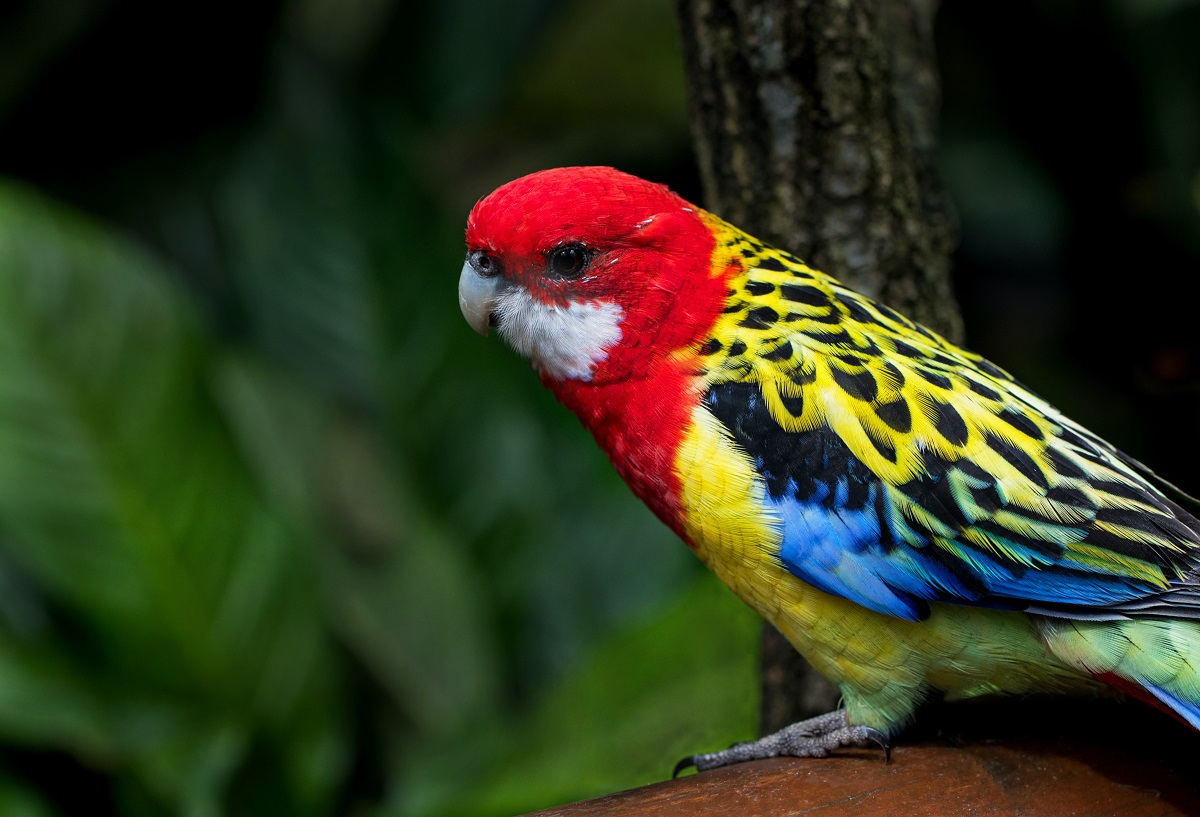
The Eastern Rosella is a true marvel of avian coloration. Its most distinctive features include a bright red head and chest, contrasted by crisp white cheek patches. Moving downwards, its belly and "pants" transition to a vibrant yellow-green, while the upper wing feathers display an intricate scalloped pattern of yellow-green and black. The back is predominantly green, leading to blue undersides of the wings and a long, elegant blue-green tail. This complex tapestry of colors serves not only for display but also for camouflage within its varied natural habitat.
The species exhibits minor geographical variations, leading to the recognition of three distinct subspecies:
- Platycercus eximius eximius: The nominate subspecies, primarily found in southeastern Australia, including Victoria and eastern New South Wales.
- Platycercus eximius diemensis: Endemic to Tasmania, this subspecies is often noted for having slightly larger white cheek patches and a deeper red coloration than its mainland counterparts.
- Platycercus eximius elecica: Inhabiting northeastern New South Wales and southeastern Queensland, this subspecies typically displays a more pronounced yellow-orange hue on its chest, often extending further down the abdomen.
Juvenile Eastern Rosellas present a slightly muted version of the adult plumage. Their colors are less intense, and their beaks begin as yellow, gradually transitioning to the characteristic white of the adults after their first molt, which typically occurs between two and six months of age. This initial duller coloration may serve as a protective measure, making them less conspicuous to predators during their vulnerable early months.
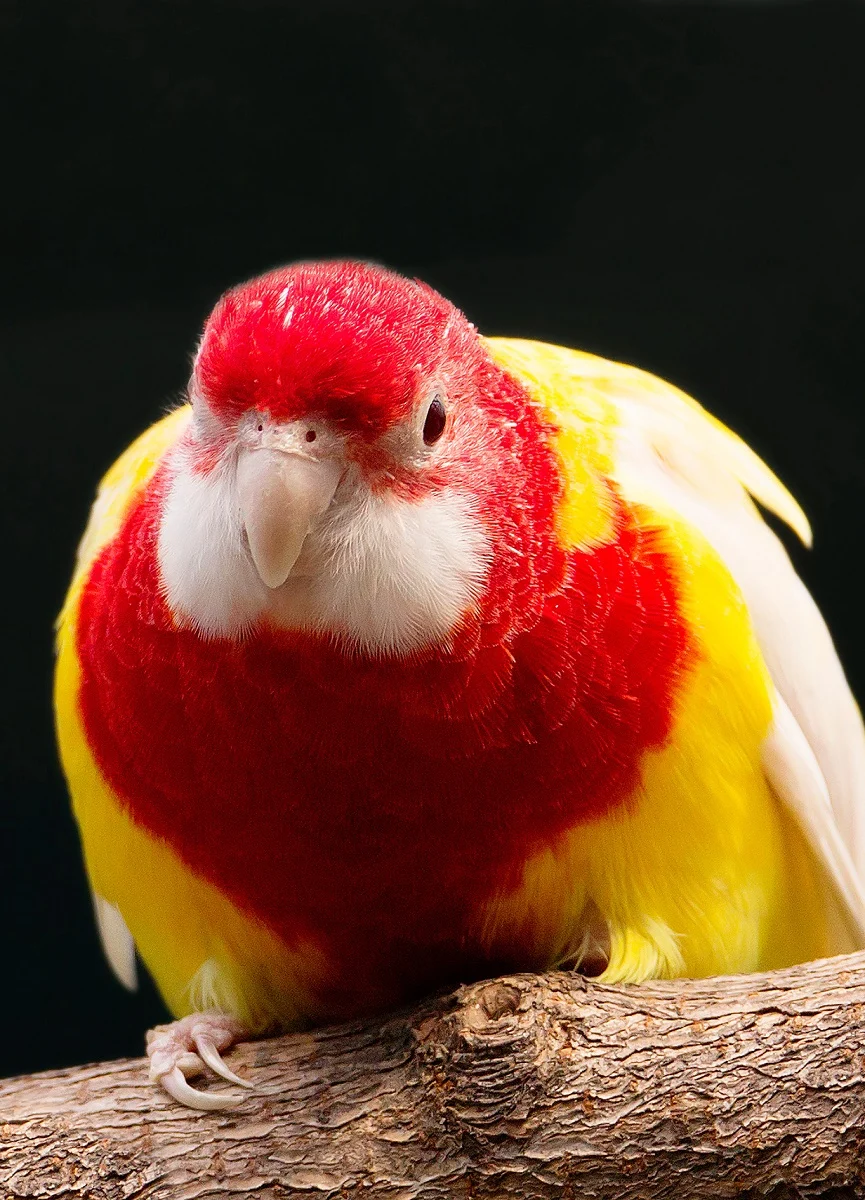
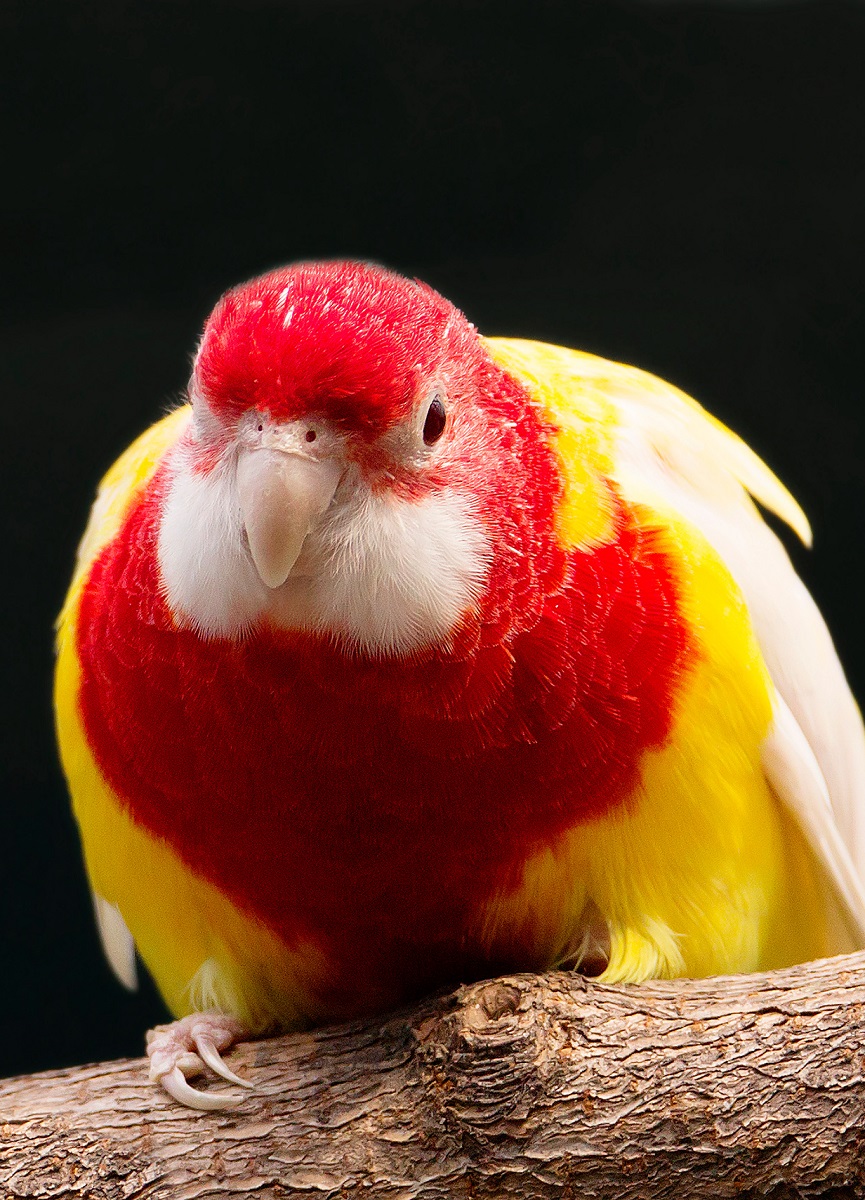
Beyond natural variations, selective breeding within the pet trade has led to the development of various color morphs. Among the most prevalent is the "Rubino" morph, which captivates with its striking red, yellow, and white coloration, completely lacking the natural blues, greens, or blacks. These selectively bred birds offer a different aesthetic for enthusiasts, showcasing the genetic plasticity of the species.
An intriguing aspect of the Platycercus genus is its propensity for hybridization. Different species within the genus can interbreed, leading to unique hybrid birds in areas where their ranges overlap. Common hybrids include those resulting from crosses between Eastern Rosellas and Crimson Rosellas (P. elegans) or Pale-headed Rosellas (P. adscitus). These hybrid individuals can exhibit a fascinating blend of features from both parent species, often resulting in exceptionally striking appearances that can sometimes challenge even experienced birdwatchers. This phenomenon underscores the close evolutionary relationships within the Platycercus genus.
Determining the sex of an Eastern Rosella can be visually achieved, though it typically requires the bird to be fully mature and have completed its first molt. Generally, males tend to be slightly larger and exhibit more vibrant, intense coloration compared to females. For instance, the red on a male’s head and chest often appears richer and more extensive. However, individual variations can make visual sexing challenging for novices, and DNA testing remains the most definitive method for accurate sex determination.
Geographic Footprint: Natural Range and Introduced Populations
The Eastern Rosella’s geographic distribution is aptly reflected in its common name, being native exclusively to Eastern and Southeastern Australia, including the island state of Tasmania. Its presence is integral to the avian biodiversity of these regions, where it occupies a variety of ecological niches.
While native to Australia, the Eastern Rosella has also established significant populations in New Zealand, where it is considered an introduced species. The history of its introduction is a blend of accidental escapes and deliberate releases. Records indicate that as early as 1910, a shipment of rosellas was intentionally released after being refused entry by the New Zealand Customs Department. Other instances include accidental escapes, such as twelve rosellas fleeing their damaged cage in Dunedin, leading to the establishment of multiple localized populations across both the North and South Islands. These introduced populations have since adapted to New Zealand’s environment, demonstrating the species’ remarkable resilience and adaptability to new landscapes. While their impact on native New Zealand avifauna is generally considered low compared to other introduced species, their presence adds a distinctive splash of color to the country’s birdlife.
Ecological Resilience: Habitat Adaptation and Conservation Status
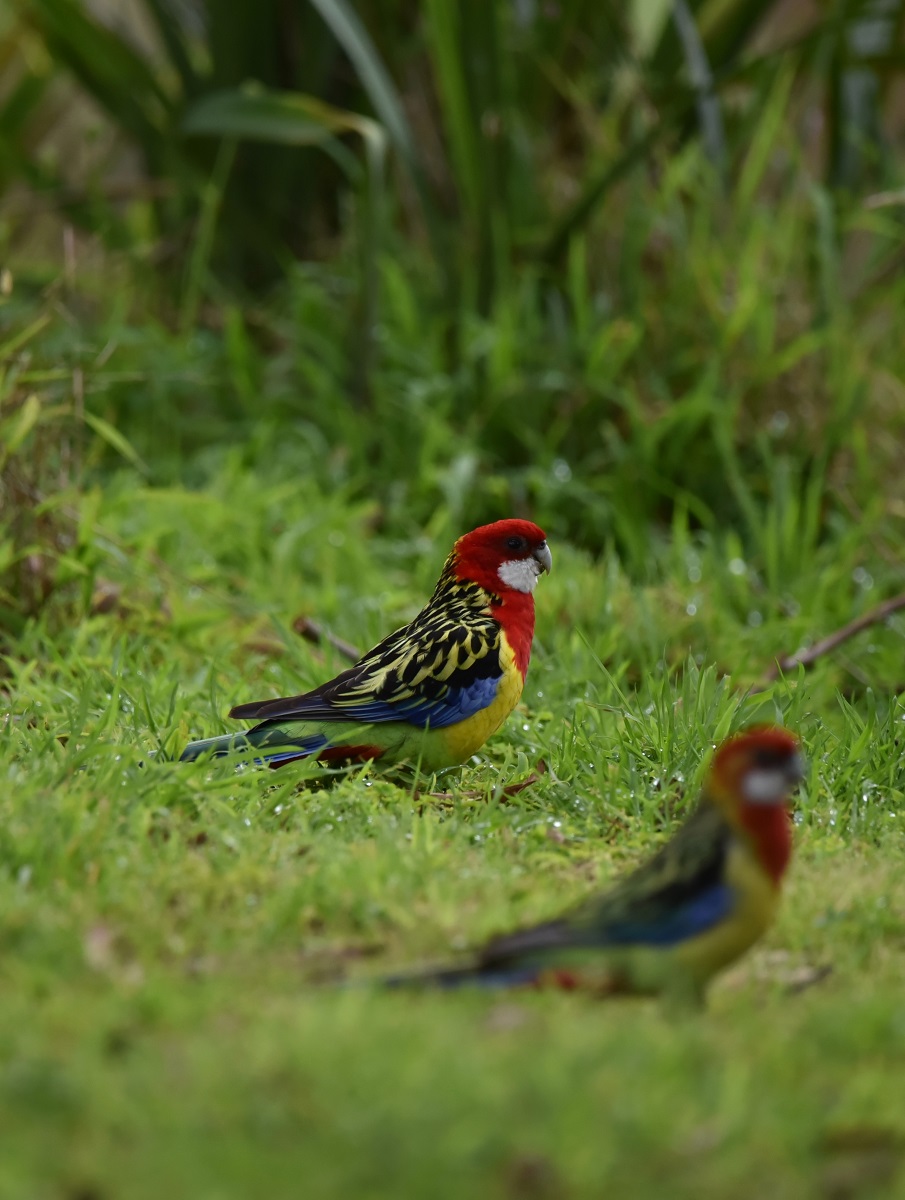
Eastern Rosellas thrive in lightly wooded habitats, showcasing a preference for open forests, forest edges, and areas dotted with Eucalyptus trees. They are equally comfortable in human-modified landscapes such as parks, suburban gardens, and agricultural land, demonstrating a high degree of adaptability. Their presence is observed up to moderate altitudes, typically around 1,250 meters (approximately 4,100 feet), and they favor zones that receive ample rainfall or possess reliable water sources. In the wild, these birds are typically observed in pairs or small family groups, occasionally foraging alongside other parrot and rosella species. Like many parrot species, they are secondary cavity nesters, relying on hollows within trees for breeding.
The conservation status of the Eastern Rosella is currently classified as "Least Concern" by the International Union for Conservation of Nature (IUCN) Red List. This designation signifies that the species has a wide natural range and, perhaps surprisingly given global trends, its population appears to be stable or even increasing. This paradoxical success is largely attributed to the species’ remarkable adaptability to habitat modification. While habitat degradation, particularly the conversion of natural bushland into agricultural areas, poses a significant threat to many native species, it has inadvertently benefited the Eastern Rosella. The expansion of farmlands provides readily available food sources in the form of cultivated crops like maize and various grains, which the rosellas readily exploit.
From a conservation perspective, the Eastern Rosella’s thriving status in altered landscapes presents a complex picture. While its population is secure, the underlying reasons for this success—namely, its ability to capitalize on human-driven environmental changes—highlight the profound impact of anthropocentric activities on ecosystems. This adaptability serves as a testament to the resilience of some species, yet it also underscores the challenges in managing landscapes where agricultural productivity and native biodiversity must coexist. Environmental scientists observe that species like the Eastern Rosella, which can pivot their diets and habitat preferences to suit modified environments, are often those that fare best in the face of widespread human development.
Dietary Habits: Wild Foraging and Captive Care
In their natural Australian habitat, Eastern Rosellas exhibit a diverse diet primarily consisting of seeds, with a particular fondness for thistle seeds. However, their palate extends far beyond, encompassing various fruits, such as apples, berries, flowers, flower buds, and even small insects, especially during breeding season when protein requirements are higher. Research has meticulously documented their foraging habits, revealing a flexible and opportunistic approach to feeding that allows them to thrive across different seasons and environments.
For centuries, Eastern Rosellas, along with their rosella relatives, have been perceived as agricultural pests by human inhabitants of eastern Australia. Their penchant for raiding orchards and consuming cultivated grains has historically led to significant damage to harvests. This long-standing conflict between agriculture and wildlife continues, albeit within a more regulated framework. While Eastern Rosellas are protected under Australian law, farmers are granted permits to implement control measures, including lethal ones, if they can demonstrate substantial crop damage and the inefficacy of non-lethal deterrents. This ongoing tension illustrates the difficult balance between wildlife conservation and agricultural livelihood.
In captivity, replicating the wild rosella’s varied diet is crucial for its health and longevity. As Psittacology’s resident veterinarian, Dr. Daisy May, emphasizes, a simple diet of mixed seeds, while seemingly natural, is wholly inadequate for any parrot. The modern veterinary consensus advocates for a base diet of high-quality, species-appropriate pellets, which provide a balanced nutritional foundation. These pellets should constitute the majority of the bird’s caloric intake.
Supplementing the pellet diet with a wide array of fresh produce is paramount. Vegetables, particularly leafy greens, carrots, and bell peppers, should be offered daily. Fruits, such as apples, bananas, and oranges, can be provided a few times a week, ensuring variety and essential vitamins. Further enrichment and nutritional diversity can be achieved through sprouted seeds, cooked whole grains like whole-wheat pasta and rice, and occasional treats such as millet sprays or nuts. During specific life stages, like breeding or molting, protein-rich snacks such as boiled egg or freeze-dried mealworms can be beneficial. Additionally, foraging for parrot-safe native branches, weeds, and flowers can stimulate natural behaviors and provide additional nutrients. Responsible pet ownership dictates a thorough understanding of parrot nutrition, ensuring a diet that mimics the complexity and richness of their wild counterparts.
The Eastern Rosella as a Companion: Temperament, Housing, and Enrichment
The Eastern Rosella is a moderately common species in the pet trade, primarily prized as an aviary bird due to its striking appearance. However, their territorial nature means they are generally not ideal for cohabiting with other smaller aviary birds, such as budgies, as they can become aggressive. Despite this, a well-socialized Eastern Rosella can make an excellent indoor companion, particularly for those seeking a parrot that is fun, active, curious, and social, without being excessively loud. They are often described as more independent than some other parrot species, yet many still form strong bonds with their human caregivers and enjoy interactive playtime.
Appropriate housing is fundamental to the well-being of a captive Eastern Rosella. Given their active nature and need for flight, the adage "the bigger the cage, the better" holds true. A minimum cage length of 1 meter (approximately 40 inches) is recommended to allow the bird to fully stretch its wings and move comfortably. For safety, the cage bar spacing should be no more than 1.25 cm (0.5 inches) to prevent the bird from getting stuck or escaping. The cage environment should be rich with stimulating elements, including a variety of parrot-safe toys designed for chewing, foraging, and climbing. Natural perches of varying diameters are crucial for foot health, preventing pressure sores and exercising different foot muscles. Essential fixtures include robust food bowls and multiple sources of fresh, clean water.
Parrots, including Eastern Rosellas, are highly intelligent and prone to boredom, which can manifest as stress-related behaviors such as feather plucking or excessive vocalization. Therefore, providing ample enrichment is non-negotiable for their mental and physical health. Beyond a diverse array of toys, owners should consider:
- Foraging Opportunities: Hiding food in puzzle toys or around the cage encourages natural foraging behaviors, providing mental stimulation.
- Training: Positive reinforcement training can teach tricks, reinforce desired behaviors, and strengthen the bond between bird and owner.
- Social Interaction: Daily interaction with humans, including talking, playing, and gentle handling, is vital for a social species.
- Outdoor Flight (Supervised): Providing supervised access to a secure outdoor aviary or flight cage allows for natural flight, exposure to sunlight, and fresh air, all of which are immensely beneficial.
Regarding noise levels, Eastern Rosellas are not typically categorized among the loudest parrot species. While all parrots produce noise, rosellas generally communicate through a repertoire of whistles, chirps, and softer calls rather than piercing flock calls that characterize some larger species. This makes them potentially suitable for apartment living, provided walls are not excessively thin. For those interested in their vocalizations, recordings are readily available on platforms like Xeno-Canto. As for talking ability, Eastern Rosellas can learn to imitate sounds and even speak. While they may not be as prolific talkers as some Amazon parrots or African Greys, many individuals can pick up household noises, short phrases, or even mimic tunes with patience and consistent training.
Ensuring the safety of a pet parrot is paramount. Their inherent curiosity and delicate nature mean they can easily encounter hazards in an unsecured environment. Any area accessible to an Eastern Rosella must be thoroughly parrot-proofed, removing toxic plants, unsecured windows, open toilets, and other potential dangers. Additionally, owners should familiarize themselves with basic parrot emergency care, including how to identify signs of illness or injury and contact an avian veterinarian promptly.
Balancing Act: Wildlife Management and Responsible Ownership
The Eastern Rosella occupies a unique position, thriving in its native range despite human environmental impact, yet simultaneously being managed as an agricultural pest. This dichotomy highlights the complex challenges of wildlife management in increasingly human-dominated landscapes. While conservationists celebrate its "Least Concern" status, they also acknowledge that this success is a byproduct of ecosystem alteration, prompting questions about what truly constitutes a healthy native population. For farmers, the economic impact of rosella depredation is a tangible reality, necessitating pragmatic solutions that often involve permits for population control. This ongoing dialogue seeks to balance ecological preservation with sustainable agricultural practices, often through innovative deterrents and habitat management strategies that minimize conflict.
For those considering an Eastern Rosella as a pet, responsible ownership is key. This entails a commitment to providing a spacious and stimulating environment, a nutritionally complete diet, consistent social interaction, and access to avian veterinary care. Understanding their territorial nature and independence is crucial for successful integration into a home environment. The choice to bring a pet rosella into one’s life is a long-term commitment, potentially spanning 20-30 years, reflecting the species’ remarkable longevity.
In conclusion, the Eastern Rosella stands as a testament to nature’s artistry and adaptability. From its dazzling plumage and complex taxonomy to its resilience in altered ecosystems and its role as a cherished companion, this Australian parrot continues to fascinate. Its story is one of enduring vibrance, ecological opportunism, and the intricate relationship between wildlife and human society, offering valuable insights into both avian biology and responsible stewardship.

