


The Genesis of an Urban Icon
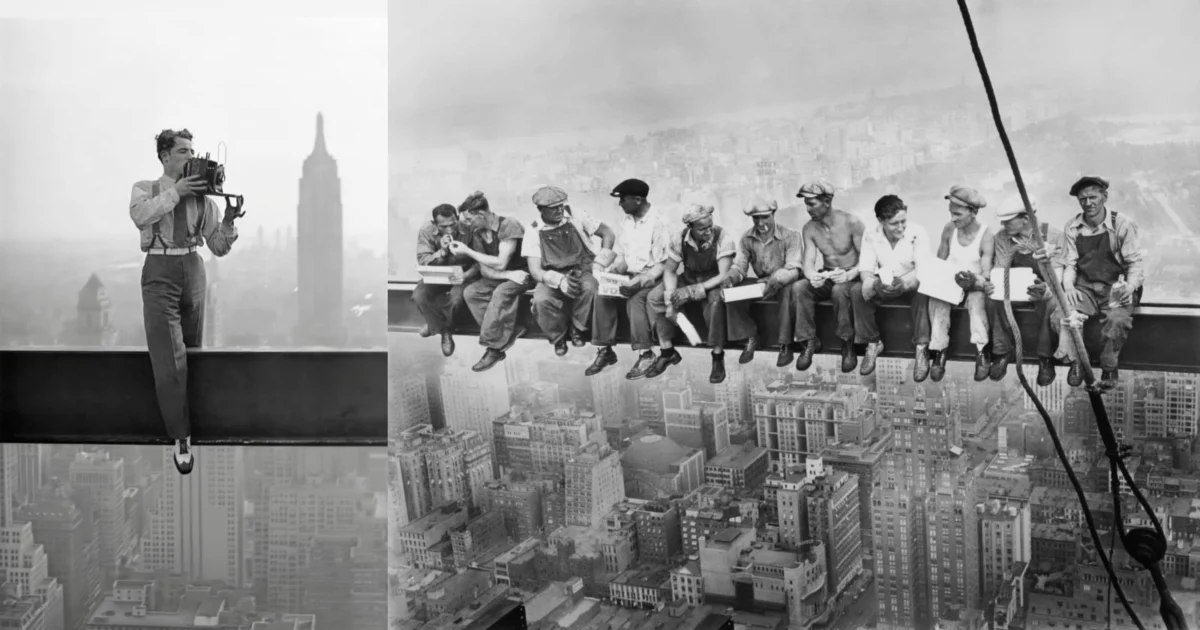
The photograph was taken on September 20, 1932, on the 69th floor of the RCA Building (now known as 30 Rockefeller Plaza) during the final months of its construction. At the time, Rockefeller Center was the largest private building project ever undertaken, a massive undertaking by John D. Rockefeller Jr. that provided thousands of jobs during a period when the United States was reeling from the economic devastation of the 1929 stock market crash.
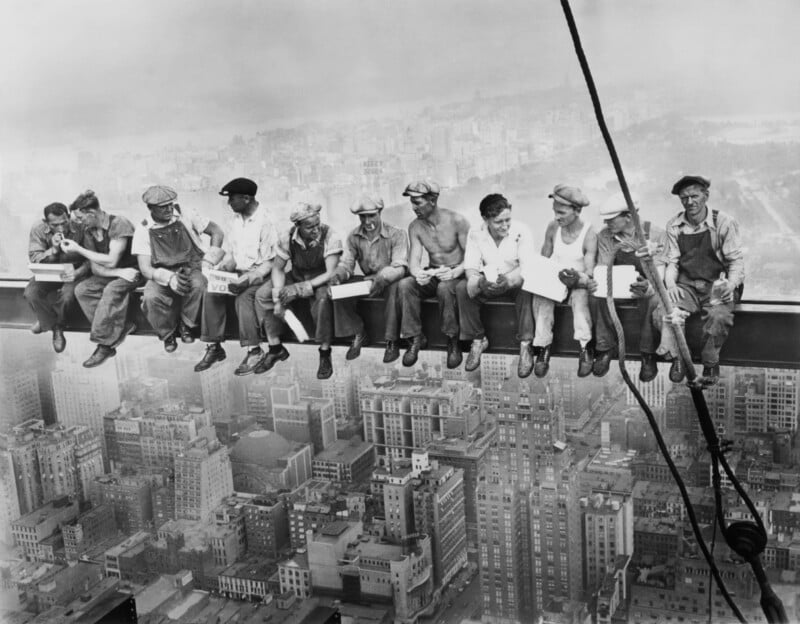
The image was not a serendipitous "candid" moment but rather a highly coordinated publicity stunt designed to promote the nearly completed skyscraper. In the early 1930s, the competition for tenants in New York’s rapidly rising skyline was fierce. Rockefeller Center needed to project an image of progress, safety, and heroic American industrialism. To achieve this, the Rockefeller Group commissioned professional photographers to capture the "human element" of the construction process. The resulting image of men casually eating lunch, lighting cigarettes, and sharing conversation while suspended in mid-air became the ultimate symbol of the city’s resilience.
The Mystery of the Lens: Who Took the Shot?
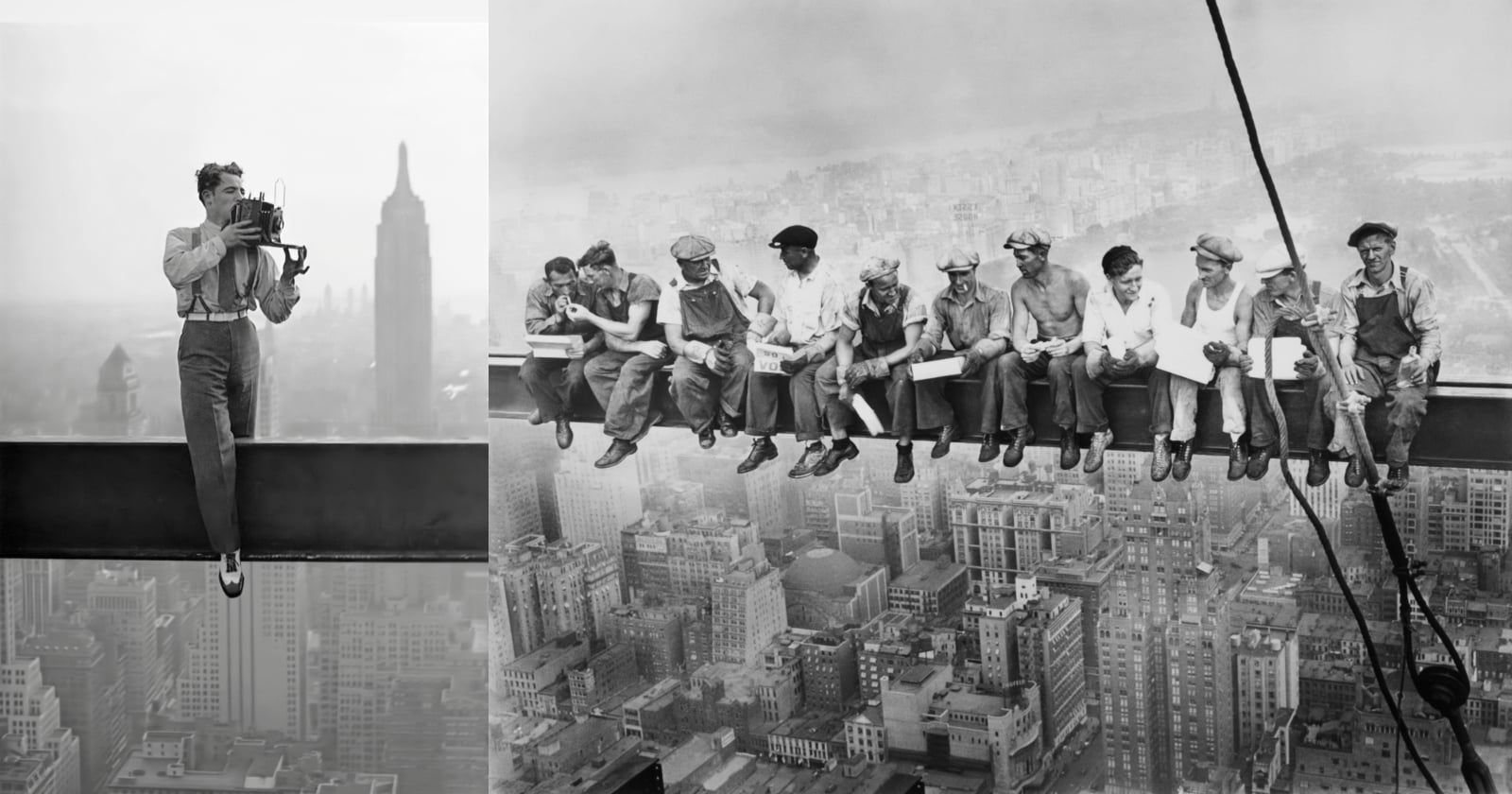
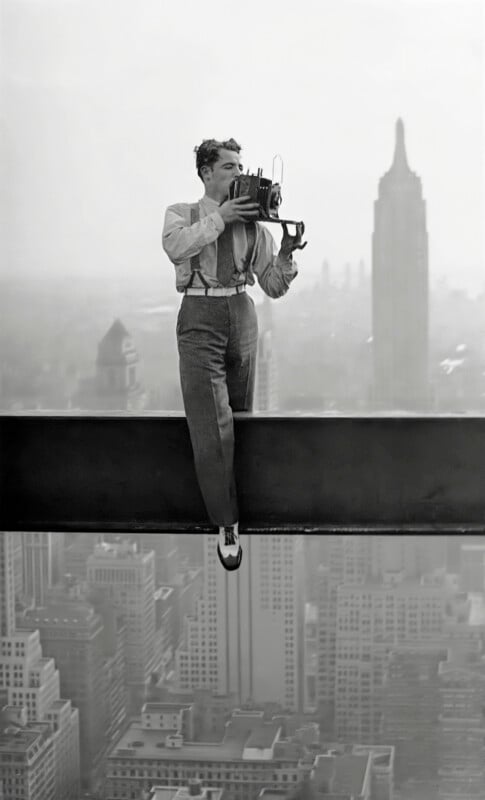
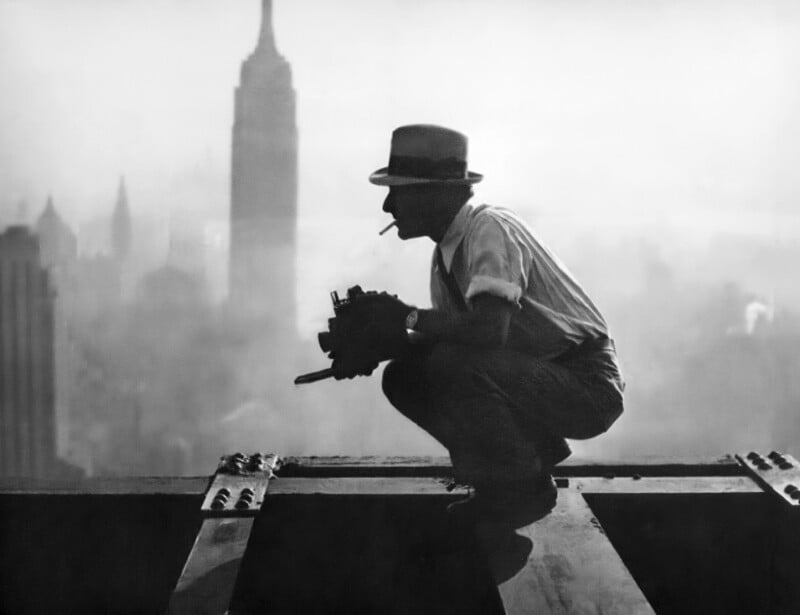
For decades, the photograph was often credited to "Anonymous," a common occurrence in an era where agency photographers frequently worked without individual bylines. However, in recent years, several names have emerged as potential creators of the masterpiece. Roussel’s book dives deep into the competing claims, focusing on three primary candidates who were present at the site that day: Charles C. Ebbets, Thomas Kelley, and William Leftwich.
The strongest claim has historically come from the family of Charles C. Ebbets. In 2003, the Corbis Corporation, which then owned the rights to the negative, officially credited Ebbets after his estate provided a wealth of evidence, including original glass plate negatives of other photos taken on the same day and a handwritten note from his wife. However, as Roussel points out, the Rockefeller Center archives tell a more complex story. The records indicate that multiple photographers were active on the 69th floor that afternoon, often standing just feet apart to capture different angles of the same scene.
The book details how Thomas Kelley and William Leftwich were also employed by the various news agencies—such as Acme Newspictures and International News Photos—contracted for the project. Because the original assignment logs from these agencies have largely been lost to time or discarded during corporate mergers, a definitive "smoking gun" remains elusive. Roussel’s analysis suggests that the photograph may be the product of a collaborative environment where the concept was a collective effort of the publicity department, rather than the singular vision of one man.
A Chronology of Construction and Capturing
To understand the weight of the photograph, one must understand the timeline of the environment in which it was produced. The construction of Rockefeller Center was a Herculean task that spanned most of the 1930s.
- 1928: John D. Rockefeller Jr. leases the land from Columbia University, originally intended for a new Metropolitan Opera House.
- 1929: The Great Depression begins; the Opera House project is cancelled, forcing Rockefeller to pivot to a massive commercial complex.
- 1931: Excavation and steelwork begin for the RCA Building.
- September 20, 1932: Photographers ascend to the 69th floor. Several variations of the "Lunch" photo are taken, including a less-famous version where the workers are seen waving their hats in the air.
- October 2, 1932: The photograph is first published in the Sunday supplement of the New York Herald Tribune.
- 1933: The RCA Building officially opens.
The technical difficulty of capturing such an image in 1932 cannot be overstated. Photographers of the era utilized large-format glass plate cameras, which were heavy, cumbersome, and required steady hands. Unlike modern digital photography, there was no way to instantly review the shot. The photographers themselves were often in as much danger as the workers, balancing on adjacent beams or standing on temporary wooden planks without the safety harnesses that are mandatory in modern construction.
The Men on the Beam: Identifying the Laborers
While the identity of the photographer remains a subject of debate, the identities of the eleven men have been the focus of intense genealogical research. For years, they were simply "the workers," a faceless representation of the proletariat. Roussel’s work complements the efforts of previous historians and filmmakers who have sought to give these men names.
Among those tentatively identified are Irish immigrants Joseph Eckner and Joe Curtis, as well as Matty O’Shaughnessy and Sonny Glynn. The presence of many Irish and Mohawk ironworkers on the site highlights the immigrant and indigenous labor force that literally built the New York skyline. These men were "skywalkers," specialists who possessed the physical balance and psychological fortitude to work at heights that would paralyze the average person.
The book notes that while the scene was staged for the camera, the danger was entirely real. There were no safety nets below the beam. A single slip would have resulted in a fatal fall to the street level nearly 70 stories below. This authenticity is what gives the photograph its lasting power; it is a performance of nonchalance in the face of certain death.
Archival Revelations and Supporting Data
Christine Roussel’s contribution to this history is bolstered by her role as the guardian of the Rockefeller Group’s internal documents. Her research reveals the strategic nature of the photograph’s distribution. It was not just a news photo; it was a carefully managed asset. The book includes data on how the image was cropped and edited over the years to fit different narratives—sometimes emphasizing the height, other times focusing on the camaraderie of the men.
Roussel also explores the "Hats Off" photograph, a companion image taken on the same day featuring the same eleven men. In this version, the workers are seen cheering. While historically significant, it never achieved the iconic status of the lunch photo. Analysis suggests that the lunch photo resonated more deeply because it captured a moment of quiet, human normalcy in an extraordinary, superhuman setting. The act of eating a sandwich—a mundane, daily ritual—contrasted against the terrifying backdrop of the abyss, created a visual metaphor for the American spirit’s ability to find stability during the chaos of the Depression.
Impact and Implications: The Photo as a Cultural Totem
The implications of Roussel’s research extend beyond simple trivia. Lunch on a Beam examines how a single image can shape the identity of a city. For New York, this photograph became a foundational myth. It transformed the skyscraper from a mere feat of engineering into a symbol of human aspiration.
In a broader sense, the photograph has become a focal point for discussions on labor rights and workplace safety. By modern standards, the scene is a nightmare of OSHA violations. Yet, in 1932, it was a testament to the "rugged individualism" championed by the era’s leaders. Roussel’s book provides a sober look at the reality of these conditions, acknowledging that while the image is beautiful, it represents a period of history where human life was often secondary to industrial progress.
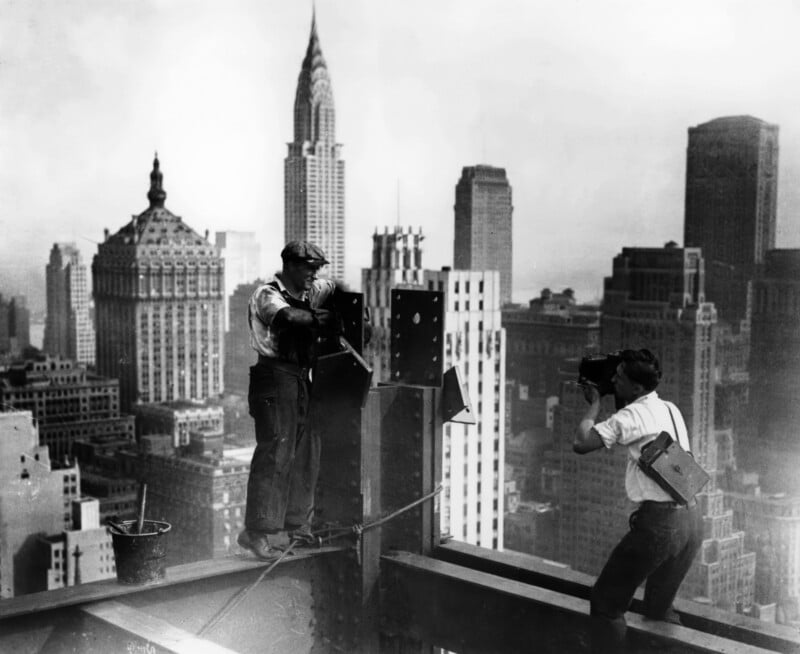
Today, the photograph continues to be reinterpreted. It has been recreated by everyone from the cast of Friends to the crew of SpaceX, and it remains a staple of art history curriculum. By clarifying the "who, what, and where" of the image, Roussel does not strip away its magic; rather, she adds a layer of human complexity to the steel and stone.
Conclusion
Lunch on a Beam: The Making of an American Photograph serves as both a tribute to the men who built Rockefeller Center and a scholarly investigation into the mechanics of 20th-century myth-making. Christine Roussel’s archival journey provides a necessary correction to the many legends surrounding the image, offering instead a factual foundation that honors the photographers and the workers alike. As we move further away from the era of the great skyscrapers, this book ensures that the story of the eleven men on the beam remains as grounded in history as it is elevated in our collective imagination. The work stands as a vital piece of New York history, reminding readers that behind every iconic image lies a complex web of human effort, corporate ambition, and the silent, enduring strength of the working class.

