


The American Federation of Aviculture (AFA) has solidified its position as a global leader in avian education through the comprehensive deployment of its digital learning platforms, specifically the Fundamentals of Aviculture and the Avian Biology Classroom. These programs represent a significant shift in the landscape of bird care, moving away from anecdotal methods toward a standardized, science-based curriculum designed for breeders, veterinarians, conservationists, and hobbyists. As the avian world faces increasing challenges from habitat loss and stringent international regulations, the AFA’s commitment to providing accessible, high-level education serves as a critical pillar for the sustainability of both captive and wild bird populations.

The AFA, a non-profit organization established in 1974, has long been at the forefront of the struggle to balance the interests of bird owners with the biological needs of the species they keep. The introduction of these educational tools marks a modernization of the organization’s mission, leveraging digital technology to disseminate specialized knowledge that was once confined to academic institutions or veteran breeding facilities. By partnering with prestigious entities such as the Schubot Exotic Bird Health Center at Texas A&M University’s College of Veterinary Medicine and receiving support from the Pet Care Trust, the AFA has ensured that its curriculum is grounded in the latest veterinary and biological research.
The Fundamentals of Aviculture: A Two-Tiered Professional Pathway
The cornerstone of the AFA’s educational suite is the "Fundamentals of Aviculture" (FOA) program. This online certification track is divided into two distinct levels, designed to take a student from the basic principles of bird care to the complex nuances of avian management and genetics.

Level I: Establishing the Foundation
Fundamentals of Aviculture Level I is an introductory course that provides a comprehensive overview of the "emerging science of aviculture." The curriculum is structured into nine detailed chapters, each addressing a core component of avian life and husbandry. The course begins with anatomy and physiology, providing students with the biological framework necessary to understand how birds function. This is followed by explorations into avian behavior, which is essential for identifying stress and promoting psychological well-being in captive environments.
Beyond biology, Level I addresses the practical and legal aspects of bird ownership. Chapters dedicated to laws and regulations provide a necessary guide for navigating the complex web of local and international statutes, such as the Convention on International Trade in Endangered Species of Wild Fauna and Flora (CITES). Furthermore, the course emphasizes preventative medicine, teaching students how to provide proper housing and implement biosecurity measures to prevent the outbreak of diseases within an aviary.

Level II: Advanced Management and Specialized Study
For those seeking to deepen their expertise, Fundamentals of Aviculture Level II offers an intermediate-to-advanced curriculum. Admission to this level is strictly contingent upon the successful completion of Level I, ensuring that all participants share a common baseline of knowledge. This level consists of 15 chapters that delve into the highly technical aspects of bird breeding and conservation.
Key topics in Level II include basic avian genetics and the study of color mutations, which are critical for breeders aiming to maintain healthy, genetically diverse populations. The course also covers the ethics and mechanics of hybrids, breeding stimuli, and the delicate processes of incubation and hand-rearing. Notably, Level II expands its scope to include "non-parrot studies," recognizing the diverse array of avian species—from finches to softbills—that require specialized care.
Advanced medical topics such as basic microbiology, first aid, and illness recognition are also prioritized. By educating owners on how to recognize the early signs of pathology, the AFA aims to reduce mortality rates in captive collections. The introductory admission fee for Level II is set at $75 for AFA members, a pricing strategy intended to make professional-grade education accessible to the general public.
The Avian Biology Classroom: Outreach and Community Education
While the FOA program targets individuals seeking certification, the Avian Biology Classroom (ABC) is designed as an outreach tool for the broader community. This program is specifically tailored for bird clubs, primary and secondary school teachers, and youth organizations. The ABC provides downloadable presentations in both PowerPoint and PDF formats, allowing educators to integrate avian science into their existing curricula.
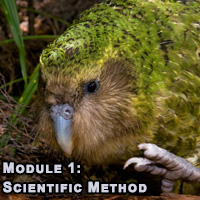
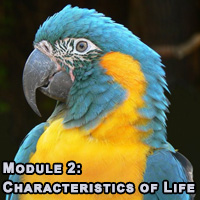
The ABC is organized into five primary modules, each focusing on a fundamental concept of biology through the lens of ornithology:
- Module 1: The Scientific Method: This module introduces students to the rigors of scientific inquiry, using bird-related observations as the basis for hypothesis testing and data collection.
- Module 2: Characteristics of Life: By examining the unique biological traits of birds, this module explains what distinguishes living organisms from non-living matter.
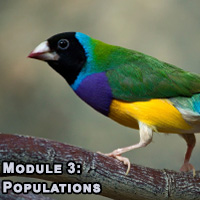
- Module 3: Populations: This section explores the dynamics of avian populations, including migration patterns, habitat requirements, and the factors that lead to population decline or growth.
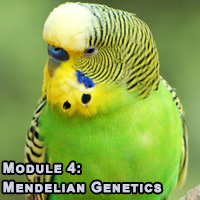
- Module 4: Mendelian Genetics: Using the visible traits of birds, such as feather color and wing shape, this module provides a practical application of the laws of inheritance.
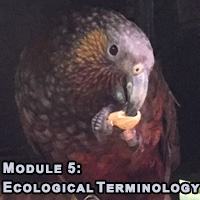
- Module 5: Ecological Terminology: Students learn about the role of birds within their ecosystems, including their functions as pollinators, seed dispersers, and apex predators.
By providing these resources free of charge or at a low cost, the AFA fosters a new generation of environmentally conscious citizens who understand the intrinsic value of avian species.
Institutional Collaboration and the Role of Texas A&M
The development of the AFA’s educational tools was not a solitary effort. The involvement of the Schubot Exotic Bird Health Center at Texas A&M University is particularly significant. The Schubot Center is one of the world’s premier institutions dedicated to the study of health and disease in pet, exotic, and wild birds. Their contribution of funding and academic oversight ensures that the AFA’s courses are not merely "hobbyist guides" but are scientifically rigorous documents.
Furthermore, the grant from the Pet Care Trust highlights the industry-wide recognition of the need for better education. The Pet Care Trust is known for its "Pets in the Classroom" program, and its support of the AFA indicates a shared belief that responsible bird ownership begins with a deep understanding of the animal’s biological needs. This synergy between academia, industry, and non-profit advocacy groups creates a robust framework for avian welfare.
Historical Context and the Evolution of Aviculture
To understand the importance of these tools, one must look at the history of aviculture in the United States. In the late 20th century, the passage of the Wild Bird Conservation Act (WBCA) in 1992 fundamentally changed the way birds were acquired. The act effectively ended the mass importation of wild-caught birds for the pet trade, placing the responsibility for the survival of many species squarely on the shoulders of captive breeders.
This shift necessitated a more professionalized approach to breeding. No longer could breeders rely on an endless supply of wild birds; they had to master the science of captive reproduction, neonatal care, and genetic management. The AFA’s educational programs were born out of this necessity. They provide the "missing link" between traditional bird keeping and the modern requirements of sustainable, self-sustaining captive populations.
Analysis of Implications: Education as a Conservation Tool
The implications of the AFA’s educational initiatives extend far beyond the individual bird owner. In a broader sense, these programs function as a form of "ex-situ" conservation. By training breeders and hobbyists in scientific protocols, the AFA is helping to create a global reservoir of healthy, genetically diverse birds. In some cases, these captive populations may serve as a final insurance policy against the extinction of species in the wild.
Furthermore, the emphasis on "Avian Enrichment" and "Avian Behavior" in the Level II course reflects a growing societal concern for the mental health of captive animals. As our understanding of avian intelligence—particularly in psittacines (parrots)—continues to grow, the demand for sophisticated care standards increases. The AFA’s curriculum addresses this by teaching owners how to provide cognitive challenges and social environments that mimic a bird’s natural habitat.
Conclusion and Future Outlook
As the AFA continues to update its "AFA Campus" and digital offerings, the organization is poised to remain the definitive source for avian education. The integration of new research into the Fundamentals of Aviculture Level II and the expansion of the Avian Biology Classroom modules suggest a dynamic approach to learning that evolves alongside the science itself.
The success of these programs demonstrates that there is a significant appetite for high-quality, specialized education among the bird-owning public. By bridging the gap between the veterinary clinic, the research laboratory, and the home aviary, the American Federation of Aviculture is ensuring that the "science of aviculture" remains a vibrant and essential field for decades to come. Through education, the AFA not only improves the lives of individual birds but also contributes to the global effort to preserve the world’s avian heritage.

