


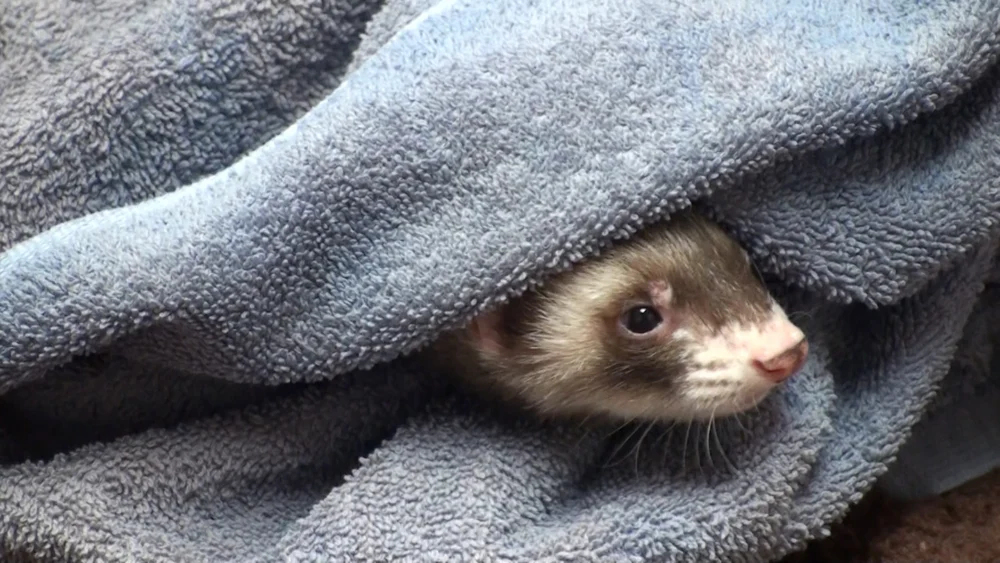
Veterinary clinicians specializing in exotic animal medicine are frequently presented with geriatric ferrets (Mustela putorius furo) exhibiting a complex suite of clinical signs, including hind-limb ataxia, intermittent collapse, exercise intolerance, and a progressive loss of muscle mass. While these symptoms are classic hallmarks of insulinoma—a common pancreatic islet cell tumor in ferrets—recent clinical research and expert analysis suggest that an over-reliance on rapid glucose testing often leads to premature diagnosis and suboptimal treatment. Dr. Cathy Johnson-Delaney, a renowned expert in avian and exotic medicine, has highlighted the necessity of a broader diagnostic approach, arguing that the "collapsed ferret" requires a more nuanced investigation into cardiac, renal, and musculoskeletal pathologies.
The Challenge of the "Insulinoma Trap"
In many clinical settings, the diagnostic process for a weak or collapsing ferret begins and ends with a portable blood glucose meter. When a glucometer returns a reading below 70-90 mg/dL, many practitioners immediately prescribe prednisone, a glucocorticoid used to manage hypoglycemia by stimulating gluconeogenesis. However, this immediate jump to an insulinoma diagnosis can be problematic. Research has consistently shown that human-grade and even some veterinary-grade portable glucometers are often inaccurate when used on ferret blood.
Furthermore, these rapid tests rarely account for the ferret’s recent dietary history. Ferrets are obligate carnivores with an extremely short gastrointestinal transit time, typically between three to four hours. Consequently, their blood glucose levels fluctuate significantly based on when, what, and how much they last ate. A single low reading in a ferret that has not eaten for several hours may be a physiological response rather than a pathological state. When these animals are placed on prednisone without a confirmed diagnosis, the underlying cause of their collapse remains untreated, and in some cases, the steroid treatment may even exacerbate other conditions, such as undiagnosed cardiac disease or renal failure.
Evaluating Diagnostic Accuracy in Glucose Monitoring
The reliance on portable blood glucose meters (PBGMs) has been a point of contention in exotic veterinary medicine. Several studies, including those by Petritz et al. (2013) and Summa et al. (2014), have evaluated the efficacy of these devices in ferrets. The consensus among researchers is that PBGMs tend to underestimate blood glucose concentrations in ferrets when compared to laboratory-grade benchtop analyzers.
The discrepancy often arises because PBGMs are calibrated for the distribution of glucose between plasma and red blood cells in humans or dogs, which differs from that of the ferret. While the AlphaTrak system is frequently used in veterinary clinics, clinicians are urged to process bloodwork through a formal laboratory whenever possible. Even then, the sample must be processed quickly; if the red blood cells are not separated from the plasma promptly, the cells will continue to consume glucose, leading to a falsely low reading (artifactual hypoglycemia).
A Chronology of Clinical Presentation and Misdiagnosis
The typical clinical timeline for a collapsing ferret often begins with subtle behavioral changes. Owners may notice the ferret "stargazing" (episodes of mental detachment) or pawing at the mouth, which are signs of nausea associated with hypoglycemia. As the condition progresses, the ferret may experience "hind-end weakness," where the back legs slide out from under them, eventually leading to full collapse.
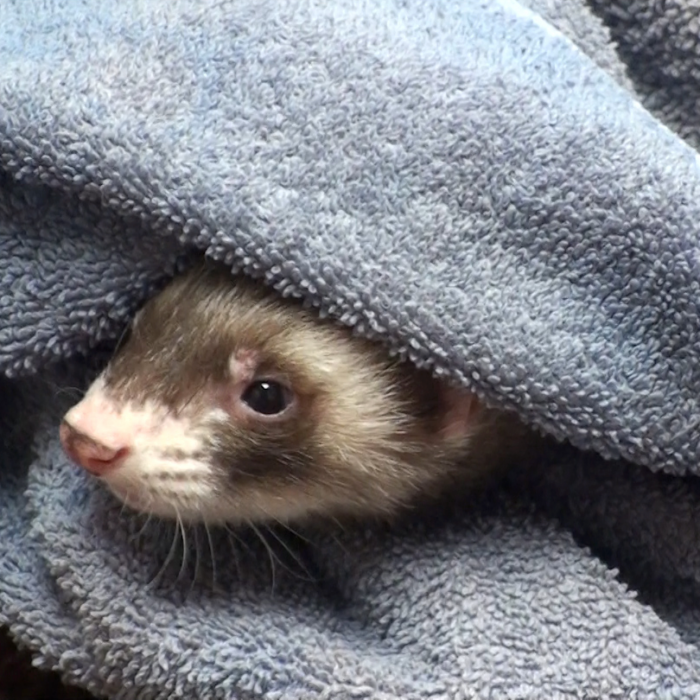
In a standard diagnostic trajectory that fails the patient, the clinician performs a quick glucometer test, notes the low reading, and concludes the animal has insulinoma. Radiographs might be taken, often revealing splenomegaly—an enlarged spleen—which is a common and frequently benign finding in older ferrets. If the ferret also shows signs of an enlarged heart (cardiomegaly), it is sometimes dismissed as secondary to the primary metabolic issue.
The failure of this timeline becomes apparent when the ferret does not respond to prednisone. Signs of ataxia may worsen, or the ferret may develop respiratory distress, indicating that the true culprit was not an islet cell tumor but perhaps a failing heart or systemic pain.
Expanding the Differentials: Beyond the Pancreas
To improve patient outcomes, Dr. Johnson-Delaney and other specialists advocate for a comprehensive differential diagnosis list. Several major systems can cause collapse or exercise intolerance in the geriatric ferret:
Cardiac Disease
Cardiac insufficiency is a leading cause of weakness in older ferrets. Dilated Cardiomyopathy (DCM) and Hypertrophic Cardiomyopathy (HCM) are both prevalent. Unlike insulinoma-induced collapse, which is metabolic, cardiac collapse is often related to poor oxygenation and systemic perfusion. Ferrets with heart disease may present with lethargy and exercise intolerance that mimics the "crashing" seen in hypoglycemia.
Renal and Urinary Disease
Chronic kidney disease is common in aging ferrets. Additionally, the emergence of cystine urolithiasis (bladder stones) has become a significant concern. Research by Pacheco (2020) indicates that these stones can cause extreme pain and straining, leading to episodes of collapse or a refusal to move that can be mistaken for neurological weakness.
Musculoskeletal and Dental Pain
Ferrets are notorious for hiding pain, but severe dental disease or osteoarthritis can lead to a state of "collapse" where the animal is simply too uncomfortable to maintain normal activity levels. The use of the Ferret Grimace Scale—a tool developed to assess pain through facial expressions—has become an essential part of the modern diagnostic toolkit. By evaluating orbital tightening, nose bulging, and whisker position, clinicians can determine if a ferret’s "weakness" is actually a manifestation of chronic pain.
Other Endocrinopathies
While insulinoma is an endocrine disorder, it often coexists with Hyperadrenocorticism (adrenal disease). The hormonal imbalances caused by adrenal tumors can lead to muscle wasting, particularly in the hind limbs, further complicating the clinical picture of a weak ferret.
Supporting Data and Expert Analysis
Data from the University of Tennessee’s Clinical Endocrinology Laboratory suggests that a definitive diagnosis of insulinoma should ideally involve a fasted insulin-to-glucose ratio. If insulin levels are elevated (hyperinsulinemia) in the presence of low blood glucose, the diagnosis is much more secure.
Expert analysis from Dr. Johnson-Delaney’s textbook, Ferret Medicine and Surgery, emphasizes that "ataxia" is a symptom, not a diagnosis. The textbook outlines that while islet cell tumors are a "top-of-mind" concern for North American ferrets—largely due to genetics and early-age neutering—clinicians must remain objective. The high prevalence of splenomegaly in ferrets (seen in up to 60% of geriatric patients) often acts as a "red herring" in imaging, distracting from more subtle signs of gastrointestinal disease or lymphoma.
Official Responses and Professional Standards
The veterinary community has responded to these diagnostic challenges by increasing the availability of continuing education (CE). Organizations such as the Association of Exotic Mammal Veterinarians (AEMV) and the American Association of Veterinary State Boards (AAVSB) through the RACE program have approved lectures and webinars specifically addressing the "collapsed ferret" syndrome. These programs aim to standardize the diagnostic protocol, moving away from "symptomatic treatment" and toward "evidence-based medicine."
Dr. Johnson-Delaney, who served as the President of both the Association of Avian Veterinarians and the Association of Exotic Mammal Veterinarians, has been a vocal advocate for these higher standards. Her work with the Washington Ferret Rescue & Shelter provided a massive clinical dataset that helped refine the understanding of how geriatric ferrets age and how their various organ systems fail.
Broader Impact and Implications for Ferret Welfare
The shift in perspective from "it’s always insulinoma" to a multi-systemic diagnostic approach has significant implications for ferret welfare. Proper diagnosis prevents the unnecessary side effects of long-term steroid use, such as immunosuppression and secondary infections. It also allows for the implementation of targeted therapies, such as ACE inhibitors for heart disease or specialized diets and analgesics for renal and musculoskeletal issues.
As the popularity of ferrets as companion animals continues to hold steady, the demand for sophisticated geriatric care is rising. Owners are increasingly seeking specialized care and are more willing to pursue advanced imaging like ultrasound and echocardiography. The veterinary industry is responding by developing more accurate point-of-care testing and refining pain management protocols, such as the use of extended-release buprenorphine.
In conclusion, while insulinoma remains a primary concern for any aging ferret presenting with weakness, it is only one piece of a complex pathological puzzle. By moving beyond the glucometer and considering the whole patient—including cardiac function, renal health, and pain levels—veterinarians can provide more accurate diagnoses and more effective, compassionate care for these unique companion animals. The "collapsed ferret" is a clinical emergency that demands a broad mind and a thorough diagnostic reach.

