


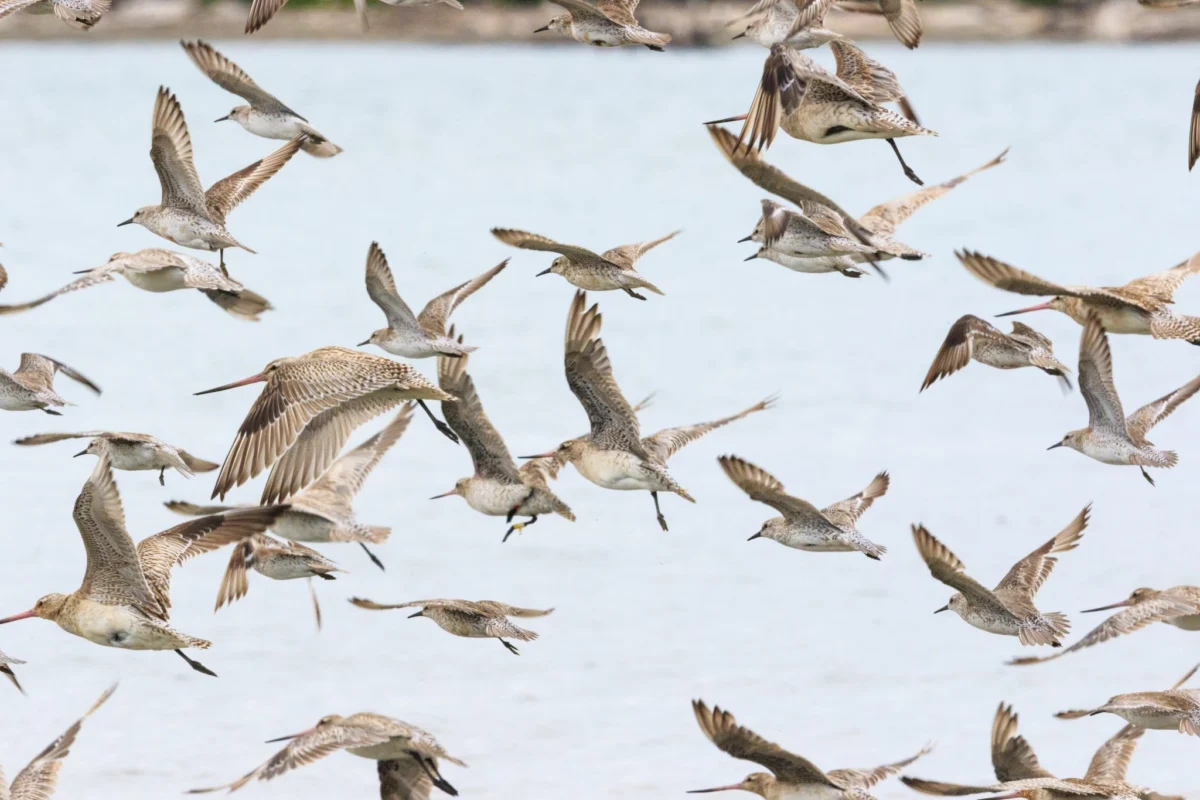
As migration peaks this May, the changing journeys of the world’s birds reveal real strain on the natural systems vital to all life on Earth. This observation comes as the globe marks World Migratory Bird Day, an annual observance dedicated to raising awareness about the importance of migratory birds and the threats they face. The event serves as a critical reminder that the remarkable phenomenon of bird migration is not merely a spectacle of nature, but a profound indicator of the planet’s ecological health.
A Global Call to Listen: Migratory Birds as Environmental Barometers
World Migratory Bird Day, celebrated in both May and October to coincide with peak migration periods in each hemisphere, is an invitation to look beyond the awe-inspiring flights of birds and to heed the urgent messages they carry about the state of our planet. These feathered travelers are not just passive voyagers; they are active participants in Earth’s vital ecological cycles. They act as crucial couriers of nutrients across vast oceanic distances, facilitate plant pollination, disperse seeds that regenerate ecosystems, and play a significant role in maintaining healthy agricultural systems by controlling pests and diseases.
Despite their indispensable ecological roles, the populations of migratory birds are facing unprecedented decline. Current data indicates that over 40% of all bird species globally are experiencing a downward trend in numbers. Martin Harper, CEO of BirdLife International, a global partnership dedicated to conserving birds and their habitats, emphasizes the gravity of this situation. "Migratory birds connect us across countries, continents and ocean currents," Harper stated. "Protecting the major migratory highways of the world is how we reverse those declines. And when we do, people gain too: cleaner water, food security, flood protection, and more resilience to a changing climate." This sentiment underscores the interconnectedness of avian health with human well-being and planetary sustainability.

The Highways of the Sky: Understanding Global Flyways
BirdLife International, as the leading global authority on bird conservation, views World Migratory Bird Day as a pivotal moment to deepen our understanding of the intricate network of natural migration routes, known as global flyways. These flyways are the aerial superhighways that birds utilize to navigate between their breeding grounds, essential feeding areas, and seasonal refuges. Globally, birds traverse four major terrestrial flyways: the African-Eurasian, East Asian-Australasian, Americas, and Central Asian flyways. Complementing these are six marine flyways, crucial for seabirds. These interconnected pathways transcend national borders and vast oceans, linking habitats that can be thousands of kilometers apart.
The integrity of these flyways is paramount. When a critical link in a flyway is compromised—whether by the draining of a wetland, the degradation of a coastline, or habitat loss due to human development—the consequences can be devastating, leading to widespread population declines and, in the most extreme cases, irreversible extinction. The recent grim confirmation of the extinction of the Slender-billed Curlew serves as a stark and poignant reminder of the fragility of these avian highways and the urgent need for their protection.
Africa’s Pivotal Role in a Global Migration Narrative
The African-Eurasian Flyway stands as one of the world’s most significant and extensively utilized migratory systems, connecting the diverse ecosystems of Africa, Europe, and Asia. This immense corridor facilitates the annual journey of countless bird species, who travel from the Arctic regions to the southern reaches of Africa and back again, a testament to their incredible endurance and navigational prowess.
Dr. Paul Matiku, Executive Director of Nature Kenya, a key partner of BirdLife International on the African continent, highlights Africa’s central role in sustaining these vital migratory routes. "Africa is at the heart of some of the world’s great flyways," Matiku affirmed. "The health of our wetlands, rangelands and coastlines matters far beyond our borders. When we protect these habitats, we protect birds, biodiversity and the communities that live alongside them."

This year’s observance holds particular significance as Nairobi, Kenya, will host the Global Flyways Summit in September. This marks the first time this crucial international gathering will be held on the African continent, underscoring the continent’s increasingly recognized importance in global conservation efforts. The summit, co-hosted by BirdLife International and Nature Kenya, will convene leaders from the scientific community, policymaking bodies, financial institutions, the business sector, and civil society. The objective is to forge a unified strategy and agree upon concrete actions necessary to safeguard migratory birds and the ecosystems upon which they depend. Concurrently, BirdLife International scientists will unveil the latest edition of the "State of the World’s Birds" report, with a specific focus on the critical insights provided by flyway data. This comprehensive report will offer the most current assessment of bird populations worldwide and their implications for the broader health of the natural world.
Broader Implications: Ecological Resilience and Human Prosperity
The decline of migratory bird populations is not an isolated ecological crisis; it carries profound implications for the health of the planet and the well-being of humanity. As vital components of ecosystems, birds contribute to processes that directly benefit human societies. Their roles in seed dispersal are crucial for forest regeneration and maintaining biodiversity. Pollination services provided by birds are essential for the reproduction of many plant species, including those that form the basis of agricultural crops. Furthermore, their predatory activities help regulate insect populations, thereby protecting crops from pests and mitigating the spread of vector-borne diseases.
The degradation of flyways and the subsequent decline in bird populations represent a weakening of natural systems that provide invaluable ecosystem services. The loss of these services can lead to tangible negative impacts, including reduced agricultural yields, increased susceptibility to disease outbreaks, compromised water quality, and diminished natural defenses against climate change impacts such as flooding and coastal erosion. Conversely, the protection and restoration of migratory bird flyways offer a powerful and cost-effective strategy for enhancing ecological resilience and delivering substantial benefits to human communities.
A Call to Action: Engaging the Public in Conservation
World Migratory Bird Day presents a compelling opportunity for individuals to participate directly in bird conservation efforts through birdwatching and citizen science initiatives. The call to action is clear: venture outdoors, observe the birds in your local environment, and meticulously record your sightings. Each observation contributes valuable data that informs and drives targeted conservation strategies.

"You don’t need to be an expert to care about birds," Harper concluded. "When we notice the wildlife around us, we start to understand the condition of the places we all rely on. Birds give us both a warning and an opportunity. They show us where nature needs urgent action, and where there is still hope." This sentiment highlights the democratizing nature of birdwatching and its power to foster a deeper connection with the natural world.
The joy derived from observing birds in their natural habitat is intrinsically linked to the responsibility to protect them. In this spirit, BirdLife International is inviting the public to participate in its "Race to Save Birds Challenge" on May 9th. This initiative is not about athletic prowess but about mindful engagement. By taking part, individuals will contribute vital data through bird observations, raise essential funds for conservation projects, and actively support efforts to ensure the thriving future of birds and the broader natural environment. This collective effort underscores the belief that by working together, we can reverse the current trends and secure a healthier planet for all.

