


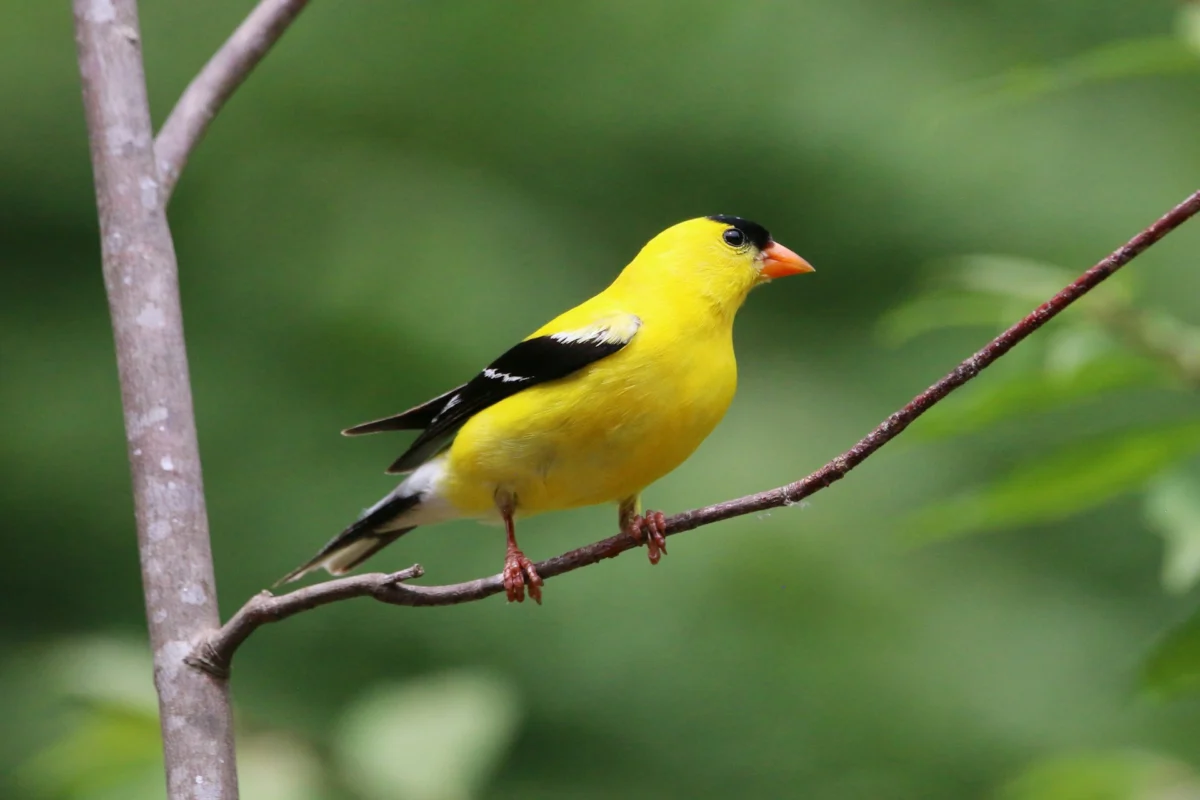
The vibrant yellow plumage of the American Goldfinch, punctuated by striking black and white wing markings, offers a welcome splash of color against any winter landscape. Beyond their visual appeal, the cheerful chirping of these small songbirds can infuse a yard with an undeniable sense of life and vitality. For those fortunate enough to reside within their migratory range, the question often arises: how can one effectively attract these delightful creatures to their gardens during the colder months? This guide delves into practical strategies and relevant background information to transform your backyard into a welcoming haven for American Goldfinches throughout the year.
Understanding the American Goldfinch: Biology and Behavior
The American Goldfinch ( Spinus tristis) is a small passerine bird belonging to the finch family. Primarily found in North America, their range extends across the United States and southern Canada. While often associated with summer’s vibrant hues, many populations of American Goldfinches are resident birds in the northeastern United States, making year-round attraction a feasible endeavor. Understanding their dietary habits, migratory patterns, and social behaviors is crucial for successful bird-feeding initiatives.
Dietary Preferences: Goldfinches are granivores, meaning their diet consists primarily of seeds. This dietary preference makes them relatively easy to attract with appropriate food offerings. Their natural foraging includes seeds from various plants, such as thistles, sunflowers, asters, and coneflowers. They also supplement their diet with young plant bark and tree buds, particularly during seasons when seeds are less abundant.
Migration Patterns: The migratory behavior of American Goldfinches is geographically dependent. While populations in the northern United States and southern Canada may undertake significant migrations south to warmer climates like Mexico, those residing in the northeastern United States often remain in their breeding territories throughout the winter. This distinction is critical for bird enthusiasts aiming to provide consistent support. Birds that do migrate typically do so in flocks, moving to areas where food sources remain accessible.
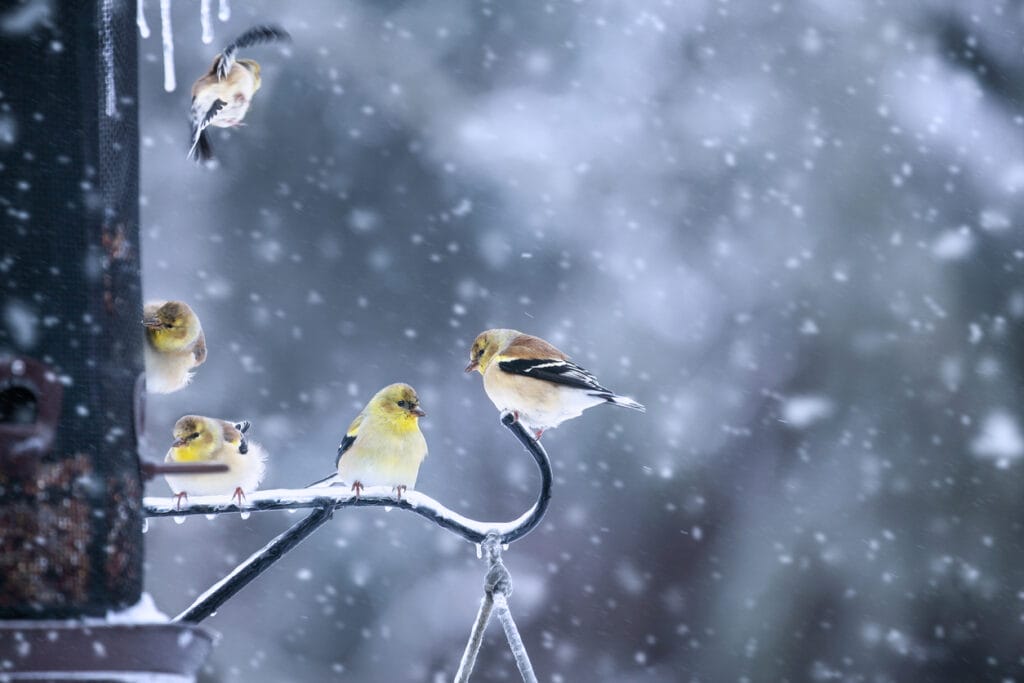
Seasonal Appearance: A fascinating aspect of the American Goldfinch is its seasonal dimorphism, particularly in males. During the breeding season (spring and summer), males exhibit a brilliant yellow coloration, often with a distinctive black cap. This striking appearance is believed to play a role in courtship displays. As winter approaches, males undergo a molt, transitioning to a more subdued, brownish-yellow hue, which aids in camouflage. Females generally maintain a more muted, yellowish-green or brown coloration year-round, with subtle variations between seasons. This difference in appearance between summer and winter males can sometimes make sex identification more challenging during the colder months.
Social Behavior: American Goldfinches are generally social birds, often foraging in flocks, especially outside the breeding season. While they can be somewhat timid around larger birds and humans, their attraction to reliable food sources can overcome this wariness. They are typically comfortable interacting with other finches and similarly sized songbirds. During the late summer breeding period, flocking behavior may decrease as individuals focus on nesting and raising young.
Five Essential Steps to Attract Goldfinches to Your Winter Backyard
Transforming your yard into an attractive destination for American Goldfinches during winter involves a multi-faceted approach that considers their fundamental needs: food, water, shelter, and safety. By implementing the following five strategies, you can significantly increase the likelihood of these cheerful visitors gracing your garden.

Step 1: Strategically Select the Right Seeds
The cornerstone of attracting Goldfinches lies in providing their preferred food sources. Their seed-based diet makes them amenable to bird feeders, but the type of seed offered is paramount.
- Sunflower Seeds: Black oil sunflower seeds are a universally popular choice for many bird species, including Goldfinches. Their high fat content provides essential energy, making them particularly valuable during the cold winter months.
- Thistle Seed (Nyjer): Perhaps the most sought-after food for American Goldfinches is thistle seed, also known as Nyjer seed. This tiny, oil-rich seed is a favorite, and Goldfinches have a unique feeding behavior associated with it. They often extract these small seeds from specialized feeders or even from the fibers of thistle socks.
- Other Seed Options: While sunflower and thistle are primary attractants, Goldfinches may also consume seeds from niger, safflower, and canary grass. Offering a mix can cater to their varied tastes.
Maintaining Seed Quality: Winter’s increased humidity can lead to damp seeds, rendering them less appealing and potentially promoting mold growth. It is essential to ensure that all seed offerings are dry and fresh. Regularly checking feeders and replacing old, damp seed with fresh supplies every three to four weeks is a crucial maintenance task. This proactive approach ensures that the food remains palatable and safe for consumption.
Step 2: Invest in Appropriate Bird Feeders
The type of bird feeder employed plays a significant role in attracting Goldfinches and ensuring they can feed comfortably and safely.
- Specialized Goldfinch Feeders: Feeders designed specifically for Goldfinches are often smaller in size, which helps to deter larger, more aggressive bird species. This creates a more exclusive dining experience for the finches. Some feeders are designed to hold thistle socks, allowing birds to hang and extract seeds, mimicking a natural feeding behavior.
- Mesh and Tube Feeders: Mesh feeders and tube feeders are particularly effective for holding thistle seed and other small seeds. Their design often helps to keep the seeds dry, protecting them from winter moisture. The perches on these feeders are usually sized appropriately for smaller birds like finches.
- Feeder Placement: Consider placing feeders in locations that offer some protection from harsh winds and predators. Proximity to trees or shrubs can provide perching spots and a sense of security for the birds.
Step 3: Cultivate a Natural Food Landscape
Beyond feeders, integrating native plants into your garden landscape can provide a natural and continuous food source for Goldfinches, especially during times when feeders might be less accessible or fully stocked.
- Seed-Producing Flowers: Planting flowers that produce abundant seeds is an excellent way to draw Goldfinches. Sunflowers are a prime example, offering large heads packed with nutritious seeds. Asters and coneflowers are also excellent choices, providing a steady supply of seeds throughout the fall and into winter.
- Wild Thistle: As mentioned, Goldfinches have a particular fondness for wild thistle. Its feathery seed heads are not only a food source but also provide nesting material. Planting patches of native thistles can create a natural buffet.
- Nesting Material Sources: While not directly for food, plants like cattails, dandelions, and milkweed are valuable as sources of downy material that Goldfinches use for nest construction. Providing these resources can encourage nesting in the spring, leading to a more consistent presence of the birds.
- Cautionary Plant Selection: It’s important to be aware of plants that could pose a hazard. For instance, burdock plants have burrs that can entangle small birds, so it’s advisable to avoid planting them in areas frequented by Goldfinches.
Step 4: Create a Secure and Inviting Environment
Attracting Goldfinches is not solely about food; it’s also about making your yard a safe and comfortable sanctuary.
- Managing Bird Interactions: Goldfinches can be intimidated by larger, more aggressive bird species. While Black-capped Chickadees and Chipping Sparrows are generally compatible, larger birds like Blue Jays might displace Goldfinches from feeders. Strategically placing multiple feeders at different locations and heights can help to mitigate competition. Smaller feeders with limited perching space can naturally favor smaller birds.
- Predator Awareness: Providing ample cover, such as dense shrubs or trees, allows Goldfinches to retreat quickly if they perceive a threat. Keeping domestic cats indoors or supervised when outdoors can significantly reduce avian mortality from predation.
- Shelter from Elements: During harsh winter weather, Goldfinches will seek shelter. Dense evergreen shrubs or strategically placed brush piles can offer crucial protection from wind, snow, and extreme cold.
Step 5: Offer Warm Water Sources
Water is a vital resource for birds, not only for drinking but also for bathing, which is essential for maintaining healthy plumage. In winter, open water sources can freeze, making them inaccessible.
- Heated Bird Baths: Investing in a heated bird bath is an excellent way to provide a constant source of liquid water throughout the winter. This simple addition can be a major draw for Goldfinches and other bird species, especially during prolonged cold spells.
- Regular Water Refills: If using a non-heated bird bath, it’s crucial to check it regularly and break any ice or refill it with fresh, unfrozen water. Even a shallow dish of water can be a lifesaver for birds in freezing temperatures.
- Importance of Hydration: Birds use water to regulate their body temperature, stay clean, and aid in digestion. Providing accessible water, particularly when it’s scarce, can make your yard a highly desirable location for Goldfinches.
Addressing Common Questions About Goldfinches in Winter
Do Goldfinches Migrate in Winter?
The migratory behavior of American Goldfinches is indeed dependent on their geographical location. As noted, populations residing in the northern United States and southern Canada typically migrate south to escape the harshest winter conditions. These journeys can cover considerable distances, with some birds reaching as far south as Mexico to find warmer climes and more abundant food sources. Conversely, Goldfinches found in the northeastern United States often exhibit resident behavior, remaining in their established territories throughout the winter. This means that with the right attractants, year-round observation is possible for many bird enthusiasts. During the summer months, some Goldfinch populations may also move northward into mid-Canada to experience cooler weather.

Goldfinch Appearance: Summer vs. Winter
The striking visual transformation of the male American Goldfinch between seasons is a notable characteristic. In the vibrant breeding plumage of summer, males are adorned with a brilliant yellow body and a distinctive black cap. This coloration is believed to be important for attracting mates. As autumn progresses and the breeding season concludes, males undergo a significant molt. Their feathers transition to a more muted, brownish-yellow or olive-green hue, a change that serves as camouflage against the winter landscape and helps them conserve heat. Females, generally, maintain a more subdued coloration year-round, characterized by lighter brown or yellowish-green tones, lacking the prominent black cap of the summer male. Young birds often exhibit even duller, earthier colors. This seasonal shift can make it more challenging to differentiate between males and females during the winter months.
Expected Behavior from Goldfinches
American Goldfinches, while social among their own kind, can exhibit a degree of wariness around humans and larger bird species. However, their attraction to readily available food sources often overrides this caution. When approaching a new food source, they may display nervous behavior, chirping and hovering before committing to feeding. This cautious approach is a survival mechanism to assess potential threats. They are generally comfortable foraging in the presence of other birds of similar size. During the late summer breeding period, the tendency to flock may decrease as individuals focus on raising their young. However, outside this period, observing flocks of small, yellow birds at feeders is a common and delightful sight.
The Sound of a Goldfinch Song
Goldfinches are known for their distinctive vocalizations. Their songs are often described as a series of cheerful, repetitive chirps and whistles, sometimes characterized as having an almost "robotic" quality. These melodious calls are a common auditory cue that can alert observers to their presence. In flight, Goldfinches often emit chattering calls, adding to the lively soundscape of a backyard visited by these birds. The combination of their visual appeal and their cheerful vocalizations contributes significantly to their charm and popularity among birdwatchers.
FAQ: Clarifying Common Queries About Goldfinches
What is the difference between a yellow finch and a goldfinch?
In North America, there isn’t a bird officially designated as a "yellow finch." However, the Yellow Warbler (Setophaga petechia) is a small, entirely yellow bird, sometimes exhibiting reddish streaks on its breast, and it can be mistaken for a goldfinch. The American Goldfinch (Spinus tristis), while also bright yellow, is distinguishable by the male’s prominent black cap and black markings on its wings, particularly evident in its breeding plumage.
What is the lifespan of a goldfinch bird?
In the wild, the American Goldfinch has an average lifespan of approximately 3 to 6 years. However, with consistent food availability and safe habitats provided by attentive bird enthusiasts, individual birds may live longer. Factors such as predation, disease, and harsh weather conditions can influence their survival rates.
Are goldfinches always gold?
No, American Goldfinches are not always gold. Their iconic golden-yellow coloration is most pronounced in the breeding season (spring and summer), specifically in adult males who develop this vibrant hue to attract mates. During the non-breeding season (fall and winter), and in females year-round, their plumage becomes a duller, more subdued yellowish-green or brown. This seasonal change in coloration is a remarkable adaptation for camouflage and thermoregulation.
Conclusion: A Winter Haven for Feathered Friends
Attracting American Goldfinches to your backyard during the winter months is an achievable and rewarding endeavor. By understanding their dietary needs, migratory patterns, and behavioral tendencies, and by implementing thoughtful strategies such as providing the right seeds in appropriate feeders, cultivating a natural landscape, ensuring a safe environment, and offering vital warm water sources, you can transform your garden into a year-round sanctuary for these delightful birds. The effort invested in creating such a haven not only benefits the Goldfinches but also enriches the observer’s connection with the natural world, bringing a splash of vibrant life and cheerful song to even the coldest of days. The consistent presence of these small, energetic birds can offer a profound sense of connection to nature, reminding us of the resilience and beauty of the avian world.

