


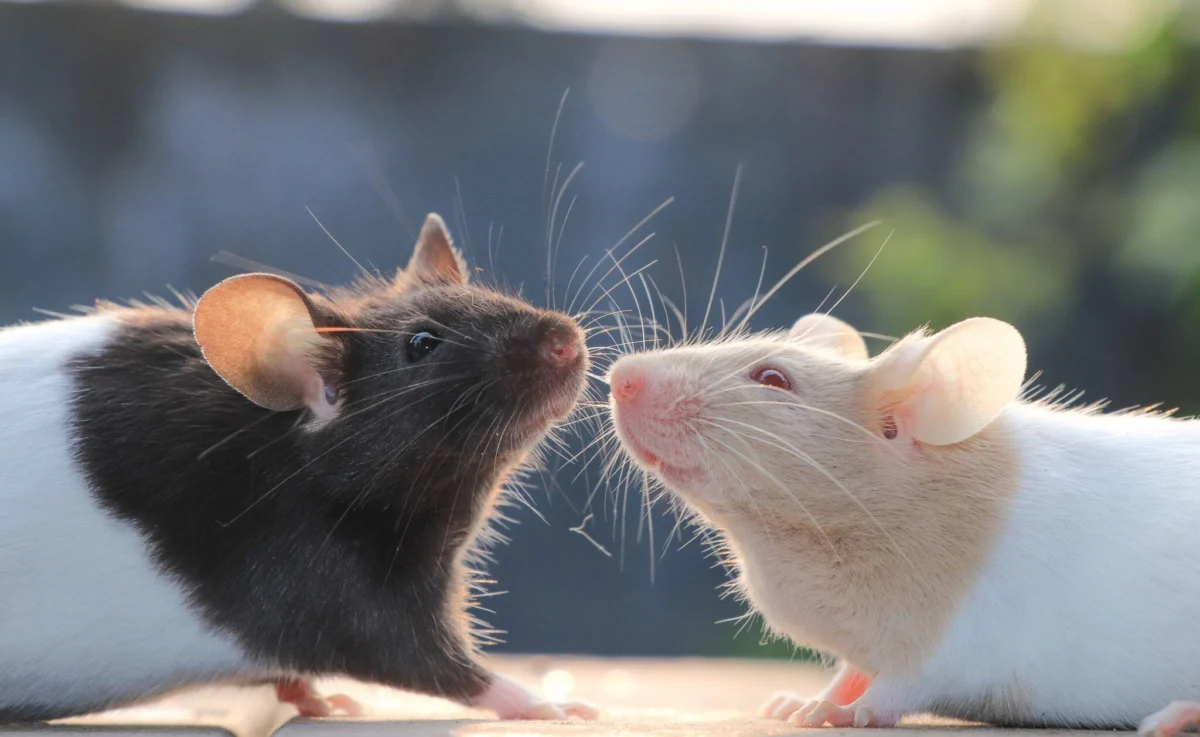
The U.S. Environmental Protection Agency (EPA) has announced a significant expansion of its official list of non-animal test methods, marking a pivotal step in the federal government’s long-term commitment to modernizing chemical safety assessments. This update, released in early June 2026, identifies scientifically reliable and relevant alternatives to traditional animal-based testing, providing a clear roadmap for industrial chemical manufacturers to meet regulatory requirements without the use of dogs, rabbits, or rodents. The move is part of a broader transition toward New Approach Methodologies (NAMs), which prioritize human-relevant data, computational modeling, and in vitro technologies over legacy animal models developed in the mid-20th century.
Under the mandate of the Toxic Substances Control Act (TSCA), specifically as amended by the Frank R. Lautenberg Chemical Safety for the 21st Century Act of 2016, the EPA is legally obligated to reduce and replace the use of vertebrate animals in chemical testing. The 2016 legislation fundamentally altered the landscape of chemical regulation in the United States, requiring the agency to develop a strategic plan to promote the development and implementation of alternative test methods. The recently published list represents the third major update since the initial version was released in 2018, signaling an accelerating pace of technological adoption within the agency’s Office of Chemical Safety and Pollution Prevention (OCSPP).
The Legislative Foundation and Regulatory Mandate
The transition away from animal testing is not merely an ethical preference but a statutory requirement. Section 4(h) of TSCA requires the EPA to "prioritize the development and timely incorporation of scientifically reliable methods, systems, and strategies that reduce or replace the use of vertebrate animals." This includes a requirement for the agency to maintain and regularly update a list of "particular alternative test methods or strategies" that are deemed "scientifically reliable, relevant, and capable of providing information of equivalent or better scientific quality and relevance" than traditional animal tests.
The 2026 update is particularly noteworthy because it introduces, for the first time, a formal procedural framework for stakeholders—including chemical companies, academic researchers, and non-governmental organizations (NGOs)—to nominate new methods for inclusion. By establishing a clear pipeline for the evaluation and adoption of emerging technologies, the EPA is effectively crowdsourcing innovation, ensuring that the regulatory framework evolves in tandem with the rapid advancements in biotechnology and computer science.
Technological Scope of the Updated List
The EPA’s updated list targets several high-volume testing areas where animal use has historically been intensive. These areas, often referred to as the "six-pack" of acute toxicity tests, include assessments for skin irritation, eye irritation, skin sensitization, and acute dermal toxicity. The non-animal alternatives approved in the latest update utilize a variety of sophisticated technologies:

- In Vitro and Ex Vivo Methods: These involve the use of reconstructed human skin models (such as EpiDerm) or bovine corneal tissues to assess corrosivity and irritation. These methods provide a direct measure of cellular response in tissues that closely mimic human anatomy, often providing more accurate predictions than the traditional Draize test, which involved applying chemicals to the eyes or skin of restrained rabbits.
- In Silico Modeling: Computational tools and Quantitative Structure-Activity Relationship (QSAR) models allow scientists to predict a chemical’s toxicity based on its molecular structure and its similarity to known substances. These digital simulations can process thousands of compounds in a fraction of the time required for biological testing.
- Skin Sensitization Pathways: The EPA has embraced "Defined Approaches," which combine multiple non-animal data sources to identify whether a chemical will cause an allergic reaction. This approach aligns with the "Adverse Outcome Pathway" (AOP) framework, which maps the biological steps leading from initial chemical exposure to a toxic effect.
- Phototoxicity and Absorption: New methods for measuring how chemicals react to sunlight or how they are absorbed through the skin have been validated, eliminating the need for tests on mice and rats that were often inconclusive due to interspecies physiological differences.
Chronology of the EPA’s Shift Toward NAMs
The journey toward animal-free science at the EPA has followed a steady trajectory over the past decade:
- June 2016: The Lautenberg Act is signed into law, amending TSCA to include specific language regarding the reduction of animal testing.
- June 2018: The EPA publishes its first Strategic Plan to promote the development of NAMs and releases the initial list of alternative test methods.
- September 2019: Former EPA Administrator Andrew Wheeler issues a landmark memorandum directing the agency to prioritize NAMs and setting a goal to eliminate all mammal study requests and funding by 2035, with a 30% reduction by 2025.
- 2021–2024: The agency continues to refine its list, incorporating methods validated by international bodies such as the Organization for Economic Co-operation and Development (OECD) and the Interagency Coordinating Committee on the Validation of Alternative Methods (ICCVAM).
- June 2026: The EPA issues the current update, adding new methodologies and the stakeholder nomination process, further cementing the role of NAMs in regulatory decision-making.
Scientific and Economic Implications of Non-Animal Testing
The shift toward NAMs is driven by more than just animal welfare concerns; it is rooted in the pursuit of better science. For decades, toxicologists have noted that animal models frequently fail to predict human responses accurately. Differences in metabolism, skin thickness, and immune system function between species mean that a chemical that appears safe in a rat may be toxic to a human, or vice versa. By using human-derived cells and advanced computer models, the EPA aims to increase the "human relevance" of its safety data.
Economically, the move toward non-animal methods offers significant advantages for the chemical industry. Traditional animal tests are notoriously time-consuming and expensive. A single long-term toxicity study can take years to complete and cost millions of dollars. In contrast, many in vitro and in silico methods can be performed in a matter of days or weeks at a fraction of the cost. This efficiency allows for faster screening of new materials, potentially accelerating the market entry of "green" or safer chemical alternatives.
Furthermore, the EPA’s clear signal that it will accept non-animal data provides regulatory certainty. Previously, companies were often hesitant to invest in NAMs for fear that the agency would reject the data in favor of traditional animal studies. The updated list serves as a "green light," encouraging industry-wide investment in modern testing infrastructure.
Stakeholder Reactions and Collaborative Efforts
The update has been met with praise from both the scientific community and animal advocacy groups. Organizations like People for the Ethical Treatment of Animals (PETA) have played a significant role in this transition. PETA scientists have collaborated with the EPA for years, participating in webinars, co-authoring peer-reviewed research, and providing technical feedback on regulatory guidelines. This public-private collaboration is seen as essential for bridging the gap between laboratory innovation and regulatory acceptance.
"The EPA’s commitment to updating this list reflects a growing consensus that the future of toxicology is animal-free," noted a representative from the scientific advocacy community. "By providing a mechanism for stakeholders to nominate new methods, the agency is ensuring that it remains at the cutting edge of science."
However, advocates also point out that other federal agencies have been slower to adopt similar measures. For example, the U.S. Food and Drug Administration (FDA) continues to face scrutiny for its testing requirements regarding menstrual products and certain pharmaceuticals. While the 2022 FDA Modernization Act 2.0 removed the federal mandate that all new drugs must be tested on animals, advocates argue that the agency has yet to implement the same level of transparent, list-based guidance as the EPA.
Challenges and the Path to 2035
Despite the progress, challenges remain. Some complex toxicological endpoints, such as reproductive toxicity and chronic systemic effects, are harder to replicate using current non-animal technologies. These "complex" tests still frequently utilize animals because the biological interactions involved are not yet fully understood at a cellular or computational level.
To address these gaps, the EPA is investing in "Organ-on-a-Chip" technology—microfluidic devices lined with living human cells that mimic the physiological functions of entire organs. The goal is to eventually link these "chips" to create a "Body-on-a-Chip," allowing for the study of how a chemical moves through and affects multiple organ systems simultaneously.
As the EPA moves toward its 2035 goal of phasing out mammal studies, the focus will likely shift from replacing individual tests to redesigning the entire risk assessment framework. This involves moving away from "apical" endpoints (observing whether an animal dies or gets sick) to "mechanistic" endpoints (understanding exactly how a chemical interferes with human biological pathways).
The June 2026 update to the TSCA list of alternative methods stands as a testament to this evolution. By formalizing the role of NAMs and opening the door to stakeholder innovation, the EPA is not only sparing thousands of animals from lethal testing each year but is also building a more robust, efficient, and human-relevant system for protecting public health and the environment. The agency’s leadership in this area sets a benchmark for regulatory bodies worldwide, suggesting that the era of traditional animal testing is steadily drawing to a close.

