


Allysandra Blea, a 20-year-old resident of Las Vegas, has formally entered a guilty plea in connection with the shooting death of her friend and photographer, Mark Santiago Gaughan. The incident, which occurred during a stylized, gun-themed photo shoot involving vintage Polaroid cameras, has drawn significant attention to the intersection of social media aesthetics and firearm safety. Blea pleaded guilty to charges of involuntary manslaughter and kidnapping in a Clark County District Court on Tuesday, marking a pivotal moment in a legal saga that began with a 911 call reporting an "accidental shooting" in the early hours of August 23.
The plea agreement follows a lengthy investigation into the circumstances surrounding the death of Gaughan, a 23-year-old photographer and model who was a rising figure in the local creative community. While Blea was initially facing a charge of open murder with a deadly weapon—a charge that could have resulted in life imprisonment—the plea deal offers a significantly reduced sentencing range. Under the terms of the agreement, Blea faces a mandatory five-year sentence for the kidnapping charge, with prosecutors agreeing not to oppose a concurrent sentence for the involuntary manslaughter conviction. This arrangement could result in a minimum of five years in prison, although the presiding judge retains the discretion to impose a longer term during the sentencing hearing scheduled for July 29, 2026.
The Fatal Incident: A Chronology of the Photo Shoot
The tragedy unfolded in the Northwest Valley of Las Vegas. According to police records, emergency dispatchers received a call at approximately 5:00 A.M. on August 23. The caller reported that a shooting had occurred by accident. When officers arrived at the scene, they discovered Mark Santiago Gaughan suffering from a catastrophic gunshot wound. Despite medical intervention, Gaughan was pronounced dead shortly thereafter.
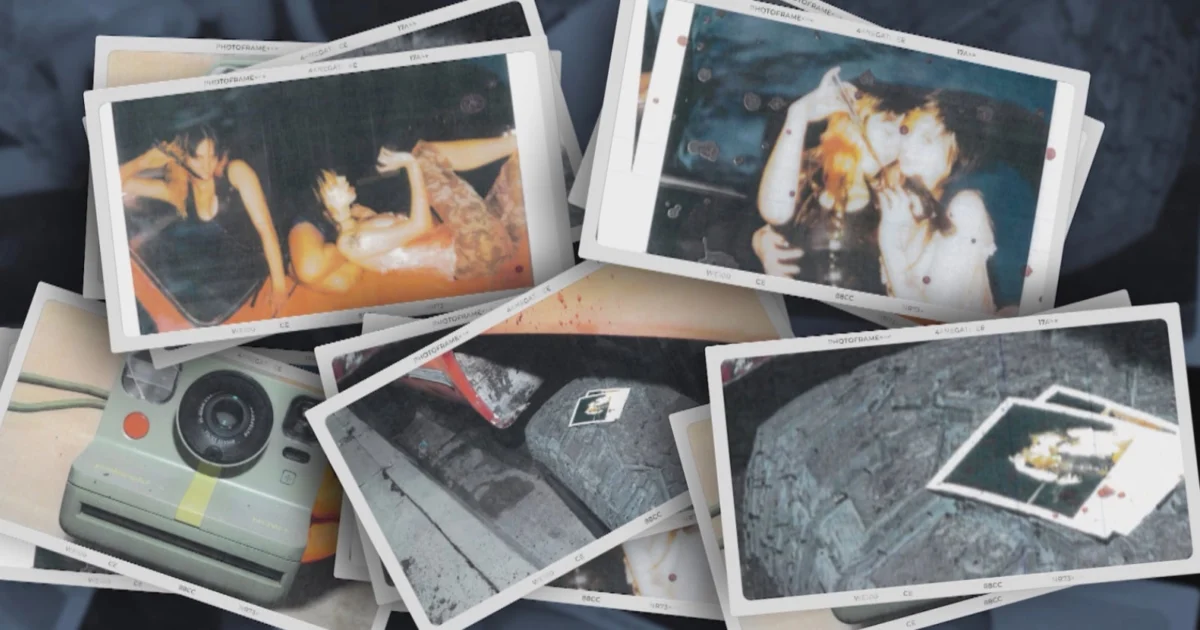
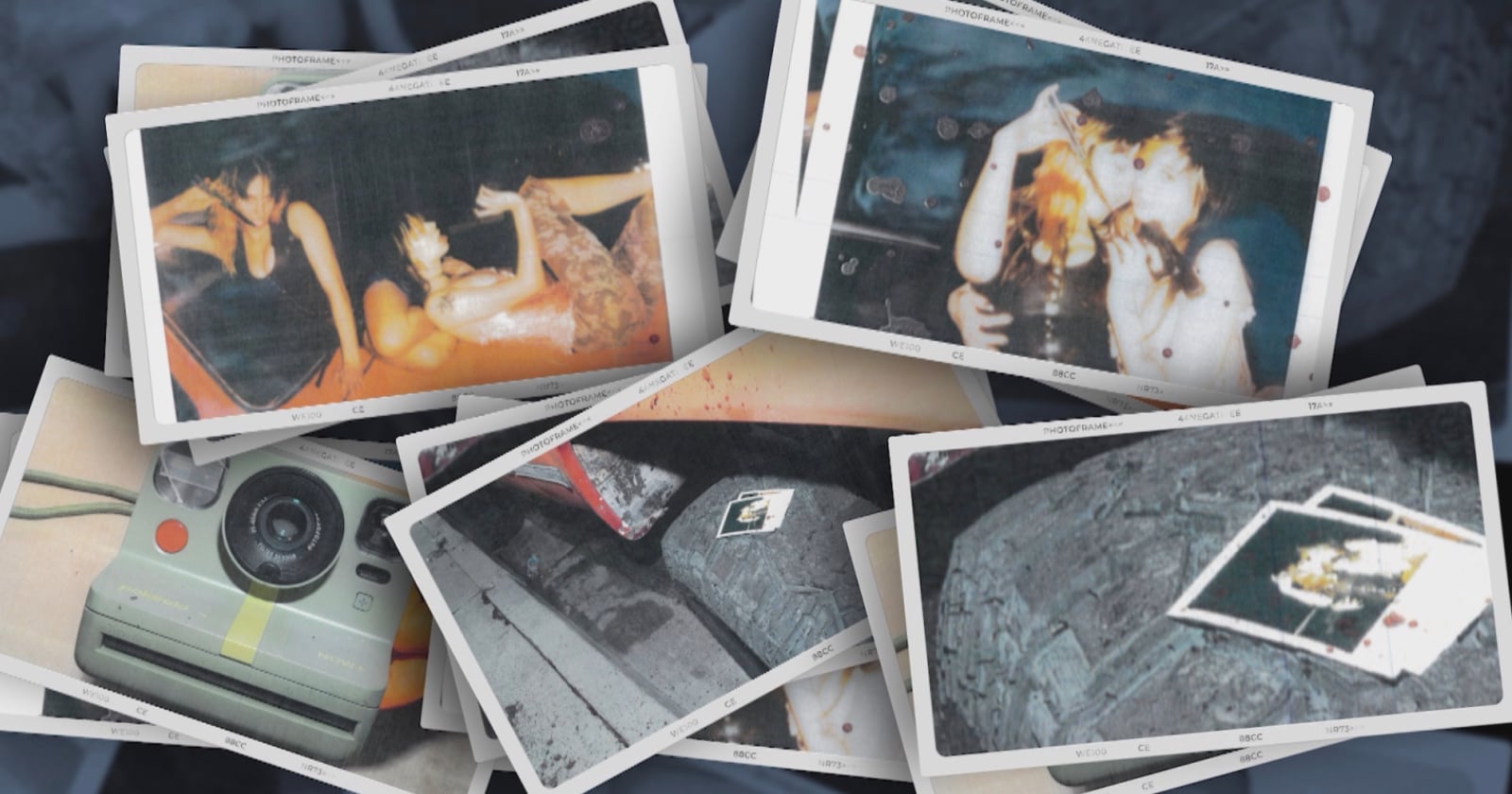
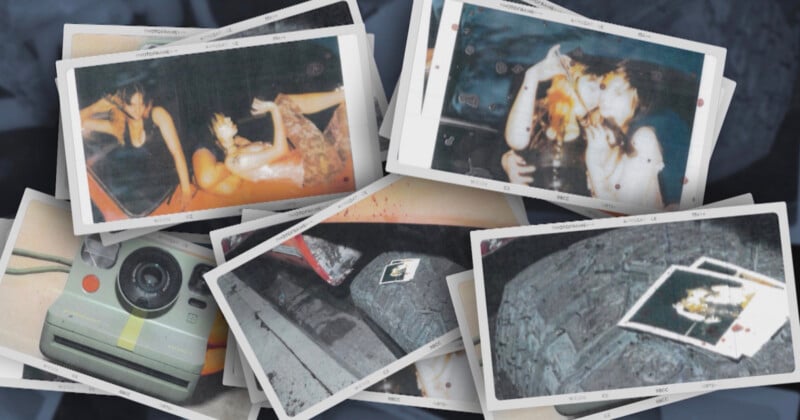
The investigation quickly centered on the activities taking place immediately prior to the discharge of the weapon. Detectives recovered several Polaroid photographs at the scene that served as a grim, real-time documentation of the events leading to Gaughan’s death. These images depicted a high-risk photographic concept involving firearms and knives. One photograph showed a woman holding a knife, while another captured Blea lying back against her, holding a black firearm. Most disturbingly, the evidence presented to the grand jury indicated that in several frames, Blea was seen with her finger on the trigger, including one shot where the barrel of the firearm was pointed toward her own mouth.
Gaughan was reportedly acting as the photographer for the session, using a Polaroid camera to capture the "outlaw" or "gritty" aesthetic that Blea and her companion were attempting to portray. The fatal shot occurred while Gaughan was in the process of taking these photographs. While early reports suggested a romantic link between Gaughan and Blea, she has since maintained that their relationship was strictly a friendship.
Evidence of a Pattern: Social Media and Firearm Recklessness
Central to the prosecution’s case was the argument that the shooting, while perhaps not premeditated in the traditional sense, was the result of a consistent pattern of reckless behavior involving firearms. Investigators conducted a thorough review of Blea’s social media presence, which revealed a disturbing preoccupation with gun-related imagery.
Detectives noted that Blea’s digital footprint was replete with photographs of her posing with an array of weaponry, including handguns, revolvers, and rifles. The poses were frequently dangerous, mirroring the actions seen in the final Polaroids taken by Gaughan. Evidence showed Blea pressing firearms against her own head, aiming them at stuffed animals, and discharging weapons at bottles in unauthorized locations.
This history of "gun obsession," as described by prosecutors, undermined the defense’s characterization of the event as a simple, freak accident. In the eyes of the law, such repeated negligence establishes a "reckless disregard for human life," which is a cornerstone of involuntary manslaughter charges. The transition from social media posturing to real-world tragedy highlights the dangers of treating lethal weapons as mere props for digital content.
Legal Analysis: Understanding the Charges
The decision to charge Blea with "Open Murder" initially indicated that the District Attorney’s office believed the evidence could support a range of convictions, from first-degree murder to manslaughter. In Nevada, involuntary manslaughter (NRS 200.070) is defined as the killing of a human being, without any intent to do so, in the commission of an unlawful act or a lawful act which might produce such consequences in an unlawful manner.
The inclusion of a kidnapping charge in the plea deal, which carries a mandatory five-year sentence, suggests a complex legal maneuver. In many jurisdictions, kidnapping charges in the context of a shooting can stem from the restriction of a victim’s movement or the circumstances under which the victim was held prior to the fatal act. By pleading guilty to both, Blea avoids the uncertainty of a trial where a jury might have found her guilty of a more severe degree of murder based on the "reckless heart" doctrine.
Supporting Data: The Rising Concern of Accidental Shootings
The death of Mark Santiago Gaughan is part of a broader, troubling trend regarding accidental firearm discharges in the United States. According to data from the Centers for Disease Control and Prevention (CDC) and the Educational Fund to Stop Gun Violence, unintentional shootings account for a significant percentage of firearm-related injuries and deaths annually.
In the photography and film industry specifically, the "Rust" film set shooting in 2021 brought international attention to the necessity of stringent firearm protocols. Since that event, there has been an industry-wide push to replace functional firearms with non-firing replicas or "blue guns" during creative productions. However, in the realm of independent photography and social media "influencer" content, these safety standards are often ignored in favor of "authenticity."
Statistics show that a significant portion of unintentional firearm deaths involve young adults between the ages of 18 and 25. Experts point to a lack of formal safety training and the normalization of firearms in popular culture as contributing factors. The four basic rules of gun safety—treating every weapon as if it is loaded, never pointing a weapon at anything you do not intend to destroy, keeping your finger off the trigger until you are ready to fire, and being sure of your target and what is beyond it—were all reportedly violated during the shoot that claimed Gaughan’s life.
Reactions from the Community and Family
The loss of Gaughan has left a void in the Las Vegas arts community. Friends and colleagues have described him as a talented individual with a passion for capturing unique perspectives through his lens. A memorial established by Palm Eastern Mortuary and Cemetery became a gathering point for those mourning the 23-year-old.
"Mark was a creator who saw beauty in the unconventional," one fellow photographer stated in a social media tribute. "To lose him to a moment of preventable recklessness is a tragedy that the local community is still struggling to process. It serves as a stark reminder that the ‘aesthetic’ is never worth the risk of a life."
Law enforcement officials have also used the case to issue warnings to the public about the dangers of using real firearms for social media content. "A firearm is a tool designed for a specific purpose; it is not a toy, and it is not a prop," a spokesperson for the Las Vegas Metropolitan Police Department remarked during the initial investigation. "When safety protocols are ignored for the sake of a photograph, the results are often permanent and devastating."
Broader Implications and Industry Impact
The guilty plea of Allysandra Blea may set a precedent for how "accidental" shootings during creative endeavors are prosecuted. By holding the shooter accountable for involuntary manslaughter despite the lack of proven intent to kill, the legal system reinforces the standard of "criminal negligence."
For the photography industry, this case underscores the legal and moral liabilities faced by both photographers and models. Professional organizations, such as the Professional Photographers of America (PPA), have long advocated for the use of "cold" weapons (firearms that have been rendered permanently inoperable) or high-quality replicas in any situation where a weapon is used as a prop.
Furthermore, the role of social media platforms in hosting and potentially incentivizing high-risk behavior is under increasing scrutiny. While platforms have policies against depicting illegal acts, the "glamorization" of firearm recklessness often falls into a gray area of content moderation. The Blea case demonstrates that the digital culture of "likes" and "shares" can have fatal real-world consequences when it encourages individuals to bypass fundamental safety measures.
Final Timeline of the Case
- August 23, 2025: Mark Santiago Gaughan is shot and killed during a photo shoot in Northwest Las Vegas. Police recover Polaroid evidence.
- Late August 2025: Investigation reveals a history of reckless firearm use on Allysandra Blea’s social media accounts.
- Late 2025: Blea is indicted on charges of open murder with a deadly weapon.
- May 2026: Negotiations between the Clark County District Attorney’s office and Blea’s defense team lead to a plea agreement.
- June 2026: Allysandra Blea officially pleads guilty to involuntary manslaughter and kidnapping.
- July 29, 2026: Scheduled sentencing hearing where a judge will determine the length of Blea’s incarceration.
As the legal proceedings move toward the final sentencing, the case remains a somber lesson on the permanence of a single moment of negligence. Mark Santiago Gaughan’s legacy continues through his work, while the circumstances of his death serve as a definitive warning to the creative community about the non-negotiable nature of firearm safety.

