


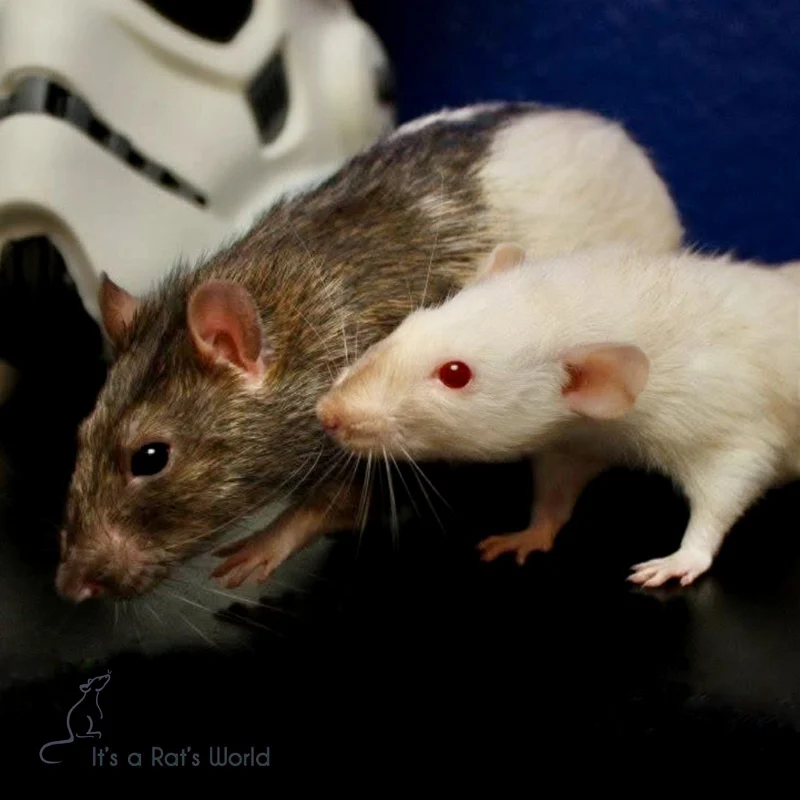
A common query among prospective rat owners revolves around the decision between male and female rats as pets. While individual personalities can vary significantly, a closer examination of typical characteristics, behaviors, and biological differences can equip potential owners with the knowledge to make an informed choice. This guide delves into the nuances of male and female rats, drawing on expert observations and common experiences within the rat-keeping community.
Physical Distinctions: Size and Scent
One of the most readily apparent differences between male and female rats lies in their physical attributes, primarily size. On average, adult male rats are larger than their female counterparts. Males typically measure between 10 to 12 inches in length, excluding their tails, and weigh approximately 450 to 650 grams (about 1 to 1.4 pounds). In contrast, females usually range from 9 to 10 inches in length, again without their tails, and weigh between 350 to 450 grams (approximately 12.3 ounces to 1 pound).
However, these are averages, and individual variations are common. Some male rats may be smaller than larger females, and vice versa. For instance, exceptionally large male rats have been recorded weighing up to 2 pounds (907 grams). This variability underscores the importance of assessing individual animals rather than relying solely on generalized statistics.

Beyond size, a distinct olfactory difference exists between intact males and females, often described as a notable aromatic divergence. Female rats commonly possess a pleasant, slightly sweet scent, frequently likened to grape soda or fabric softener, sometimes with underlying floral notes. This aroma is generally considered appealing by many owners.
Intact male rats, on the other hand, produce a scent often described as reminiscent of warm corn tortillas or tortilla chips. This scent is a byproduct of "buck grease," an oily secretion from their backs. While this may sound less appealing, many owners find it to be surprisingly mild and not unpleasant, especially when the rats are clean. This oil production can sometimes lead to skin irritation for the males, necessitating occasional cleaning with unscented baby wipes or damp paper towels. Neutering male rats often significantly reduces or eliminates buck grease, leading to softer fur and a more neutral scent, sometimes resembling the grape-like aroma of females.
Behavioral Tendencies: Energy Levels and Social Dynamics
When considering the behavioral aspects of pet rats, a common perception is that males are more laid-back and inclined to cuddle, while females are more energetic and less prone to prolonged physical affection. However, personal experiences within the rat-keeping community suggest that these generalizations may not always hold true.
Young male rats can exhibit considerable activity, and not all adult males are inherently "lazy" or inclined to be held. While some males may indeed become more sedentary with age, particularly after neutering, their desire for physical contact varies greatly from one individual to another. Similarly, while some females are highly active, many, like their male counterparts, settle into a more relaxed demeanor as they mature.
The hormonal cycles of female rats, known as being "in heat," which occur approximately every four to five days, can influence their behavior, potentially leading to restlessness, hyperactivity, or agitation. However, many pet female rats are spayed at a young age, mitigating these hormonal influences and potentially contributing to a more consistent temperament.
A more significant behavioral divergence often observed between the sexes emerges as rats reach social maturity, typically between six to nine months of age for males. During this period, some male rats may undergo a personality shift, becoming more easily agitated, irritable, or even aggressive towards cagemates or owners. While this is not universal, it is a recognized phase that can necessitate intervention, such as neutering, which often helps to temper these behaviors.
Introductions to new rats, particularly other males, can also present a greater challenge with intact males. Even typically docile males may display territorial behavior and aggression during these introductions. This territoriality does not imply an inherent inability for males to coexist, but it underscores the need for careful and patient introduction processes, potentially involving separate housing or neutering if aggression poses a risk.
Female-to-female introductions, while generally perceived as less stressful than male-to-male introductions, can also present challenges. Some mature female rats may exhibit territoriality towards newcomers, though this tendency often subsides as they age. Overall, many experienced owners find female rats to be more amenable to introductions with new cagemates compared to intact males.

Another notable behavioral difference is urine marking. Intact male rats are significantly more prone to marking their territory, including their owners and their surroundings, with urine. While some males cease this behavior once they feel settled, others may continue throughout their lives. Female rats are considerably less likely to engage in urine marking.
Furthermore, female rats are often reported to be easier to litter box train than males. However, it is important to note that consistent 100% litter box usage is rare for both sexes, and owners should be prepared for occasional accidents.
The Impact of Sterilization: Health and Behavior Modifications
Sterilization, through spaying in females and neutering in males, plays a crucial role in mitigating certain health risks and influencing behavior in pet rats.
Preventing Unplanned Litters: The most immediate and obvious benefit of sterilization is the prevention of unwanted litters. Rats are prolific breeders, with females capable of producing litters of 8 to 18 pups. If housing both sexes together, or even in close proximity where escapes are possible, sterilization of at least one individual is essential to avoid accidental pregnancies.

Minimizing Health Risks: Sterilization offers significant health benefits for both sexes, though the implications are arguably more pronounced for females. Female rats are highly susceptible to hormone-related health issues, particularly mammary tumors. They are also at risk for ovarian and uterine diseases. Spaying females, ideally between three to six months of age, can dramatically reduce their likelihood of developing these conditions, thereby extending their lifespan and improving their quality of life. While some sources suggest later spaying is still beneficial, the consensus among trusted rat health resources points to earlier intervention as being most effective. The spay procedure itself is more invasive than a neuter, and associated costs can be considerable, but the preventative health benefits are widely considered to outweigh these factors for female rats.
Male rats can also develop hormone-related tumors, such as pituitary tumors, and are at risk for testicular cancer, though the latter is less common. Neutering can help reduce the incidence of testicular cancer and may also mitigate behavioral issues like aggression and urine marking. However, current research provides less definitive information on whether neutering male rats significantly reduces their risk of mammary or pituitary tumors compared to the impact of spaying on females.
Behavioral and Physiological Improvements: As mentioned, neutering males can lead to a significant reduction in aggression, urine marking, and the production of buck grease. It can also help prevent the formation of vesical proteinaceous plugs, commonly known as penis plugs, which can occur in older or less mobile males.
Co-habitation and Social Bonds
The possibility of housing male and female rats together, or maintaining separate-sex groups, offers unique opportunities for observing their social dynamics. While introductions between rats can sometimes be challenging, regardless of sex, many owners find joy in observing the bonds that form.

Cross-sex cohabitation, with one or both rats sterilized, can lead to the formation of strong interspecies friendships. In some cases, these bonds can be deeply affectionate and even poignant. Stories abound of male rats showing profound care and devotion to their female companions, staying by their side during illness and mourning their loss.
Ultimately, whether an individual chooses male rats, female rats, or a mixed-sex group, the decision should be based on a thorough understanding of their individual needs and the commitment required for responsible pet ownership. Both sexes offer immense companionship and unique personalities that enrich the lives of their human caretakers. However, the paramount consideration for any owner considering housing multiple rats, or even just different sexes, is to ensure that pregnancy is prevented through appropriate sterilization procedures. Consulting with a veterinarian is crucial for determining the optimal timing and benefits of spaying and neutering for individual rats.

