


Molting is a natural, cyclical process fundamental to avian health, ensuring birds maintain robust, functional plumage essential for flight, insulation, and protection. During this period, old feathers are shed, and new ones emerge, a phenomenon often marked by the appearance of "pin feathers." These spiky protrusions can cause concern for bird owners due to their unusual appearance and the discomfort they may inflict upon pets. This guide delves into the biology of pin feathers, differentiates them from more serious conditions like blood feathers, and outlines best practices for supporting a bird through a healthy molt, emphasizing comfort and well-being while recognizing when veterinary intervention is necessary. Understanding this critical phase is paramount for any bird owner committed to their avian companion’s health and happiness.
The Molting Cycle: A Chronology of Feather Renewal
The emergence of pin feathers is a key stage in the intricate process of molting, a physiological necessity for all birds. Molting typically occurs one to two times annually, influenced by factors such as species, age, hormones, nutrition, and environmental conditions like light cycles. This cyclical event ensures the replacement of worn, damaged, or soiled feathers, which are vital for flight efficiency, thermoregulation, and defense against environmental elements.
The process of feather replacement is not haphazard; it follows a well-orchestrated biological timeline:
Initial Shedding and Follicle Activation
The molting process begins with the shedding of old, mature feathers. This triggers the feather follicles beneath the skin to become active, initiating the growth of new feathers. Unlike hair, feathers are complex epidermal outgrowths made primarily of keratin, and their growth is a highly energy-intensive process. The body allocates significant metabolic resources to this renewal, making proper nutrition critical.
Early Growth: The Tender Phase
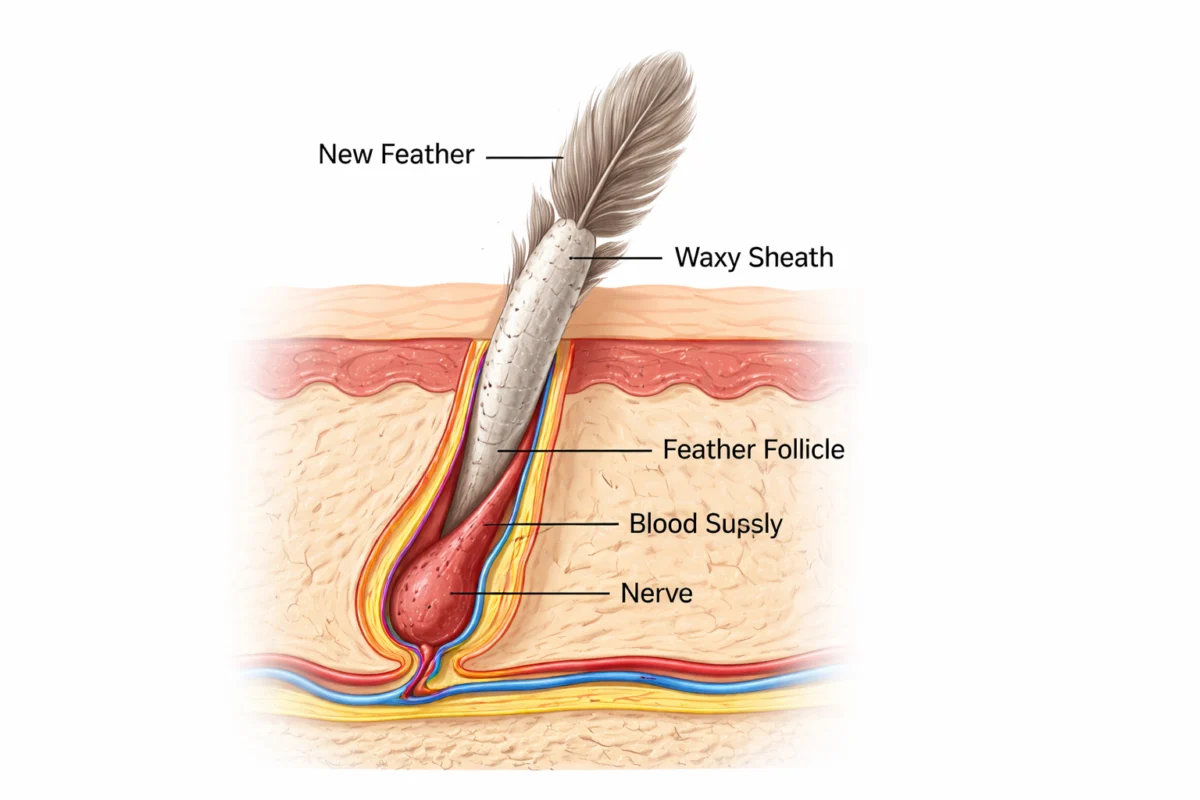
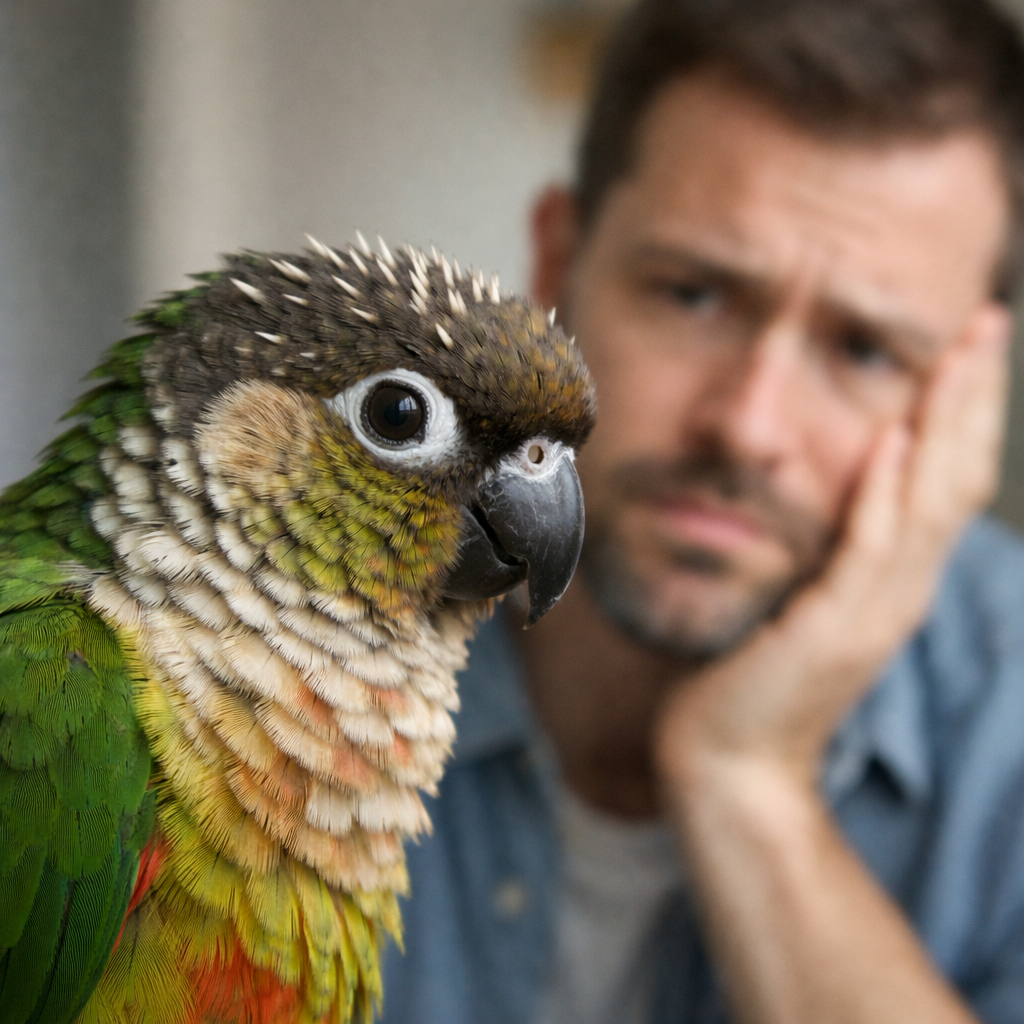
Each new feather begins as a small, cylindrical structure encased in a protective keratin sheath, emerging through the skin. At this nascent stage, these "pin feathers" are still connected to a network of tiny blood vessels, which supply the necessary nutrients and oxygen for rapid growth. This vascular connection makes the early pin feathers incredibly sensitive. Any pressure, squeezing, or accidental breakage can cause significant discomfort, pain, and potentially minor bleeding. Visually, they appear as pale or whitish spikes, often concentrated on areas like the head and neck, where they are most noticeable due to the thinner feather coverage. During this phase, birds may exhibit increased sensitivity to touch and might shy away from handling, particularly in affected areas. Owners should exercise extreme caution, avoiding direct manipulation of these tender pins.
The Itchy Phase: Keratin Sheath Drying
As the feather continues to grow and mature within its protective sheath, the blood supply gradually recedes. The keratin sheath, which initially provided structural support, begins to dry out and becomes brittle. This drying process often leads to intense itching, which is what most owners readily observe. Birds in this stage frequently increase their preening activity, rubbing against perches or cage bars, and engaging in focused scratching. This seemingly behavioral irritation is, in fact, a physical response to the discomfort caused by the tightening, flaky sheath. It’s a natural attempt by the bird to break down and remove the sheath, allowing the new feather to unfurl. This phase can look alarming to owners, as the bird may appear disheveled or even frantic in its efforts to alleviate the itch. This stage can last for days to weeks, depending on the individual feather and the bird’s overall health.
The Release Phase: Sheath Flaking and Feather Unfurling
Once a pin feather is fully developed beneath the sheath, the dry keratin flakes off completely, allowing the pristine, new feather to unfurl and settle into its proper position. This stage marks the end of the discomfort for that particular feather. Fine, white flakes, often resembling dandruff, are a common byproduct of this process as the sheaths disintegrate. The bird’s comfort significantly improves during this phase, and the plumage gradually regains its smooth, well-groomed appearance. This continuous cycle of shedding and regrowth ensures that a bird’s plumage remains in optimal condition throughout its life. The synchronous nature of feather growth, where groups of follicles in the same area activate simultaneously, explains why a bird can suddenly appear "spiky" or "unkempt" during a molt. This clustered emergence is a biological efficiency, allowing for systematic feather replacement across the body.
Distinguishing Pin Feathers from Blood Feathers: A Critical Differentiation
While all new feathers are initially "blood feathers" in their early growth stages due to their vascular supply, the term "blood feather" typically refers to larger, more substantial growing feathers that still have an active blood supply, particularly those in the wings or tail. The distinction is crucial for owners, as the implications of damaging a blood feather are far more significant than those of a small body pin feather.
Pin Feathers
These are generally smaller, new feathers across the body, often appearing in clusters on the head, neck, and torso. While they are sensitive and can bleed if broken in their early, tender phase, the blood supply is relatively minor, and bleeding typically ceases quickly with light pressure.
Blood Feathers
These are larger feathers, predominantly found in the wings and tail, which are thicker and take a longer time to complete their growth. Because of their size and the extended growth period, they retain a more substantial blood supply for a longer duration. A broken blood feather in these areas can be particularly problematic due to the larger diameter of the blood vessel within the feather shaft.
Why the Distinction Matters
The primary concern with a broken blood feather is the potential for significant, uncontrolled bleeding. Given their larger vascular connection, a broken blood feather can lead to considerable blood loss, which, especially in smaller avian species, can rapidly become a life-threatening emergency. The hollow shaft of a blood feather acts like a conduit, continuously siphoning blood until the feather is either clotted or professionally removed.
Emergency Protocol for a Broken Blood Feather
Should a blood feather break, immediate action is paramount:
- Apply Direct Pressure: Gently but firmly apply pressure to the bleeding shaft with a clean gauze pad or tissue. Maintain pressure for several minutes to allow clotting to begin.
- Use a Clotting Agent: If bleeding persists, apply a commercial avian styptic powder (e.g., Kwik Stop) or an inert agent like cornstarch or flour directly to the bleeding tip of the feather shaft.
- Monitor Closely: After bleeding stops, observe the bird for 30-60 minutes. Reapply the clotting agent once or twice if minor bleeding recurses.
- Seek Veterinary Care: If bleeding continues beyond 10-15 minutes despite pressure and clotting agents, appears heavy, or if the owner is unsure of control, immediate contact with an avian or exotics veterinarian is essential.
- Crucial Warning: Under no circumstances should an owner attempt to pull a blood feather. This procedure is extremely painful, can exacerbate bleeding, and risks permanent damage to the feather follicle, potentially preventing future feather growth in that spot. Removal should only be performed by a qualified avian veterinarian or trained professional who can assess the situation and perform the extraction safely and effectively.
Understanding Avian Discomfort: Itchiness and Tenderness During Molt
The molting period, particularly when pin feathers are abundant, can be a time of significant discomfort for birds. This discomfort stems from the physiological processes of feather growth and sheath breakdown.
Tenderness and Sensitivity
In their early stages, pin feathers are highly sensitive due to their active blood supply. This sensitivity means that casual handling or even the bird’s own vigorous preening can cause pain. Birds may become more irritable or reactive to touch during this period, signaling their discomfort. It is common for birds to avoid being touched in areas where pin feathers are emerging, and owners should respect these cues to prevent causing distress.
Intense Itchiness
As the keratin sheaths dry and become brittle, they create an irritating sensation akin to a persistent itch. This leads to increased scratching, rubbing against objects, and focused preening attempts. While these behaviors are natural attempts to alleviate discomfort and break open the sheaths, excessive or frantic scratching can sometimes lead to skin irritation or even damage if the bird is overly aggressive. The itchiness often comes in waves, improving as sheaths open, but escalation or fixation suggests a problem.
Behavioral Manifestations
Owners may observe their birds exhibiting specific behaviors indicative of discomfort:
- Increased Preening: More frequent and intense preening, often focused on areas with numerous pin feathers, sometimes to the point of appearing obsessive.
- Rubbing: Pressing their heads or bodies against cage bars, perches, or toys to scratch hard-to-reach areas, especially the head and neck. Head pin feathers tend to bother birds more because they cannot preen these areas easily themselves.
- Irritability: Some birds may become less tolerant of handling, more vocal, or exhibit slight changes in temperament due to persistent irritation.
- Fluffed Feathers: Birds might appear perpetually "fluffed" as they attempt to ease pressure on growing feathers.
It is important for owners to distinguish between normal molting behaviors and signs of distress or illness. While increased preening and rubbing are typical, signs of self-mutilation, rapidly expanding bald patches, or any indication of open wounds are red flags requiring professional attention. Persistent irritation without relief can contribute to fixation, potentially escalating into feather plucking, hence early comfort support helps reduce that risk.
Expert Perspectives and Recommendations for Supporting a Molting Bird
Avian experts, including veterinarians and certified behaviorists like Diane Burroughs, emphasize proactive support during molt to enhance a bird’s comfort and ensure healthy feather growth. The focus is on easing skin irritation, preventing fixation on itching, and protecting delicate new feathers. This guidance is specifically for bird owners observing normal pin feather development and seeking ways to promote comfort without causing harm. It is not intended for birds exhibiting signs of underlying health issues such as open skin lesions, active bleeding, rapid hair loss, feather destruction, or systemic illness (weakness, appetite loss), all of which necessitate immediate veterinary consultation.
Safe Home Support Measures
If a bird is visibly itchy but otherwise acting normally, these steps usually provide meaningful relief:
- Increased Bathing and Humidity: Water softens the keratin sheaths, making them easier to remove and providing immediate relief from dryness and itchiness. Daily misting with plain water, offering a shallow bathing dish, or providing a bird-safe shower perch can be immensely helpful. Maintaining higher humidity levels in the bird’s environment (e.g., with a humidifier) also aids in softening the sheaths and preventing excessive skin dryness.
- Nutritional Enhancement: The molting process is metabolically demanding. Ensuring a diet rich in essential nutrients, particularly those critical for skin and feather health, is vital. This includes:
- Vitamin A: Crucial for epithelial tissue health, including skin and feather follicles. Deficiencies can lead to poor feather quality and skin issues.
- Vitamin E: An antioxidant that supports skin integrity and cellular health.
- Omega Fatty Acids (e.g., Omega-3 and Omega-6): These anti-inflammatory fats promote healthy skin, reduce dryness, and contribute to vibrant, pliable feathers. Sources include flaxseed, chia seeds, and certain avian supplements.
- Protein: Feathers are primarily protein (keratin), so adequate protein intake is essential for robust feather growth. High-quality pelleted diets, alongside fresh vegetables and legumes, ensure sufficient protein.
- Gentle Preening Assistance (Optional and Cautious): While most birds manage independently, some may benefit from gentle assistance, especially with hard-to-reach head and neck feathers. This should only be attempted when:
- The bird is comfortable with handling and trusts the owner implicitly.
- The pin feathers are clearly in the "release phase," with dry, flaky sheaths, and are not tender or actively vascular.
- The owner uses gentle, rolling motions with fingertips, never pulling or squeezing

