


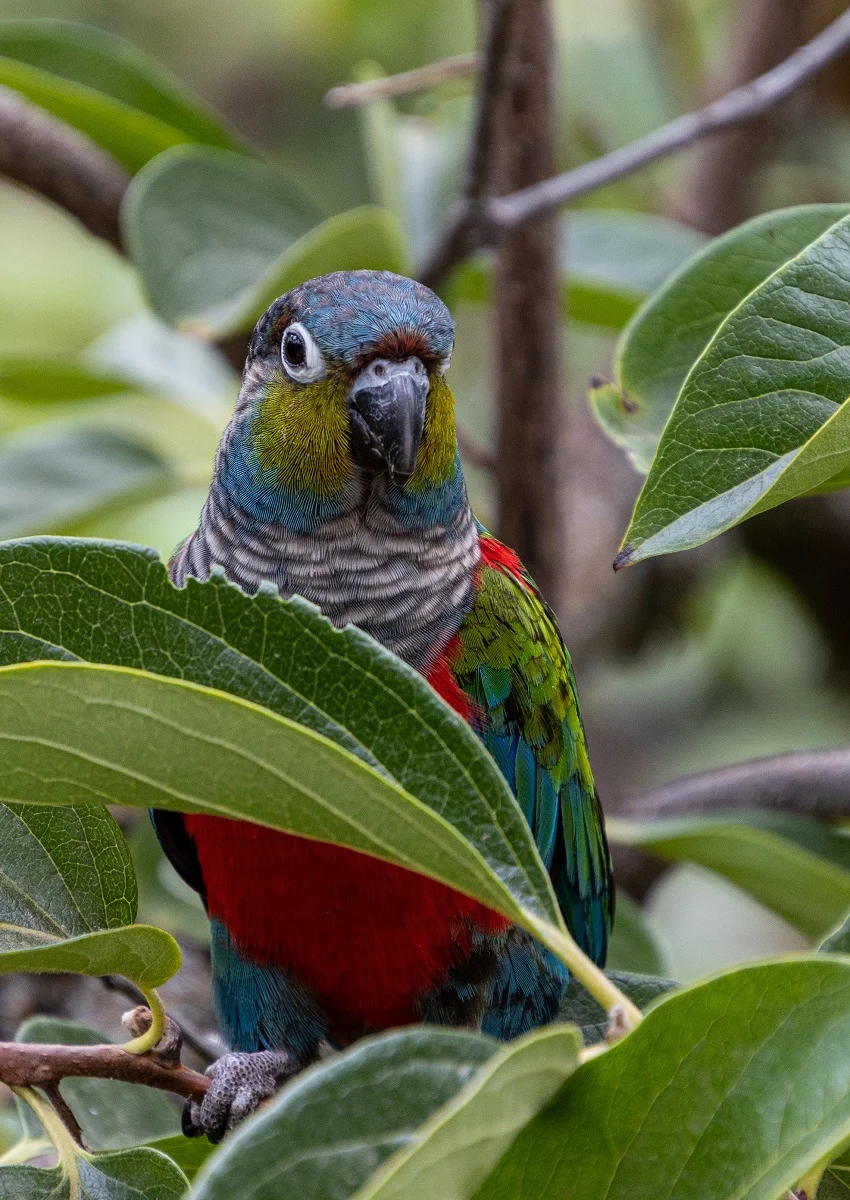
The crimson-bellied conure, also known as the crimson-bellied parakeet (Pyrrhura perlata), stands out as a strikingly colorful and engaging avian species, increasingly recognized for its clownish yet affectionate demeanor, making it a potential addition to the right family, albeit one prepared for a significant long-term commitment. This detailed examination delves into the species’ natural history, biological characteristics, conservation status, and the specialized care required for its well-being in a captive environment, providing a foundational understanding for both enthusiasts and prospective owners.
Classification, Range, and Natural Habitat
The crimson-bellied conure belongs to the genus Pyrrhura, a group of small to medium-sized parakeets primarily found in South America. Its scientific classification, Pyrrhura perlata, distinguishes it within this diverse genus. Naturally occurring within the central South American continent, the species’ primary range encompasses the vast Brazilian Amazon Basin, particularly prominent in the state of Rondônia. Its distribution also extends into the northern regions of Bolivia, where it thrives in specific ecological niches.
Within its natural habitat, Pyrrhura perlata predominantly inhabits "terra firme" forests—rainforest ecosystems that do not experience seasonal flooding, unlike várzea or igapó forests. This preference highlights its adaptation to stable, well-drained environments. These conures are not overly fastidious about forest density, being observed in both dense, primary forest interiors and along forest edges, as well as in secondary growth forests recovering from disturbance. This adaptability suggests a degree of resilience within its native range, though this is increasingly challenged by external pressures.
Wild crimson-bellied conures, much like many other parrot species, are gregarious birds, typically moving in small, cohesive groups. These flocks often engage in interspecies mingling, sometimes associating with other conure species, such as the painted conure, demonstrating a broader social dynamic within their shared ecosystem. For nesting, these birds exclusively utilize hollow trees, a common strategy among cavity-nesting parrots, which provides protection from predators and the elements for their eggs and chicks.
Conservation Status and Threats
Despite ongoing environmental challenges, the International Union for Conservation of Nature (IUCN) Red List currently classifies Pyrrhura perlata as a species of "Least Concern." This designation reflects a relatively stable population across its broad range compared to more critically endangered species. However, the IUCN’s assessment also critically notes a discernible decreasing population trend. This decline is primarily attributed to two significant anthropogenic factors: widespread deforestation across the Amazon Basin and, to a lesser extent, hunting pressures.
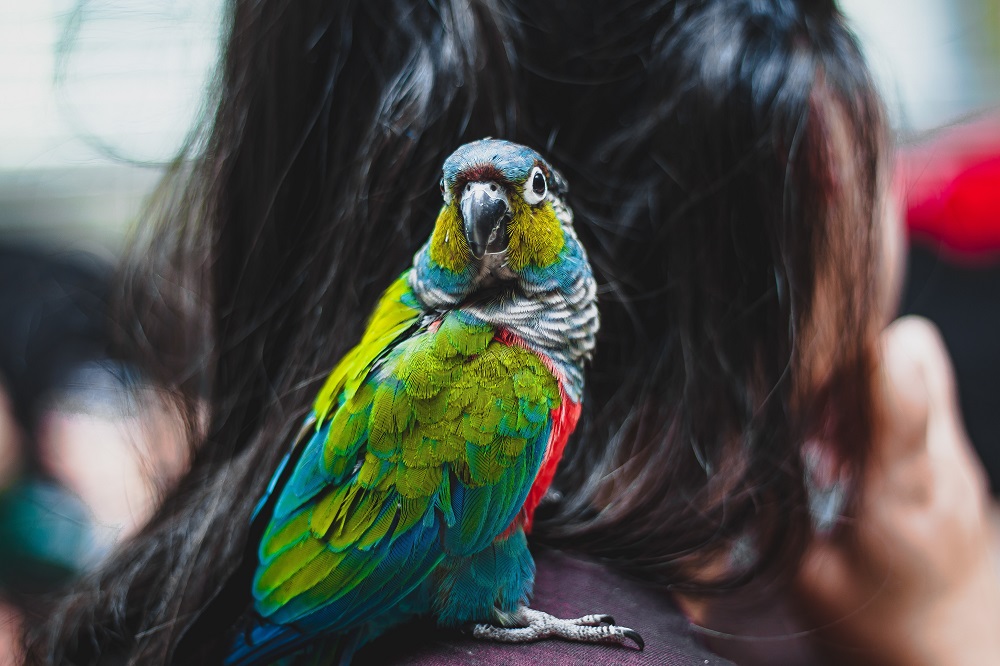
Deforestation, driven by agricultural expansion, logging, mining, and infrastructure development, systematically fragments and degrades the terra firme forests essential for the conure’s survival. While the species’ adaptability to forest edges and secondary growth offers some buffer, the cumulative loss of pristine habitat poses a long-term threat. The illegal pet trade, though not explicitly cited as a primary driver of population decline for Pyrrhura perlata in the same vein as more critically endangered species, nonetheless contributes to pressure on wild populations through capture for commercial purposes. Conservation efforts in Brazil and Bolivia, including protected areas and sustainable land management initiatives, are crucial to mitigating these threats and ensuring the continued viability of the crimson-bellied conure in its native ecosystem.
Distinctive Appearance
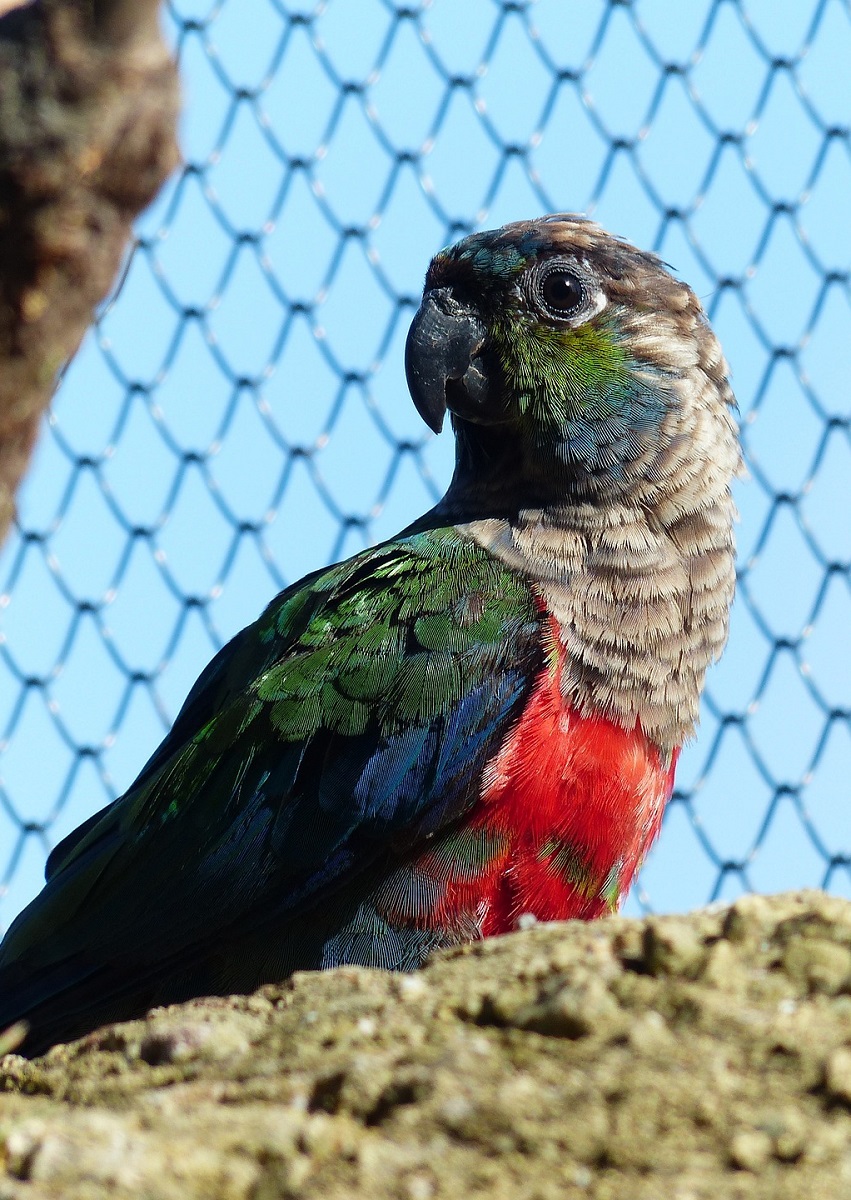
The crimson-bellied conure is renowned for its striking and intricate coloration, a characteristic that sets it apart even within the already vibrant parrot family. As its common name suggests, the most prominent feature is its intensely vibrant, deep crimson belly, which develops fully over approximately the first year of life. Juveniles may exhibit a duller, more muted red or even greenish belly before achieving their full adult plumage.
Beyond the eponymous belly, the species showcases a complex palette:
- Head: A distinct dark brown or blackish-brown crown and nape, transitioning into a vibrant green on the cheeks.
- Eyes: Adorned with conspicuous white eye-rings, providing a stark contrast against the darker head feathers and giving the bird a bright, alert expression.
- Back and Wings: Predominantly green, often with subtle blue or yellowish hues depending on the light and individual variation. The primary flight feathers often exhibit a darker blue or blackish tint.
- Chest and Throat: A beautiful scalloped pattern, typically brown or reddish-brown feathers edged with lighter, often yellowish-white, creating a scaled appearance.
- Tail: A relatively long, tapered tail, dark maroon or brownish-red towards the tip, often appearing dark grey or black from above.
- Beak: A sturdy, black beak, well-suited for cracking seeds and fruits.
- Legs and Feet: Greyish-black, with zygodactyl feet (two toes forward, two backward) ideal for gripping branches and manipulating food.
This small, long-tailed parakeet typically reaches an adult length of approximately 10 inches (25 cm) from beak to tail tip and weighs around 90 grams. A notable characteristic from a breeding perspective is the lack of visible sexual dimorphism; males and females are virtually indistinguishable visually, often requiring DNA testing or surgical sexing for definitive identification.
Dietary Regimen: Wild Foraging to Captive Nutrition
The nutritional requirements of the crimson-bellied conure are intrinsically linked to its natural foraging behaviors and the biodiversity of its Amazonian habitat. Understanding its wild diet provides critical insights into formulating a comprehensive and healthy captive diet.
Wild Diet:
In the rich, biodiverse forests of the Amazon, these conures exploit a wide array of food sources. Their diet is largely frugivorous and granivorous, centered around:
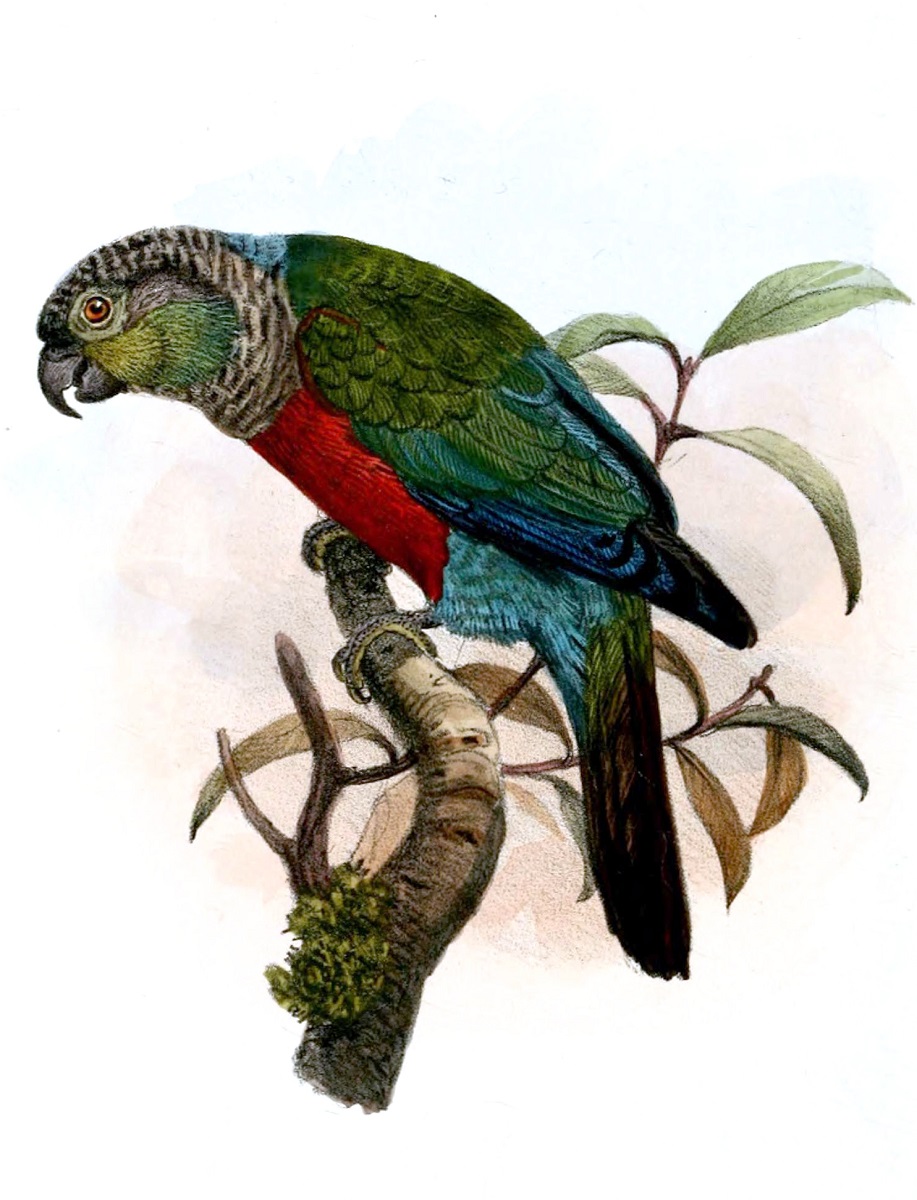
- Fruits: Wild figs (Ficus species) are a favored food, alongside a variety of other seasonal fruits from diverse rainforest trees. These provide essential sugars, vitamins, and hydration.
- Seeds: A range of seeds from various trees and plants, which offer fats and proteins crucial for energy and feather health.
- Flowers and Catkins: These provide nectar, pollen, and softer plant matter, contributing to dietary diversity.
- Clay Licks: A fascinating and vital aspect of their wild diet involves visiting geological formations known as clay licks. Here, parrots consume soil rich in minerals, particularly sodium, and kaolin clay, which is believed to neutralize toxins present in some of the fruits and seeds they consume. This behavior is critical for micronutrient intake and detoxification.
Captive Diet:
For a captive crimson-bellied conure to thrive and achieve its full lifespan potential of 20+ years, a meticulously planned and varied diet is paramount. Avian veterinarians, including Psittacology’s resident expert Dr. Daisy, strongly advocate against traditional seed-only diets, which are notoriously high in fat, deficient in essential vitamins (like Vitamin A and D), and low in crucial minerals and amino acids, leading to malnutrition, obesity, and liver disease.
A nutritionally complete captive diet should be structured as follows:
- High-Quality Pellets (Staple): Premium, formulated avian pellets should constitute the primary component (approximately 60-70%) of the daily diet. These pellets are engineered to provide a balanced intake of vitamins, minerals, proteins, and carbohydrates, mimicking the broad nutritional spectrum parrots would acquire in the wild. Brands with veterinary endorsement are preferred.
- Fresh Vegetables (Daily): A diverse array of fresh, bird-safe vegetables should be offered daily. Examples include leafy greens (kale, spinach, romaine lettuce), bell peppers, carrots, broccoli, zucchini, and various sprouts. These provide fiber, vitamins, and antioxidants.
- Fresh Fruits (Regularly): Fruits, while important for vitamins and natural sugars, should be offered in moderation (around 10-15% of the diet) due to their higher sugar content. Safe options include apples (without seeds), berries, melons, mango, and papaya.
- Cooked Grains and Legumes (Occasional): Cooked whole-wheat pasta, quinoa, brown rice, barley, and lentils can offer complex carbohydrates and protein.
- Pesticide-Free Foraged Items: Safe, wild-foraged grasses, dandelions, and other edible plants (ensure they are free from pesticides and pollutants) can add natural variety and enrichment.
- Occasional Treats: Small quantities of nuts (like almonds or walnuts, unsalted), sunflower seeds, or millet sprays can be given as training rewards or special treats, but should not form a significant portion of the diet due to their high fat content.
- Fresh Water: Constant access to fresh, clean water from multiple sources (e.g., a dish and a sipper bottle) is essential for hydration and overall health. Water should be changed at least daily, and dishes cleaned thoroughly to prevent bacterial growth.
The transition from a seed-heavy diet to a pellet and fresh food diet can be challenging for parrots accustomed to seeds. Patience, gradual introduction, and making new foods appealing are key to successful dietary conversion.
Housing Requirements for a Thriving Conure
Despite their relatively small stature, crimson-bellied conures are highly active and intelligent birds requiring substantial space and a stimulating environment to prevent stress and behavioral issues. Providing adequate housing is a cornerstone of responsible ownership.
Cage Dimensions:
The adage "the biggest cage you can accommodate" holds true for Pyrrhura perlata. A minimum cage size of 36 inches (90 cm) wide, 24 inches (60 cm) deep, and 36 inches (90 cm) high is generally recommended for a single bird that will spend a significant portion of its day outside the cage. For birds that cannot be let out regularly, or for a pair, an even larger enclosure or a full indoor aviary is necessary. The bar spacing should be appropriate for small parrots, typically no more than ¾ inch (1.9 cm), to prevent escapes or injuries.
Cage Location and Environment:
The cage should be placed in a central, active part of the home where the bird can feel part of the family, but away from drafts, direct sunlight, and toxic fumes (e.g., from cooking with non-stick cookware, aerosols). Optimal environmental conditions include:
- Temperature: Stable room temperature, generally between 65-80°F (18-27°C).
- Humidity: Moderate to high humidity, mimicking their natural rainforest environment, which can be achieved through misting, humidifiers, or regular bathing opportunities.
- Lighting: Access to natural light is crucial, but direct, unfiltered sunlight should be avoided to prevent overheating. Full-spectrum avian-specific UV lighting (UVA and UVB) is highly recommended for indoor birds to synthesize Vitamin D3 and regulate circadian rhythms, crucial for bone health and overall well-being.
Perches:
A variety of natural wood perches of different diameters and textures should be provided. These are essential for foot health, preventing pressure sores (bumblefoot) that can result from constant pressure on uniform plastic or dowel perches. Manzanita, java wood, natural branches (ensure they are bird-safe and pesticide-free), and rope perches are excellent choices. Perches should be strategically placed to allow for climbing and movement, without obstructing flight paths within the cage.

Food and Water Dishes:
Stainless steel dishes are preferred for their durability, ease of cleaning, and hygiene. Multiple dishes for pellets, fresh foods, and water should be available and cleaned daily.
Enrichment and Behavioral Stimulation
Parrots, including crimson-bellied conures, are highly intelligent and social creatures whose mental and physical well-being are intrinsically linked to adequate enrichment. A lack of stimulation can lead to significant stress, boredom, and a range of undesirable behaviors, including excessive screaming, feather plucking (a severe stress response), obesity due to inactivity, and even aggression. Therefore, a comprehensive enrichment program is not merely optional but fundamental to their care.
Types of Enrichment:
- Toys: A diverse rotation of toys is essential. These should include:
- Chew Toys: Soft wood, cardboard, natural fibers (sisal, hemp), and safe plastic toys satisfy their natural urge to chew, keeping their beaks conditioned.
- Foraging Toys: Toys that require the bird to "work" for treats or food items stimulate their natural foraging instincts, providing mental challenge and preventing rapid consumption of meals.
- Puzzle Toys: Toys that require problem-solving to access rewards engage their intelligence.
- Shredding Toys: Paper, cardboard, or natural fiber toys that can be easily torn apart provide an outlet for destructive energy.
- Social Interaction: Crimson-bellied conures are highly social. Daily interaction with their human caregivers is crucial, involving playtime, training sessions, and simple companionship. For owners with limited time, providing a compatible conure companion (after careful introduction and quarantine) can fulfill some social needs, but does not replace human interaction.
- Training: Positive reinforcement training (e.g., target training, step-up command) provides mental stimulation, strengthens the bond between bird and owner, and can be invaluable for routine care and emergency handling.
- Bathing: Regular opportunities for bathing are vital for feather health and hygiene. This can be offered via a shallow dish of water, misting with a spray bottle, or supervised showers.
- Out-of-Cage Time: Supervised free-flight or playpen time outside the cage in a bird-proofed room is paramount for physical exercise and mental exploration. A bird-safe room implies securing windows and doors, covering potential hazards (electrical cords, toxic plants), and removing small ingestible items.
Consequences of Insufficient Enrichment:
When enrichment is neglected, the consequences can be severe. A bored conure may develop stereotypical behaviors such as pacing, constant screaming, or self-mutilation (e.g., feather plucking, skin picking). These behaviors are often self-reinforcing and extremely difficult to reverse once established, leading to a diminished quality of life for the bird and significant distress for the owner. Preventing these issues through proactive enrichment is far more effective than attempting to treat them.
Temperament and Social Dynamics
Conures within the Pyrrhura genus, particularly the green-cheeked conure, are among the most popular pet parrots, celebrated for their engaging personalities. The crimson-bellied conure shares many of these desirable traits, making it an excellent choice for experienced owners or dedicated newcomers prepared for their unique character. They are often described as "loveable rogues" – a testament to their spirited, cheeky, and often comical nature, balanced by a deep capacity for affection.
A well-socialized crimson-bellied conure can form strong bonds with its human companions, often enjoying cuddling, shoulder rides, and head scratches. They are curious and playful, always eager to explore their surroundings and interact with their environment. This inherent curiosity, however, means they have a knack for getting into mischief. Owners must anticipate that anything within beak’s reach will likely be investigated and potentially chewed. Providing appropriate chew toys and parrot-proofing the home are essential preventative measures.
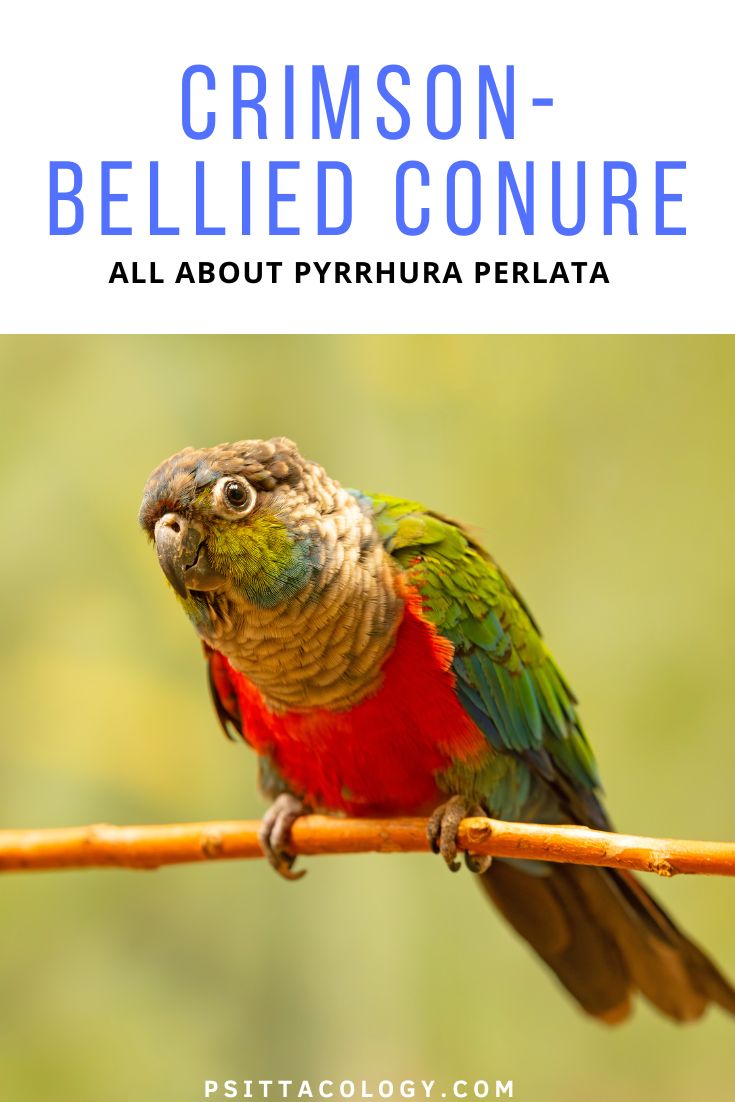
While generally friendly, like all parrots, they can exhibit a "nippy" phase, particularly during adolescence or when overstimulated. Consistent, gentle handling and positive reinforcement training from a young age are crucial for shaping a well-adjusted temperament. Early socialization to various people, sounds, and environments also contributes to a more confident and less fearful adult bird. For individuals seeking a lively, intelligent, and affectionate companion who doesn’t mind a bit of joyful chaos, the crimson-bellied conure can provide decades of rewarding companionship. It is vital to remember that their long lifespan necessitates a commitment to continuous socialization and interaction.
Vocalization and Mimicry Capabilities
Compared to some of their louder conure cousins, crimson-bellied conures are generally considered to have a low-to-medium noise level. This does not imply silence, as no parrot is truly quiet. They possess a range of vocalizations, which include:
- Contact Calls: Used to locate flock members (or human companions) and maintain social cohesion. These are often softer chirps or whistles.
- Alarm Calls: Louder, sharper shrieks or squawks emitted when startled, excited, or perceiving a threat.
- Contentment Sounds: Soft chattering, purring, or gentle chirps when relaxed or engaging in bonding activities.
Owners should anticipate periods of louder vocalization, particularly during dawn and dusk, or when the bird is excited, seeking attention, or feeling distressed. Exposure to their calls, such as those available on platforms like xeno-canto, or visiting an owner with a crimson-bellied conure, is highly recommended for prospective owners to gauge their tolerance for the species’ typical noise level.
Regarding speech mimicry, Pyrrhura conures are not typically regarded as highly talented talkers when compared to species like African Greys or Amazons. While individual birds may learn a few words or phrases, many never develop a clear speaking ability. They are, however, adept at mimicking household sounds, such as phone rings, microwave beeps, or even animal noises. Their imitation abilities are more geared towards environmental sounds than complex human speech. The capacity for mimicry in parrots is a complex neurological trait, influenced by individual intelligence, training, and environmental stimulation.
Lifespan and Long-Term Commitment
One of the most significant considerations when contemplating the adoption of a crimson-bellied conure is its impressive longevity. With optimal care, a balanced diet, a stimulating environment, and regular veterinary check-ups, Pyrrhura perlata can live for 20 years or more. This extended lifespan means that acquiring a conure is not merely a pet ownership decision but a profound, decades-long commitment akin to raising a child.
Prospective owners must critically assess their capacity to provide consistent care, financial resources for food, caging, toys, and veterinary emergencies, and emotional dedication over this long period. Life changes such as moving, career shifts, or family growth must be considered in the context of the bird’s needs. The responsibility extends to ensuring provisions for the bird’s care should the owner become unable to provide it, highlighting the necessity of careful long-term planning. The bond forged with a crimson-bellied conure can be incredibly rewarding, but it demands an unwavering commitment to its welfare for its entire, extensive life.
Ethical Considerations and Responsible Ownership
Responsible ownership of a crimson-bellied conure extends beyond daily care to encompass ethical sourcing and a broader understanding of the species’ place in the world.
- Sourcing: Prospective owners should seek out reputable breeders who prioritize the health and welfare of their birds, provide clean and spacious environments, and engage in ethical breeding practices. Avoiding wild-caught birds is crucial to discourage the illegal pet trade and support conservation efforts.
- Veterinary Care: Establishing a relationship with an experienced avian veterinarian is non-negotiable. Regular wellness checks, emergency preparedness (understanding common parrot ailments and emergency first aid), and proactive health management are vital for a long and healthy life.
- Continuous Learning: The field of avian care is constantly evolving. Responsible owners commit to continuous learning, staying informed about best practices in nutrition, enrichment, training, and behavioral management.
- Advocacy: Supporting organizations dedicated to parrot rescue, rehabilitation, and conservation can contribute to the broader welfare of avian species, including Pyrrhura perlata.
In conclusion, the crimson-bellied conure is a captivating species, offering a unique blend of vibrant aesthetics and an engaging personality. Its increasing popularity as a companion animal underscores its charm, but also highlights the critical need for comprehensive understanding and responsible stewardship. For those prepared to embrace the substantial, multi-decade commitment, the rewards of sharing life with these intelligent and affectionate "loveable rogues" are immeasurable.

