


In a significant move to bolster constitutional protections for journalists and the general public, a bicameral group of federal lawmakers has introduced a landmark piece of legislation aimed at curbing the harassment of individuals filming law enforcement activities. Senator Richard Blumenthal and Representative Maxwell Frost officially introduced the Right to Record Act of 2026, a bill designed to provide a clear legal pathway for individuals to sue federal law enforcement officers who interfere with their First Amendment right to document police conduct. The legislation arrives amid a climate of increasing tension between federal agents and members of the press, particularly during large-scale demonstrations and immigration-related enforcement actions.
The proposed act specifically targets the actions of federal officers, including agents from Immigration and Customs Enforcement (ICE), the Federal Bureau of Investigation (FBI), and the U.S. Marshals Service. By creating a private right of action, the bill allows videographers, photojournalists, and bystanders to seek civil compensation if their rights are infringed upon through threats, harassment, physical assault, or the seizure and destruction of recording equipment. This move is intended to close a perceived loophole in federal law that often shields federal agents from the same level of civil liability faced by state and local police officers under existing civil rights statutes.
Legislative Framework and the Private Right of Action
The core of the Right to Record Act of 2026 is the establishment of a statutory right to record federal law enforcement officers in the discharge of their duties in public spaces. While the U.S. Supreme Court and several circuit courts have previously recognized a First Amendment right to record police, the enforcement of this right against federal agents has remained legally complex due to the doctrine of qualified immunity and the limitations of the "Bivens" remedy—a judicial precedent that allows for lawsuits against federal officials in limited circumstances.
Under the new bill, the definition of a violation is broad and inclusive of various forms of interference. Prohibited actions by federal officers would include:
- Preventing or attempting to prevent an individual from recording, observing, or peacefully protesting law enforcement activities.
- Pursuing an individual to a different location to stop them from filming.
- Conducting surveillance on an individual for the purpose of intimidation.
- Demanding identification from a person solely because they are recording.
- Commanding an individual to cease recording without a legitimate, narrowly tailored safety justification.
- Seizing, damaging, or destroying cameras, smartphones, or storage media.
By codifying these protections, the Right to Record Act seeks to ensure that "the right to record" is not merely a theoretical concept but an enforceable legal standard.
Catalyst for Reform: The Delaney Hall Protests
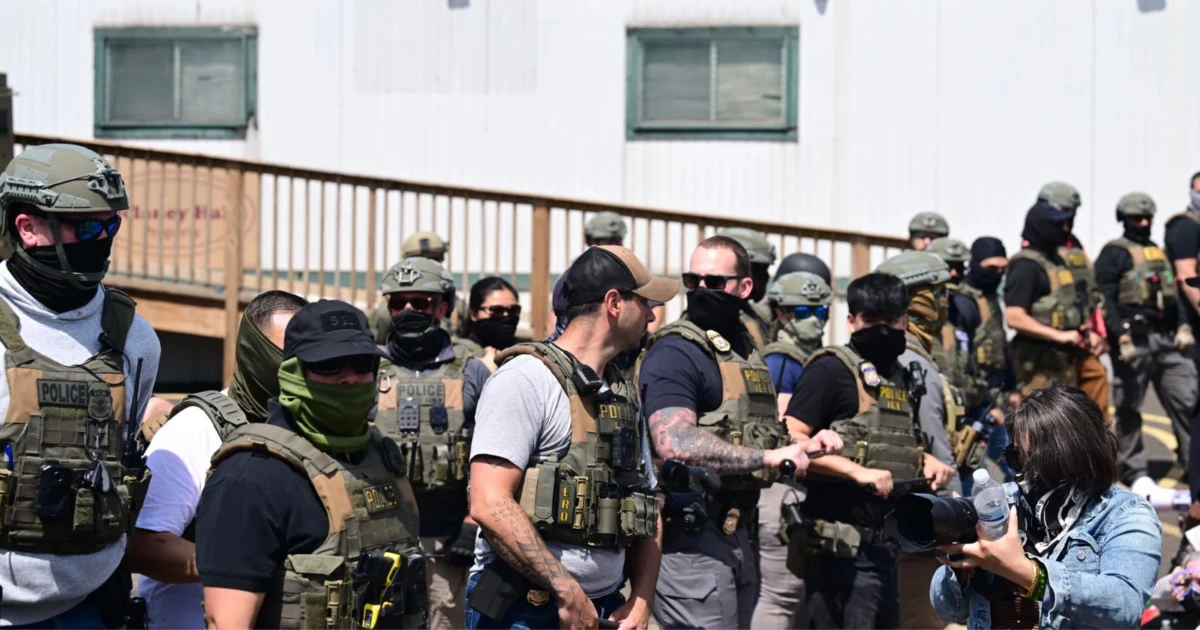
The impetus for this legislation can be traced back to a series of high-profile incidents occurring in the spring of 2026. On May 26, 2026, a large-scale protest erupted outside the Delaney Hall immigration detention center in Newark, New Jersey. The facility, which houses detainees under the jurisdiction of ICE, became a flashpoint for activists and photojournalists documenting the conditions of the center and the tactics used by federal agents to manage the crowd.
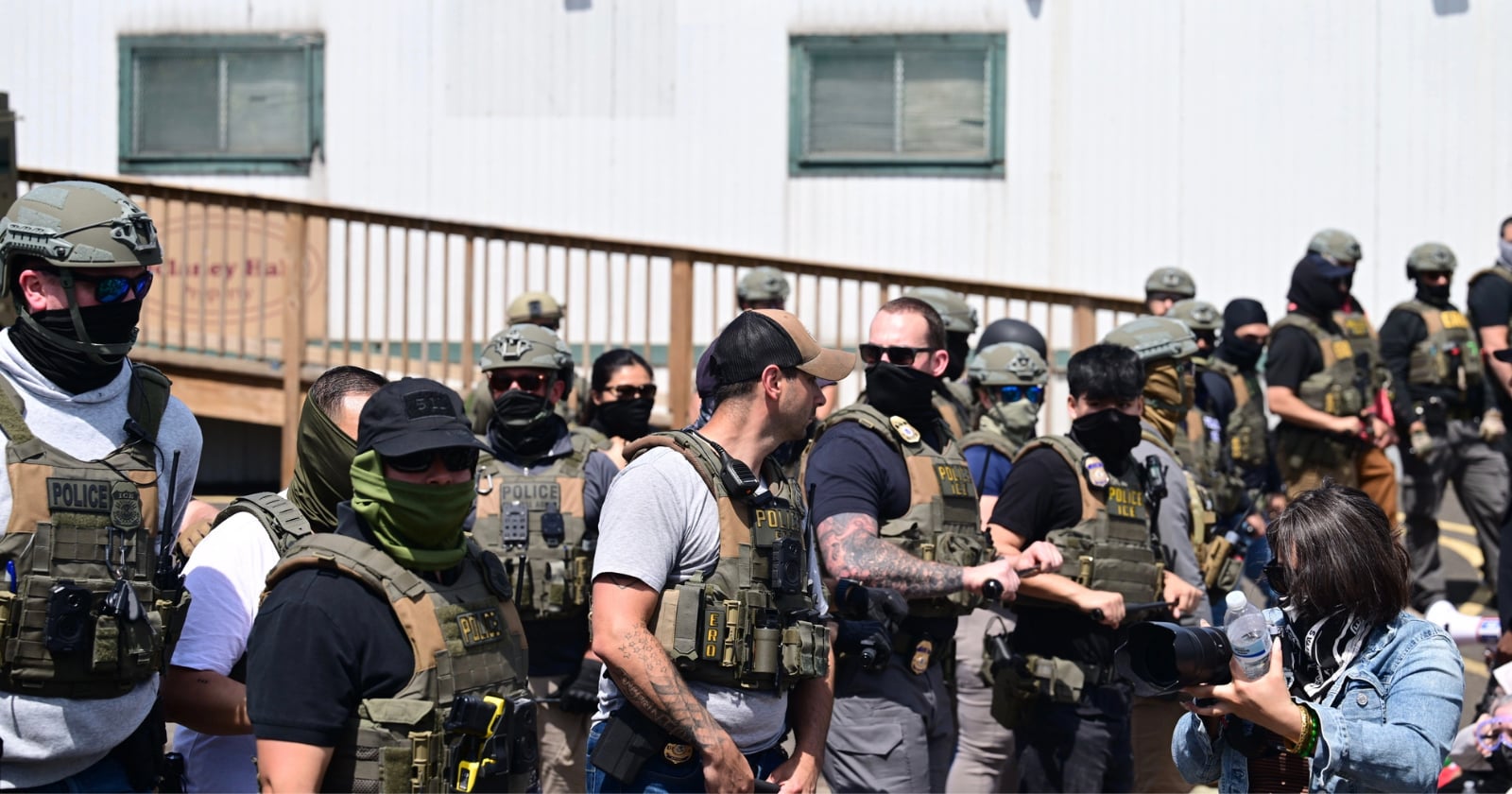
During these protests, multiple photojournalists reported being targeted by ICE agents wearing tactical gear and face coverings. Detailed accounts emerged of agents physically assaulting photographers, knocking cameras out of their hands, and, in several documented cases, confiscating high-end professional equipment. One specific incident involved a police sergeant allegedly stealing a photographer’s camera bag, leading to formal criminal charges and fueling a national debate over the lack of transparency in federal operations.
The reports from Delaney Hall indicated that the interference was not accidental but appeared to be a coordinated effort to prevent the public from seeing the methods used by agents during the dispersal of the crowd. Senator Blumenthal noted that his office investigated dozens of cases over the past year where video footage was the only tool capable of corroborating testimony from individuals who claimed they were brutalized by government agents.
Chronology of Events Leading to the Legislation
The path to the introduction of the Right to Record Act of 2026 follows a timeline of escalating conflict and legal challenges:
- May 26, 2026: Protests at Delaney Hall result in clashes between ICE agents and demonstrators. Photojournalists report targeted harassment and equipment theft.
- June 1, 2026: National press freedom organizations and local news outlets publish investigative reports detailing physical injuries sustained by journalists at the hands of federal agents in Newark.
- June 5, 2026: A local police sergeant is charged with the theft of a photographer’s camera bag, an incident that occurred in the presence of federal agents who allegedly failed to intervene.
- June 12, 2026: The American Civil Liberties Union (ACLU) files a major lawsuit against ICE, accusing the agency of failing to comply with Freedom of Information Act (FOIA) requests regarding its internal policies on surveillance and the treatment of photographers.
- Last Week: Senator Blumenthal and Representative Frost formally introduce the Right to Record Act of 2026 in both chambers of Congress.
Addressing the Accountability Gap
A primary concern for the bill’s sponsors is the "accountability gap" that exists between different levels of law enforcement. For decades, 42 U.S.C. § 1983 has provided a mechanism for citizens to sue state and local officials for constitutional violations. However, no such broad statutory equivalent exists for federal officers.
Historically, the "Bivens" doctrine allowed for some federal accountability, but recent Supreme Court rulings have significantly narrowed its scope, making it nearly impossible for citizens to sue federal agents for First Amendment violations. The Right to Record Act of 2026 explicitly creates a federal cause of action, effectively bypassing the hurdles created by recent judicial shifts and providing a clear mandate for the courts to hear these cases.
Representative Maxwell Frost emphasized that the legislation is about more than just protecting journalists; it is about the fundamental right of every citizen to hold their government accountable. "When federal agents act in the dark, without the check of a camera lens, the potential for abuse grows exponentially," Frost stated during a press briefing. "This bill ensures that those who seek to hide their actions by breaking cameras or bullying citizens will face the consequences in a court of law."
Support from Civil Liberties Organizations
The bill has garnered significant endorsements from a wide array of civil liberties and press freedom groups. The ACLU has been a vocal proponent, linking the bill’s necessity to its ongoing litigation against ICE. The organization argues that federal agencies have developed a culture of impunity, often treating the presence of cameras as a threat rather than a protected activity.
Legal analysts suggest that if the bill passes, it could lead to a wave of litigation that would force federal agencies to overhaul their training protocols. Currently, many federal agents are not required to undergo the same rigorous First Amendment training that many municipal police departments have adopted following high-profile civil rights settlements.
Broader Implications for Press Freedom and Public Transparency
The implications of the Right to Record Act of 2026 extend far beyond the borders of New Jersey or the specific events at Delaney Hall. If enacted, the law would represent one of the most significant expansions of First Amendment enforcement in the 21st century.
From a journalistic perspective, the bill provides a much-needed layer of protection for freelancers and independent media makers who often lack the legal resources of large corporate newsrooms. The ability to sue for damages, including the replacement cost of expensive camera gear and legal fees, acts as a deterrent against the "smash and grab" tactics sometimes used by law enforcement to suppress footage.
Furthermore, the bill addresses the modern reality of digital documentation. In an era where every smartphone is a potential witness, the act recognizes that the "right to record" is a universal civil right. It protects the bystander who films an arrest on a city street just as much as the professional photojournalist covering a national crisis.
Potential Challenges and Opposition
While the bill has strong support among civil libertarians, it is expected to face opposition from law enforcement unions and some conservative lawmakers. Critics may argue that the bill could lead to "frivolous lawsuits" that distract federal agents from their duties or that it could compromise the safety of officers by encouraging individuals to get too close to active crime scenes or sensitive operations.
To address these concerns, the bill includes language specifying that the right to record does not include the right to physically interfere with a law enforcement action. However, the burden of proof would lie with the officer to demonstrate that the individual was actually obstructing justice, rather than merely documenting it from a safe distance.
Conclusion: A Step Toward Transparency
The introduction of the Right to Record Act of 2026 marks a pivotal moment in the ongoing struggle for police transparency and government accountability. By providing a concrete legal remedy for the violation of First Amendment rights, Senator Blumenthal and Representative Frost are seeking to ensure that the "foundation of our democracy"—the right to observe and criticize the state—remains intact.
As the bill moves through the legislative process, it will likely serve as a barometer for the current political will to reform federal law enforcement practices. For the photojournalists who stood outside Delaney Hall, and for the countless others who have had their lenses covered or their equipment seized, the act represents a long-awaited promise that their work is not only valued but legally protected.

