


The widespread prevalence of seed-only diets among companion birds represents a significant and often overlooked challenge in avian welfare, contributing to a host of preventable health issues. For many bird owners, the thought of transitioning their beloved pet from a familiar seed diet to a more nutritionally complete pelleted one is fraught with anxiety, often encapsulated by the fear, "My bird only eats seeds. If I take them away, will they starve?" This apprehension is precisely why successful pellet conversion demands a well-structured, evidence-based methodology rather than relying on guesswork or emotional reactions. Organizations like BirdSupplies.com are committed to empowering bird lovers with the knowledge and tools to implement proper avian nutrition, ensuring a transition free from panic, shame, or dangerous food battles. This detailed guide explores proven pellet conversion strategies, offering insights into selecting the most appropriate method for an individual bird while prioritizing their health and safety.
The Nutritional Imperative: Why Seed Diets Fall Short
For decades, many companion birds, including parrots, cockatiels, budgies, and conures, have been sustained primarily on seed mixes. While seeds are a natural food source for wild birds, commercial seed mixes often lack the broad spectrum of nutrients essential for a captive bird’s long-term health. These diets are typically high in fat and carbohydrates but critically deficient in essential vitamins (like Vitamin A), minerals (such as calcium), and crucial amino acids. This nutritional imbalance can lead to a range of severe health complications, including obesity, liver disease, kidney dysfunction, feather plucking, weakened immune systems, and chronic vitamin deficiencies. Such conditions not only diminish a bird’s quality of life but also significantly shorten their lifespan, making diet conversion a vital intervention for preventive care.
The evolution of avian nutrition science has led to the development of commercial pellets, which are formulated to provide a balanced and complete diet, addressing the specific nutritional requirements of various bird species. Pellets integrate a precise blend of grains, vegetables, fruits, and fortified vitamins and minerals, ensuring that every bite contributes to optimal health. The challenge, therefore, lies not in the availability of superior nutrition, but in the successful transition of birds accustomed to less healthy, yet highly palatable, seed-based diets.
Addressing Owner Concerns: The Fear of Starvation
The concern that a bird might starve rather than eat an unfamiliar food is a legitimate one, and it underscores the necessity of a controlled and monitored conversion process. Unlike some mammals, birds can be highly resistant to dietary changes, associating new foods with potential threats. Avian veterinarians consistently stress that unsupervised or abrupt dietary changes can pose significant health risks, emphasizing the necessity of a methodical approach that carefully tracks a bird’s physiological responses. Key indicators such as body weight, the quantity and quality of droppings, appetite, and energy levels must be diligently observed throughout the conversion period. A gram scale is considered an indispensable tool for this process, allowing owners to track even minor fluctuations in weight, which can be critical for tiny birds.
This guide is specifically designed for bird owners who are ready to commit to a structured training regimen, typically involving several interactions daily over approximately a week. It is not about forcing a bird to eat but rather about systematically teaching them that new foods are safe and beneficial, all while safeguarding their weight, maintaining a healthy appetite, ensuring normal droppings, and preserving their energy levels. The goal is a gradual, positive learning experience, moving away from fear-driven decisions.
Structured Strategies for Successful Conversion
Recognizing that every bird possesses a unique temperament and learning style, there is no universal "best" method for pellet conversion. Instead, three evidence-based strategies have been developed, each tailored to different bird personalities and owner capabilities.
-
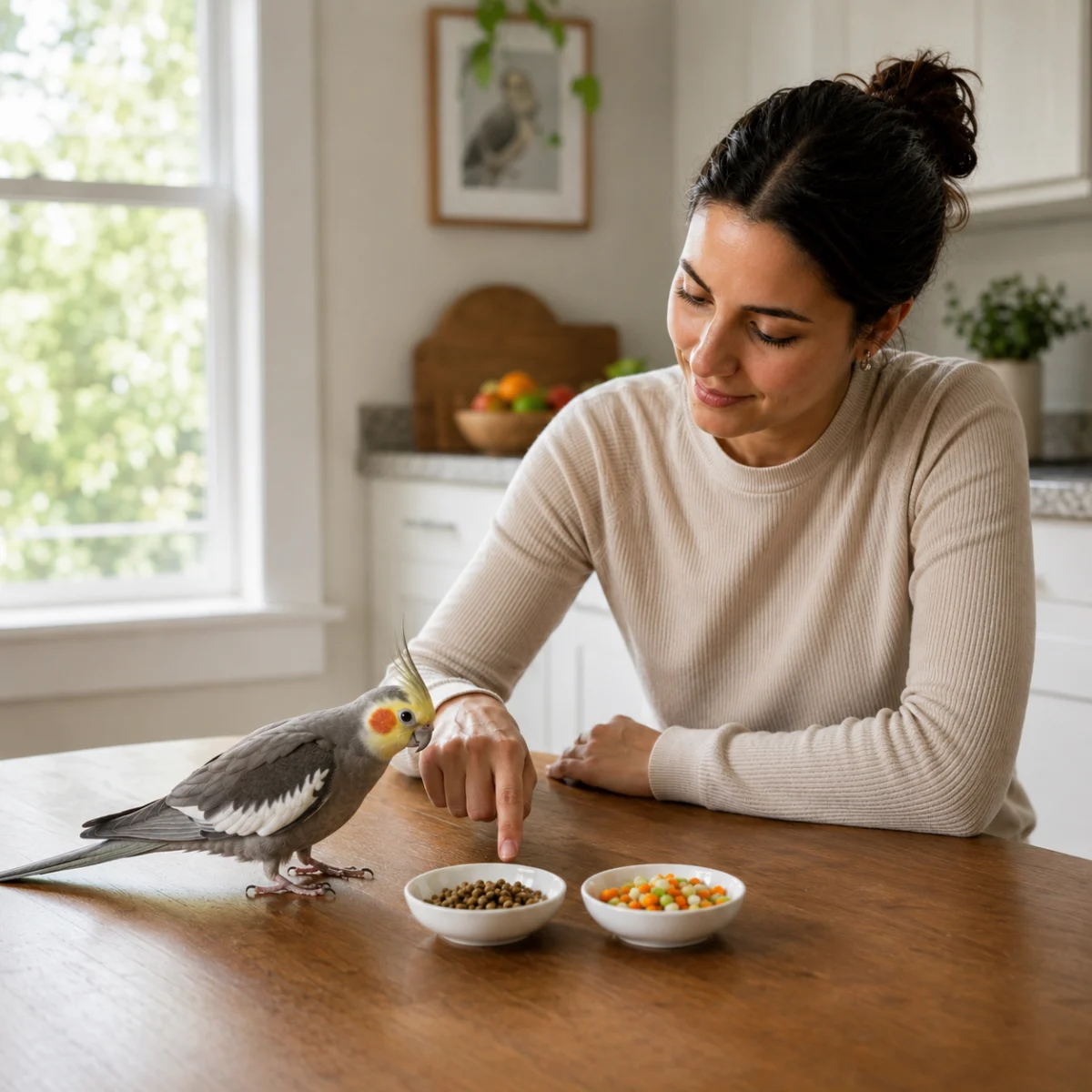
Birdie’s Choice: This highly interactive method is ideal for birds that are naturally curious, social, finger-tame, and enjoy interaction and exploration. It involves offering a selection of pellet types in a low-pressure, engaging environment, often with the owner nearby, providing praise and positive reinforcement. The owner might tap near the pellets, feign interest in them, or model eating them to signal safety and desirability. The pellet most frequently interacted with by the bird then becomes the primary choice for integration into their regular feeding routine. This method is less suitable for fearful, aggressive, or untame birds, or for owners unable to provide close supervision.
-
Slow and Steady: This structured, timed-feeding approach is particularly effective for cautious, routine-driven, or less tame birds who may be easily overwhelmed by change. It involves offering pellets at predictable times throughout the day, particularly when the bird is naturally inclined to forage. Familiar seed-based food is provided in carefully controlled, smaller portions and gradually reduced over time. The key to this method’s success lies in consistent adherence to the tapering plan, preventing the bird from learning that refusing pellets will simply result in more seed. Owners must resist the urge to add more seed out of fear, as this can undermine the entire process.
-
Tough Love: This method involves maximizing pellet exposure and minimizing opportunities for selective eating. It is best suited for healthy, selective birds who are adept at picking around pellets, dumping bowls, or holding out for seeds, and for those who may already consume a variety of foods but specifically resist pellets. The strategy aims to make pellets difficult to avoid, often by placing them in multiple preferred locations while offering a small, controlled amount of familiar seed in a less accessible spot. Crucially, "Tough Love" does not equate to starvation. It demands rigorous monitoring of weight, droppings, and behavior. This method is strictly contraindicated for sick, underweight, elderly, very tiny, egg-bound, or medically fragile birds unless under direct guidance from an avian veterinarian. It also requires calm consistency from the owner, as panic-driven reintroduction of seed will render it ineffective.
The Conversion Process: A Phased Approach
The journey of diet conversion can be broken down into distinct phases, each critical for ensuring both efficacy and safety.
Phase 1: Preparation and Assessment
Before initiating any dietary change, a thorough assessment of the bird’s health is paramount. While a healthy adult bird may not always require a vet visit for every diet improvement, an avian veterinarian consultation is strongly recommended if the bird is elderly, underweight, sick, egg-laying, medically fragile, or exhibiting any symptoms of illness. A vet can provide a baseline health check and offer guidance on the safest pace for conversion. During this phase, owners must acquire a gram scale and establish a baseline weight for their bird, weighing them daily at the same time to track trends accurately. Owner commitment is also crucial, as success hinges on willingness to engage with the bird multiple times daily and meticulously monitor safety signs.
Phase 2: Active Conversion (The "Week" Concept)
The initial week of active conversion is pivotal, as birds learn through repetition, routine, and consistent exposure. Regardless of the chosen method, daily engagement is non-negotiable. This involves regularly checking food intake, observing behavior, refreshing pellets to maintain freshness, and creating frequent opportunities for pellet consumption. This is not a passive process of simply placing pellets in a bowl and hoping for the best; it requires active participation and strategic placement to encourage interaction and consumption. Owners should aim for a structured routine, offering pellets at times when the bird is naturally most active or prone to foraging.
Phase 3: Monitoring and Adjustment
Safety is the paramount concern throughout conversion. Owners must diligently monitor several critical indicators:
- Weight: Use the gram scale daily. A loss exceeding 3% of body weight in one week, or a total loss greater than 10% during the entire conversion period, signals an immediate need to pause the conversion and contact an avian veterinarian.
- Droppings: Observe changes in frequency, color, consistency, and volume. A significant decrease in droppings or the appearance of abnormal droppings (e.g., watery, discolored, or very small) warrants veterinary attention.
- Appetite and Water Intake: Note any decrease in interest in food or water.
- Activity Level and Behavior: Watch for signs of lethargy, fluffed feathers, weakness, sleepiness, shakiness, decreased responsiveness, labored breathing, or a dramatic change in typical behavior. These are not normal signs of "pellet conversion" and demand immediate veterinary consultation.
It is crucial to understand that pausing the conversion process is not a failure. It signifies prudence and responsiveness to the bird’s needs, indicating that a safer pace, an alternative method, a different pellet type, or veterinary support may be required. The ultimate mission remains improved nutrition without jeopardizing the bird’s health or well-being.
Beyond Pellets: Integrating Fresh Foods
Pellets establish a vital nutritional foundation, but they are not intended to be the entirety of a bird’s diet. Once a bird successfully transitions to pellets, demonstrating acceptance of new foods, the same training mindset can be applied to introduce a wider variety of appropriate vegetables, greens, sprouts, and "chop" (a finely minced mix of fresh produce). These fresh foods offer essential micronutrients, hydration, and crucial enrichment, stimulating natural foraging behaviors and adding sensory variety.
Birds may initially reject fresh foods for the same reason they resisted pellets: unfamiliarity. The principles of repeated exposure, routine presentation, modeling interest, experimenting with different textures (e.g., grated, steamed, raw, minced), and maintaining a low-pressure environment remain highly effective. The goal is not instant acceptance but rather a continuous learning journey. Seeds, once the diet’s cornerstone, can then be repurposed as controlled treats for training, bonding, or enrichment purposes, thereby ceasing to dominate the bird’s nutritional intake.
The Myth of Mixing: Why "Hoping for the Best" Fails
A common misconception among bird owners is that simply mixing pellets into a seed bowl will encourage consumption. However, many birds are experts at selective eating, meticulously picking out the familiar seeds and leaving the unfamiliar pellets untouched. A bowl that appears balanced can, therefore, mask an ongoing seed-heavy intake, rendering the diet imbalance unresolved.
Structured conversion methods circumvent this issue by utilizing separate pellet dishes, timed offerings, and strategic placement. This approach not only makes it easier for owners to monitor actual pellet consumption but also helps birds categorize pellets as a distinct and normal food source, rather than just "weird stuff mixed with seed." This separation of food types provides critical data for decision-making, moving away from subjective guesswork.
Furthermore, owner fear can inadvertently reinforce seed refusal. When an owner, out of anxiety for their bird’s well-being, repeatedly reintroduces seeds whenever the bird hesitates with pellets, the bird quickly learns to manipulate the situation, waiting for the preferred food. This behavior is not a deliberate act of defiance but a learned response to a perceived reward. A structured method protects both the bird from inadequate nutrition and the owner from the emotional distress of perceived food battles, ensuring a more objective and effective approach to diet improvement.
Expert Consensus and Long-Term Welfare
Avian experts universally agree that a balanced diet is the cornerstone of pet bird health and longevity. The process of pellet conversion, while requiring dedication and patience, is a long-term investment that yields significant dividends in the form of healthier, happier, and more vibrant birds. Research, such as a 2022 study in the Journal of Avian Medicine and Surgery by Cummings et al., highlights the efficacy of structured conversion methods in transitioning psittacine birds from seed-based diets to pelleted ones, underscoring the scientific basis for these strategies.
The availability of comprehensive guides, like the Bird Diet Conversion Guide referenced by BirdSupplies.com, provides owners with detailed, step-by-step instructions for implementing these methods safely. Such resources equip owners to navigate feeding schedules, monitor safety signs effectively, avoid common pitfalls, and make necessary adjustments based on their bird’s individual progress. Ultimately, a bird’s journey to better nutrition should be a guided learning experience, free from pressure and fear, aligning with their natural learning patterns. The objective is continuous, steady progress away from seed dominance, ensuring the bird’s weight, confidence, and overall safety are maintained.
Conclusion
The transition from a seed-heavy diet to a balanced, pellet-based diet, supplemented with fresh foods, is one of the most impactful changes a bird owner can make for their companion’s health. While the initial prospect may seem daunting, employing evidence-based strategies such as Birdie’s Choice, Slow and Steady, or Tough Love, coupled with meticulous monitoring and a commitment to safety, makes this vital transformation achievable. By prioritizing structured training over food battles and understanding when to seek expert veterinary guidance, owners can successfully guide their birds toward a future of enhanced health and well-being, ensuring that the pursuit of better nutrition never puts their cherished companion at risk.
References:
Cummings, A. M., Hess, L. R., Spielvogel, C. F., & Kottwitz, J. J. (2022). An evaluation of three diet conversion methods in psittacine birds converting from seed-based diets to pelleted diets. Journal of Avian Medicine and Surgery, 36(2), 145–152. https://doi.org/10.1647/21-00025

