



The summer months often inspire a sense of wanderlust, prompting many to plan vacations and escape the everyday. For pet owners, however, this can present a logistical challenge, particularly when it comes to animals with specialized care needs. While dogs and cats are common travel companions, the prospect of bringing pet rats on a road trip might seem unusual, even daunting. However, for experienced rat owners, incorporating these intelligent and social creatures into travel plans can transform a typical vacation into a uniquely memorable adventure. This comprehensive guide explores the considerations, preparations, and practical advice for embarking on a road trip with your rat companions, drawing on insights from seasoned travelers and animal care experts.
The Case for Rat Road Trips: Beyond the Conventional Pet Sitter Dilemma
The decision to travel with pet rats often stems from the inherent difficulties in finding suitable care for them when away. Unlike more common pets, finding a pet sitter with specific experience in rat husbandry can be a significant hurdle. Many well-meaning friends or family members may not possess the knowledge to recognize subtle signs of illness, administer specialized diets, or manage the unique social needs of rats. This lack of confidence can lead to considerable stress for the owner.

Brandi Saxton, an advocate for rat welfare and owner of "It’s A Rat’s World," has firsthand experience with this challenge. Her extensive travels across the United States, including to destinations like Northern Arizona, Southern California, and Colorado, as well as a cross-country expedition, highlight the feasibility of bringing rats along. "Sometimes it’s just easier to take them with you than deal with the stress of leaving them behind," Saxton notes. While acknowledging that "easier" might be an overstatement, she emphasizes that it undeniably makes a trip "much more memorable and adventurous." This perspective shifts the focus from a burden to an opportunity for shared experience, provided thorough planning and preparation are undertaken.
Acclimatizing Your Rats: Gradual Exposure for Smoother Journeys
Rats, by nature, thrive on predictability and familiarity. A sudden disruption of their environment can induce anxiety. Therefore, the key to successful travel lies in gradually acclimatizing them to new experiences before the main journey. Saxton recommends a phased approach:
-
Neighborhood Walks: Introducing rats to the outdoors in a controlled manner is crucial. Using a breathable bonding pouch or a small cloth bag with soft bedding allows them to experience new sights and smells safely. During these outings, owners can gently interact with their rats, offering reassurance and positive reinforcement. The duration and intensity of these walks should be adjusted based on the individual rat’s comfort level, progressing from short excursions to longer ones. This process helps them associate novel environments with safety and positive interactions.

-
Short Car Rides: Similar to acclimatizing them to walks, short car journeys serve as excellent preparation. Taking rats along for short errands, such as picking up children from school, provides them with exposure to the motion of a vehicle, engine sounds, and the changing scenery outside. These brief rides, typically under 30 minutes, allow owners to observe their rats’ reactions. Many rats exhibit curiosity and excitement when presented with new olfactory stimuli, which can alleviate their apprehension towards car travel. It is imperative to monitor weather conditions during these practice runs, avoiding extreme temperatures that could pose a health risk to the animals.
Selecting the Ideal Travel Accommodation: The Crucial Role of the Cage
The cornerstone of a safe and stress-free travel experience for rats is the selection of an appropriate travel cage. The primary goal is to create an environment that minimizes upheaval and provides a sense of security. Ideally, the travel cage should mimic the comfort and space of their home enclosure as much as possible.
Saxton’s experience during a seven-week road trip, which included a five-week work assignment at the Smithsonian’s American Art Museum in Washington, D.C., underscores the importance of a well-chosen cage. Faced with the prospect of being separated from her four rats for an extended period, she prioritized their well-being by investing in a large, albeit less portable, cage. This "home away from home" needed to accommodate four rats comfortably, fit within the confines of her car, and provide ample space for enrichment items like hammocks, a space pod, and a litter box. She opted for the largest cage that could reasonably fit in her vehicle, recognizing that reduced out-of-cage time during travel necessitated a more spacious primary enclosure.

This substantial cage, while requiring two people to maneuver in and out of the car, proved invaluable. It served not only as their primary residence during the lengthy trip but also as a safe haven during unexpected emergencies, such as an air conditioning failure at home. The rats exhibited significantly more relaxed behavior in this larger enclosure compared to smaller, more portable cages typically used for veterinary visits. While the specific model, "The Rat Lodge" by Martin’s Cage, is no longer in production, the principle remains: prioritize size and comfort when selecting a travel cage, even if it means sacrificing some portability. For shorter excursions or stops, a traditional cat carrier can serve as a secondary, more manageable option.
Packing for Your Rodent Companions: A Comprehensive Checklist
Effective packing is paramount for ensuring your rats’ comfort and health throughout the journey. A dedicated bag for their supplies is essential, erring on the side of over-preparation to avoid unforeseen shortages. A meticulously compiled list, based on Saxton’s extensive travel experience, includes:
- Hydration: At least two water bottles with their corresponding cage attachments are vital. Clean, fresh water is non-negotiable, and having backups ensures continuous access. It is recommended to use filtered water, especially when the quality of local tap water is unknown.
- Nutrition: A sufficient supply of dry rat food, along with food dishes for both dry and fresh items, is necessary. A small cooler packed with pre-cut fresh fruits and vegetables, along with rat-specific snacks, will provide variety and essential nutrients.
- Hygiene and Comfort: A small bottle of dish soap, a scrubber, and a bottle brush are essential for daily cleaning of water bottles and food dishes. Extra bedding, including fleece, litter box material, and hammocks, will maintain a comfortable and familiar sleeping environment. Bonding pouches, huts, or pillowcases offer safe spaces for nervous rats and facilitate out-of-cage time. Large rat blankets are useful for protecting furniture at your destination and for providing warmth or shade.
- Sanitation: Paper towels, unscented wet wipes, and antibacterial wipes are indispensable for spot cleaning, managing accidents, and maintaining personal hygiene. Trash bags are necessary for the disposal of waste and soiled bedding.
- Health and Safety: An emergency medicine kit, particularly for elderly or ill rats, is a critical component of preparedness. This should include any prescription medications your rats require, along with basic first-aid supplies.
The Rationale Behind Thorough Packing: Preparedness for the Unexpected
The comprehensive packing list is not merely a suggestion but a proactive measure against a myriad of potential travel challenges. The inclusion of extra food and water is a critical contingency plan, especially in scenarios where the vehicle may break down, leaving the travelers stranded for an extended period, particularly in adverse weather conditions.
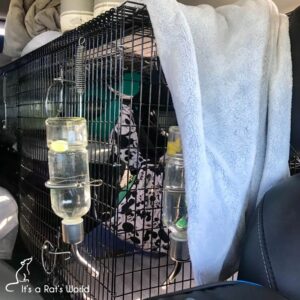
The daily cleaning of water bottles is a non-negotiable hygiene practice. Bacteria can proliferate rapidly in stagnant water, posing a significant health risk. Having multiple water bottles allows for a seamless swap during cleaning, minimizing disruption to the rats’ hydration routine and providing a crucial backup in case of breakage or malfunction, an event Saxton has personally experienced.
Environmental control within the vehicle is another key consideration. Direct sunlight can lead to overheating and discomfort for rats due to their sensitivity to UV rays. Protective measures, such as windshield shades or strategically placed blankets and towels, can mitigate these risks. Conversely, during colder months, these same coverings can provide essential insulation around the cage base.
The large rat blankets serve a dual purpose: protecting furniture at lodging locations and providing a safe surface for supervised out-of-cage time. Bonding pouches and huts offer secure retreats for anxious rats, allowing them to feel more secure in unfamiliar surroundings. These pouches can also be used to safely hold rats on one’s lap during short car rides, enhancing their sense of security.

The inevitability of cage cleaning during a trip necessitates efficient sanitation tools. Wet wipes are ideal for quick spot cleaning, and trash bags are essential for containing soiled materials to be transported back.
A common travel-related issue for rats is digestive upset, often manifesting as mushy stools. This can be exacerbated by stress or dietary changes. The inclusion of paper towels, wet wipes, extra bedding, and trash bags becomes invaluable in managing these situations, preventing mess and maintaining hygiene. The inclusion of bananas in the packing list is based on a practical remedy passed down through generations. Saxton recalls an experience in the 1990s where a piece of banana, administered to her rat Rory who was suffering from digestive issues, effectively firmed up his stools. This simple, natural remedy has since become a staple in her travel preparedness.
Navigating Pet-Friendly Accommodations and Travel Warnings
Finding suitable lodging for travelers with pets can be a challenge. Websites like PetsWelcome.com offer resources for identifying pet-friendly hotels. However, it is crucial to directly confirm with each establishment that they indeed accommodate rats, as policies can vary. To ensure the utmost safety of your rats, it is advisable to utilize the "Do Not Disturb" sign on your hotel room door when you are away. This prevents housekeeping staff from entering the room unsupervised, minimizing the risk of accidental exposure or escape. Furthermore, always check the thermostat settings before leaving your rats unattended in the room to ensure a comfortable and safe temperature.

The paramount rule of traveling with any pet, including rats, is never to leave them unattended in a vehicle. The temperature inside a car can fluctuate drastically and rapidly, posing a severe threat to their health. Even for brief stops, it is imperative to leave the car running with the air conditioning or heating engaged, depending on the ambient temperature, to prevent heatstroke or hypothermia.
Constant vigilance regarding the water bottle’s functionality is also necessary. Uneven surfaces or the angle of the cage can sometimes affect the water pressure, leading to leaks or making it difficult for the rats to drink. Regular checks ensure they have consistent access to hydration.
An Adventure Worth Cherishing: The Enduring Rewards of Traveling with Rats
While the prospect of traveling with pet rats may initially seem daunting, the experience can be profoundly rewarding. Saxton’s personal accounts reveal that these journeys have not only created cherished memories but have also fostered deeper bonds with her rats, particularly those who were initially more reserved. The shared adventures, the challenges overcome together, and the simple joy of having beloved companions by one’s side can enrich the travel experience immeasurably. While it may demand more planning and effort than traveling without them, the companionship and unique adventures that arise from including your rats in your road trip plans can be an experience unlike any other, creating a tapestry of memories that last a lifetime.

