


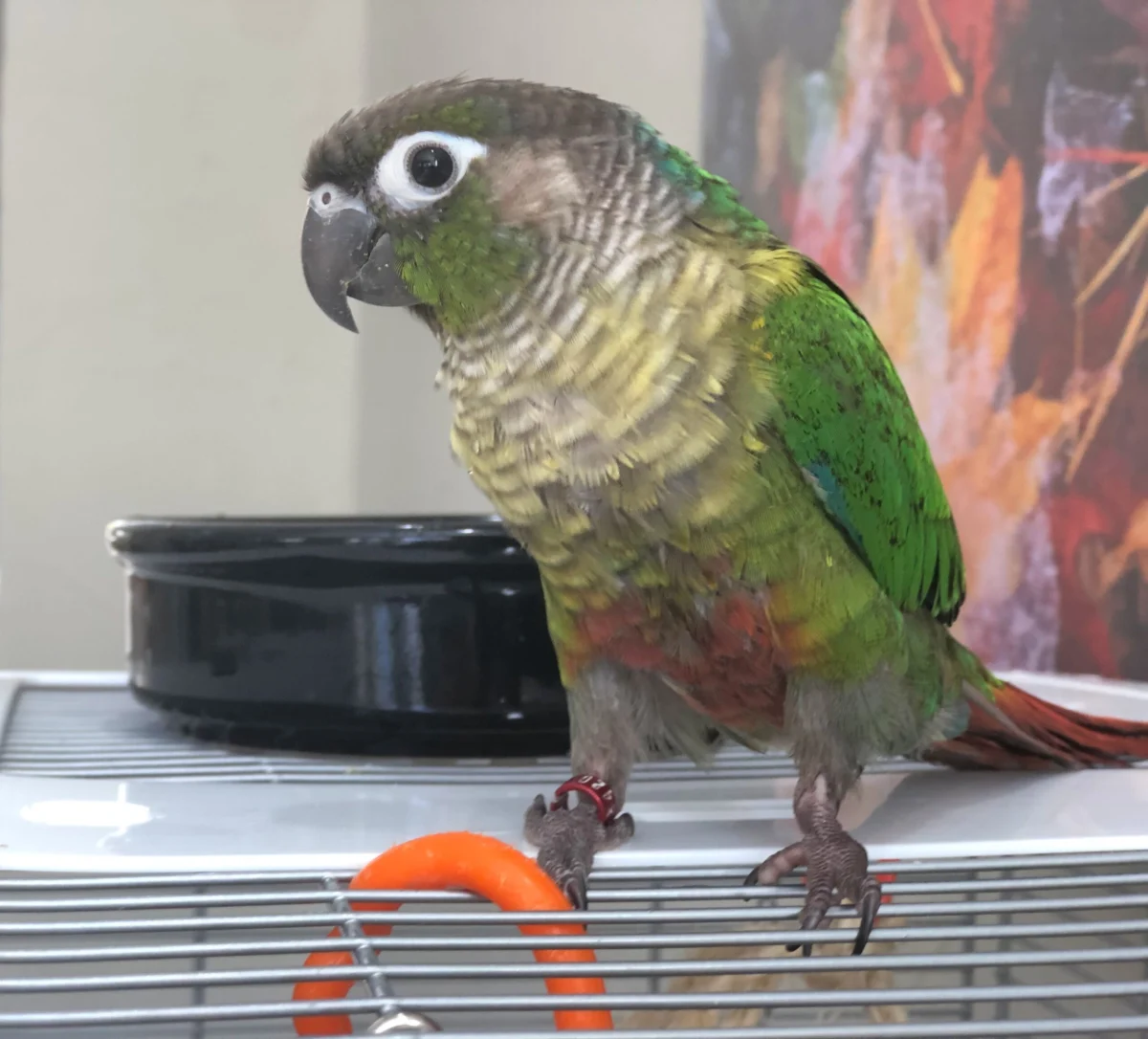
Indoor bird owners frequently observe their avian companions exhibiting signs of discomfort, including increased itchiness, excessive feather dust, frequent scratching, or general unease, particularly during the colder winter months or periods of molt. These symptoms, while often appearing concerning, are frequently rooted in environmental factors, primarily dry indoor air, and can be effectively managed with informed care. However, it is crucial for owners to distinguish between normal, environmentally induced irritation and more serious signs that necessitate immediate veterinary intervention.
Understanding the Problem: Normal vs. Concerning Symptoms
The initial step for any bird owner is to accurately assess the nature of their bird’s discomfort. Many common signs of irritation are directly attributable to dry indoor conditions or the natural process of molting, while others signal a need for professional medical attention.
Usually Normal Signs (Often Linked to Dry Air or Molt):
- Increased Preening: Birds may preen more frequently as they attempt to spread natural oils and alleviate dryness or discomfort from emerging pin feathers.
- Minor Feather Dust: A slight increase in the fine, powdery dust (keratin particles) characteristic of many parrot species can indicate dry skin or feathers.
- Occasional Scratching: Similar to humans, birds may scratch to relieve minor itchiness.
- Dulling of Feather Sheen: Feathers might appear less vibrant or healthy due to lack of moisture or impaired preen oil distribution.
- Mild Flakiness: Small, dry flakes visible on the skin or falling from feathers.
- "Crinkly" or Brittle Feathers: Feathers may feel drier to the touch or appear more easily bent or damaged.
Concerning Signs (Not Caused by Dry Air Alone and Require Veterinary Care):
- Open Wounds or Bleeding Feathers: Any breach of the skin barrier or active bleeding warrants immediate veterinary assessment due to infection risk and potential underlying trauma.
- Bald Patches or Severe Feather Loss: While molting involves feather shedding, bald patches that expose skin, or feather loss outside of a typical molt pattern, indicate a more serious issue such as disease, parasites, or severe plucking behavior.
- Sudden Behavior Changes: Lethargy, loss of appetite, changes in droppings, aggression, or a general decline in activity levels are critical indicators of illness.
- Persistent, Aggressive Plucking or Feather Destruction: If a bird is actively pulling out feathers, breaking feather shafts, or mutilating its plumage to the point of skin exposure, this is beyond normal preening and demands prompt veterinary attention.
- Signs of Pain or Discomfort: Vocalizations of pain, favoring a limb, or reluctance to move.
If any of these concerning signs are observed, an avian or exotics veterinarian should be contacted without delay. Attempting to manage these severe symptoms at home without professional diagnosis can exacerbate the problem and delay critical treatment.
The Role of Humidity: A Deeper Dive into Environmental Impact
Many pet bird species originate from tropical or subtropical regions where ambient humidity levels are significantly higher than the typical indoor environment, particularly during colder months when central heating systems dry the air. For instance, species like African Greys or Amazons thrive in environments with 60-80% relative humidity, while average indoor humidity in heated homes can plummet to 20-30%. This stark contrast profoundly impacts avian physiology.
Feathers, akin to human hair and nails, are composed primarily of keratin, a protein that requires adequate moisture to maintain its structural integrity, flexibility, and natural sheen. When exposed to prolonged dry air, feathers can become brittle, dry, and prone to breakage. The skin beneath the feathers also suffers, becoming dry, itchy, and susceptible to irritation. The preen gland, which produces oils vital for waterproofing and conditioning feathers, may struggle to function optimally in arid conditions, leading to further discomfort.
While baths offer temporary relief, the rapid recurrence of itchiness and dustiness often signals that the underlying issue is environmental dryness rather than a lack of bathing. Birds may appear dusty, flaky, or visibly uncomfortable even with regular bathing, indicating that the ambient air itself is the primary stressor.
Bathing Protocols: Optimizing Avian Hygiene and Comfort
The approach to bathing is often misunderstood. When a bird resists bath time, it is rarely due to an inherent aversion to cleanliness. More frequently, the method of bathing is the source of distress. Birds, like individuals, exhibit strong preferences for how they interact with water.
Avian veterinarians widely advocate for offering birds the opportunity to bathe daily, especially in dry environments, rather than forcing the activity. This bird-led approach respects their natural instincts and preferences, transforming bath time from a potential struggle into a positive, enriching experience.
Effective Bathing Opportunities Include:
- Shallow Dishes: A ceramic or stainless steel dish with an inch or two of lukewarm water placed inside or near the cage.
- Gentle Misting: Using a clean, fine-mist spray bottle filled with lukewarm water, aimed slightly above the bird to simulate light rain, allowing the bird to move into or away from the mist as desired.
- Wet Leafy Greens: Offering thoroughly rinsed, dripping wet leafy greens (e.g., romaine lettuce, kale) for the bird to rub against.
- Shower Perches: Allowing the bird to sit on a shower perch while a gentle, warm shower runs, ensuring the water pressure is low and the bird is not directly drenched.
- Steam Exposure: Providing access to a steamy bathroom environment (without direct water contact) can help loosen feather sheaths and moisturize skin.
The key principle is choice. When birds are allowed to decide when and how they bathe, resistance typically diminishes, and they are more likely to engage in self-care behaviors that support skin and feather health. Forcing a bath, conversely, can create stress and a negative association with water, ultimately hindering effective hygiene.
Addressing the Environment: Immediate Steps for Owners
Beyond optimizing bathing methods, actively managing the indoor environment is paramount for addressing dryness-related discomfort.
Start with Safe Winter Bathing Basics:
- Lukewarm Water: Always use water that is comfortably warm, never cold.
- Gentle Mist: Focus on a fine mist rather than a heavy spray, which can be startling.
- Avoid Chilling: Birds should never be left to chill after bathing. Ensure the room is warm, and the bird can air dry quickly or is gently towelled (if tolerated) before being returned to a cooler area.
- Post-Bath Warmth: A warm environment post-bath is crucial. A "bird-safe" space heater (without PTFE/Teflon coatings) placed safely away from the cage can provide ambient warmth.
If Feathers Look Dusty and Skin Seems Dry, Enhance Humidity:
- Room Humidifiers: Employing a cool-mist or evaporative humidifier in the bird’s primary living area can significantly increase ambient humidity. Regular cleaning of humidifiers is essential to prevent bacterial or mold growth, and using distilled water can prevent mineral dust accumulation.
- Strategic Placement: Position humidifiers near the bird’s cage, but not so close as to create a direct draft or wet surfaces within the cage.
- Misting Nearby Plants: If the home has bird-safe plants, misting them can contribute to local humidity.
- Water Dishes Near Heat Sources: Placing shallow bowls of water near radiators or heating vents (safely, to avoid burns or tipping) can add moisture to the air.
Any humidity or bathing setup must be meticulously clean, unscented, and well-maintained. Dirty humidifiers can aerosolize pathogens, added fragrances are toxic to birds, and cold drafts can cause respiratory issues, all of which can manifest as symptoms mistaken for skin or feather problems.
Nutritional Support: Beyond Environmental Fixes
While environmental adjustments are foundational, nutrition plays a critical, often overlooked, role in skin and feather health. If environmental fixes do not yield significant improvement within a week or two, a review of the bird’s diet is often the next logical step, particularly for birds consuming seed-heavy diets.
Seed-only diets are notoriously deficient in essential vitamins and fatty acids vital for healthy skin and vibrant plumage. Common deficiencies in indoor birds include:
- Vitamin A: Crucial for the health of epithelial tissues, including skin and mucous membranes. Deficiency can lead to hyperkeratosis (thickening of the skin) and poor feather quality.
- Vitamin E: A powerful antioxidant that supports skin integrity and cellular health.
- Omega Fatty Acids (e.g., Omega-3 and Omega-6): These essential fatty acids are vital for maintaining skin barrier function, reducing inflammation, and promoting glossy, strong feathers.
Small, careful additions of these nutrients, usually through high-quality supplements designed for birds or dietary adjustments, can support skin comfort and feather quality over time. The principle is consistent, sparing use rather than aggressive, simultaneous introduction of multiple products, which can lead to imbalances. For a conservative approach, a balanced feather and skin support kit, offering light, balanced supplementation without over-concentrating any single nutrient, can be beneficial as an adjunct to a high-quality pelleted diet and fresh foods. Owners should always adhere to package instructions, monitor their bird’s response over several weeks, and adjust gradually. Prior consultation with an avian veterinarian before initiating any supplementation regimen is highly recommended to ensure it aligns with the bird’s specific health needs.
The Molting Connection: When Natural Processes Become Troublesome
Molting is a natural, cyclical process where birds replace old, worn feathers with new ones. This can be an inherently uncomfortable period, as new feathers, known as pin feathers, emerge encased in a waxy keratin sheath. During a molt, new feathers push through the skin, sometimes hundreds at once. If the skin is dry or irritated, this process can feel significantly more uncomfortable or even painful. Dry indoor air exacerbates this by making the skin feel tighter and the keratin sheaths more rigid, leading to increased scratching and preening as the bird attempts to find relief. This is not misbehavior; it is a natural response to discomfort.
Why Early Support Matters:
When skin comfort is proactively supported, the intense urge to scratch and over-preen is reduced. Comfortable skin facilitates smoother feather growth, which in turn lowers the likelihood that normal grooming behaviors escalate into obsessive habits or self-inflicted feather destruction. Small, consistent changes implemented early in response to signs of discomfort are generally far more effective than trying to manage entrenched behavioral issues later.
What This Is — And Isn’t:
It is critical to understand that dry air alone does not typically cause severe, self-inflicted feather destruction (plucking or mutilation). While it can contribute to discomfort that leads to increased preening, when damage escalates to active breaking or pulling of feathers, there are usually more complex underlying factors at play beyond humidity or bathing alone. These may include medical conditions, parasites, nutritional deficiencies, psychological stress, or a combination thereof.
Early Signs Worth Paying Attention To (to adjust support early, not to panic):
- Increased scratching and preening behavior.
- Mild, superficial feather damage (e.g., bent barbs, slight fraying).
- Visible increase in feather dust or skin flakes.
- Verbal cues of discomfort (e.g., soft grumbles during preening).
These are signals to enhance environmental support and nutritional intake, not reasons for immediate alarm.
Expert Consensus: When to Stop and Call a Vet
Environmental and nutritional interventions can significantly alleviate mild, seasonal discomfort in birds, particularly when skin and feathers remain intact. However, a clear line exists between home management and the need for professional veterinary care.
Call a Vet Immediately If You Observe:
- Open wounds, bleeding feathers, or any sign of skin trauma.
- Bald patches where skin is exposed, especially if not consistent with a typical molt pattern.
- Persistent, aggressive plucking or feather destruction that leads to visible skin damage.
- Lethargy, loss of appetite, changes in droppings, or other general signs of illness.
- Any rapid onset of severe symptoms or a sudden decline in condition.
Do Not Wait If:
- Symptoms are worsening despite home interventions.
- The bird appears to be in pain or severe distress.
- You suspect a serious underlying medical condition.
Why Timing Matters:
Early veterinary intervention is crucial. What begins as mild irritation can quickly escalate into chronic problems that are harder to treat. For instance, feather destructive behaviors can become deeply ingrained habits. Underlying medical conditions can worsen if left undiagnosed and untreated. A veterinarian can perform a comprehensive examination, conduct diagnostic tests (e.g., blood work, skin scrapings, biopsies), and provide targeted treatments that go beyond environmental adjustments. Procrastination can lead to increased suffering for the bird and more complex, costly treatments for the owner.
What Should Happen Next?
The trajectory of improvement depends on the nature and severity of the bird’s condition.
- If This Is Mild and Seasonal: Owners should expect to observe a reduction in scratching and a return to calmer, more appropriate preening behaviors within one to two weeks of consistently improving environmental comfort and bathing opportunities.
- If This Is Related to Molt: Feather comfort tends to improve gradually over several weeks as new, healthy feathers grow in, supported by a comfortable environment and adequate nutrition.
- If Nothing Improves: If, after one to two weeks of consistent, appropriate home care, there is no noticeable improvement, or if symptoms worsen, it is imperative to contact an avian veterinarian for a professional assessment.
The Overarching Goal:
The primary objective of all interventions is to support the bird’s comfort, reduce irritation, and empower owners to recognize when the limits of home management have been reached. A proactive and observant approach, combining optimal environmental conditions, appropriate bathing opportunities, sound nutrition, and timely veterinary consultation, is the most effective way to ensure the long-term health and well-being of indoor birds.
References
- Chen et al., Frontiers in Physiology (2020)
- Cooper & Harrison, Avian Medicine: Principles and Application
- Lightfoot, Merck Veterinary Manual (2024)
Diane Burroughs, LCSW, a licensed psychotherapist, ABA-trained behavior specialist, and avian wellness educator with over 30 years of hands-on experience, consistently emphasizes nutrition and behavior-first, science-backed care for pet birds. Her work underscores the importance of a holistic approach to avian health, particularly when addressing common issues like skin and feather discomfort exacerbated by indoor living.

