


Migratory waterbirds and game bird species undertake extraordinary journeys, traversing vast distances across dozens of countries each year. These avian travelers, from the breeding grounds of northern Europe to wintering havens in the Mediterranean and Africa, are intrinsically dependent on a network of healthy habitats and sustainable management practices along their entire migratory flyways. The success of their conservation, therefore, hinges on a profound and unwavering commitment to international cooperation. Without a unified approach where some nations actively reduce pressure on declining populations while others maintain unsustainable practices, the ambitious recovery efforts across entire flyways are inevitably doomed to falter.
The EU’s Adaptive Harvest Management Framework: A Science-Driven Approach
The European Union has established a robust framework designed to address the complex challenges of migratory bird conservation, with a particular focus on species impacted by hunting. While historical hunting traditions have long been a part of European culture, current population declines are overwhelmingly attributed to a confluence of factors including pervasive habitat loss, wetland degradation, escalating pollution, the undeniable impacts of climate change, and evolving agricultural practices. Although hunting may not always be the primary driver of decline, for already depleted populations, even minor additional mortality can significantly impede recovery. Consequently, the reduction of avoidable harvest is recognized as a critical short-term intervention, designed to provide a vital respite while longer-term habitat restoration initiatives take effect.
This approach is not merely a matter of ecological prudence; it is a legal obligation. Article 7 of the EU Birds Directive mandates that the hunting of listed species must be demonstrably sustainable and must not jeopardize conservation efforts across their entire geographical range.
At the operational core of this endeavor sits the European Commission’s Task Force on the Recovery of Birds (TFRB). This pivotal body convenes representatives from EU member states, leading scientists, and a diverse array of stakeholders. Its primary objective is to orchestrate coordinated conservation measures for migratory game bird species experiencing significant population declines. A cornerstone of the TFRB’s methodology is Adaptive Harvest Management (AHM). This sophisticated approach integrates continuous population monitoring, advanced demographic modeling, and detailed harvest data to rigorously assess the compatibility of current hunting pressures with population recovery goals. When the data and models indicate that populations are unable to rebound under existing mortality levels, the Task Force is empowered to recommend a range of decisive actions. These can include mandated harvest reductions, the implementation of temporary hunting moratoria, enhancements to monitoring protocols, and the prioritization of habitat restoration projects.
The European Turtle-dove: A Beacon of Hope, a Cautionary Tale
The European Turtle-dove (Streptopelia turtur) has emerged as a seminal test case for the application of adaptive harvest management within Europe. Following a period of alarming population declines, a concerted effort was launched to implement coordinated measures aimed at both reducing hunting pressure and bolstering monitoring capabilities.
Recent evidence from sections of the Western flyway offers a tangible demonstration of success. Along this route, where a deliberate four-year hunting moratorium was enforced, there have been encouraging signs of stabilization and even recovery in European Turtle-dove populations. This outcome unequivocally underscores the efficacy of coordinated flyway management when EU member states collaborate effectively. While the species still exists in a depleted state, these developments provide genuine grounds for optimism.
Conversely, the trajectory on the Central-Eastern flyway paints a starkly different picture. Here, Turtle-dove populations have unfortunately not yet exhibited any discernible signs of recovery. This divergence is not coincidental. A significant contributing factor appears to be the lack of adherence to scientific recommendations by many EU countries situated along this particular flyway, highlighting the critical importance of widespread compliance with conservation directives.
The Common Pochard: An Urgent Call for Support
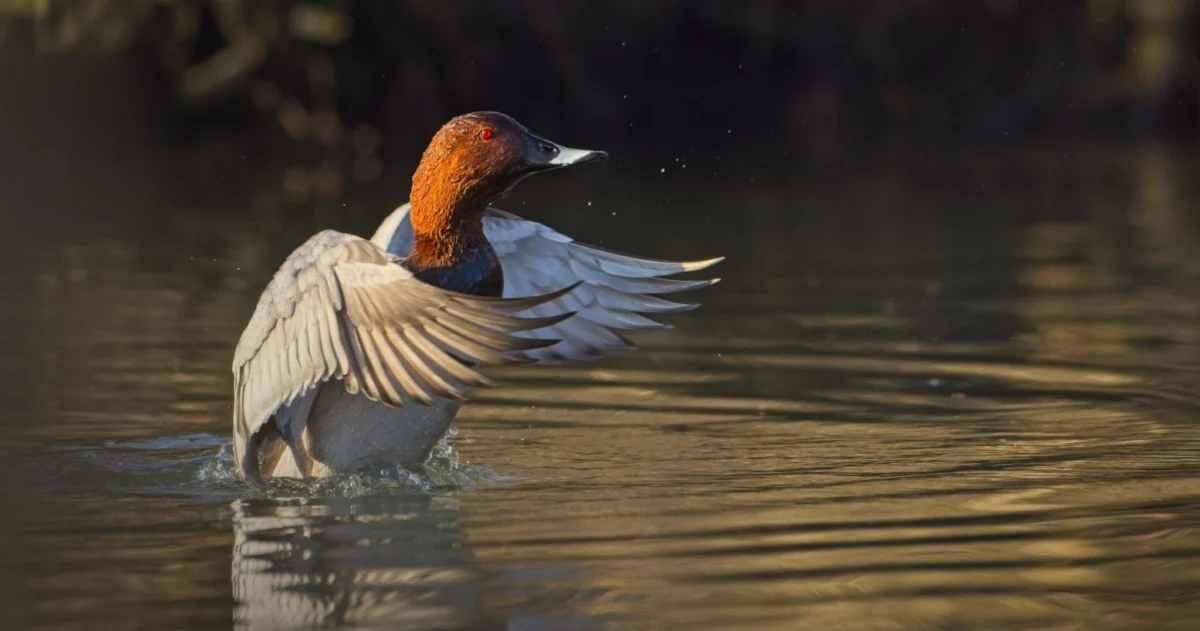
The Common Pochard (Aythya ferina), a flagship species among diving ducks of the African-Eurasian Flyway, relies heavily on the integrity of wetlands, marshes, and fishponds scattered across Europe. In recent decades, this species has faced precipitous declines, driven by a multifaceted assault on its habitats, including extensive habitat loss, inadequate wetland management practices, pervasive pollution, the accelerating impacts of climate change, and unsustainable hunting pressure. Compounding these challenges, scientists have observed deeply concerning shifts in the population’s sex ratio, with a disproportionately higher decline in female numbers, raising serious questions about future reproductive potential.
An expert panel, recently convened to develop a sophisticated population model for the Common Pochard, has concluded that a temporary, EU-wide hunting moratorium could significantly accelerate the species’ recovery. This proposed short-term pause is strategically designed to provide depleted populations with the essential breathing room required to stabilize and begin to grow. Concurrently, it is envisioned that EU member states will intensify efforts to address the broader drivers of decline. These efforts would encompass robust wetland restoration programs, the implementation of improved habitat management strategies, and decisive action to combat pollution and control invasive predator populations.
Proactive Strategies for Other Key Species: Building on Success
With a view to consolidating recent conservation successes, the TFRB has proactively commissioned the development of science-backed recommendations for two additional species of conservation concern:
The Common Quail (Coturnix coturnix)
For the Common Quail, the recommendations point towards either a temporary hunting ban or, as a less stringent alternative, a substantial reduction in permitted harvest by approximately 75%. The objective behind these measures is to ensure a safer passage for juvenile birds during their critical first year of life, thereby boosting overall population productivity and resilience. The underlying principle is to alleviate immediate pressure during a vulnerable life stage, allowing for natural recovery mechanisms to take hold.
The Eurasian Wigeon (Mareca penelope)
In the case of the Eurasian Wigeon, the focus is on a significant reduction in hunting offtake. Crucially, this recommendation is paired with a demand for vastly improved real-time harvest reporting mechanisms. This enhanced transparency and data collection are essential to ensure that any future hunting activities are genuinely sustainable and to provide the necessary data to confirm that breeding numbers are indeed stabilizing and growing. The emphasis here is on data-driven management and accountability.
Conservation in Action: The BirdLife Partnership’s Role
Across Europe, BirdLife Partners are actively engaged in on-the-ground efforts to support the recovery of migratory bird populations. These initiatives demonstrate a commitment to translating scientific recommendations into tangible conservation outcomes.
In Bulgaria, the Bulgarian Society for the Protection of Birds (BSPB) is spearheading a significant new LIFE project. This ambitious undertaking is dedicated to the conservation of diving ducks and the vital wetland ecosystems along the Black Sea-Mediterranean Flyway. The project aims to address habitat degradation and other threats directly impacting these crucial migratory routes.
In Spain, SEO/BirdLife continues its unwavering advocacy for enhanced protections for the Common Quail. Simultaneously, the organization is closely monitoring ongoing legal proceedings concerning the release of non-native Japanese Quails. This issue is of critical concern, as the potential for genetic pollution from introduced species poses a tangible threat to the integrity of native Common Quail populations.
Throughout northern Europe, a network of monitoring programs, meticulously led by BirdLife Partners, plays an indispensable role. These programs consistently provide the high-quality population data that forms the bedrock of effective flyway management and informed conservation decision-making.
The Ultimate Goal: Thriving Ecosystems and Resilient Flyways
It is imperative to recognize that temporary hunting restrictions, while critically important, are not a panacea for the complex challenges facing Europe’s migratory birds. However, they represent indispensable first steps, effectively reducing immediate pressure on depleted populations and creating the foundational conditions necessary for recovery. The enduring solution lies in the comprehensive restoration of the intricate ecosystems upon which these species fundamentally depend. This includes revitalizing marshes, grasslands, fishponds, and floodplains – habitats that not only sustain biodiversity but also deliver crucial benefits for human populations, such as clean water, enhanced climate resilience, and invaluable ecosystem services across the continent.
The migratory birds of Europe have, in past instances, demonstrated a remarkable capacity for recovery when nations collectively commit to concerted action. The current challenge lies in extending this spirit of cooperation, seamlessly integrating temporary harvest reductions with the long-term, ambitious restoration of the wetlands, grasslands, and floodplains that are so vital to their survival. The necessary tools and the robust legal framework are already in place. The crucial question that remains is the willingness of every country along these migratory flyways to embrace their responsibility and play their essential part in this collective conservation endeavor. The future of these remarkable journeys hinges on this shared commitment.

