


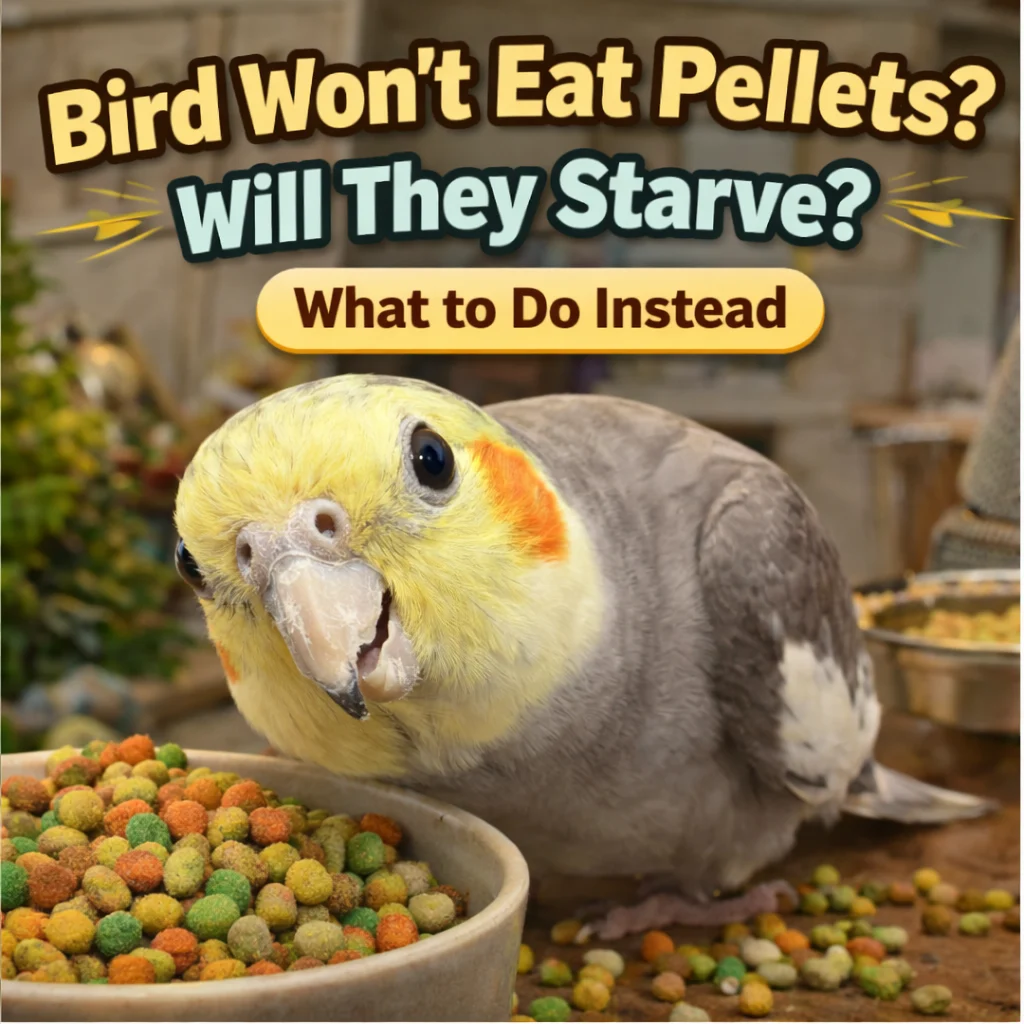
For many bird owners, the challenge of transitioning their feathered companions from a seed-heavy diet to a more nutritionally complete pellet-based regimen can be a source of significant anxiety. The common scenario involves birds refusing pellets outright, picking around them, or exhibiting a sudden decrease in food intake, leading to fears of starvation. This article, informed by insights from avian veterinarians and behaviorists, aims to demystify this crucial dietary shift, advocating for a patient, evidence-based, and force-free approach that prioritizes the bird’s well-being and trust.
The Nutritional Imperative: Why Pellets Matter
The widespread recommendation by avian veterinary professionals to shift pet birds from primarily seed-based diets to high-quality pellets stems from a deep understanding of avian nutritional science. Historically, many pet birds were fed diets consisting almost entirely of seeds, which, while palatable, are often nutritionally incomplete. Seeds are typically high in fat and carbohydrates but deficient in essential vitamins (especially Vitamin A), minerals (like calcium), and balanced proteins. This imbalance can lead to a host of serious health problems over time, including:
- Hepatic Lipidosis (Fatty Liver Disease): A prevalent and often fatal condition resulting from excessive fat intake and poor liver function.
- Vitamin A Deficiency (Hypovitaminosis A): Can cause respiratory issues, poor feather quality, reproductive problems, and weakened immune systems.
- Calcium Deficiency: Leads to brittle bones, neurological issues, and egg-binding in laying hens.
- Obesity: A precursor to many other health complications, including heart disease and diabetes.
- Kidney Disease: Can be exacerbated by imbalanced diets.
Pellets, on the other hand, are formulated to provide a complete and balanced nutritional profile, mimicking the dietary diversity a bird might seek in the wild across various food sources. They contain a precise blend of proteins, fats, carbohydrates, vitamins, and minerals, ensuring that every bite contributes to the bird’s overall health and longevity. Studies and clinical observations consistently show that birds maintained on a high-quality pellet diet, supplemented with fresh fruits, vegetables, and occasional seeds as treats, exhibit improved feather quality, higher energy levels, stronger immune systems, and a significantly reduced incidence of diet-related illnesses, often leading to longer, healthier lifespans.
The Peril of Abrupt Changes: Understanding Avian Neophobia
The instinct to protect a bird from nutritional deficiencies often prompts owners to attempt a swift diet change. However, an abrupt switch, such as suddenly removing all seeds and offering only pellets, is not only ineffective but can be dangerous. Birds possess a strong natural instinct known as neophobia – an innate fear or avoidance of new objects or experiences, especially new foods. This trait is a critical survival mechanism in the wild, where consuming unfamiliar plants could lead to poisoning or illness. Parrots, in particular, are hardwired to rely on learned behaviors for food identification. In their natural habitats, parent birds meticulously teach their offspring what is safe to eat over weeks, if not months, through observation and shared feeding.
When a pet bird refuses to eat pellets, it is not an act of stubbornness but a profound expression of this survival instinct. They do not recognize pellets as food, or they perceive them as potentially unsafe. The diagnostic indicators often observed by owners – ignoring pellets, picking around them, throwing them out, or a noticeable reduction in overall food intake – are direct manifestations of this neophobic response. A bird that is "waiting for seeds" is not trying to manipulate its owner; it is waiting for a food source it recognizes as safe and reliable. Consequently, forcing a sudden dietary change by withholding familiar foods can lead to:
- Malnutrition and Starvation: Birds can quickly lose weight and become severely malnourished if they refuse to eat the new food, leading to irreversible health damage or death.
- Stress and Anxiety: The psychological distress of not having access to recognized food sources can severely impact a bird’s mental well-being, leading to behavioral issues, feather plucking, and a breakdown of trust with their owner.
- Weakened Immune System: Nutritional stress compromises the immune system, making the bird susceptible to secondary infections.
Avian veterinarians universally caution against the "tough love" approach of waiting a bird out. Instead, they advocate for a teaching-based strategy that respects the bird’s natural instincts and leverages positive reinforcement. The goal is not to remove food but to educate the bird about what is safe and healthy, preserving their intake, weight, and the invaluable bond of trust.
Expert Consensus: A Force-Free Approach
The consensus among avian veterinarians and certified avian behaviorists is clear: a successful pellet transition must be gradual, patient, and entirely force-free. Dr. Susan O’Connell, a prominent avian veterinarian, often emphasizes that "we are not just changing a diet; we are changing a learned behavior and building new trust around food." This philosophy underpins the recommended strategies, which focus on consistent, low-stress exposure rather than deprivation.
Professional trainers, like those specializing in applied behavior analysis for companion animals, also highlight the importance of positive association. They advise creating scenarios where pellets are presented in a positive light, linked to reward, interaction, or the owner’s own consumption, thereby signaling safety. This approach aligns with the natural way birds learn about food in the wild – through observation of trusted flock members. The core principle is that progress is achieved through consistency and positive reinforcement, not coercion or punishment.
The Phased Transition Protocol: A Step-by-Step Guide
A successful pellet transition is not a singular event but a multi-stage process that can take weeks or even months, depending on the bird’s age, personality, and prior diet. Patience is paramount. The following protocol outlines a generally accepted timeline and strategy:
Phase 1: Initial Assessment and Baseline (Days 1-7)
- Document Current Diet: Accurately record the bird’s current food intake, including types and quantities of seeds, fruits, vegetables, and any supplements. This establishes a baseline for monitoring changes.
- Weigh Your Bird: Use a digital scale to weigh your bird daily at the same time. Consistent weight monitoring is crucial to detect any unhealthy weight loss.
- Veterinary Check-up: Before initiating any major dietary change, a visit to an avian veterinarian is highly recommended. The vet can assess the bird’s current health, identify any underlying conditions, and provide tailored advice. They can also recommend specific pellet brands appropriate for the bird’s species and age.
Phase 2: Introduction and Familiarization (Weeks 1-4)
- Offer Pellets Separately: Begin by placing a small bowl of pellets alongside the bird’s usual seed mix. Do not mix them yet. This allows the bird to become accustomed to the pellets’ presence without feeling threatened.
- Crush and Mix (Gradually): After a week or two of separate offering, begin crushing a small amount of pellets into a fine powder. Sprinkle this powder over the bird’s regular seed mix. The goal is to get the bird to inadvertently ingest tiny particles of pellets while eating its familiar food. Gradually increase the amount of crushed pellets over several days.
- "Pellet Soup": Some birds respond well to pellets softened with a small amount of warm water or unsweetened fruit juice (diluted). This changes the texture and can make them more appealing, especially for birds accustomed to softer foods.
- Owner Modeling: Eat a pellet yourself (human-grade pellets are safe, though unpalatable for humans) or pretend to enjoy them enthusiastically. Birds often mimic their owners, viewing what their "flock leader" eats as safe.
- Foraging Toys: Incorporate pellets into foraging toys, alongside a few favorite seeds. This encourages mental stimulation and makes the pellets seem like a "prize."
Phase 3: Acceptance and Gradual Increase (Weeks 4-12)
- Ratio Adjustment: Once the bird appears to be consuming some crushed or softened pellets, begin to gradually adjust the ratio of pellets to seeds. Start by reducing the seed portion by a very small percentage (e.g., 5-10%) while keeping the pellet portion constant or slightly increasing it.
- Scheduled Feeding: Consider offering pellets first thing in the morning when the bird is hungriest. Leave the pellets available for a few hours, then offer a small amount of seeds for a limited time later in the day. This creates a mild incentive to try the pellets without causing undue stress.
- Different Forms and Flavors: Experiment with different sizes, shapes, and flavors of pellets if the bird is still resistant. Some birds prefer specific textures or a hint of fruit flavor.
- Visual Appeal: Mix pellets with brightly colored, finely chopped vegetables. The familiar sight of healthy veggies might encourage exploration of the pellets.
Phase 4: Maintenance and Monitoring (Ongoing)
- Target Ratio: The ultimate goal is for pellets to constitute 70-80% of the bird’s daily caloric intake, supplemented with 10-20% fresh fruits and vegetables, and a small amount (5-10%) of seeds or nuts as treats.
- Continued Monitoring: Continue daily weight checks during the transition and then regularly (e.g., weekly) once the bird is on a stable pellet diet. Observe droppings for consistency, color, and volume, as changes can indicate dietary issues.
- Variety in Supplements: Even with a pellet diet, offering a variety of fresh produce is crucial for enrichment and provides additional phytonutrients.
Addressing Common Challenges
- "Picks Around Pellets": This indicates the bird is selectively eating familiar items. The key is to make the familiar less accessible while making the new food more appealing. Crushing pellets and mixing them thoroughly, or offering pellets in a separate bowl at a time of hunger, can help.
- "Throws Pellets Out": This can be a form of play or an attempt to get rid of unfamiliar items. Ensure pellets are in a sturdy bowl. Foraging toys can turn this behavior into a positive interaction.
- "Is Eating Less": This is the most critical sign of distress. If weight loss is observed (more than 1-2% of body weight in a day), immediately revert to a slightly higher proportion of familiar food and slow down the transition. Consult your avian vet.
- "Waits for Seeds": This is natural neophobia. The scheduled feeding approach (pellets first, then seeds) can be effective, but always monitor intake and weight closely.
Monitoring Health During Transition
Close observation of your bird’s health is non-negotiable during a diet transition. Daily weight checks are the most critical metric. Any significant or consistent weight loss (more than 10% over a few days) warrants immediate veterinary consultation and a re-evaluation of the transition pace. Other indicators to monitor include:
- Droppings: Healthy droppings indicate proper digestion. Changes in color, consistency (e.g., watery, undigested food), or frequency can signal problems.
- Energy Levels: A bird eating sufficiently will remain active and alert. Lethargy or reduced activity is a red flag.
- Feather Condition: While not immediate, poor feather quality can indicate chronic nutritional deficiencies.
- Behavior: Increased irritability, stress behaviors (like feather plucking), or unusual vocalizations can be signs of discomfort or hunger.
The Broader Impact: Health, Behavior, and Bond
Successfully transitioning a bird to a pellet-based diet extends far beyond mere nutrition. It has profound implications for their overall quality of life, behavior, and the relationship they share with their human caregivers.
- Enhanced Physical Health: A balanced diet significantly reduces the risk of chronic diseases, leading to a more vibrant, energetic bird with a stronger immune system and a potentially longer lifespan. This translates to fewer veterinary visits for diet-related issues and a generally healthier companion.
- Improved Behavior: Nutritional deficiencies can often manifest as behavioral problems. For instance, Vitamin A deficiency can lead to dry skin and itchiness, contributing to feather plucking. A well-nourished bird is generally a happier bird, less prone to irritability, aggression, or self-mutilation. The process of teaching new foods, when done gently, also provides mental enrichment and strengthens cognitive function.
- Strengthened Owner-Bird Bond: The patient, consistent, and positive reinforcement-based approach required for a successful transition builds trust. When an owner respects a bird’s natural instincts and works with them rather than against them, the bond deepens. The bird learns that its human is a reliable source of safe sustenance and positive experiences, fostering a more secure and affectionate relationship. This "parronting" approach, focused on teaching rather than forcing, lays the foundation for a lifetime of mutual understanding and well-being.
In conclusion, the journey to a healthier pellet diet for your bird is a testament to your dedication as a caregiver. It demands understanding, patience, and a commitment to force-free methods. By following a structured, gradual protocol, closely monitoring your bird’s health, and seeking expert guidance when needed, you can successfully navigate this challenge, ensuring your feathered friend enjoys a long, healthy, and happy life.

