


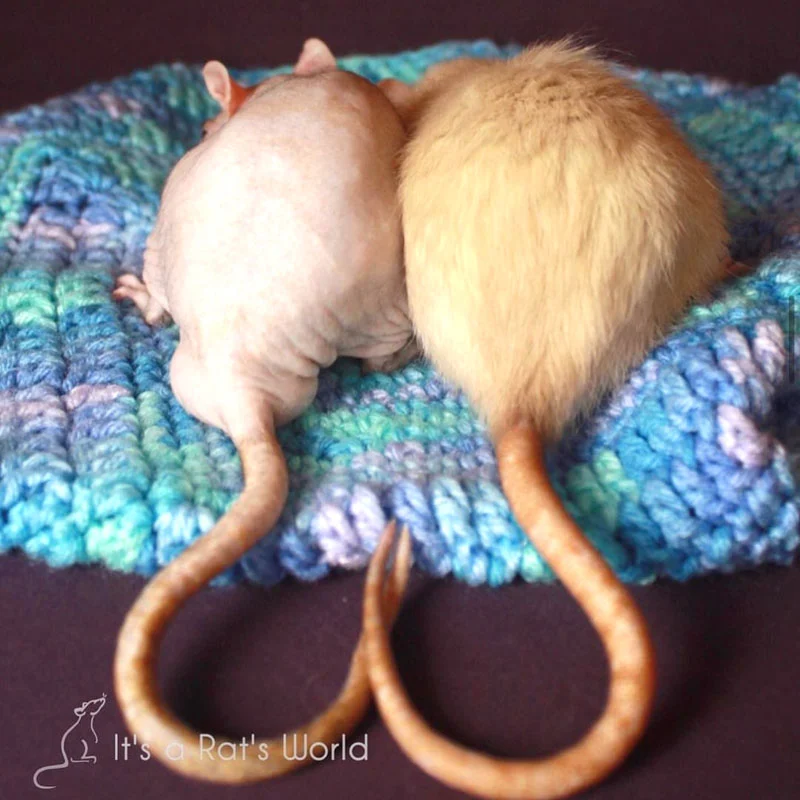
For many pet owners, the journey into animal companionship is often paved with learning experiences, some more challenging than others. This is particularly true for owners of rats, whose complex social needs and specific environmental requirements can easily lead to unintentional oversights. This article delves into common mistakes made in rat care, drawing from the insights of experienced owners and veterinary professionals to provide a comprehensive guide for ensuring these intelligent and social creatures thrive.
The Evolution of Rat Ownership Knowledge
The landscape of pet care information has transformed dramatically over the past few decades. In the 1990s, when many of the foundational errors in rat care were unknowingly made by well-meaning owners, resources were scarce and often inaccurate. Information disseminated through pet stores and limited print publications frequently contained outdated or detrimental advice. This era saw practices that are now recognized as harmful, such as housing rats in small, poorly ventilated aquariums and using toxic bedding materials like pine and cedar shavings.
"The ’90s were a very different time for rat care information," notes Brandi Saxton of It’s A Rat’s World, an advocate and experienced rat owner. "We relied on what was available, and unfortunately, much of it was misinformed. It’s a testament to the growing awareness and research that we now have much clearer guidelines."
The proliferation of the internet, while a boon for information access, also presents its own set of challenges. The sheer volume of content can make it difficult to discern reliable advice from misinformation. Experts emphasize the importance of critical evaluation when seeking information online, particularly from social media influencers or blogs that may not cite reputable sources or veterinary backing.

Key Areas of Common Rat Care Mistakes
1. Inaccurate Information and Unreliable Resources
One of the most significant hurdles for new rat owners is navigating the vast and often contradictory information available online. The internet, while a powerful tool, is also a breeding ground for outdated advice, personal anecdotes presented as fact, and the perpetuation of myths.
"It’s crucial to become a discerning consumer of information," advises Saxton. "Don’t assume that just because something is posted online, it’s accurate. Look for sources that cite veterinary professionals, reputable rescue organizations, or well-established rat care guides."
The Rat Guide (ratguide.com) is frequently recommended by experienced owners and veterinarians as a comprehensive and scientifically-backed resource. Evaluating the longevity of an owner’s experience, their approach to their own rats’ care, and whether they consult with veterinary professionals are key indicators of reliable advice. Artificial intelligence, while useful for generating text, can also be a source of misinformation if not cross-referenced with verified data, as it often synthesits and can misunderstand the nuances of complex topics.
2. Inadequate Housing and Essential Supplies

The physical environment of a rat’s cage is paramount to their well-being. Common mistakes include using cages that are too small, lack adequate ventilation, or have inappropriate bar spacing.
- Cage Size and Ventilation: Rats are active and social animals that require ample space to explore, play, and sleep. A general guideline for cage size can be found using online calculators, but the overarching principle is that the cage should comfortably accommodate the number of rats housed, with room for expansion. Multi-level cages are highly recommended to maximize vertical space, providing opportunities for climbing and varied activity. Poor ventilation can lead to respiratory issues, a common ailment in rats.
- Flooring and Bar Spacing: Wire floors, while common, can cause bumblefoot (a painful inflammation of the feet) and contribute to unsanitary living conditions. Experts strongly advise against housing rats on bare wire. If a wire floor is unavoidable, it should be covered with solid materials or bedding. Similarly, bar spacing must be appropriate to prevent escapes and injuries.
- Bedding and Litter: The choice of bedding is critical. Pine and cedar shavings, once commonly used, are now known to be toxic to small animals due to the presence of phenols that can cause respiratory distress and liver damage. Safe alternatives include paper-based bedding, fleece, or aspen shavings. For litter boxes, crushed walnut shells, when properly treated (frozen for 24-48 hours to kill parasites), are a popular choice. Fleece is often favored for its absorbency and ease of cleaning.
3. Neglecting Cage Maintenance
A clean living environment is fundamental to preventing disease and ensuring a rat’s comfort. Ammonia buildup from urine and feces can severely irritate a rat’s sensitive respiratory system, leading to infections, eye irritation, and a generally unhygienic habitat.
"The frequency of cage cleaning depends on the number of rats and the size of the cage," notes Saxton. "However, spot cleaning daily and a more thorough cleaning weekly is generally recommended. A neglected cage quickly becomes unhealthy."
4. Suboptimal Nutrition and Feeding Practices

Dietary errors are a frequent cause of health problems in pet rats.
- Commercial Diet Quality: Not all commercial rat foods are created equal. Owners must research brands to ensure they provide a balanced nutritional profile, typically a mix of high-quality protein, carbohydrates, fats, vitamins, and minerals. Lab blocks designed for rats are often preferred over loose seed mixes, which can lead to selective feeding and nutritional deficiencies.
- Overfeeding and Unhealthy Treats: While it’s tempting to share human food with pet rats, many common snacks—chips, pizza, sugary items—are detrimental to their health. These can lead to obesity, diabetes, and other metabolic disorders. Even healthy treats like fruits and vegetables should be offered in moderation. A balanced staple diet should form the core of a rat’s nutrition, supplemented with appropriate fresh foods.
5. Insufficient Exercise and Mental Stimulation
Rats are intelligent and energetic animals that require both physical activity and mental engagement to thrive. A sedentary lifestyle can contribute to obesity, boredom, and behavioral issues such as destructiveness or aggression.
"Providing opportunities for daily exercise and enrichment is not just about preventing boredom; it’s about supporting their cognitive and physical health," states a veterinary behaviorist specializing in exotic pets. "Interactive toys, puzzle feeders, and supervised free-ranging time are essential components of a stimulating environment."
6. Improper Handling Techniques

One of the most critical handling mistakes is grabbing a rat by its tail. Rat tails are not merely appendages; they are vital for thermoregulation, balance, sensory input, and are an extension of their spine. Grasping a rat by the tail can cause severe injury, including tail detachment or spinal damage.
"Owners need to understand the anatomy and function of a rat’s tail," explains Saxton. "Always support their body when picking them up, using a scooping motion from underneath."
7. Financial unpreparedness
The financial commitment to pet rats is often underestimated. Beyond the initial cost of the animal, cage, and supplies, ongoing expenses include food, bedding, toys, and, crucially, veterinary care.
"Veterinary costs for exotic pets can be significant, and rats are prone to certain health issues like respiratory infections and tumors," notes a spokesperson for the Association of Exotic Pet Vets. "It’s essential for owners to budget for routine check-ups and potential emergency care. Many owners find pet insurance or a dedicated savings account for their pets invaluable."

The rising cost of veterinary care, with reported increases of up to 60% since 2014, underscores the importance of financial preparedness.
8. Rushing Free-Ranging
While free-ranging offers rats valuable exercise and exploration opportunities, it must be done safely and with proper preparation. Rats can chew through electrical cords, ingest toxic substances, and damage household items. Pet owners who allow their rats to free-range without rat-proofing their environment may face significant repair costs and potential hazards for their pets.
"Before allowing free-ranging, owners must thoroughly inspect their environment for potential dangers," advises Saxton. "This includes securing electrical cords, removing toxic plants, and ensuring there are no small gaps where rats could get trapped."
9. Failing to Adjust for Senior Rats
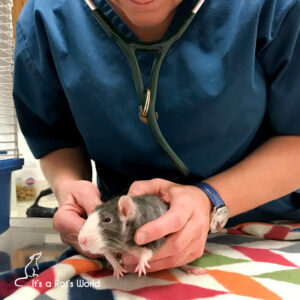
As rats age, their needs change. Senior rats (typically over 18-24 months) may experience mobility issues, reduced appetite, and increased susceptibility to illness. Failure to adapt their environment and care can lead to distress and health complications.
- Mobility Aids: Ramps and platforms may need to be adjusted to lower heights, and food and water bowls should be easily accessible. Hammocks should be placed lower to the cage floor.
- Dietary Modifications: Senior rats may benefit from softer foods or specially formulated senior diets to aid digestion and ensure adequate nutrient intake.
- Veterinary Monitoring: Regular veterinary check-ups are crucial for early detection and management of age-related conditions such as arthritis, tumors, or kidney disease. Prompt treatment with antibiotics or pain medication can significantly improve a senior rat’s quality of life.
10. Lack of Daily Commitment and Quality Time
Perhaps the most fundamental aspect of responsible pet ownership is a consistent commitment to the animal’s well-being. Rats are social creatures that thrive on interaction and routine. Neglecting daily playtime, socialization, and attention can lead to a disconnect between owner and pet.
"Rats are highly intelligent and form strong bonds with their owners," emphasizes Saxton. "They learn routines and thrive on predictable interaction. Making time for them every single day is crucial for their emotional and mental health, and it strengthens the human-animal bond."
Establishing daily routines for feeding, playtime, and grooming ensures that rats feel secure and loved. This daily engagement is not only beneficial for the rat but also a rewarding experience for the owner, fostering a deep and lasting connection.

The Broader Impact of Responsible Rat Care
By understanding and actively avoiding these common pitfalls, rat owners can significantly enhance the lives of their pets. This proactive approach not only prevents suffering and illness but also allows owners to fully appreciate the intelligence, affection, and unique personalities of these remarkable animals. The growing body of knowledge in rat care reflects a broader societal shift towards recognizing the complex needs of all companion animals, encouraging owners to be informed, dedicated, and compassionate stewards of their pets’ well-being. As information continues to evolve, ongoing education and a commitment to best practices remain the cornerstones of responsible rat ownership.

